Do you love growing fresh veggies but find your garden turning into a playground for neighborhood cats? You’re not alone. Many gardeners face the challenge of keeping these curious felines from digging up plants and lounging in the dirt.
Key Takeaways
- Understand Cat Behavior: Recognize how cats disrupt gardens through behaviors like digging, lounging, and scent marking, which can hinder plant growth and health.
- Implement Physical Barriers: Use tall fences, netting, and chicken wire to create effective obstacles that prevent cats from accessing your vegetable garden.
- Utilize Natural Deterrents: Incorporate items like citrus peels, coffee grounds, and cat-repelling herbs to make your garden smell less appealing to cats.
- Monitor Cat Activity: Keep an eye on feline behavior and garden activity to identify patterns, allowing for more targeted and effective deterrent strategies.
- Adapt Strategies Regularly: Change up deterrents and physical barriers to prevent cats from becoming accustomed to a specific method, ensuring ongoing protection for your garden.
Understanding The Issue
Cats can pose significant challenges in vegetable gardens. Their natural behaviors, such as digging and lounging, lead to the disruption of your carefully tended plants.
The Impact of Cats on Vegetable Gardens
Cats disrupt vegetable gardens in various ways. They dig up soil to create comfortable spots for resting, uprooting young plants in the process. Their grooming rituals often leave behind fur, which can attract pests. Additionally, their litter box habits introduce pathogens into the soil, posing risks to plant health and human consumption.
- Soft Soil: Loamy, well-tilled soil feels inviting for scratching and digging.
- Sunshine: Warm, sunny spots offer the perfect lounging areas for cats to relax.
- Pests: Gardens often teem with insects and small animals, providing a natural hunting ground.
- Scent Marking: Garden areas allow cats to mark territory, leaving behind their scent as a social signal.
- Curiosity: Cats love to explore new spaces; a garden is a thrilling adventure filled with new smells and movements.
Effective Strategies
You can employ various strategies to keep cats out of your vegetable garden. Combining methods enhances effectiveness and helps protect your plants.
Physical Barriers
You can install physical barriers around your garden to prevent cats from entering. Consider these options:
- Fencing: A tall fence deters cats from jumping in. Ensure it has a slanted top or is buried a few inches underground to stop digging.
- Netting: Use mesh or netting over raised beds to keep cats from lounging or digging in your soil.
- Chicken Wire: Place chicken wire flat on the ground to create discomfort underfoot while allowing sunlight and rain to reach your plants.
Natural Deterrents
You can use natural deterrents to make your garden less appealing to cats. Try these methods:
- Citrus Peels: Scatter citrus peels around your garden. Cats generally dislike the smell, and this can deter them.
- Coffee Grounds: Spread used coffee grounds around your plants. The strong scent can repel cats, and it adds nutrients to the soil.
- Herbs: Grow cat-repelling herbs like rue, lavender, or rosemary. These plants emit scents that dissuade cats while enhancing your garden’s aesthetics.
- Motion-Activated Sprinklers: Set up motion-activated sprinklers to startle cats with a spray of water when they approach your garden. This harmless approach discourages them from returning.
Incorporating these strategies helps maintain a healthy vegetable garden while minimizing feline disruptions.
Additional Tips
Consider these additional methods to keep cats out of your vegetable garden.
Recommended Products
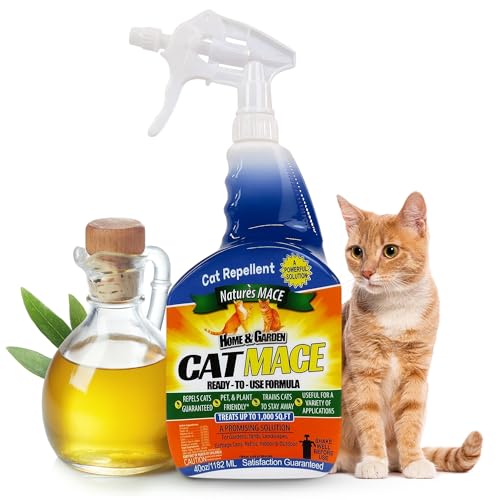
40 OZ READY-TO-USE FORMULA: This 40-oz ready-to-use cat spray deterrent requires no mixing or measuring. Apply directly from the bottle for coverage of targeted areas such as beds, furniture, trash bags, decks, or walkways. Great for home or garden use, it helps keep your space cat-free while reducing the effort needed for daily upkeep.

PROVEN RESULTS: Tested and proven to repel Dogs and Cats without harmful chemicals or dangerous poisons
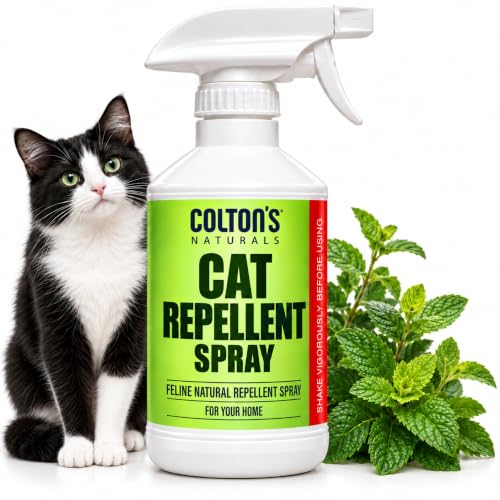
Cat repellent spray for outdoor and indoor use; makes your yard, garage, crawl space, trash area, garden free of pesky stray and feral cats naturally; also great at repelling your own cat, neighbors cats from your space
Companion Planting
Companion planting involves growing specific plants together for mutual benefits. Some plants naturally repel cats. Consider planting:
- Lavender: Its strong scent deters cats and attracts beneficial insects.
- Rosemary: This herb’s aroma keeps felines at bay while enhancing your garden’s aesthetic.
- Coleus canina: Known as the “scaredy cat plant,” it produces a strong odor that cats dislike.
Combine these plants with your vegetables to create a less inviting environment for cats.
Using Scents and Sprays
Scents can effectively deter cats from entering your garden. You can use:
- Citrus peels: Scatter orange or lemon peels around plants. Cats find these scents unpleasant.
- Vinegar: Mix equal parts vinegar and water in a spray bottle. Spray it around the garden to create a barrier that cats avoid.
- Commercial cat repellents: Look for natural repellents containing essential oils like peppermint or eucalyptus. Spray these around garden entrances for additional deterrence.
Apply these scents regularly, especially after rain, to maintain their effectiveness.
Monitoring and Adjusting
Monitoring your garden’s cat activity helps you fine-tune your strategies. Regularly check for signs of feline visitors, like dug-up soil or cat prints. This observation enables you to determine if your current methods deter cats effectively.
Recommended Products
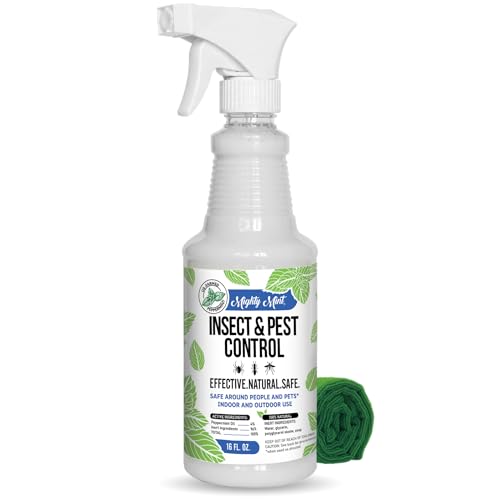
Pet-Friendly & Family-Safe Formula – Mighty Mint is a top pick for pet parents looking for a natural pest control solution. Safe to use around dogs, cats, and kids when applied as directed—no harsh fumes or dangerous chemicals, just powerful peppermint protection you can trust.

FORMULATED TO HELP KEEP PETS AWAY FROM TREATED AREAS: Repellent scent acts as a signal telling cats to stay away from the treated areas

SAFE FOR ALL: Our cat spray deterrent is a gentle yet effective solution that is harmless for cats and the environment. It safely teaches cats to stop scratching items using their sense of smell.
Observing Cat Behavior
Observe specific times when cats are most active in your garden. They may prefer early morning or late evening. Watching their behavior reveals patterns that help you adjust your strategies. Note which areas of your garden attract them the most, so you can focus your efforts accordingly. You might spot cats lounging in sunny spots or digging around certain plants. By knowing their habits, you can implement targeted deterrents in those areas.
Adapting Strategies Over Time
Adapt your cat deterrent strategies based on your observations. If natural repellents like citrus peels seem less effective over time, try switching to commercial sprays with essential oils. Alter the placement of physical barriers—if cats find a way over your fence, consider extending it or adding chicken wire at the top. Regularly change up the scents or deterrent plants, as cats may become accustomed to the same smells.
Adjusting your strategies ensures the garden remains inhospitable to cats. Continuously observe and refine your approach for the best results in keeping your vegetable garden intact.
Conclusion
Keeping cats out of your vegetable garden doesn’t have to be a daunting task. By combining physical barriers with natural deterrents you can create an environment that’s less appealing to those curious felines. Regularly monitoring your garden and adjusting your strategies based on cat activity will help you stay one step ahead.
With a little creativity and persistence you can protect your precious veggies and enjoy a thriving garden. Remember that every garden is unique so don’t hesitate to experiment with different methods until you find what works best for you. Happy gardening!
Frequently Asked Questions
How do neighborhood cats impact vegetable gardens?
Neighborhood cats can disrupt vegetable gardens by digging up soil for comfortable resting spots, which can uproot young plants. Their grooming habits may leave fur that attracts pests, and their litter box behaviors can introduce harmful pathogens into the soil, jeopardizing plant health and safety for human consumption.
What are some physical barriers to keep cats out of my garden?
To deter cats, consider installing tall fences, using netting over raised beds, or placing chicken wire around garden areas. These physical barriers help prevent cats from entering and lounging in your vegetable garden.
What natural deterrents can I use to repel cats?
Natural deterrents include citrus peels, used coffee grounds, and cat-repelling herbs like lavender and rosemary. These can help make your garden less appealing to cats, reducing their presence without harming them.
How can motion-activated sprinklers help with cat deterrence?
Motion-activated sprinklers can startle cats when they approach, creating an unexpected and harmless deterrent. This strategy encourages cats to associate your garden with an unpleasant experience, discouraging them from returning.
What is companion planting and how does it help with cat issues?
Companion planting involves growing specific plants that naturally repel cats, such as coleus canina (the “scaredy cat plant”), lavender, and rosemary. These plants can help keep cats away while benefiting your vegetable garden.
How often should I apply scents or sprays to deter cats?
Regular application of scents or sprays, like vinegar solutions or citrus peels, is essential to maintain their effectiveness. Reapply these deterrents consistently to keep your garden inhospitable to cats.
How can I monitor cat activity in my garden?
Regularly check for signs of feline visitors, such as paw prints or disturbed soil, and observe their behavior to identify peak activity times. This information will help you target your deterrent methods more effectively.
What should I do if my deterrent methods stop working?
If certain methods lose effectiveness, consider switching to different repellents, altering physical barriers, or introducing new natural deterrents. Continuously observing and refining your strategy is key to keeping your garden cat-free.

My interest in trees started when I first saw the giant sequoias in Yosemite.I was a teenager then, and I remember thinking, “I need to learn more about this.”That moment stuck with me.A few years later, I went on to study forestry at Michigan Tech.
Since graduating, I’ve worked in a mix of hands-on tree care and community education.I’ve spent over ten years helping people understand how to plant, maintain, and protect the trees in their neighborhoods.I don’t see trees as just part of the landscape.They are living things that make a real difference in our daily lives.