Have you ever thought about adding fresh mushrooms to your garden? Growing your own mushrooms can be a rewarding experience that not only enhances your meals but also adds a unique touch to your gardening skills. Imagine stepping outside and picking fresh, flavorful mushrooms right from your backyard.
Key Takeaways
- Variety of Mushrooms: Consider growing popular types like button, shiitake, oyster, and lion’s mane mushrooms, each offering unique flavors and cultivation methods.
- Preparation is Key: Create optimal growth conditions by selecting a shady location, using well-draining loamy soil, and incorporating organic materials like straw and wood chips.
- Cultivation Methods: Choose between traditional outdoor cultivation and indoor mushroom kits, depending on your space and preference.
- Maintenance Essentials: Regularly monitor watering, humidity levels, and pest management to maintain a healthy environment for your mushroom garden.
- Harvest Timing: Learn to recognize the right time to harvest mushrooms for the best flavor, cutting them gently at the base to avoid damaging the mycelium.
- Culinary Applications: Explore diverse cooking methods and recipes to utilize your homegrown mushrooms, enhancing your meals with fresh flavors and nutritional benefits.
Understanding Mushroom Cultivation
Mushroom cultivation in your garden offers a fulfilling experience. By understanding the types of mushrooms you can grow and the benefits they provide, you can make informed choices and enjoy delicious results.
Types of Mushrooms for Home Growing
Consider these popular types of mushrooms for your garden:
- Button Mushrooms: Commonly found in grocery stores, these white mushrooms grow well in composted soil. They thrive in cooler temperatures.
- Shiitake Mushrooms: Known for their rich flavor, shiitake mushrooms prefer hardwood logs as their growing medium. They require a bit more patience but are worth the effort.
- Oyster Mushrooms: These fast-growing mushrooms come in various colors. They can be grown on straw or coffee grounds, making them a versatile choice.
- Lion’s Mane Mushrooms: Recognizable by their unique appearance, these mushrooms grow on hardwood trees. They offer a seafood-like taste and have potential health benefits.
Benefits of Growing Mushrooms in Your Garden
Growing mushrooms in your garden provides several advantages:
- Freshness: Picking mushrooms directly from your garden ensures peak freshness and flavor.
- Health Benefits: Many mushrooms, such as shiitake and lion’s mane, are packed with vitamins, minerals, and antioxidants.
- Space Efficiency: Mushrooms require less space compared to traditional crops. You can cultivate them in small areas or even containers.
- Environmental Impact: Growing mushrooms helps reuse organic waste, such as straw or wood chips. This contributes to a sustainable gardening practice.
- Culinary Variety: Mushrooms add unique flavors to your meals. Incorporating homegrown varieties expands your cooking repertoire.
Engage with mushroom cultivation, and you’ll discover the joys of growing delicious, nutritious food right at home.
Preparing Your Garden for Mushrooms
To grow mushrooms successfully, prepare your garden thoughtfully. This involves selecting the right location and ensuring the soil meets specific requirements.
Choosing the Right Location
Mushrooms thrive in shaded, moist environments. Choose a spot in your garden that receives indirect sunlight. Areas under trees or shrubs work well. If sunlight reaches the area too much, use shade cloth to reduce exposure. Look for locations with good air circulation to prevent excess humidity. Avoid areas where water tends to pool, as standing water can lead to undesirable conditions.
Soil Requirements and Preparation
Mushroom growth hinges on proper soil conditions. Use a loamy soil mix that retains moisture yet drains well. Consider adding organic materials such as straw, wood chips, or compost to enhance soil structure. Test the pH level; mushrooms typically prefer slightly acidic to neutral pH (6.0 to 7.0).
Prepare the soil by loosening it to a depth of at least 6 inches. Remove rocks, debris, and weeds that compete for nutrients. Once the soil is ready, mix in your chosen organic materials. This helps create the ideal habitat for mushroom spores or plugs to establish themselves.
By choosing the right location and preparing the soil effectively, you set the stage for a successful mushroom garden.
Mushroom Growing Methods
Growing mushrooms can be done using several effective methods, each suitable for different environments and preferences. Understanding these methods helps you choose the one that fits best for your garden.
Recommended Products

100% ORGANIC AND NON-GMO: There's no need to worry about intoxicants that may hinder your plant's growth because the Back to the Roots Mushroom Growing Kit is completely organic and not genetically modified; You can cook them however you want or add them to your favorite dishes

100% ORGANIC AND NON-GMO: There's no need to worry about intoxicants that may hinder your plant's growth because the Back to the Roots Mushroom Growing Kit is completely organic and not genetically modified; You can cook them however you want or add them to your favorite dishes
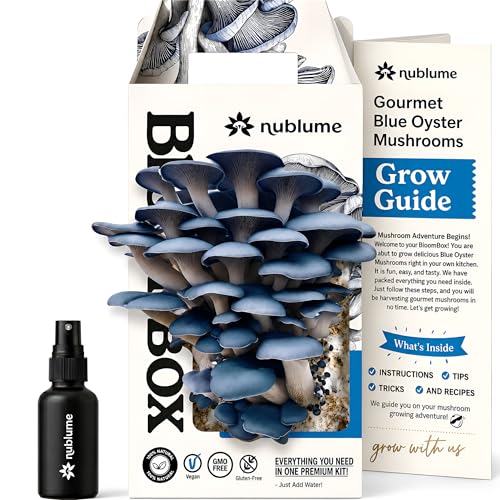
JOIN 10,000+ HOME GROWERS — No experience needed. BloomBox ships fully pre-inoculated and ready to fruit. Cut a hole, spray with water, and watch fresh blue oyster mushrooms grow in days.
Traditional Outdoor Cultivation
Traditional outdoor cultivation involves creating a suitable environment in your garden for mushrooms to thrive.
- Location: Select a shady spot that receives filtered sunlight. Areas beneath trees or shaded by structures work well.
- Preparation: Prepare the ground by removing debris and leveling the soil. Ensure the area is clear of weeds.
- Substrate: Use organic materials like straw, wood chips, or sawdust as a substrate. Different mushrooms, such as shiitake or oyster, thrive in various substrates.
- Inoculation: Introduce mushroom spores or plugs into the prepared substrate. Ensure proper spacing and depth according to mushroom type.
- Moisture: Maintain consistent moisture levels by watering regularly, especially during dry spells. Avoid waterlogging the substrate, as this can harm the mushrooms.
- Patience: Be patient as mushrooms can take several weeks to a few months to grow. Monitor their progress and protect them from pests.
Indoor Mushroom Kits
Indoor mushroom kits offer a convenient way to grow mushrooms in your home.
- Choose a Kit: Select a pre-made kit for your desired mushroom type, such as oyster or button mushrooms. Kits contain spawn, substrate, and instructions.
- Location: Locate the kit in a cool, dark area with good ventilation. A closet or pantry often works well.
- Humidity: Maintain high humidity levels. Mist the kit daily or place it in a humidity dome to encourage growth.
- Temperature: Keep the temperature within the recommended range for your chosen mushroom species, typically between 55°F to 75°F.
- Harvesting: Monitor growth and harvest mushrooms when they reach the desired size. Use sharp scissors to cut them at the base without damaging the surrounding area.
By utilizing traditional outdoor cultivation or indoor kits, you can enjoy a successful mushroom-growing experience tailored to your space and lifestyle.
Maintenance and Care
Maintaining your mushroom garden involves careful attention to watering, humidity, and pest management. Keeping the right conditions ensures healthy growth and a bountiful harvest.
Recommended Products

Wellness Indicator: This humidity meter with humidity level icon indicates air conditions - DRY/COMFORT/WET, allowing this humidity sensor to ensure you’re always aware of changes to your home/household with just a quick glance

Face Icon Comfort Indicator: Humidity temperature gauge features face icons to indicate DRY/COMFORT/WET air conditions, quickly informs you how to adjust your humidifier or dehumidifier to achieve optimal comfort.

1-【Widely Application】The digital LCD monitor can be used in home, office, garage, schools, hotels, laboratories, kindergartens, aquaculture, instrument workshop, warehouse, reptile tank terrarium, aquarium, hermit crab habitat, and other places where temperature/humidity measurement is required.
Watering and Humidity Control
Watering is crucial for mushroom cultivation. Make sure to maintain consistent moisture without oversaturating the substrate. Water the area lightly with a spray bottle or misting system to avoid disturbing the mushrooms. Aim for a humidity level of 85-90%, essential for optimal growth, especially during the fruiting stage.
You might consider using a humidity meter to monitor levels accurately. If humidity drops, mist the area more frequently or cover the growing space with plastic to retain moisture. For outdoor patches, regular rainfall usually suffices, but during dry spells, supplemental watering is necessary.
Pest and Disease Management
Pests and diseases can hinder mushroom growth. To prevent infestations, regularly inspect your growing area for signs of pests like slugs, snails, and insects. Use barriers like copper tape or diatomaceous earth to deter slugs and snails.
If fungal diseases appear, remove affected mushrooms immediately to prevent spreading. Practicing good sanitation, such as cleaning tools and removing debris, reduces contamination risks. If problems persist, consider using natural remedies, such as insecticidal soap or neem oil, which help control pests without harming the environment.
By paying attention to watering, humidity, and pest management, you create an ideal environment for your mushroom garden to thrive.
Harvesting and Using Your Mushrooms
Harvesting mushrooms involves timing and technique to ensure the best flavor and texture. Recognize when your mushrooms reach maturity by observing their size and cap shape. Check daily as they grow, and harvest when the caps are fully opened but before they begin to droop or release spores.
When to Harvest
Harvesting focuses on optimal timing. For most varieties, this occurs when the caps swell and the edges begin to flatten. Button mushrooms should be harvested when the cap is 1-2 inches in diameter, while shiitake mushrooms are best picked when the cap opens, revealing the white flesh underneath. Generally, harvesting occurs every few days during peak growth.
To harvest, gently twist or cut the stem just above the substrate. Avoid pulling, as this can damage the mycelium and reduce future yields. Store harvested mushrooms in a paper bag in the refrigerator. This method keeps them dry and extends their freshness for up to a week.
Culinary Uses for Homegrown Mushrooms
Homegrown mushrooms open up a world of culinary possibilities. Fresh mushrooms enhance flavors in various dishes. Use button mushrooms in salads or stir-fries for a subtle taste. Shiitake mushrooms work well in soups and pasta, adding depth with their rich umami flavor.
Oyster mushrooms are versatile, ideal for sautéing or roasting. Incorporate lion’s mane mushrooms into risottos or sautéed vegetable dishes for a unique, crab-like texture.
Experiment with different cooking methods. Grilling mushrooms brings out their natural sweetness, while sautéing enhances their savory qualities. You can also dry them for later use, preserving flavors for soups, stews, or seasoning blends.
Conclusion
Growing mushrooms in your garden can be a fun and fulfilling adventure. You’ll not only enjoy fresh and delicious flavors but also gain a new appreciation for the art of gardening. With the right preparation and care, your mushroom garden can thrive and provide you with a bountiful harvest.
Whether you choose to cultivate outdoors or use an indoor kit, remember that patience and attention to detail are key. Embrace the journey of learning and experimenting with different mushroom varieties. Soon enough, you’ll be harvesting your own mushrooms and adding them to your favorite meals. Enjoy the process and happy gardening!
Frequently Asked Questions
What are the benefits of growing mushrooms at home?
Growing mushrooms at home offers numerous benefits, including unparalleled freshness, health advantages, and culinary variety. You can enjoy nutritious, organic produce while showcasing your gardening skills. Additionally, mushroom cultivation has a positive environmental impact, and it allows you to have flavorful ingredients right at your fingertips.
What types of mushrooms are best for home gardening?
Popular types of mushrooms for home gardening include button, shiitake, oyster, and lion’s mane mushrooms. Each variety has unique growing requirements and flavors. Button mushrooms are the easiest to grow, while shiitake and lion’s mane provide rich tastes and health benefits, making them excellent choices for enthusiastic gardeners.
How do I prepare my garden for growing mushrooms?
To prepare your garden for mushrooms, choose a shaded, moist area with good air circulation and avoid sites prone to standing water. Create a loamy soil mix that retains moisture and drains well. Adding organic materials like straw or wood chips is beneficial, along with loosening soil and testing the pH for optimal growth conditions.
What are the methods for growing mushrooms?
Mushrooms can be grown outdoors using organic substrates and inoculation with spores or indoors with convenient mushroom kits. Outdoor cultivation requires site preparation and patience, while indoor kits offer an easy solution, needing a cool and dark location. Choose the method that best fits your preference and available space.
How do I maintain my mushroom garden?
Maintaining a mushroom garden involves ensuring consistent moisture levels, typically aiming for humidity of 85-90% during fruiting. Use a humidity meter for monitoring and manage watering carefully to prevent oversaturation. Regular inspections for pests, maintaining sanitation, and employing barriers when necessary will also help keep your garden healthy.
When and how should I harvest my mushrooms?
Harvest mushrooms when they reach their optimal size and cap shape. For button mushrooms, pick them when the caps are still closed, while shiitake should be harvested when the caps begin to curl. Use a sharp knife and store mushrooms in a cool, dark place to prolong their freshness after harvesting.
How can I use my homegrown mushrooms in cooking?
Homegrown mushrooms can enhance a variety of dishes, from stir-fries to soups and salads. Experiment with different cooking methods, such as sautéing, grilling, or roasting, to discover their unique flavors. Incorporating them into meals not only boosts taste but also provides healthy nutrients. Enjoy the versatility of homegrown mushrooms!

My interest in trees started when I first saw the giant sequoias in Yosemite.
I was a teenager then, and I remember thinking, “I need to learn more about this.”
That moment stuck with me.
A few years later, I went on to study forestry at Michigan Tech.
Since graduating, I’ve worked in a mix of hands-on tree care and community education.
I’ve spent over ten years helping people understand how to plant, maintain, and protect the trees in their neighborhoods.
I don’t see trees as just part of the landscape.
They are living things that make a real difference in our daily lives.