Are you tired of battling stubborn weeds in your garden? You’re not alone. Many gardeners face the same frustration when trying to maintain a beautiful and thriving outdoor space. Weeds can quickly take over, stealing nutrients and sunlight from the plants you cherish.
Key Takeaways
- Understand Weeds: Familiarizing yourself with common weeds such as dandelions, crabgrass, thistle, and purslane is crucial for effective management.
- Nutrient and Water Competition: Weeds compete for essential resources like nutrients and water, which can stunt the growth of your desired plants.
- Natural Weed Prevention: Utilize techniques like mulching and ground covers to create a barrier that inhibits weed growth while enhancing soil health.
- Organic Control Solutions: Employ vinegar, salt, and boiling water as natural weed killers to target unwanted plants without harmful chemicals.
- Soil Health Matters: Prioritize maintaining healthy soil through regular testing, organic matter addition, and crop rotation to foster an environment where weeds struggle to thrive.
- Companion Planting: Grow compatible plants together to enhance growth and limit weed competition naturally, creating a healthier garden ecosystem.
Understanding Weeds
Weeds are unwanted plants that compete with your garden for resources. Knowing about them helps in managing their presence naturally.
Common Types of Weeds
- Dandelions
Dandelions grow quickly and spread through wind-dispersed seeds. Their taproots make them difficult to remove entirely. - Crabgrass
Crabgrass often appears in lawns and garden beds. It thrives in sunny, disturbed areas and can choke out desirable plants. - Thistle
Thistles possess spiny leaves and can grow tall quickly. They spread easily through seeds and roots, making them invasive. - Purslane
Purslane has succulent leaves and thrives in warm weather. It’s low to the ground, allowing it to spread rapidly across soil surfaces.
The Impact of Weeds on Your Garden
Weeds hinder plant growth by competing for sunlight, water, and nutrients. They often harbor pests and diseases that can affect healthy plants.
- Nutrient Competition: Weeds absorb nutrients, reducing their availability for your garden plants. For example, a dense population of weeds can deplete nitrogen, crucial for leafy greens.
- Water Competition: Weeds take in water from the soil, creating drought-like conditions for your flowers and vegetables. An area overwhelmed with weeds may show signs of wilting or stunted growth in your garden.
- Disease Hosts: Certain weeds attract pests and pathogens. For instance, plants like lamb’s quarters can serve as hosts for aphids, which may later move to your crops.
Recognizing the types and impacts of weeds enhances your ability to keep them at bay naturally.
Natural Weed Prevention Methods
Keeping weeds at bay can enhance your garden’s health and aesthetics. Use natural strategies to minimize weed growth, allowing your plants to thrive.
Mulching Techniques
Mulching involves applying a layer of material on top of the soil to suppress weeds. Use organic materials like straw, wood chips, or shredded leaves for optimal benefits. These materials not only block sunlight but also retain soil moisture.
- Thickness Matters: Apply mulch at least 2-4 inches thick for effective weed suppression.
- Renew Regularly: Refresh mulch every season to maintain its effectiveness.
To create a weed-free zone, spread mulch around your plants, ensuring it doesn’t touch the stems to prevent rot.
Ground Covers for Weed Suppression
Ground covers are low-growing plants that spread across the soil, forming a living barrier against weeds.
- Variety Selection: Choose plants like clover, creeping thyme, or sedum for hardy options.
- Plant Spacing: Space plants closely to establish quick coverage and starve weeds of sunlight.
Incorporating ground covers not only prevents weeds but also enhances soil erosion control. They’re an aesthetically pleasing way to cover bare spots in your garden while reaping the benefits of natural weed prevention.
Organic Weed Control Solutions
You can manage weeds naturally using a variety of organic solutions that are effective and environmentally friendly.
Recommended Products

KILLS TO THE ROOT: Our formula is guaranteed to kill more than 250 weeds and grass including broadleaf, crabgrass, dandelion, clover, ivy, and chickweed.
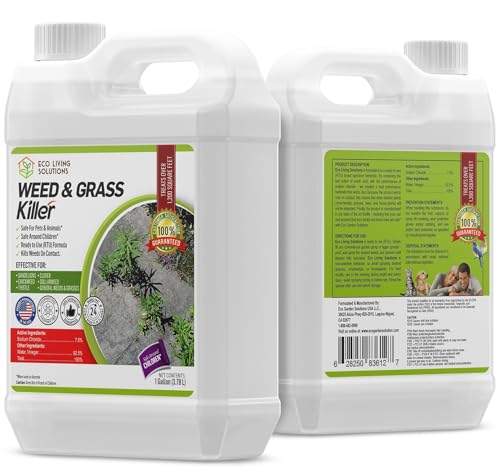
✔️ PET & KID SAFE HERBICIDE - Eco Garden Pro Weed Killer is designed with you and your family in mind! All of our ingredients are carefully selected to be SAFE FOR: PETS, CHILDREN, BEES, FISH, AND ANY LIVESTOCK!

✅ All Natural and Safe Product- Safe for your family, safe for your pets.
Vinegar and Salt Solutions
Vinegar contains acetic acid, which acts as a natural herbicide. Use a solution with at least 10% acetic acid for the best results. Combine one part vinegar with one part salt for an even stronger mix. Spray this solution directly on the leaves of weeds on a sunny day. The sun enhances its effectiveness, causing the weeds to dry out and wither. Be careful, though; this solution can harm any nearby plants you want to keep. Apply it selectively, targeting only the unwanted weeds.
Boiling Water as a Weed Killer
Boiling water serves as a simple and effective weed killer. Bring a pot of water to a rolling boil, then carefully pour it over the weeds. The high temperature destroys the plant cells, causing immediate damage. This method works best for small patches of weeds or in areas where you want to focus on a specific spot. Avoid pouring boiling water on desirable plants, as it can cause them harm too. It’s a quick fix that requires no chemicals, making it perfect for a natural gardening approach.
Maintaining a Healthy Garden
Keeping your garden healthy fosters an environment that naturally deters weeds. Focus on soil health and companion planting strategies to enhance garden vitality.
Recommended Products

Quick, at home results for Soil pH, Nitrogen, Phosphorous and Potash Innovative and inexpensive soil test kit features an easy-to-use capsule system and patented color comparators

KNOW BEFORE YOU GROW | Grow the healthiest, sustainable lawn and garden with the most accurate and easy to use professional soil test kit on the market

Accurate Soil pH Testing: Dewildetradingco Soil pH Test Strips offer measurements of soil pH levels (pH 3.5-9). As an essential tool for every gardener and grower, these test strips help determine the optimal pH for various plants, such as outdoor plants, indoor plants, gardens, grass lawns, fruit trees, flowers, vegetables, and forest shrubs.
Soil Health and Fertility
Soil plays a vital role in plant health and weed suppression. Healthy soil is rich in organic matter, nutrients, and beneficial microorganisms. Here are some steps to improve your soil:
- Test Your Soil: Use a soil test kit to assess nutrient levels and pH. Adjust accordingly based on the results.
- Add Organic Matter: Incorporate compost, well-rotted manure, or worm castings to enrich soil. Aim for at least 2-3 inches spread evenly across the garden bed.
- Mulch Regularly: Apply organic mulch, such as wood chips or straw, to suppress weeds while enriching soil as it decomposes. Maintain a thickness of 2-4 inches.
- Practice Crop Rotation: Alternate plant families each season to maintain soil health. This approach prevents nutrient depletion and reduces weed growth.
Healthy soil nurtures your plants while making it harder for weeds to thrive.
Companion Planting Strategies
Companion planting involves growing certain plants together to enhance growth and deter pests and weeds. Use the following strategies:
- Choose Compatible Plants: Pair weeds-suppressing plants with your garden favorites. For example, plant marigolds alongside vegetables to repel pests.
- Utilize Ground Covers: Incorporate low-growing plants like clover or creeping thyme. These cover crops block sunlight, preventing weed growth while enriching the soil.
- Diverse Planting: Grow a variety of plants in your garden. Diversity reduces weed establishment by filling available space with desired plants.
- Spacing Matters: Arrange plants closer together to create shade and limit the sunlight reaching weeds. Dense planting minimizes weed opportunities.
By implementing these companion planting strategies, you create a thriving ecosystem that limits weed competition naturally.
Conclusion
Keeping weeds out of your garden naturally is definitely achievable with a little effort and the right strategies. By understanding the types of weeds you’re dealing with and implementing methods like mulching and using ground covers, you can create a thriving garden that looks great and supports your plants.
Don’t forget the power of organic solutions like vinegar or boiling water for quick fixes. Remember that a healthy garden is your best defense against weeds. Focus on improving your soil and practicing companion planting to create a balanced ecosystem.
With these tips in mind you’ll be well on your way to enjoying a weed-free garden that flourishes naturally. Happy gardening!
Frequently Asked Questions
What are common types of weeds found in gardens?
Common garden weeds include dandelions, crabgrass, thistles, and purslane. Each of these grows vigorously and competes for essential resources like sunlight and nutrients, making them a challenge for gardeners.
How do weeds affect garden health?
Weeds can significantly harm garden health by competing for nutrients and water, creating drought-like conditions. They may also harbor pests and diseases that threaten the well-being of your plants.
How can I prevent weeds naturally?
Natural weed prevention methods include mulching with organic materials like straw or wood chips, applying a thickness of 2-4 inches. Ground covers like clover or creeping thyme are also effective for suppressing weed growth.
What organic solutions can I use to control weeds?
Organic solutions for weed control include vinegar and salt mixtures, where vinegar acts as a natural herbicide. Boiling water can also be poured directly onto weeds to destroy them without chemicals.
How can I improve soil health to deter weeds?
Improving soil health involves testing your soil, adding organic matter, mulching regularly, and practicing crop rotation. Healthy soil nurtures plants and makes it harder for weeds to thrive.
What is companion planting?
Companion planting is a strategy that involves pairing compatible plants to create a diverse ecosystem. This method can help limit weed competition and promote a healthier garden environment.

My interest in trees started when I first saw the giant sequoias in Yosemite.
I was a teenager then, and I remember thinking, “I need to learn more about this.”
That moment stuck with me.
A few years later, I went on to study forestry at Michigan Tech.
Since graduating, I’ve worked in a mix of hands-on tree care and community education.
I’ve spent over ten years helping people understand how to plant, maintain, and protect the trees in their neighborhoods.
I don’t see trees as just part of the landscape.
They are living things that make a real difference in our daily lives.