Have you ever planted a garden only to watch your plants struggle for space? It’s a common issue many gardeners face, and getting the spacing right can make all the difference between a thriving garden and a crowded mess.
Key Takeaways
- Importance of Proper Spacing: Adequate spacing ensures plants receive enough resources, promoting health and maximizing yields while reducing disease risks.
- Spacing Guidelines: Different plants require specific spacing, e.g., tomatoes need 24-36 inches apart, while cucumbers require 36-42 inches.
- Factors to Consider: Plant size, growth habits, sunlight needs, soil quality, and water requirements all influence how far apart to plant each type of vegetation.
- Companion Planting Benefits: Combining specific plants can enhance pest control, improve soil quality, optimize space, and boost pollination, leading to healthier gardens.
- Adjusting for Conditions: Modify plant spacing based on soil type and climate; use closer spacing in sandy soil and more spacing in clay, while considering temperature and sunlight exposure.
- Overall Strategy: Following these guidelines and considerations helps create a productive garden layout, fostering optimal growth and a successful harvest.
Understanding Plant Spacing
Proper plant spacing plays a vital role in the health and success of your garden. It prevents overcrowding and promotes better air circulation, light exposure, and nutrient access for each plant.
Importance of Proper Spacing
Proper spacing ensures plants thrive. Plants require specific room to grow without competition for resources. For example, tomato plants need about 24 to 36 inches apart to produce maximum fruit. Spacing allows for adequate airflow, reducing disease risk. Healthy plants yield better crops, so spacing directly impacts your harvest.
Factors Influencing Spacing
Several factors influence how far apart to plant your garden:
- Plant Size: Larger plants require more space. For instance, sunflowers need about 18 to 24 inches between each plant.
- Growth Habit: Bushy plants like zucchini spread out. Aim for 36 to 48 inches between them to allow ample room.
- Sunlight Needs: Plants needing full sun should have sufficient distance to avoid shading each other. Place taller plants on the north side of shorter plants.
- Soil Quality: Poor soil requires more space as plants compete intensely for nutrients. Amending soil can reduce this issue.
- Water Requirements: If plants have different water needs, spacing helps manage moisture levels. Group plants with similar water needs closer together.
Considering these factors helps you create a productive and healthy garden layout.
General Guidelines for Garden Planting
Plant spacing is vital for a thriving garden. By understanding recommended distances for various plants, you can maximize growth and yields.
Recommended Products

【Perfect Size】These plant labels size:6x10cm (2.4x3.9 inch),suitable for most plant pots and plants,enough room to write,Package contains 100 Pcs Plant labels,Value for money

What You Will Get: 22 pcs acrylic plant labels in 22 designs are included in the package, each design has 1 pc, funny and cute design making it suitable for your garden
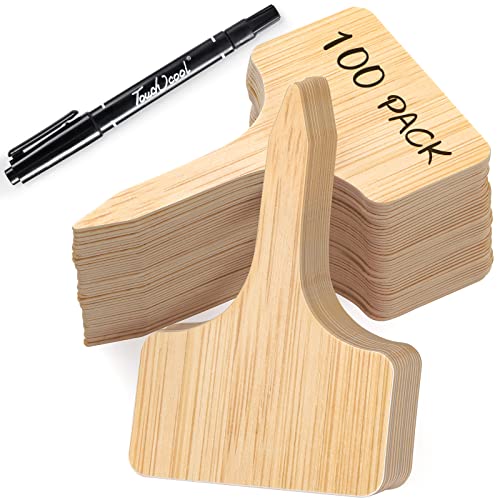
PACKAGE CONTAINS: This pack includes 100pcs labels, enough quantity to meet more plants in your garden, and more quantity has better cost performance.
Recommended Distances for Common Vegetables
- Tomatoes: Space plants 24 to 36 inches apart. This distance allows for adequate air circulation, reducing disease risk.
- Cucumbers: Allow 36 to 42 inches between each plant. More space enhances sunlight exposure and keeps plants healthy.
- Carrots: Plant seeds 2 to 4 inches apart. This spacing minimizes competition for nutrients.
- Lettuce: Space 10 to 12 inches apart. Closer spacing leads to crowding, which can affect growth.
- Peppers: Maintain 18 to 24 inches of space. This ensures they get enough light and air circulation for optimal growth.
- Marigolds: Plant 10 to 12 inches apart. This helps in pest control while promoting proper growth.
- Basil: Space 12 to 18 inches apart. More room allows for bushier plants and better airflow.
- Sunflowers: Allow 24 to 30 inches between plants. Their tall structure requires extra space to prevent shading.
- Zinnias: Keep 12 to 18 inches apart. This encourages healthy blooms and minimizes overcrowding.
Each plant needs room to grow and thrive. By following these guidelines, you enhance your garden’s health and productivity.
Companion Planting Strategies
Companion planting enhances the garden’s productivity and health while maximizing space efficiency. Choosing the right plant combinations prevents pests, attracts beneficial insects, and increases yields.
Benefits of Companion Planting
- Pest Control: Certain plants deter pests naturally. Marigolds repel nematodes and aphids, while basil helps keep flies and mosquitoes at bay.
- Pollination Enhancement: Flowers attract pollinators. Plants like borage and nasturtiums draw bees, ensuring better pollination for nearby vegetables.
- Soil Improvement: Legumes, such as beans and peas, fix nitrogen in the soil. This nutrient boosts growth for neighboring plants.
- Space Optimization: Growing tall plants alongside shorter ones maximizes sunlight exposure. Use sunflowers to provide shade for leafy greens.
- Flavor Enhancement: Some plants improve each other’s flavor. Plant basil near tomatoes for enhanced taste in your harvest.
Recommended Pairings and Their Spacing
Understanding which plants work well together helps create a thriving garden. Here are several recommended pairings along with their optimal spacing requirements.
| Plant Pairing | Spacing (inches) |
|---|---|
| Tomatoes and Basil | 24-36 for tomatoes, 12-18 for basil |
| Carrots and Onions | 2-4 for carrots, 4-6 for onions |
| Cucumbers and Nasturtiums | 36-42 for cucumbers, 12-18 for nasturtiums |
| Peppers and Marigolds | 18-24 for peppers, 10-12 for marigolds |
| Corn and Beans | 12-15 for corn, 6-8 for beans |
| Sunflowers and Zinnias | 24-30 for sunflowers, 12-18 for zinnias |
By applying these companion planting strategies, you create a harmonious environment for your plants, fostering growth and productivity while keeping pests at bay.
Adjusting Spacing for Different Conditions
Adjusting plant spacing based on specific conditions enhances garden health and productivity. Consider these factors to optimize your planting layout.
Considerations for Soil Type
Soil type significantly impacts plant growth and spacing. Sandy soils drain quickly, requiring closer spacing since plants may not compete for water. In contrast, clay soils retain moisture but can become compacted, leading to increased spacing. For instance, in sandy soil, you might space lettuce 6 to 8 inches apart, while in clay, increase that to 10 to 12 inches. Use a soil test to determine your garden’s composition and adjust spacing accordingly.
Adapting to Climate and Sunlight
Climate and sunlight levels affect how plants grow, necessitating adjustments in spacing. In cooler climates, plants like squash can be spaced closer together, around 24 inches apart, to maximize the growing season. In sunnier or hotter regions, increase spacing to 36 inches to prevent stress and competition for resources. Moreover, taller plants, such as sunflowers, need more space between them and shorter plants to ensure adequate light exposure. Keeping these climate factors in mind allows you to create an optimal garden plan tailored to your specific conditions.
Conclusion
Getting your plant spacing right can make all the difference in your garden’s success. By understanding the needs of each plant and considering factors like soil type and climate, you can create a thriving environment for your greens and blooms.
Don’t forget to explore companion planting to maximize your garden’s potential and keep pests in check. With a little planning and care, you’ll enjoy a bountiful harvest and a beautiful garden that flourishes all season long. Happy gardening!
Frequently Asked Questions
What is the importance of plant spacing in gardening?
Proper plant spacing is crucial for plant health and garden success. It prevents overcrowding, allowing better air circulation, light exposure, and nutrient access, all essential for optimal growth.
How far apart should tomatoes be planted?
Tomatoes should be spaced 24 to 36 inches apart to promote good fruit production and overall plant health.
What are some general spacing guidelines for common vegetables?
For common vegetables, tomatoes need 24-36 inches, cucumbers 36-42 inches, peppers 18-24 inches, and carrots 2-4 inches apart. Adjust these based on the specific conditions of your garden.
What is companion planting?
Companion planting involves growing different plants together to enhance growth and productivity. It can lead to benefits like natural pest control, improved pollination, and better soil quality.
Can soil type affect plant spacing?
Yes, soil type significantly impacts plant growth. For example, use closer spacing in sandy soils and wider spacing in clay soils to ensure adequate growth and access to nutrients.
How should spacing be adjusted for climate and sunlight?
Spacing should be adjusted based on your climate. In cooler climates, some plants can be spaced closer, while in sunnier areas, wider spacing may be needed to reduce stress on the plants.

My interest in trees started when I first saw the giant sequoias in Yosemite.I was a teenager then, and I remember thinking, “I need to learn more about this.”That moment stuck with me.A few years later, I went on to study forestry at Michigan Tech.
Since graduating, I’ve worked in a mix of hands-on tree care and community education.I’ve spent over ten years helping people understand how to plant, maintain, and protect the trees in their neighborhoods.I don’t see trees as just part of the landscape.They are living things that make a real difference in our daily lives.