Are you excited to start your own raised garden bed but unsure how deep to make it? You’re not alone! Many gardeners face this dilemma, and getting the depth right can make all the difference in your plants’ success.
Key Takeaways
- Understand Soil Type: Different soil types (sandy, clay, loamy) require varying raised bed depths to support optimal plant growth and nutrient availability.
- Match Bed Depth with Plant Needs: Shallow-rooted plants thrive in beds 6-12 inches deep, while deep-rooted varieties need at least 12-24 inches for healthy growth.
- Consider Drainage: Adequate depth improves drainage; deeper beds help prevent root rot in wet conditions, while shallower beds retain moisture better in dry climates.
- Recommended Depths: Use shallow beds for crops like lettuce and herbs, medium beds for tomatoes and peppers, and deep beds for carrots and potatoes to enhance root health.
- Avoid Common Mistakes: Ensure your raised beds are deep enough and prioritize adequate drainage to promote strong root systems and prevent moisture-related issues.
- Optimize for Local Conditions: Tailor your raised bed depth based on local climate conditions and plant varieties to achieve the best gardening outcomes.
Factors to Consider When Building Raised Garden Beds
Building raised garden beds requires careful consideration of various factors. The right depth not only supports healthy plant growth but also enhances soil management.
Recommended Products

Eco-Friendly Recycled Smart Gravel: Made in the USA from 100% recycled plastics to help reduce environmental waste and plastic pollution

Ready-to-Use Formula: No mixing or extra steps required. Simply pour and plant - perfect for gardeners of all experience levels.

Soil Type
Soil type plays a crucial role in determining bed depth. Sandy soils drain quickly but lack nutrients, so deeper beds are beneficial. Clay soils retain moisture but can become compacted, making shallower beds more suitable. Loamy soils provide a balance, allowing for moderate depth—typically 12 to 18 inches. Analyze your soil type before choosing a depth; it can directly affect plant health.
Plants You Want to Grow
Different plants have varying root depth requirements. Shallow-rooted plants like lettuce and spinach thrive in beds 6 to 12 inches deep. Conversely, deep-rooted plants like tomatoes and cucumbers benefit from beds at least 12 to 24 inches deep. Match your bed depth to the plants’ needs to promote healthy growth and yield. Personal preference also influences plant choice; choose vegetables that suit your culinary interests.
Drainage Needs
Proper drainage is vital for successful gardening. Raised beds typically improve drainage, but depth affects it. If your area has heavy rainfall, opt for deeper beds to avoid root rot. For regions with dry climates, shallower beds allow for better moisture retention. Incorporate drainage solutions like gravel or perforated pipe at the bottom to ensure excess water escapes while keeping soil in place. Adjust your bed depth based on your local climate and drainage conditions.
Recommended Depths for Raised Garden Beds
Choosing the right depth for your raised garden bed directly impacts plant health and yield. Here’s a breakdown of recommended depths based on specific needs.
Recommended Products


Optimized for Raised Beds: True Organic Raised Bed Food is specially designed to support abundant growth of herbs, flowers, vegetables, and fruits in raised beds and large containers.
Shallow Beds (6-12 Inches)
Shallow beds, ranging from 6 to 12 inches, suit shallow-rooted plants. Ideal crops include:
- Lettuce
- Radishes
- Herbs
These plants thrive in less soil and don’t require extensive root systems. If you’re in an area with good drainage, shallow beds encourage quick growth and easier maintenance. Outstanding soil quality is essential for maximum output.
Medium Depth Beds (12-18 Inches)
Medium-depth beds, measuring 12 to 18 inches, cater to a wider range of plants. This depth supports:
- Tomatoes
- Peppers
- Beans
Such plants typically have moderate root systems, benefiting from more soil for stability and nutrients. If your garden features a mix of shallow and mid-depth plants, this is a versatile choice. You’ll enjoy a balanced growing environment with improved water retention.
Deep Beds (18 Inches and Above)
Deep beds, over 18 inches, accommodate deep-rooted plants. They’re perfect for:
- Carrots
- Potatoes
- Squash
These plants require ample room for root expansion. Deep beds help with nutrient stability and moisture retention, especially in areas with less rainfall. This setup also reduces the risk of compacted soil, promoting healthier root development.
Making a thoughtful choice regarding the depth of your raised garden bed ensures robust plant growth tailored to your gardening goals.
Benefits of Proper Bed Depth
Choosing the right depth for your raised garden bed offers significant advantages for plant health and productivity.
Recommended Products

Extra Deep Design: Featuring a 24-inch depth, this metal planter provides double the soil capacity compared to 12-inch deep pots. It is an ideal choice for growing romaine lettuce, cucumbers, and strawberries

Extra Deep Design: Featuring a 24-inch depth, this metal planter provides double the soil capacity compared to 12-inch deep pots. It is an ideal choice for growing romaine lettuce, cucumbers, and strawberries
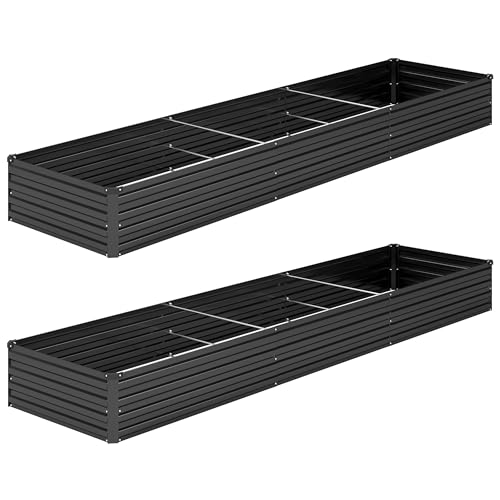
Size: 144"(L) x 24"(W) x 12"(H),Planter raised bed provide outdoor sufficient space to grow vegetables,flowers,galvanized garden bed
Enhanced Root Growth
Proper bed depth supports healthy root systems. Roots have ample space to spread and access nutrients and water. For shallow-rooted plants, a depth of 6 to 12 inches suffices to promote growth effectively. In contrast, deep-rooted plants thrive in beds that are 12 to 24 inches deep. Examples of deep-rooted plants include carrots, potatoes, and squash. Providing the necessary depth allows these plants to develop strong roots, leading to healthier and more productive growth.
Improved Drainage
Proper bed depth directly impacts drainage. Adequate depth allows for better water flow, preventing soil from becoming waterlogged. Raised beds generally drain more efficiently than in-ground beds due to their elevation. A depth of 12 inches or more works well in areas prone to heavy rainfall, as it facilitates quicker water movement through the soil. This setup helps maintain optimal moisture levels, reducing the risk of root rot and other moisture-related issues. Ideal drainage ensures that your plants receive just the right amount of water for robust growth.
Common Mistakes to Avoid
Avoid common pitfalls when building raised garden beds, as they can impact plant health and success. Focus on these key areas to ensure optimal growth.
Inadequate Depth
Ensure raised garden beds have sufficient depth. Shallow beds often limit root growth, leading to stunted plants. Aim for at least 12 inches for medium-rooted plants, while deep-rooted varieties need 18 inches or more. For example, carrots thrive with ample space, so a bed of at least 18 inches helps them grow robustly. Consider your chosen plants and adjust your bed’s depth accordingly.
Overlooking Drainage
Pay attention to drainage when constructing your raised garden bed. Poor drainage causes waterlogging, which can harm root systems and lead to diseases like root rot. Incorporate drainage solutions, such as using gravel or creating sloped beds, to enhance water flow. If you live in a rainy area, building your beds at least 12 inches deep allows for better drainage and moisture control, ensuring a healthier growing environment for your plants.
Conclusion
Choosing the right depth for your raised garden bed is essential for nurturing healthy plants. By considering factors like soil type and the specific needs of your plants you can create an environment that promotes growth and vitality.
Whether you opt for shallow beds for herbs or deeper ones for root vegetables it’s all about giving your plants the space they need to thrive. Remember to keep drainage in mind to avoid any potential issues down the road.
With a little planning and care you’ll be well on your way to a flourishing garden that brings you joy and delicious produce. Happy gardening!
Frequently Asked Questions
How deep should a raised garden bed be for shallow-rooted plants?
A raised garden bed for shallow-rooted plants, like lettuce and radishes, should ideally be 6 to 12 inches deep. This depth allows for good drainage and promotes quick growth in well-drained soil.
What is the recommended depth for medium-rooted plants?
For medium-rooted plants, such as tomatoes and peppers, a bed depth of 12 to 18 inches is recommended. This depth provides stability and helps retain moisture while allowing for adequate root growth.
How deep do raised garden beds need to be for deep-rooted plants?
Deep-rooted plants, like carrots and potatoes, thrive in raised garden beds that are 18 inches or more in depth. This allows ample room for root expansion and helps reduce soil compaction.
Why is proper drainage important for raised garden beds?
Proper drainage is crucial for preventing waterlogging and root rot. Depth adjustments based on local climate conditions can enhance drainage and maintain optimal moisture levels in the soil.
What common mistakes should I avoid when building a raised garden bed?
Avoid inadequate depth and poor drainage. Ensure your bed has at least 12 inches for medium-rooted plants and consider using gravel or sloped beds to improve drainage, especially in rainy areas.

My interest in trees started when I first saw the giant sequoias in Yosemite.I was a teenager then, and I remember thinking, “I need to learn more about this.”That moment stuck with me.A few years later, I went on to study forestry at Michigan Tech.
Since graduating, I’ve worked in a mix of hands-on tree care and community education.I’ve spent over ten years helping people understand how to plant, maintain, and protect the trees in their neighborhoods.I don’t see trees as just part of the landscape.They are living things that make a real difference in our daily lives.