Have you ever wandered through your garden and spotted a cute little rabbit nibbling on your herbs? If you have, you’re not alone. Many gardeners face the challenge of keeping these fluffy visitors from munching on their favorite plants. Understanding what rabbits eat can help you protect your garden while still enjoying its beauty.
This article will explore whether rabbits really do eat herbs and which ones they prefer. You’ll learn about the herbs that can attract these furry friends and tips on how to keep them at bay. By the end, you’ll have a better grasp of how to maintain a thriving herb garden without sharing it with your local rabbit population.
Key Takeaways
- Rabbits’ Diet: Rabbits primarily consume high-fiber foods, including hay, fresh vegetables, and pellets, making fiber essential for their digestive health.
- Herbs they Love: Common herbs that attract rabbits include basil, cilantro, dill, mint, and thyme due to their strong scents and flavors.
- Safe vs. Harmful Herbs: While some herbs, such as basil and mint, are safe and appealing to rabbits, others like sage and foxglove can be harmful and should be kept out of reach.
- Foraging Behavior: Rabbits typically nibble on tender leaves first, groom the area for roots, and sample various plants to assess their taste, making them strategic foragers in the garden.
- Impact on Gardens: Rabbits can both positively contribute to the garden’s ecosystem through natural pest control and fertilization, while also posing challenges by damaging prized herbs and necessitating preventative measures.
- Protecting Your Herbs: Understanding rabbit preferences and behaviors allows gardeners to choose plants wisely and implement deterrents to protect their herb gardens effectively.
Overview of Rabbits’ Diet
Rabbits primarily eat a herbivorous diet. Their main food source consists of high-fiber ingredients, which are crucial for their digestive health. Domestic rabbits eat hay, fresh vegetables, and pellets. An appropriate mix of these foods ensures they receive essential nutrients.
Common Food Sources for Rabbits
- Hay
Hay serves as a staple for rabbits’ diets. Types of hay include timothy, oat, and orchard grass. It provides necessary fiber, aiding digestion. - Vegetables
Fresh vegetables contribute vitamins and minerals. Safe options include leafy greens, such as romaine lettuce, kale, and parsley. Limit starchy vegetables like carrots to occasional treats. - Pellets
Pellets designed for rabbits contain concentrated nutrients. Choose high-fiber varieties to support digestive health.
Herbs That Attract Rabbits
Rabbits enjoy a variety of herbs. Popular choices include:
- Basil
- Cilantro
- Dill
- Mint
- Thyme
These herbs not only attract rabbits but also add flavor to your garden. Their strong scents appeal to rabbits, making them tempting targets.
Nutritional Needs
Rabbits require specific nutrients in their diet:
- Fiber supports healthy digestion and prevents gastrointestinal issues.
- Protein aids muscle development and energy levels.
- Vitamins such as A, C, and K are vital for overall health.
Your herb garden can play a role in meeting some of these nutritional needs. By knowing what rabbits eat, you can prevent them from munching on your herbs.
Common Herbs in the Garden
Rabbits often find the scents of herbs irresistible. Knowing which herbs thrive in your garden helps you understand what attracts these furry garden visitors.
Recommended Products
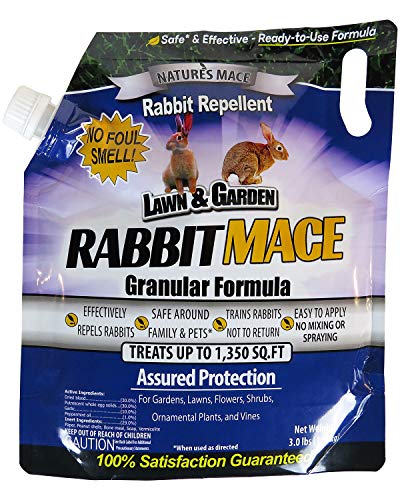
YEAR-ROUND PROTECTION: Our rabbit deterrence works across spring, summer, fall, and winter. With its scent and odor technology, it repels rabbits from gardens, flowers, shrubs, and landscaped areas, creating a lasting barrier against unwanted visitors.

Long Lasting Effective - Our garden rabbit repellent is made of concentrated and sustainable essential oils,mainly ultra powerful garlic oil,emits multiple strong scent, causes strong irritation to rabbit,making them panic to naturally avoid your garden. The deer repellent devices prevent wild deer from eating vegetables, plants and flowers, protects your fruits, and can also protect horticultural crops including root vegetables, broccoli and cauliflower from rabbits.

SPECIFICALLY TARGETS RABBITS: This repellent was formulated for one specific purpose to protect plants from rabbit damage. It contains concentrated botanical oils from plants they naturally avoid eating creating a spray that tastes and smells terrible to rabbits
Safe Herbs for Rabbits
Certain herbs are safe for rabbits and can even complement their diet. Consider adding the following to your garden:
- Basil: This fragrant herb attracts many rabbits and enhances your culinary dishes.
- Cilantro: Rabbits love this herb, making it a delightful addition to both your meals and their palate.
- Dill: The strong aroma of dill enchants rabbits and makes your garden more appealing.
- Mint: Rabbits are drawn to the fresh scent of mint, which also adds flavor to beverages and foods.
- Thyme: This herb provides both culinary uses and a sensory garden experience for rabbits.
These herbs thrive well in various garden conditions, and they can contribute positively to a rabbit’s diet.
Herbs to Avoid
Certain herbs can be harmful to rabbits. It’s crucial to keep these out of reach to protect their health. Avoid planting or placing the following herbs in areas accessible to rabbits:
- Sage: Contains oils that can upset a rabbit’s digestive system.
- Foxglove: Highly toxic, it can cause severe health issues or be fatal.
- Lavender: While many enjoy its scent, it can be irritating for rabbits in large amounts.
- Oregano: Though safe in small quantities, excessive consumption can lead to digestive distress.
By selecting safe herbs and steering clear of harmful ones, you can create a garden that flourishes while keeping your rabbits healthy.
Behavior of Rabbits Around Herbs
Rabbits exhibit specific behaviors when it comes to foraging in gardens, particularly around herbs. Understanding these behaviors can help you take proactive steps to protect your garden.
Recommended Products

REPELS DEER AND RABBITS: Deer and rabbits don’t have to eat vegetation for the repellent to be effective—they have a natural aversion to the scent

REPELS DEER AND RABBITS: Deer and rabbits don’t have to eat vegetation for the repellent to be effective—they have a natural aversion to the scent.

Methods of Foraging
Rabbits use various methods to forage for food. They:
- Groom the Area: Rabbits often dig and scratch at the soil to access herbs’ roots and stems.
- Nibble at Leaves: They tend to eat the leaves first, often preferring tender and young foliage.
- Sample Different Plants: Rabbits will taste various herbs to determine their palatability, particularly if they’re new to the environment.
Recognizing these foraging methods allows you to monitor your garden and take preventive measures when necessary.
Preferences for Certain Herbs
Rabbits show distinct preferences for specific herbs due to their flavors and scents. These include:
- Mint: The strong aroma draws rabbits in, making it a favorite.
- Basil: Its fragrant leaves are irresistible, especially when fresh.
- Cilantro: The taste and smell encourage rabbits to chew on this herb frequently.
By knowing which herbs are appealing, you can strategically choose what to plant and how to protect your garden from hungry rabbits. Consider placing less attractive plants, such as marigolds or lavender, around your herbs to deter them.
Impact of Rabbits on Gardening
Rabbits can significantly influence your garden, especially when it comes to herbs. Understanding their impact helps you create protective strategies.
Recommended Products
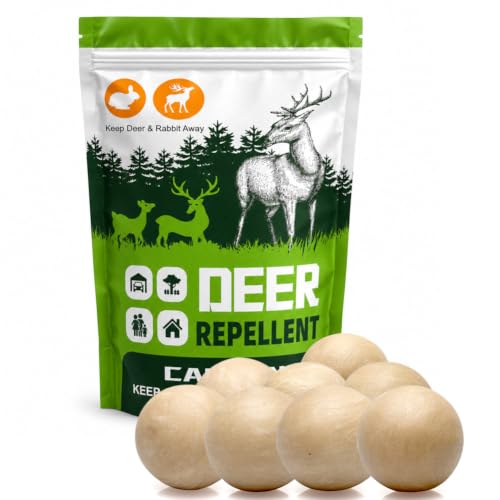
Deer & Rabbit Repellent – Formulated to help keep deer, rabbits, and bunnies away from gardens and yards, so the plants, flowers, and greenery you’ve worked hard to grow can stay better protected and your outdoor space can feel more enjoyable again.

PROFESSIONAL DEER REPELLENT - Our granular repellent is easy to apply and works for deer, rabbit, elk, and moose. It is best used for lower-level ground vegetation, i.e., flowers, crops, bushes, seedlings, ornamental plants, shrubs, garden beds, and plants under 2 feet tall. It uses ingredients that promote strong plant growth and recovery.

Effective Deer & Rabbit Repellent: Utilizes plant-based oils such as Peppermint, Lemongrass oil, Geraniol, Cedarwood oil to emit a strong peppermint scent that deer find unbearable, effectively keeping them away from your home without harming them
Benefits of Having Rabbits
- Natural Pest Control: Rabbits can help balance the ecosystem in your garden. They attract natural predators, such as hawks and foxes, which can keep other pests under control.
- Soil Aeration: As rabbits dig and burrow, they aerate the soil. This process improves drainage and encourages healthier plant growth.
- Fertilization: Rabbit droppings provide excellent fertilizer. Rich in nutrients, their waste promotes robust plant development and enhances soil quality.
- Biodiversity: Rabbits contribute to the diversity of your garden. Their presence supports the natural food chain, promoting a healthier environment.
- Herb Damage: Rabbits often target tender herbs. They nibble on favorites like basil, cilantro, and mint, which can lead to significant damage.
- Increased Foraging: When food sources are scarce, rabbits may forage more aggressively. This behavior can result in overgrazing in your garden.
- Limited Plant Variety: You might need to avoid certain herbs due to their attractiveness to rabbits. Certain varieties thrive well, while others may struggle or disappear.
- Prevention Costs: Implementing barriers or repellents can incur costs. Fencing, netting, or natural deterrents often require time and financial investment.
- Time and Attention: Protecting your herbs takes time. Regular monitoring of your garden for rabbit activity ensures that you can act quickly to prevent damage.
By understanding these benefits and challenges, you gain more insight into managing your garden while accommodating the presence of rabbits.
Conclusion
Rabbits can be both a challenge and a delight in your garden. Understanding their preferences for certain herbs helps you protect your plants while also appreciating the role they play in your garden ecosystem. By implementing some simple strategies to deter them, you can enjoy a thriving herb garden.
Remember to choose your herbs wisely and consider planting those that are less appealing to rabbits. With a little care and attention, you can create a beautiful space that satisfies both your gardening ambitions and the curious nature of these furry friends. Happy gardening!
Frequently Asked Questions
What herbs attract rabbits the most?
Rabbits are particularly attracted to herbs with strong scents and flavors. Commonly appealing herbs include basil, cilantro, dill, mint, and thyme. Their aromatic nature makes these herbs irresistible to rabbits, drawing them into gardens and potentially causing damage.
How can I protect my herbs from rabbits?
To keep rabbits away from your herbs, consider using physical barriers like fencing or row covers. Additionally, you can use repellents, plant herbs that rabbits dislike, or create a habitat that encourages natural predators. Regularly checking your garden for signs of rabbit activity also helps.
Are there any herbs that are harmful to rabbits?
Yes, some herbs can negatively impact rabbit health. Harmful herbs include sage, foxglove, lavender, and oregano. It’s essential to avoid planting these in your garden to ensure the safety of visiting rabbits.
What do rabbits eat besides herbs?
Rabbits primarily eat hay, fresh vegetables, and high-fiber pellets. Hay is a staple in their diet, providing essential nutrients. Safe vegetables to offer include leafy greens and root vegetables, but herbs remain a favorite.
Why do rabbits nibble on my garden?
Rabbits nibble on gardens due to their herbivorous diet and preference for fresh, aromatic plants. Herbs’ strong scents, especially from basil, mint, and cilantro, attract them as they forage for food. Understanding their behavior helps gardeners take preventive measures.

My interest in trees started when I first saw the giant sequoias in Yosemite.I was a teenager then, and I remember thinking, “I need to learn more about this.”That moment stuck with me.A few years later, I went on to study forestry at Michigan Tech.
Since graduating, I’ve worked in a mix of hands-on tree care and community education.I’ve spent over ten years helping people understand how to plant, maintain, and protect the trees in their neighborhoods.I don’t see trees as just part of the landscape.They are living things that make a real difference in our daily lives.