Ever wondered what makes your garden thrive? The secret often lies in the soil beneath your feet. If you’ve ever struggled with poor plant growth or wondered why some gardens flourish while others falter, understanding how garden soil is made can make all the difference.
Key Takeaways
- Understanding the Components: Garden soil consists of minerals, organic matter, water, and air, each playing a vital role in plant health and growth.
- Quality Matters: Investing in quality soil ensures better water retention, nutrient availability, and support for beneficial microorganisms, leading to healthy plants and higher yields.
- Correct Material Selection: Choosing the right materials, such as topsoil, compost, peat moss, sand, and perlite, is essential for creating effective garden soil.
- Proper Mixing Techniques: Achieving a uniform mixture of the selected ingredients is crucial for optimal soil texture and nutrient balance, promoting robust plant growth.
- Nutrient Enrichment: Incorporating organic matter and essential minerals like nitrogen, phosphorus, and potassium enhances soil quality and supports vigorous plant development.
- Soil Testing: Regular testing of soil pH and nutrient content helps in adjusting soil conditions and maintaining balanced fertility, ensuring a thriving garden.
Understanding Garden Soil
Understanding how garden soil is made plays a vital role in creating a healthy environment for plants. The right composition ensures optimal growth and resilience.
Importance of Quality Soil
Quality soil supports vital processes such as water retention, nutrient availability, and root development. Healthy soil promotes beneficial microorganisms that aid in decomposing organic matter. Using quality soil enhances the overall health of plants, leading to higher yields and vibrant blooms. Poor soil can stunt growth, invite pests, and cause various plant diseases. For instance, investing in good garden soil upfront yields long-term benefits for your garden.
Components of Garden Soil
Garden soil consists of several key components that contribute to its effectiveness.
- Minerals: Minerals, primarily sand, silt, and clay, form the soil’s structure. Each mineral impacts drainage and nutrient retention.
- Organic Matter: Organic matter, such as decomposed leaves and compost, significantly enriches soil nutrient levels. It improves soil texture and microbial activity.
- Water: Water acts as a crucial component that dissolves nutrients and facilitates their absorption by plant roots. Well-drained soils prevent waterlogging while retaining enough moisture.
- Air: Air pockets in soil deliver essential oxygen to roots and microorganisms. Aeration improves soil structure and encourages root expansion.
Balancing these components creates an ideal growing medium for plants. Understanding these elements ensures you can make informed choices when preparing or enhancing your garden soil.
The Process of Making Garden Soil
Creating quality garden soil involves several key steps, from selecting the right materials to mixing the ingredients effectively.
Recommended Products
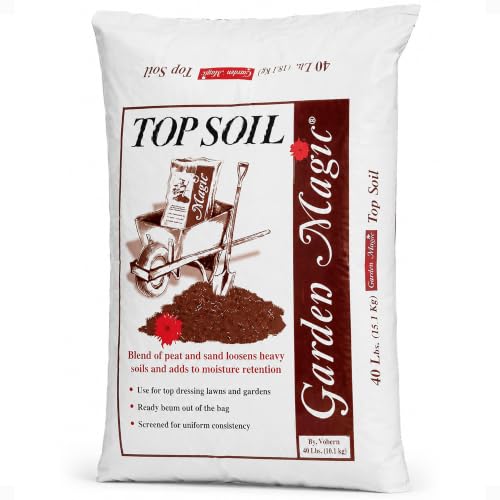
Ready-to-Use for All Planting Needs: This general-purpose potting soil is ready to use out of the bag, perfect for both indoor and outdoor planting without any extra prep
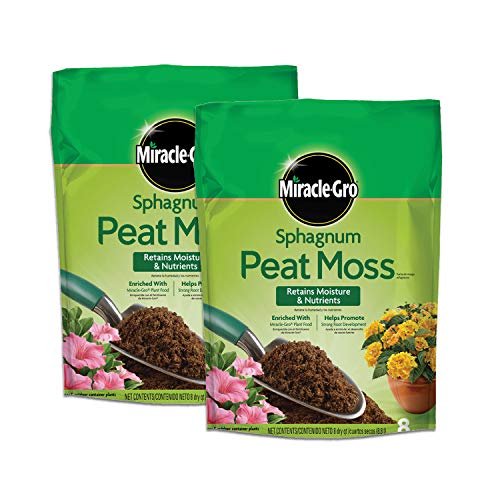
MOISTURE RETENTION: Miracle-Gro Sphagnum Peat Moss for plants retains moisture and nutrients, and helps promote strong root development

Concentrated Potting Mix Replaces Heavy Peat Moss Bags: One 11 lb. (5 kg) compressed coconut coir block expands to approximately 79 quarts or 2.65 cubic feet of high-yield growing medium—delivering a compact, lightweight alternative to bulky soil and peat moss bales
Selecting the Right Materials
Choose materials based on the specific needs of your garden. Common components include:
- Topsoil: Provides the primary base for your garden soil. Look for dark, crumbly soil free of debris.
- Compost: Adds essential nutrients and improves soil structure. Use well-decomposed kitchen scraps or yard waste.
- Peat Moss: Increases moisture retention and aeration. Opt for sphagnum moss for best results.
- Sand: Enhances drainage, especially in clay-heavy soils. Coarse sand works best.
- Perlite or Vermiculite: Improves aeration and reduces compaction. These materials are lightweight and help maintain soil structure.
Ensure you source quality materials to promote healthy plant growth.
Mixing Ingredients
Mixing your selected materials is crucial for creating effective garden soil. Follow these steps:
- Layer: Begin with a layer of topsoil at the bottom. This serves as the foundation.
- Add Compost: Mix in compost at a ratio of about 1 part compost to 3 parts topsoil. This balance enriches your soil without overwhelming it.
- Incorporate Peat Moss: Add peat moss to retain moisture, aiming for about 1 part to every 4 parts of the topsoil and compost mixture.
- Stir in Sand: If drainage improvement is needed, incorporate sand. Use a ratio of 1 part sand for every 3-4 parts of the other ingredients.
- Mix Evenly: Use a shovel or garden fork to combine all ingredients thoroughly. Aim for a uniform texture without visible layers.
- Test Texture: Grab a handful of your mixture. It should feel crumbly and hold shape when squeezed, but break apart easily.
By selecting quality materials and mixing them with precision, you create a fertile environment for healthy plants.
Adding Nutrients to Garden Soil
Nourishing garden soil enhances its quality and supports healthy plant growth. Two key components to focus on are organic matter and essential minerals.
Recommended Products

Feed the soil not the plants - stimulate microbial activity in your soil and boost probability of success with all types of plants… like composting but faster

100% Organic & Peat-Free: Our compost mix is 100% organic & peat-free. Peat is one of Mother Nature’s most important stores of carbon. Instead of imported peat, the base of our soils is made from upcycled plant matter or wood fines from the United States!

NUTRIENT-RICH GROWTH: Premium cow manure compost packed with nitrogen, calcium, and iron. This organic compost fertilizer enriches soil, boosts microbial life, and supports bigger vegetables, greener lawns, and thriving flowers.
Organic Matter
Organic matter enriches garden soil by improving its structure, moisture retention, and nutrient availability. Examples of organic matter include compost, well-rotted manure, leaf mold, and shredded bark. These materials decompose over time, releasing nutrients that plants can absorb.
- Compost: Add finished compost to your soil to provide a balanced mix of nutrients and improve soil structure. Aim for 2-3 inches of compost worked into the top layer.
- Manure: Use aged manure from herbivorous animals for a nutrient boost. Apply it sparingly, around 1-2 inches, to avoid overwhelming plants with nitrogen.
- Leaf Mold: Incorporate leaf mold as it retains moisture and provides a habitat for beneficial microbes. Collect leaves in autumn, shred them, and let them decompose for at least a year.
- Shredded Bark: Mix in shredded bark for added organic matter and improved aeration. Use it as a mulch or work it into the soil at a depth of 1-2 inches.
Essential Minerals
Essential minerals in garden soil provide vital nutrients that support plant health. Common minerals include nitrogen, phosphorus, potassium, calcium, magnesium, and sulfur. Each plays a specific role in plant development.
- Nitrogen (N): Vital for leaf growth, nitrogen can be added through blood meal or fish emulsion. Use according to package instructions to avoid burning plants.
- Phosphorus (P): Enhances root development and flowering. Bone meal is an ideal source; apply it at a rate of 1-2 cups per 100 square feet.
- Potassium (K): Supports overall plant health and disease resistance. Adding wood ash can supply potassium; use sparingly, about 1 cup per 100 square feet.
- Calcium (Ca): Important for cell wall structure, calcium can be enriched with lime or gypsum. Test soil pH first, and apply as needed to raise pH levels.
- Magnesium (Mg): Essential for photosynthesis, magnesium can be added via Epsom salt. A tablespoon per gallon of water can be used as a foliar spray.
- Sulfur (S): Helps with protein synthesis and can be introduced through elemental sulfur or gypsum. Follow the recommended application rates based on your soil test results.
Incorporate these organic materials and essential minerals to foster a rich and nutrient-dense soil environment, ensuring that your plants thrive and your garden flourishes.
Testing Garden Soil Quality
Testing your garden soil quality ensures a healthy environment for plants. Conduct simple tests to assess pH levels and nutrient content, helping you understand the needs of your garden.
Recommended Products

Kindly NOTE: This soil tester can not be applied to test pH value of any other liquid. If the soil is too dry the indicator will not move, and water it before testing.

✅ 1Dial & 1 LCD Screen - Replace/install all 3 batteries each time. Put button to %RH/°F to - Turn On, and put to LIGHT to - Turn Off. Read the LCD results in 3-5 mins. (Not Water Moisture Meter, so, please don't test liquid)

Quick, at home results for Soil pH, Nitrogen, Phosphorous and Potash Innovative and inexpensive soil test kit features an easy-to-use capsule system and patented color comparators
pH Levels
Testing soil pH determines acidity or alkalinity, influencing nutrient availability. Use a soil pH test kit, available at garden centers, or send samples to a local extension service for analysis.
- Neutral pH: Aim for a neutral range of 6.0 to 7.5 for most plants.
- Acidic Soil: Below 6.0 may require lime to raise pH.
- Alkaline Soil: Above 7.5 may need sulfur or organic matter to lower pH.
Adjusting soil pH helps ensure plants absorb nutrients effectively, enhancing growth and productivity.
Nutrient Content Assessment
Assessing nutrient content reveals essential elements for plant health. Conduct a nutrient test using a home kit or professional service to measure key nutrients.
- Nitrogen: Supports leafy growth; consider adding compost or fish emulsion if low.
- Phosphorus: Encourages root development and flowering; use bone meal if deficient.
- Potassium: Aids in disease resistance and overall plant vigor; add greensand to boost levels.
Monitor these nutrients regularly to maintain balanced soil fertility. Improving nutrient content sets the foundation for a thriving garden.
Conclusion
Creating quality garden soil is a rewarding journey that pays off with vibrant plants and bountiful harvests. By understanding the right materials and techniques to mix them, you can build a foundation that supports healthy growth. Regular testing and adjustments ensure your soil remains balanced and nutrient-rich.
Embrace the process of nurturing your garden soil as it’s the heart of your gardening success. With a little effort and care, you’ll cultivate a thriving environment where your plants can flourish and bring joy to your gardening experience. Happy gardening!
Frequently Asked Questions
What is the importance of soil in gardening?
Soil quality directly affects plant growth by influencing water retention, nutrient availability, and root development. Good soil supports beneficial microorganisms that decompose organic matter, promoting a healthy garden environment.
How can I create quality garden soil?
Start by selecting the right materials, including topsoil, compost, peat moss, sand, and perlite or vermiculite. Mix these components in the right proportions, beginning with a layer of topsoil, followed by the other materials for even texture.
What are the key components of garden soil?
The essential components of garden soil are minerals, organic matter, water, and air. Each plays a critical role in creating an effective growing medium, impacting plant health and growth.
How can I enhance my garden soil?
Enhance soil by adding organic matter like compost and well-rotted manure, which improve structure and moisture retention. Incorporate essential minerals, such as nitrogen, phosphorus, and potassium, to boost nutrient content and support plant health.
Why is it important to test garden soil?
Testing garden soil helps assess pH levels and nutrient content, allowing you to understand its specific needs. Regular monitoring ensures balanced soil fertility, setting up your garden for successful growth and health.
What are the ideal pH levels for most plants?
Most plants thrive in a neutral pH range of 6.0 to 7.5. You can adjust acidic or alkaline soils using specific amendments to create the best growing conditions for your plants.

My interest in trees started when I first saw the giant sequoias in Yosemite.I was a teenager then, and I remember thinking, “I need to learn more about this.”That moment stuck with me.A few years later, I went on to study forestry at Michigan Tech.
Since graduating, I’ve worked in a mix of hands-on tree care and community education.I’ve spent over ten years helping people understand how to plant, maintain, and protect the trees in their neighborhoods.I don’t see trees as just part of the landscape.They are living things that make a real difference in our daily lives.