Have you ever wondered if those old garden seeds in your shed are still good to plant? You’re not alone. Many gardeners face the dilemma of whether to toss or keep seeds that have been sitting around for a while. Knowing how long seeds last can save you time and money while ensuring a bountiful garden.
Key Takeaways
- Understanding Seed Viability: Seed viability is the ability of seeds to germinate and is influenced by factors such as seed type and storage conditions.
- Storage Conditions Matter: Ideal seed storage temperatures range from 32°F to 41°F, and humidity levels should be kept below 50% for optimal longevity.
- Container Choices: Use airtight containers like glass jars or vacuum-sealed bags to protect seeds from moisture and pests, ensuring they remain viable.
- Identifying Seed Quality: Look for changes in color and texture, and conduct germination tests to assess whether seeds are still good to plant.
- Lifespan of Common Seeds: Different seeds have varying lifespans; for instance, tomatoes last 4-6 years, while bell peppers typically last 2-3 years.
- Tips for Extension: Utilize proper storage techniques, label containers, and review your seed inventory annually to maximize seed shelf life and gardening success.
Understanding Seed Viability
Seed viability refers to the ability of seeds to germinate and grow into healthy plants. Factors including storage conditions and seed type influence how long seeds remain viable.
Factors Affecting Seed Longevity
- Seed Type: Different seeds have varying lifespans. For example, some vegetable seeds like lettuce last for about 5 years, while others like onion might last only 1 year.
- Storage Conditions: Keeping seeds in a cool, dry place extends their lifespan. Ideal temperatures range from 32°F to 41°F. Humidity should stay below 50%.
- Packaging: Airtight containers protect seeds from moisture and pests. Use glass jars, vacuum-sealed bags, or original packaging when possible.
- Light Exposure: Seeds last longer when kept away from direct sunlight. Store them in opaque containers to prevent light degradation.
- Seed Health: High-quality, whole seeds are more viable than damaged or split seeds. Inspect seeds before storage to ensure they’re intact.
Common Garden Seed Lifespans
Here’s a quick reference for the lifespan of some common garden seeds:
| Seed Type | Viability (Years) |
|---|---|
| Tomatoes | 4-6 |
| Cucumbers | 5-6 |
| Bell Peppers | 2-3 |
| Carrots | 3-4 |
| Beans | 3-5 |
| Squash | 4-6 |
| Lettuce | 5-6 |
| Spinach | 2-3 |
| Peas | 3-5 |
| Herbs (e.g., Basil) | 2-3 |
Understanding seed viability helps you plan your gardening activities effectively. Check the seed lifespan of each variety you plan to plant, and store them properly for the best results.
Storage Conditions for Garden Seeds
Proper storage of garden seeds is vital for maximizing their lifespan and ensuring successful germination. Following specific storage guidelines helps maintain seed viability over time.
Recommended Products

[LARGER STORAGE SPACE] The package includes 1 big plastic storage box + 64 small containers+ 1 tweezers This box can meet the needs of daily variety of seed classification storage.

UNCOMPROMISING SEED SECURITY - Your precious seed collection deserves more than a plastic container. Our upgraded dual safety locks create a fortress against moisture, curious kids, and pests. The light-proof, coated metal walls maintain seed viability, so your heirloom tomatoes and rare peppers are always ready for the next season.
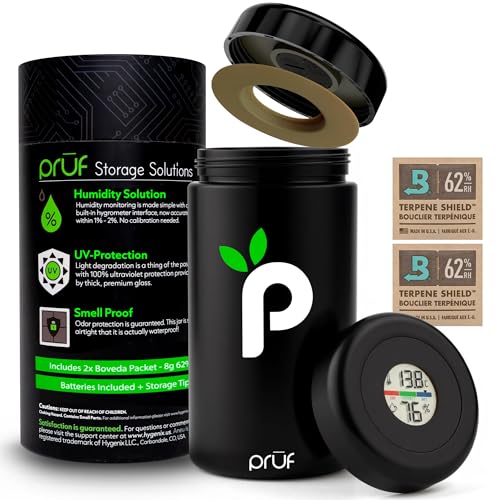
IDEAL FOR PREMIUM DRIED GOODS — Freshness is fragile. Light, oxygen, and fluctuating humidity quietly degrade dried herbs, coffee, spices, teas, and other aromatic goods long before their time. The Prūf Controlled Environment Jar helps create a stable internal climate so what you store tastes, smells, and performs exactly as it should.
Ideal Temperature and Humidity
Store seeds in a cool environment. The ideal temperature range is between 32°F and 41°F (0°C to 5°C). Keeping seeds in a refrigerator or a cool basement works well. Maintain low humidity levels, ideally between 20% and 30%. High humidity can cause seeds to mold or rot. Using a hygrometer can help monitor humidity levels. If you notice high humidity, consider using silica gel packets or desiccants in your storage container to absorb excess moisture.
Best Storage Containers
Choose airtight containers to keep seeds safe from moisture and pests. Glass jars, plastic containers with secure lids, or vacuum-sealed bags are excellent options. Label containers clearly with the seed type and the date of storage for easy identification. For bulkier seeds, like beans, use larger containers, while small seeds, such as spinach, can fit well in smaller jars. Avoid paper envelopes with no seal; they don’t provide adequate protection against moisture or pests. Check containers periodically for any signs of damage or moisture.
Signs That Seeds Are No Longer Good
Identifying when garden seeds lose their viability can save you time and resources. Keep an eye out for these key indicators.
Recommended Products

Function: The loose-fit lid creates a stable, humid environment that promotes fast germination.Easy to open, inspect, and reuse.Reusable seed germination tool

A Smarter Way to Germinate: This soil-free germination kit features a built-in water reservoir that maintains optimal humidity while keeping the seed surfaces clean and dry. It’s perfect for use on your countertop—neat, tidy, and space-saving.

12-LED GROW LIGHT PER TRAY — Each of the five seed starting trays features a full-spectrum grow light with 12 LED beads, providing supplemental light for indoor seedlings.
Color and Texture Changes
Observe the color and texture of seeds. Fresh seeds typically showcase vibrant colors and a firm texture. If seeds appear dull, discolored, or shriveled, their viability may be compromised. For example, tomato seeds should be plump and shiny, while older seeds may feel dry or brittle. Any signs of mold or excessive wrinkling often indicate a loss of quality.
Germination Tests
Conducting a germination test provides a reliable way to assess seed viability. To perform this test:
- Gather Materials: Collect a few seeds, a damp paper towel, and a sealable plastic bag or container.
- Prepare: Place the seeds on the damp paper towel, ensuring they’re spaced apart.
- Seal: Fold the towel and place it inside the plastic bag or container.
- Monitor: Store the setup in a warm, dark spot for 7 to 14 days, checking moisture levels regularly.
- Check Germination: After the time has elapsed, count how many seeds have sprouted.
If fewer than 50% of the seeds germinate, consider them no longer good for planting.
Tips for Extending Seed Shelf Life
You can enhance the longevity of your garden seeds through careful storage and management practices. Here are practical tips to help you maintain seed viability.
Recommended Products

High-Grade Glass: Made with premium BPA-free and lead-free food-grade glass, ensures long-lasting durability and offers a clear view of contents, preserving the freshness and integrity of stored food.

Versatile Food Storage: These glass mason jars are perfect for overnight oats, yogurt, chia, jams, pickles, sauces, puddings, smoothies, and snacks. The compact 16 fl oz volume capacity (not weight) is ideal for meal prep, portion control, and on-the-go use.

【Premium Quality】: Made of high-grade glass, our mason jars for overnight oats are lead and BPA-free and perfect for preserving the freshness and integrity of your stored food. Holding up to 16 oz of content, they are the best glass jars with lids for food storage.
Proper Storage Techniques
- Store in Cool, Dry Places: Keep seeds in temperatures between 32°F and 41°F (0°C to 5°C) to preserve their viability. Avoid areas with fluctuating temperatures.
- Use Airtight Containers: Utilize glass jars, vacuum-sealed bags, or other airtight containers. These ensure protection from moisture and pests.
- Label Containers Clearly: Write the seed type and date of storage on each container. This helps track seed age and manage planting schedules effectively.
- Practice FIFO Method: First In, First Out means using older seeds before newer ones. This habit ensures that older seeds are planted while they’re still viable.
- Review Seed Inventory Annually: Check your seed stock at least once a year. Discard any seeds that show signs of damage or are past their estimated viability.
- Keep a Planting Calendar: Note down planting dates for various seed types. This will help you remember which seeds to use first, preventing waste.
Implementing these tips can significantly extend the shelf life of your garden seeds, improving your gardening success.
Conclusion
Knowing how long your garden seeds are good for can make all the difference in your gardening success. By understanding seed viability and taking the right steps to store them properly you can ensure that your seeds remain healthy and ready for planting.
Regularly checking your seed inventory and using the FIFO method can help you keep track of what needs to be used first. Remember to perform germination tests when in doubt about your seeds’ viability. With a little care and attention you can enjoy a thriving garden year after year. Happy gardening!
Frequently Asked Questions
How long do garden seeds typically remain viable?
Seed viability varies by type; for example, lettuce seeds can last up to 5 years, while onion seeds may only last 1 year. Proper storage is key to maintaining seed life.
What are the best storage conditions for garden seeds?
Seeds should be stored in a cool, dry place with temperatures between 32°F and 41°F (0°C to 5°C) and humidity levels between 20% and 30%. Airtight containers are recommended to prevent moisture.
How can I tell if my old seeds are still good?
Check seeds for vibrant color and firm texture. Dull, discolored, or shriveled seeds may not be viable. A germination test can also help: place seeds on a damp paper towel and monitor sprouting over 7 to 14 days.
What is a germination test, and how do I perform one?
To conduct a germination test, place a few seeds on a damp paper towel, fold it, and seal it in a container. Keep it warm and check for sprouting after 7 to 14 days. If fewer than 50% sprout, consider the seeds non-viable.
How can I extend the shelf life of my garden seeds?
To extend seed shelf life, store them in cool, dry conditions, use airtight containers, label for easy identification, and practice FIFO (First In, First Out) to use older seeds first. Regular inventory checks help maintain viability.

My interest in trees started when I first saw the giant sequoias in Yosemite.I was a teenager then, and I remember thinking, “I need to learn more about this.”That moment stuck with me.A few years later, I went on to study forestry at Michigan Tech.
Since graduating, I’ve worked in a mix of hands-on tree care and community education.I’ve spent over ten years helping people understand how to plant, maintain, and protect the trees in their neighborhoods.I don’t see trees as just part of the landscape.They are living things that make a real difference in our daily lives.