Have you ever wondered how to create the perfect raised garden bed? You’re not alone. Many gardeners struggle with deciding the right size for their beds, which can impact everything from plant health to ease of maintenance.
Imagine spending time and effort building a raised bed only to find it’s too small for your favorite veggies or too large to manage comfortably. This article will guide you through the ideal dimensions for raised garden beds, helping you make the best choice for your space and gardening goals. By the end, you’ll feel confident in your ability to create a thriving garden that suits your needs.
Key Takeaways
- Determine the right size for raised garden beds based on available space to ensure healthy plant growth and ease of maintenance.
- Ideal width for raised beds is 3-4 feet for easy access, while lengths can vary based on your gardening goals, with up to 8 feet recommended for smaller yards.
- Recommended bed height should be between 12 to 24 inches, depending on the types of plants you are growing and your physical ability to maintain the garden.
- Properly sized beds improve accessibility, allowing gardeners to easily reach all plants without straining, which is crucial for effective weeding and harvesting.
- Avoid overly large or small beds to prevent overcrowding and ensure sufficient soil depth, which is vital for the growth of larger root systems.
- Planning for the specific needs of your plants, including spacing and height, can enhance plant health and promote a fruitful gardening experience.
Factors to Consider When Determining Size
Choosing the right size for your raised garden beds involves several important factors. These considerations ensure your garden thrives and remains manageable.
Recommended Products

SPACIOUS GROWING SPACE WITH EXTRA PLANTING DEPTH:Measuring 91.5" L × 47.3" W × 22.06" H, this galvanized raised garden bed holds approximately 412 gallons of soil, providing generous planting space and extra depth for vegetables, herbs, flowers and fruits. The spacious design allows roots to grow naturally while supporting tomatoes, peppers, cucumbers, broccoli, beans, lettuce, carrots, potatoes and other popular garden plants. Ideal for backyard gardening, raised vegetable gardens and outdoor planter box projects.
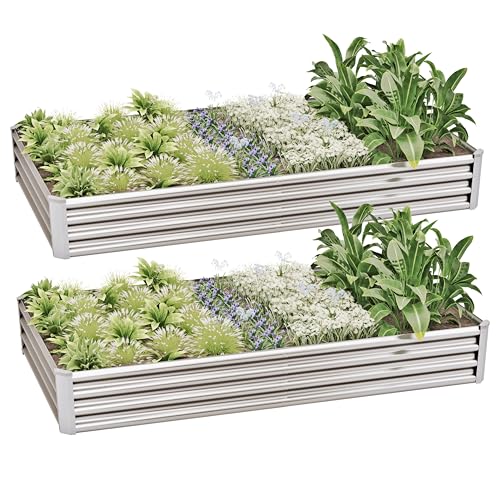
SIZE: kindder raised garden bed for gardening measure is 96"L x 48"W x 11.8"H. This planter box provide ample growing space to raise vegetables, flowers and plants.
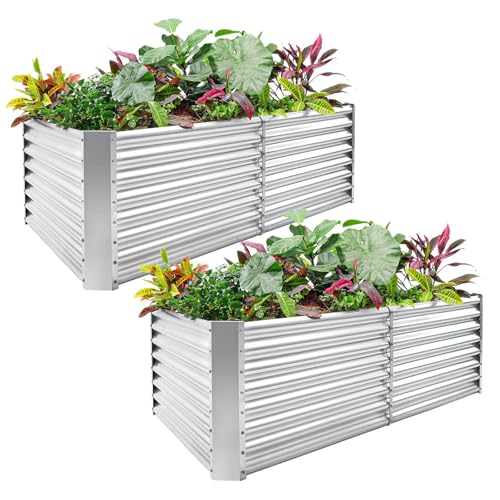
2 feet height: Compared with the ordinary 1-foot garden bed, this raised garden box has been improved in all aspects in terms of aesthetics, stable performance, and soil volume. It is time to replace the previous small planter box with a large raised planter box Now, it must be your better choice! ! !
Available Space
Assess your outdoor area before building raised garden beds. Measure the width and length of the space you plan to use. For smaller yards, consider beds that are 4 feet wide and up to 8 feet long. This size allows easy access without stepping on the soil, promoting healthy root growth. In larger areas, you might use multiple beds, allowing for diversity in planting.
Planting Goals
Define your gardening goals next. If you aim to grow vegetables, spacing varies based on the specific plants. For example, tomatoes require more room than lettuce. Plan your raised bed dimensions based on your desired crops. For intensive planting, a bed width of 3 feet maximizes space while providing sufficient room for plants to spread. Grow taller plants on the north side to avoid shading shorter ones, optimizing garden productivity.
Recommended Dimensions for Raised Garden Beds
Choosing the right dimensions for your raised garden beds ensures a successful gardening experience. Consider these recommendations for height, width, and length to optimize your gardening efforts.
Recommended Products

Pack of 2 Raised Garden Bed- Add a new level of convenience to your gardening experience with the Galvanized Raised Garden Bed. Enjoy expanded yield and a more assembled garden layout with this garden accessory, each sized at 48 Inches x 24 Inches x 12 Inches.

Raised Garden Bed - Add a new level of convenience to your gardening experience with the Galvanized Raised Garden Bed. Enjoy expanded yield and a more assembled garden layout with this garden accessory, each sized at 120 cm X 60 cm x 30 cm.

PERFECT FOR YOUR GARDEN: The raised garden beds outdoor is 4x4x1ft, with a round design that provides ample growth space for vegetables, herbs, flowers, fruits, and other plants in the backyard. The planters for outdoor plants not only decorates your garden but also allows you to enjoy the joy of harvest
Height Recommendations
Height influences plant growth and maintenance. Aim for a height of 12 to 24 inches. Beds at 12 inches suit smaller plants like lettuce, while taller beds accommodate larger root systems found in tomatoes or carrots. Beds over 24 inches facilitate easier access for gardeners with mobility issues but may require more soil. Ensure the height aligns with your gardening goals and physical abilities.
Width Recommendations
Width affects access and planting density. Limit the width to a maximum of 4 feet. This allows easy access from both sides, making planting and maintenance convenient. For intensive planting, a 3-foot width holds closely spaced plants, ideal for maximizing yields. In narrow spaces, consider a 2-foot width to ensure reachability without overextending. Adjust widths based on available space and plant selection, keeping your gardening needs in mind.
Benefits of Proper Size
Choosing the right size for raised garden beds provides several key advantages. These benefits significantly enhance your gardening experience and overall plant health.
Improved Accessibility
Properly sized raised garden beds allow you to reach plants without straining. Beds that are 4 feet wide ensure you can access the soil and plants from both sides. This configuration makes weeding and harvesting simpler. If you’re gardening in tight spaces, consider a 2-foot width. This width ensures you can still comfortably reach the center without stepping into the bed, minimizing soil compaction.
Enhanced Plant Growth
Optimal dimensions foster better plant health. Beds with a height of 12 to 24 inches encourage healthy root development. Deeper beds allow plants with larger root systems, like tomatoes and carrots, to thrive. Ensuring that your beds are large enough prevents overcrowding, essential for plant growth. For instance, spacing your lettuce properly in a 3-foot-wide bed permits sufficient air circulation and light exposure, promoting stronger plants and reducing disease risk.
Common Mistakes to Avoid
Creating raised garden beds involves several key decisions. Avoiding common mistakes helps ensure healthier plants and a more enjoyable gardening experience.
Recommended Products

Premium Rust-Proof Stainless Steel Material: Built with high-grade stainless steel material, these L-shaped corner brackets deliver exceptional sturdiness, high load-bearing capacity, and excellent resistance against bending, breaking, and deformation. Each bracket features a premium anti-rust surface coating that effectively resists corrosion, rain, snow, and extreme outdoor temperatures. The durable weatherproof construction ensures long-lasting performance year-round, maintaining stable structural support for your outdoor elevated flower beds and planting boxes in all harsh outdoor environments

OUTDOOR PLANTER BED: Raised garden bed planter for growing plants in outdoor areas where healthy ground soil is not viable or available

ULTIMATE PRACTICALITY: The planter box measures 96"(L) x 24"(W) x 12"(H), has a huge capacity, any plants and flowers you want to grow can be planted, happiness is overflowing.
Overly Large Beds
Building raised beds that are too large can lead to several problems. Large beds may become difficult to manage, making access to plants challenging. For example, if your bed exceeds 4 feet in width, reaching the center can strain your back. Choose dimensions wisely. A bed that’s 4 feet wide lets you reach all plants without stretching excessively.
Additionally, big beds can contribute to overcrowding. Plants need space to thrive. If you plant too closely, nutrients compete, stunting growth. Keep beds manageable by sticking to recommended sizes based on your gardening goals and available space.
Insufficient Bed Height
Using insufficient bed height limits plant growth and complicates maintenance. Beds should typically stand at least 12 inches high. Shallow beds restrict root development, leading to weak plants. For instance, plants like carrots require deeper soil for robust growth.
Consider taller beds, especially if you garden on compacted soil or have mobility issues. Heights ranging from 12 to 24 inches work best for various plants. Be mindful of the type of plants you intend to grow, ensuring you’re providing enough soil depth for optimal growth.
Conclusion
Finding the right size for your raised garden beds can make a world of difference in your gardening experience. By considering your space and specific planting goals you can create a thriving garden that’s both manageable and productive.
Remember that the ideal dimensions not only enhance accessibility but also promote healthy plant growth. Whether you’re working with a cozy backyard or a spacious landscape it’s all about tailoring your beds to suit your needs.
So grab your tools and get ready to dig in. With the right raised bed sizes you’ll be well on your way to enjoying a flourishing garden that brings you joy season after season. Happy gardening!
Frequently Asked Questions
What are the ideal dimensions for raised garden beds?
The recommended dimensions for raised garden beds vary based on available space and plant types. A width of 3 to 4 feet is ideal for easy access, while lengths can range from 4 to 8 feet. Heights between 12 to 24 inches support healthy root growth. Adjust dimensions based on the specific plants you wish to grow.
How wide should a raised garden bed be?
Raised garden beds should ideally be 3 to 4 feet wide for easy access from both sides. For intensive planting in narrower spaces, 2 feet wide is sufficient, allowing gardeners to reach plants without straining.
What height is best for raised garden beds?
A height of 12 to 24 inches is recommended for raised garden beds. Twelve inches is suitable for smaller plants like lettuce, while taller beds can accommodate larger root systems, such as tomatoes. Beds over 24 inches can assist gardeners with mobility issues.
How do I choose the size of my raised garden bed?
To choose the right size, assess your available space and consider your gardening goals. Smaller yards benefit from beds that are 4 feet wide and up to 8 feet long. Ensure the dimensions allow for easy access to maintain healthy plant growth.
What mistakes should I avoid when building raised garden beds?
Avoid building overly large raised garden beds, as they can hinder access and lead to overcrowding. Stick to a maximum width of 4 feet and ensure a minimum height of 12 inches to support healthy root development and ease of maintenance.

My interest in trees started when I first saw the giant sequoias in Yosemite.I was a teenager then, and I remember thinking, “I need to learn more about this.”That moment stuck with me.A few years later, I went on to study forestry at Michigan Tech.
Since graduating, I’ve worked in a mix of hands-on tree care and community education.I’ve spent over ten years helping people understand how to plant, maintain, and protect the trees in their neighborhoods.I don’t see trees as just part of the landscape.They are living things that make a real difference in our daily lives.