Have you ever walked into your garden only to find your prized vegetables nibbled on? If you’re wondering whether possums are the culprits, you’re not alone. Many gardeners face the same dilemma, trying to protect their hard work from hungry critters.
Key Takeaways
- Possum Diet: Possums are omnivorous and include fruits, vegetables, insects, and carrion in their diets, making them likely to raid gardens for food.
- Garden Damage Signs: Indicators of possum activity include chewed leaves, missing fruits, and disturbed soil, particularly affecting tender seedlings and ripe produce.
- Effective Prevention Strategies: Implementing physical barriers such as fences (at least 4 feet high with underground extensions) can deter possums, while using netting and repellents enhances protection.
- Natural Deterrents: Employing strongly scented herbs, citrus peels, and spicy solutions can help discourage possums from invading your garden.
- Favorite Vegetables at Risk: Commonly damaged garden vegetables include tomatoes, leafy greens, bell peppers, and young squash, which are particularly appealing to possums.
- Understanding Behavior: Knowing possums’ nocturnal habits and flexible feeding strategies allows gardeners to better protect their plants from damage.
Overview of Possums
Possums are small to medium-sized marsupials commonly found in North America and Australia. They’re nocturnal animals, meaning they are most active at night. Their diets are varied, which can include fruits, insects, and vegetables. Understanding their habits can help you protect your garden.
Characteristics of Possums
- Size: Possums typically weigh between 5 to 15 pounds and measure 24 to 40 inches long, including their tail.
- Appearance: Possums have grayish fur, a pointed snout, and large ears. Their distinctive appearance makes them easily recognizable.
- Habitat: Possums prefer wooded areas, urban spaces, and near gardens, where food sources are abundant.
Diet of Possums
Possums have flexible diets and will eat various foods. Some common items include:
- Fruits: Berries, apples, and grapes attract possums to gardens.
- Vegetables: Possums may munch on leafy greens, carrots, and tomatoes if available.
- Insects: They consume crickets and beetles as essential protein sources.
- Other Food Sources: Possums scavenge for leftover food, making them opportunistic feeders.
Behavior Toward Gardens
Possums often raid gardens at night. Their feeding habits can lead to damaged plants, especially tender seedlings or ripened vegetables.
- Feeding Strategy: Possums tend to nibble on multiple plants rather than devouring single crops. This behavior can leave your garden looking ravaged.
- Signs of Damage: Look for chewed leaves, missing fruits, or disturbed soil as indicators of possum activity.
Preventing Possum Damage
To deter possums from invading your garden:
- Fencing: Install a sturdy fence at least 4 feet high with a buried base to prevent digging.
- Netting: Cover vulnerable plants with netting to protect them from possums.
- Repellents: Use natural deterrents such as predator urine or commercial repellents to make your garden less inviting.
Understanding possums and their habits can help you mitigate their impact on your garden and keep your vegetables safe.
Diet of Possums
Possums have a diverse diet that can impact your garden. Understanding what they eat helps you take steps to protect your vegetables.
Omnivorous Nature
Possums are omnivores. They consume a wide range of food items, including plant matter and animal proteins. This adaptability helps them thrive in various environments. Their opportunistic feeding behavior means they’ll eat whatever is readily available, which often includes your garden vegetables.
Common Foods Consumed
Possums commonly eat:
- Fruits: They enjoy ripe fruits like berries, apples, and peaches, often targeting sweet, soft varieties.
- Vegetables: They nibble on leafy greens, tomatoes, cucumbers, and peppers. Tender seedlings are particularly appealing.
- Insects: They consume insects, worms, and other small invertebrates, providing necessary protein in their diet.
- Carrion: Possums also scavenge, eating dead animals when available, which helps keep ecosystems balanced.
By knowing their food preferences, you can better prepare your garden against these nocturnal visitors.
Impact of Possums on Gardens
Possums significantly influence garden health, especially when they invade at night. Their foraging habits can lead to noticeable damage to various plants.
How They Affect Vegetables
Possums tend to forage on a variety of vegetables. They often nibble on leaves and fruits, causing unsightly holes and stunted growth. Losses typically occur in young plants, as possums are drawn to tender seedlings and ripe produce. You might notice chewed leaves, knocked-over pots, and disturbed soil as common signs of their activity.
Examples of Favorite Garden Vegetables
Possums are particularly fond of several garden vegetables, including:
- Tomatoes: Ripe tomatoes attract possums, leading to significant losses if not protected.
- Leafy Greens: Spinach and lettuce are often targeted for their soft leaves.
- Bell Peppers: The bright colors and soft texture make bell peppers appealing.
- Squash: Young squash plants are vulnerable, especially when they first emerge.
Identifying these favorites can help you take protective measures to safeguard your garden from these nocturnal visitors.
Prevention Strategies
Protecting your garden from possums involves a combination of physical barriers and natural deterrents. Implementing these strategies can help safeguard your vegetables from these nocturnal visitors.
Recommended Products
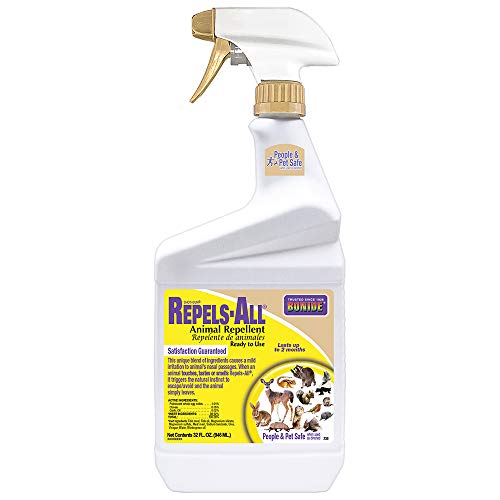
Keep animals out of your yard and garden with Repels-All Animal Repellent from Bonide! This special formula naturally deters a wide variety of garden pests including deer, mice, chipmunks, squirrels and more!

REPEL DEERS & RABBITS: Deer deterrent effectively deters deer and rabbits from eating your plants and trees, stops rabbits from digging up your lawn, Prevent deer, elk, and moose from entering your backyard to nibble on vegetables, plants and trees.
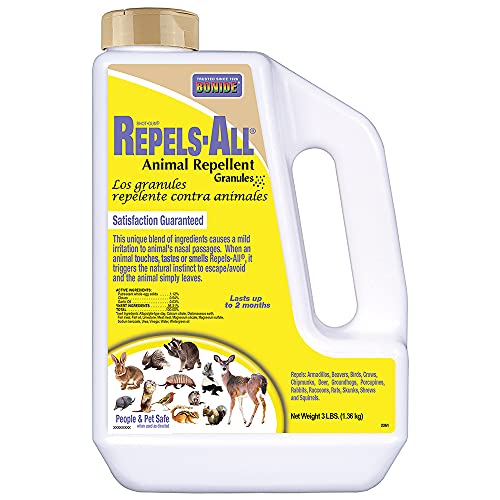
STRONG REPELLER - This unique blend of ingredients causes mild irritation to animal's nasal passages. When an animal touches, tastes, or smells Repels-All Animal Repellent, it triggers the natural instinct to escape/avoid and the pest leaves.
Fencing and Barriers
Fencing serves as one of the most effective methods for keeping possums at bay. To maximize its effectiveness, consider these tips:
- Install a Tall Fence: Use a fence that stands at least 4 to 6 feet tall. Possums can climb well, so make sure the top is sloped outward to deter climbing.
- Use Solid Materials: Opt for solid wood or metal fencing to prevent possums from seeing through and attempting to jump over.
- Create a Ground Barrier: Extend the fence underground at least 12 inches to stop possums from digging underneath. Burrowing is a common behavior for these marsupials.
- Seal Gaps: Inspect and seal any gaps or holes in your garden’s perimeter. Possums can squeeze through surprisingly small openings.
Natural Deterrents
Using natural repellents can complement physical barriers effectively. Consider including these deterrents in your garden:
- Plant Strongly Scented Herbs: Consider planting herbs like mint or rosemary. The strong scents can repel possums and other wildlife.
- Apply Citrus Peels: Scatter citrus peels around your garden. The smell of citrus can deter possums, as many animals dislike it.
- Use Spicy Solutions: Mix cayenne pepper or hot sauce with water and spray it on your plants. The spice acts as a natural repellent, making plants less appealing to possums.
- Introduce Motion-Activated Devices: Utilize motion-activated sprinklers or lights. Sudden bursts of water or light can startle possums and discourage them from returning.
Implementing these strategies can create a less inviting environment for possums, protecting your precious garden vegetables effectively. By combining physical barriers with natural deterrents, you’ll significantly reduce the risk of damage and preserve your hard work.
Conclusion
Protecting your garden from possums can feel like a challenge but it’s definitely manageable. By understanding what these nocturnal visitors enjoy munching on you can take steps to safeguard your precious vegetables.
Implementing physical barriers and using natural deterrents can make a big difference in keeping your plants safe. Remember that with a little effort and creativity you can enjoy a thriving garden free from unwanted nibblers. Happy gardening and may your veggies flourish!
Frequently Asked Questions
What damage can possums cause in gardens?
Possums can cause significant damage by nibbling on various vegetables, particularly tender seedlings and ripe fruit. They often target multiple plants, leaving signs like chewed leaves and disturbed soil, ultimately impacting garden health.
Are possums nocturnal or diurnal?
Possums are nocturnal animals, meaning they are most active during the night. This behavior contributes to the unexpected damage gardeners may find in the morning.
What do possums like to eat?
Possums are omnivores with a varied diet that includes fruits, vegetables, insects, and even carrion. Common favorites in gardens are ripe tomatoes, leafy greens, and berries.
How can I prevent possums from entering my garden?
To prevent possum intrusion, install sturdy fencing, cover vulnerable plants with netting, and use natural or commercial repellents. Creating a physical barrier is very effective.
Do possums only eat certain vegetables?
While possums will nibble on a variety of vegetables, they particularly favor ripe tomatoes, leafy greens, bell peppers, and young squash plants, making these high-risk targets in gardens.
What natural deterrents can I use against possums?
To deter possums, consider planting strongly scented herbs, scattering citrus peels, using spicy solutions, or setting up motion-activated devices. These methods can help keep them away from your garden.

My interest in trees started when I first saw the giant sequoias in Yosemite.I was a teenager then, and I remember thinking, “I need to learn more about this.”That moment stuck with me.A few years later, I went on to study forestry at Michigan Tech.
Since graduating, I’ve worked in a mix of hands-on tree care and community education.I’ve spent over ten years helping people understand how to plant, maintain, and protect the trees in their neighborhoods.I don’t see trees as just part of the landscape.They are living things that make a real difference in our daily lives.