Have you ever wondered if lining your raised garden beds is really necessary? Many gardeners face this question, especially when trying to create the best environment for their plants. Without the right preparation, your garden could struggle with drainage issues or unwanted pests.
In this article, you’ll discover the benefits of lining your raised beds and how it can improve your gardening experience. Whether you’re a seasoned gardener or just starting out, understanding the role of a good liner can help you grow healthier plants and make the most of your gardening space. Let’s explore how a simple decision can lead to a flourishing garden.
Key Takeaways
- Importance of Lining: Using a liner in raised garden beds enhances soil retention and prevents erosion, ensuring stable and healthy plant growth.
- Moisture Control: A proper liner helps retain moisture and minimizes the frequency of watering, creating optimal growing conditions for your plants.
- Material Choices: Opt for suitable lining materials like landscape fabric, plastic liners, or biodegradable options like cardboard to improve drainage and soil quality.
- Proper Installation: Follow a step-by-step approach to measure, cut, and secure the liner effectively, which helps prevent shifting and ensures optimal drainage.
- Maintenance Matters: Regularly inspect the liner for damage and ensure your soil quality remains high to fully benefit from the advantages a liner provides in your raised garden beds.
Overview of Raised Garden Beds
Raised garden beds offer several advantages that enhance your gardening experience. They provide improved drainage, allowing excess water to escape and preventing root rot in your plants. Elevated beds also promote better soil quality since you can control the mix of soil you use, ensuring your plants receive the nutrients they need.
Material choice is crucial when building raised garden beds. Common materials include wood, metal, and concrete blocks. Each option has its pros and cons. For instance, untreated wood is a popular choice due to its cost-effectiveness and ease of assembly, but it may need replacing every few years. Metal beds offer durability and a modern aesthetic, while concrete blocks provide insulation but can be heavier and more challenging to work with.
Design considerations play a role in the success of your raised garden. Ensure the width allows you to reach the center from either side without stepping into the bed. A typical width ranges from 3 to 4 feet, with lengths varying based on your space. The height of the bed should allow for ease of bending or reaching.
Pest management is another factor to consider. Raised beds can help deter certain pests, as the elevation may make it harder for some insects to access your plants. However, you might need to install hardware cloth at the bottom of the bed to prevent burrowing pests like gophers or voles. Incorporating companion planting can also confuse pests and enhance plant growth.
Watering becomes more efficient with raised beds. Since the soil dries out more quickly, regular monitoring is essential. Drip irrigation systems or soaker hoses can deliver moisture directly to the plant roots, minimizing water waste and ensuring consistent hydration.
When it comes to lining your raised garden beds, using a liner can provide additional benefits like protecting the wood from soil acidity and reducing degradation. A breathable fabric liner promotes drainage while keeping soil in place, which is especially useful for beds containing small soil particles.
Raised garden beds are a valuable addition to any gardening endeavor. Taking the time to plan your design, consider materials, and understand maintenance needs will lead to a fruitful and enjoyable gardening experience.
Benefits of Lining Raised Garden Beds
Lining raised garden beds offers several advantages that enhance your gardening experience. Below are key benefits of using a liner.
Recommended Products
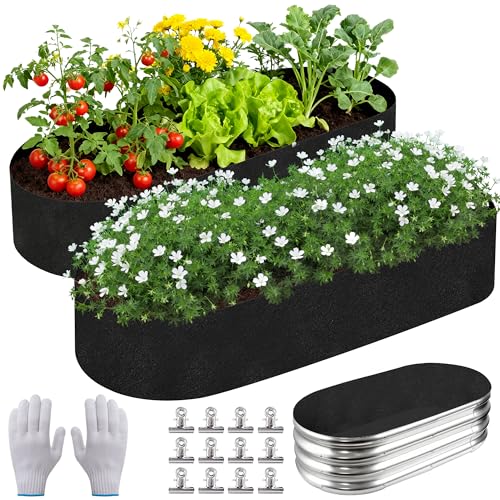
What You Get: The package includes 2 oval liners, 12 sturdy Clips, and a pair of gloves. This complete set helps you carry out outdoor gardening projects better, making garden setup quicker and easier. Note: The garden beds are not included!

Premium Durable & Functional Non-Woven Fabric: Crafted from heavy-duty, ultra-durable non-woven fabric, this landscape liner provides the perfect balance for your raised garden bed. It is porous enough to allow excess water to drain freely, preventing root rot, yet tough enough to effectively contain soil and prevent erosion. This breathable barrier also blocks weeds from growing up into your precious soil.
Soil Retention
You can improve soil structure by lining raised garden beds. A liner prevents soil from washing away during heavy rains, ensuring your plants remain stable. For instance, using landscape fabric retains the soil while allowing excess water to drain, protecting root systems. Additionally, a well-lined bed minimizes soil erosion, so nutrients stay where they’re needed most.
Moisture Control
Moisture control becomes more efficient with a garden bed liner. The liner helps retain moisture in the soil, reducing the frequency of watering. For example, if you choose a plastic liner, it acts as a barrier against evaporation, resulting in healthier plants. Furthermore, you can create a balance by allowing excess water to drain while keeping essential moisture available, leading to optimal growing conditions.
Types of Lining Materials
Choosing the right lining material for raised garden beds can significantly impact soil health and drainage. Here are some popular options:
Recommended Products

Premium Weed Barrier Landscape Fabric: Professional-grade 5oz landscape fabric designed to make your gardening tasks easier and increase your productivity in the garden

SOIL WILL NOT BE WASHED AWAY: Fabric garden bed is deep enough for suitable root growth. Grow bags provides additional protection for your garden bed, preventing soil from being washed away and avoiding the surrounding environment to become dirty and messy.
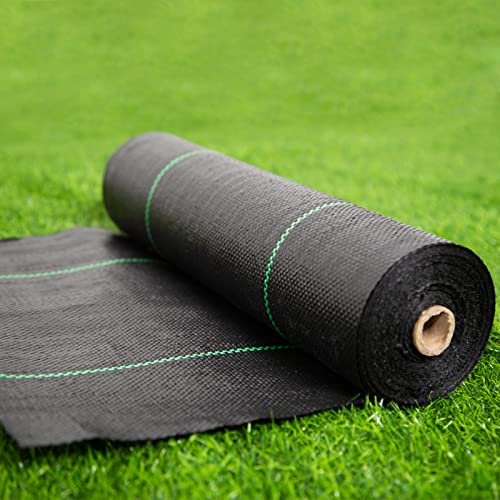
【Premium Weed Barrier Fabric】 Made of thick polypropylene woven fabric, this heavy duty weed barrier fabric is durable and helps keep your garden and flower beds free of weeds for long-term use.
Landscape Fabric
Landscape fabric is a woven, permeable material often used in gardening. It allows water and air to pass through while blocking weed growth. Using landscape fabric helps keep soil in place and protects against erosion. Lay it down before filling your bed with soil for optimal results.
Plastic Liners
Plastic liners create a waterproof barrier that prevents soil from leaching into the ground. These liners can help manage drainage in areas with heavy rainfall, maintaining moisture levels inside the bed. Select UV-resistant plastic to ensure durability. Drill small holes in the liner for excess water drainage to prevent root rot in plants.
Natural Materials
Natural materials, like cardboard or newspapers, add organic matter to the soil as they break down. These options provide a biodegradable lining that prevents weeds while enriching the soil over time. Arrange layers of cardboard or newspaper at the bottom of the bed, wet them down to help them break down faster, and cover them with soil.
How to Line Raised Garden Beds
Lining your raised garden beds protects soil quality and improves drainage. Follow these steps to ensure proper lining techniques.
Step-by-Step Guide
- Choose Your Liner Material: Select a suitable lining material based on your garden’s needs. Options include landscape fabric, plastic liners, or biodegradable materials like cardboard.
- Measure and Cut: Measure the inside dimensions of your raised bed. Cut the liner material, allowing a few extra inches for overlap. Ensure that the liner fits snugly against the walls and bottom.
- Lay the Liner: Place the cut liner inside the raised bed, ensuring it covers the sides and bottom evenly. Secure the liner to prevent shifting during soil filling.
- Add Soil: Fill the lined bed with a quality soil mix. Layer the soil gently to avoid displacing the liner. Leave a small gap at the top to allow for watering without overflow.
- Secure the Edges: Fold and secure any excess liner material at the top edges. You can pin it down with landscape fabric pins or tuck it under soil for stability.
- Skipping the Liner: Avoid neglecting this step, as it can lead to soil erosion and pest issues.
- Using Non-Breathable Materials: Don’t use plastic that isn’t permeable. Water and air must circulate to prevent root rot.
- Improper Sizing: Ensure your liner fits correctly. An improperly sized liner can compromise drainage and moisture retention.
- Ignoring Soil Quality: Avoid using low-quality soil after lining. The right mix enhances the benefits of lining, leading to healthier plants.
- Overlooking Maintenance: Check the liner periodically for wear or damage. Regular inspection helps maintain your garden’s health and productivity.
Conclusion
Lining your raised garden beds can make a world of difference in your gardening journey. With the right liner, you’ll create an environment that nurtures your plants and keeps pests at bay.
By investing a little time and effort into this simple step, you’re setting yourself up for success. Whether you choose landscape fabric, plastic, or natural materials, each option offers unique benefits to enhance your garden’s health and productivity.
So go ahead and line those beds. You’ll be amazed at how much easier and more enjoyable your gardening experience can be. Happy gardening!
Frequently Asked Questions
Is it necessary to line raised garden beds?
Lining raised garden beds is highly recommended. It helps with drainage, prevents soil erosion, and deters pests. Without a liner, you may face issues like waterlogging and nutrient loss, negatively impacting plant health.
What benefits do liners provide for garden beds?
Liners improve soil retention, moisture control, and prevent erosion during heavy rains. They also help maintain nutrient levels in the soil, leading to healthier plants and a more productive garden overall.
What materials can I use to line my raised garden beds?
You can use landscape fabric, plastic liners, or natural materials like cardboard and newspaper. Each material has its benefits; for example, landscape fabric blocks weeds while allowing water to permeate, and cardboard enriches the soil over time.
How do I line my raised garden beds properly?
First, choose your liner material. Measure and cut it to fit your bed’s dimensions, lay it properly, add quality soil, and secure the edges. Avoid common mistakes like using non-breathable materials or neglecting maintenance.
Can raised garden beds deter pests?
Yes, raised garden beds can help deter certain pests due to their height and structure. Additionally, lining with hardware cloth can protect against burrowing animals, making your garden more secure.

My interest in trees started when I first saw the giant sequoias in Yosemite.I was a teenager then, and I remember thinking, “I need to learn more about this.”That moment stuck with me.A few years later, I went on to study forestry at Michigan Tech.
Since graduating, I’ve worked in a mix of hands-on tree care and community education.I’ve spent over ten years helping people understand how to plant, maintain, and protect the trees in their neighborhoods.I don’t see trees as just part of the landscape.They are living things that make a real difference in our daily lives.