Have you ever wondered how those crisp green beans make their way from the garden to your plate? Growing green beans is not only rewarding but also a fun way to add a splash of color to your garden. Whether you’re a seasoned gardener or just starting out, understanding the growth process can make all the difference.
Key Takeaways
- Types of Green Beans: Understand the difference between bush beans (compact and quick to mature) and pole beans (climbing and requiring support) to choose the right variety for your garden space and style.
- Nutritional Benefits: Green beans are low in calories and high in essential vitamins (A, C, K), minerals (manganese, potassium), and fiber, making them a great addition to a healthy diet.
- Garden Preparation: Select a sunny location with well-drained, nutrient-rich soil (pH 6.0 to 7.0) to create optimal growing conditions for green beans.
- Planting Techniques: Directly sow seeds after the last frost, ensuring proper depth and spacing, and use mulch to retain moisture while providing support for pole beans before planting.
- Caring for Plants: Maintain consistent watering (about 1 inch per week), monitor for pests and diseases, and use crop rotation to promote healthy growth and prevent issues.
- Harvesting Tips: Harvest beans while they are firm and bright green at their peak ripeness, using proper techniques to avoid damaging the plants and encouraging further production.
Understanding Green Beans
Green beans thrive in gardens, providing both beauty and nutrition. Understanding their growth process enhances your gardening experience.
Types of Green Beans
Green beans mainly fall into two categories: bush beans and pole beans.
- Bush Beans: Compact plants that grow to about 1-2 feet tall, bush beans mature quickly. They often yield beans in 50-60 days. Varieties include ‘Provider’ and ‘Top Crop.’
- Pole Beans: Climbing plants that require support, such as trellises. They can reach heights of 6-10 feet, producing beans over an extended period. Varieties like ‘Kentucky Wonder’ and ‘Pole Blue Lake’ are popular choices.
Choosing the right type for your garden depends on available space, desired yields, and your gardening style.
Nutritional Benefits
Green beans pack a nutritious punch. They’re low in calories, making them an excellent choice for a healthy diet.
- Vitamins: They provide vitamins A, C, and K, which support immune function and bone health.
- Minerals: They contain manganese and potassium, which contribute to heart health and muscle function.
- Fiber: Each serving offers fiber, aiding digestion and promoting feelings of fullness.
Incorporating green beans into your meals boosts nutritional intake and enhances overall health. Enjoying a mix of bush and pole varieties can add both freshness and flavor to your dishes.
Preparing Your Garden
Preparing your garden for green beans sets the foundation for fruitful growth. Pay attention to the location and soil to ensure a successful yield.
Recommended Products

Quick, at home results for Soil pH, Nitrogen, Phosphorous and Potash Innovative and inexpensive soil test kit features an easy-to-use capsule system and patented color comparators

ACCURATELY MEASURES SOIL PH - Lawns thrive in soil with pH levels between 6.2 and 7.0. Our soil test kit accurately determines soil pH levels in just 10 minutes.

Kindly NOTE: This soil tester can not be applied to test pH value of any other liquid. If the soil is too dry the indicator will not move, and water it before testing.
Choosing the Right Location
Choose a location that receives full sun for at least six hours daily. Look for a spot with good air circulation and protection from strong winds. Ensure the area is close to a water source for convenient irrigation. A well-drained and accessible location helps manage pests and diseases effectively. For pole beans, also consider installing a trellis before planting to support their growth.
Soil Requirements
Soil preparation is crucial for green beans. Aim for slightly acidic to neutral soil, with a pH level between 6.0 and 7.0. Enrich the soil with organic matter, such as compost or well-rotted manure. These amendments improve soil structure and provide essential nutrients. Your soil should drain well to prevent waterlogging, which can lead to root rot. Conduct a soil test to determine nutrient levels, ensuring that your green beans thrive in a supportive environment.
Planting Green Beans
Planting green beans requires attention to timing and technique for optimal growth. Follow these guidelines for successful planting.
Recommended Products

[DURABLE AND STURDY] Crafted from robust hollow steel, this garden stakes features a fade-resistant green plastic coating, offering reliable protection against wind, rain, and rust. With anti-slip ridges, it's easy to tie on plant ties, aiding in plant climbing. the pointed bottom design of tomato stakes enables effortless soil insertion, ensuring a secure anchoring effect with minimal effort

【Package included】:Crafted from robust hollow steel, this garden stakes features a fade-resistant green plastic coating, offering reliable protection against wind, rain, and rust. This Trellis for Climbing Plants Outdoor comes complete with everything you need to get started: 17pcs metal stakes, 8pcs T shape connect pipe, 2 A-shaped connectors, and a 0.9x1.8meter bird net.

The trellis for climbing plants outdoor measures 47” tall, 16” wide. Cucumber trellis with spiked leg caps for easy soil penetration.
When to Plant
Plant green beans after the last frost date, typically in late spring, when soil temperatures reach 60°F (15°C) or higher. Monitor local weather forecasts to prevent frost damage. Direct sow seeds into the garden for best results, as green beans don’t transplant well. Plant bush beans about 1 inch deep and 2-4 inches apart. For pole beans, space them 4-6 inches apart to allow climbing support.
Planting Techniques
Use the following techniques to ensure healthy growth:
- Prepare the Soil: Mix in organic matter for enrichment. A well-tilled, loose soil improves drainage and aeration.
- Plant Seeds: Ensure proper depth and spacing for the type of green beans you choose. Cover seeds with soil and water lightly.
- Mulch: Apply a layer of organic mulch to retain moisture and suppress weeds.
- Support for Pole Beans: Erect a trellis or stakes before planting to support climbing varieties. This encourages better air circulation and yields.
- Watering: Water consistently after planting, aiming for about 1 inch per week, especially during dry spells.
By following these steps, you enhance the growing conditions for green beans and ensure a bountiful harvest.
Caring for Green Beans
Caring for green beans ensures a thriving garden and a fruitful harvest. Proper attention to watering needs and pest management supports healthy growth.
Recommended Products
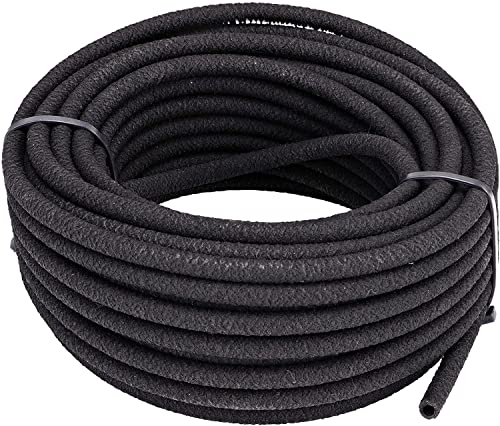
Slowly waters the soil around your plants for complete root zone hydration; Ideal for short runs on flat surfaces, such as vegetable gardens, borders, and around small plants

Lightweight water hose is made of 100% recycled vinyl, clog resistant fabric cover for consistent soaking in the garden or around foundations

Heavy duty push-on plastic couplings — Cut, shorten, or expand the hose to any length and connect multiple sections for a leak-proof, custom-fit drip irrigation system
Watering Needs
Green beans require consistent moisture, especially during germination and flowering. Water deeply but infrequently to encourage robust root systems. Aim for about 1 inch of water per week, adjusting based on weather conditions. Use mulch to retain moisture in the soil and regulate temperature. Check the soil by feeling it a couple of inches down; if it’s dry, it’s time to water. Avoid overhead watering to reduce the risk of fungal diseases. Instead, opt for soaker hoses or drip irrigation methods to deliver water directly to the roots.
Pest and Disease Management
Monitoring your green beans for pests and diseases helps maintain their health. Common pests include aphids, beetles, and spider mites. Inspect plants regularly, especially undersides of leaves, for signs of infestation. Use insecticidal soap or neem oil as natural deterrents if pests appear. Rotating crops each season prevents disease buildup in the soil. Look out for common diseases like bean rust and powdery mildew. Ensure proper spacing between plants for good air circulation and select disease-resistant varieties when possible. Early removal of any infected plants prevents the spread of illness to healthy ones.
Harvesting Green Beans
Harvesting green beans requires attention to timing and technique. Knowing when and how to pick your beans ensures better flavor and increased yield.
Signs of Ripeness
Look for specific indicators to determine when green beans are ready for harvest. Mature green beans typically feel firm to the touch. The pods will be bright green and slightly bulging with seeds inside. If the pods start to turn yellow or brown, it’s best to pick them immediately to avoid over-maturity. Regular inspection every few days helps you catch beans at their peak freshness.
Harvesting Techniques
Use proper techniques to harvest green beans without damaging the plants. Hold the stem of the bean lightly and pull the pod gently. Aim to snap the beans off rather than pulling them, which might harm the plants or neighboring pods. Use scissors or garden shears for a clean cut when necessary. Harvesting in the morning, when temperatures are cooler, helps maintain the beans’ crispness. Aim for weekly harvests, as frequent picking encourages the plants to produce more beans. Store harvested beans in a cool, dry place or refrigerate them to preserve their quality.
Conclusion
Growing green beans in your garden can be a delightful experience that brings both beauty and nutrition to your meals. With a little knowledge and care you can enjoy a bountiful harvest that enhances your culinary creations.
Remember to choose the right variety whether you prefer bush beans or pole beans and pay attention to soil preparation and watering techniques. Keeping an eye on pests and diseases will help keep your plants healthy and thriving.
When it’s time to harvest don’t forget to pick those beans at their peak for the best flavor. Enjoy the satisfaction of growing your own food and savor the fresh taste of homegrown green beans. Happy gardening!
Frequently Asked Questions
What are the benefits of growing green beans?
Growing green beans offers both aesthetic and nutritional benefits. They enhance the visual appeal of gardens and provide a low-calorie food source rich in vitamins A, C, and K, as well as essential minerals like manganese and potassium. Additionally, they are easy to grow, making them suitable for gardeners of all skill levels.
What is the difference between bush beans and pole beans?
Bush beans are compact plants that mature quickly and don’t require support, while pole beans are climbing plants that need a trellis or support structure. Pole beans produce beans over a longer period, offering a continuous harvest, whereas bush beans typically yield all at once.
How should I prepare my garden for green beans?
Choose a sunny location that receives at least six hours of sunlight daily, has good air circulation, and is close to a water source. Prepare slightly acidic to neutral soil (pH 6.0 to 7.0) enriched with organic matter like compost. Ensure proper drainage to prevent root rot, and consider conducting a soil test.
When is the best time to plant green beans?
The best time to plant green beans is after the last frost date in late spring when soil temperatures reach at least 60°F (15°C). Direct sowing seeds into the garden is recommended, as green beans do not transplant well.
How do I care for my green bean plants?
Ensure your green bean plants receive consistent moisture, about 1 inch of water per week. Use mulch to retain soil moisture and avoid overhead watering to reduce fungal diseases. Monitor for pests like aphids and beetles, using natural deterrents when necessary.
How can I tell when green beans are ready for harvest?
Green beans are ready to be harvested when they are firm, bright green, and slightly bulging with seeds. Regular inspection is essential to catch beans at peak freshness, and it’s best to harvest in the morning for optimal crispness.
What are the best practices for harvesting green beans?
Gently pull the pods from the plant or use scissors for a clean cut. Harvest regularly to encourage further production and maintain plant health. After harvesting, store beans in a cool, dry place or refrigerate to preserve their quality.

My interest in trees started when I first saw the giant sequoias in Yosemite.I was a teenager then, and I remember thinking, “I need to learn more about this.”That moment stuck with me.A few years later, I went on to study forestry at Michigan Tech.
Since graduating, I’ve worked in a mix of hands-on tree care and community education.I’ve spent over ten years helping people understand how to plant, maintain, and protect the trees in their neighborhoods.I don’t see trees as just part of the landscape.They are living things that make a real difference in our daily lives.