Have you ever walked into your garden only to find your precious vegetables nibbled on? If so, you might be wondering if rats are the culprits. These pesky rodents can wreak havoc on your hard work, leaving you frustrated and searching for solutions.
In this article, you’ll learn whether rats actually munch on garden veggies and what you can do to protect your plants. Understanding their eating habits can help you safeguard your garden and keep it thriving. With a few tips and tricks, you can enjoy a bountiful harvest without the worry of unwanted visitors.
Key Takeaways
- Rats’ Diet: Rats consume a wide variety of foods, including grains, fruits, nuts, and particularly vegetables like tomatoes, carrots, and corn, making gardens an attractive target for them.
- Signs of Infestation: Look for rat droppings, gnaw marks, tracks, nests, and nighttime sounds to identify rat activity in your garden early.
- Impact on Vegetables: Rats can cause direct damage by feeding on plant roots, leaves, and fruits, which may lead to reduced growth and health of your vegetables.
- Prevention Techniques: Employ strategies such as sealing entry points, using natural repellents, installing motion-activated devices, and maintaining a clean garden environment to deter rats.
- Physical Barriers and Traps: Consider building raised beds with solid bottoms, using wire mesh covers for protection, and setting traps to effectively keep rats away from your garden.
- Regular Monitoring: Frequently check for signs of rat activity and take immediate action to protect your garden, ensuring a healthier and more productive harvest.
Understanding Rat Diets
Rats exhibit diverse eating habits, often impacting gardens. Realizing what they consume helps you protect your plants.
What Do Rats Typically Eat?
Rats eat a variety of foods, including:
- Grains: Rice, oats, and wheat provide essential carbohydrates.
- Fruits: Apples, bananas, and berries attract them with sweetness.
- Nuts: Peanuts, almonds, and sunflower seeds offer protein and fat.
- Vegetables: Carrots, corn, and leafy greens are also appealing.
Rats forage widely, so they may find any exposed garden produce attractive.
Nutritional Needs of Rats
Rats require balanced nutrition for health. Key components include:
- Proteins: Vital for growth and repair.
- Carbohydrates: Provide energy for daily activities.
- Fats: Essential for healthy skin and fur.
- Vitamins and Minerals: Important for various bodily functions.
These needs push rats to search for food aggressively, making gardens a prime target.
Common Garden Vegetables
Rats show interest in a variety of common garden vegetables. Knowing which ones attract them can help you safeguard your garden effectively.
Recommended Products

2026 Upgraded Dual-Action Repellent: Ultrasonic Sound & Flashing Strobe.Our advanced solar ultrasonic animal repellent features a highly sensitive motion sensor. Upon detection, it activates BOTH powerful ultrasonic waves (13.5-45.5kHz) AND a startling bright strobe light. This dual-threat system effectively drives away cats, dogs, raccoons, squirrels, deer, skunks, rabbits, and more, providing the best garden animal control for your property.

POWERFUL NATURAL FORMULA is PLEASANT SMELLING and uses plant extracts instead of harsh chemicals to deter mice and rats from nesting, foraging and entering buildings and other areas around your home
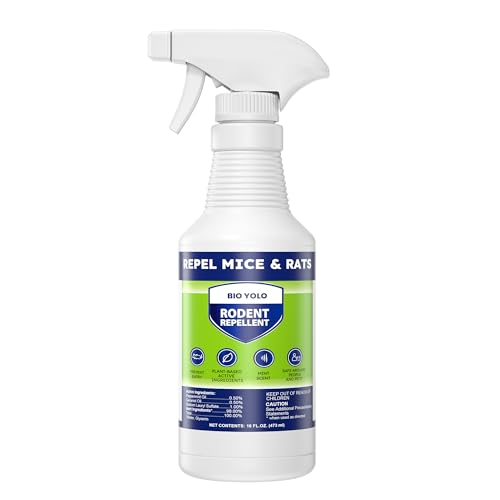
Safe for People and Pets: Formulated with natural ingredients for use around children and pets when used as directed, providing a solution without harsh chemicals
Top Vegetables Grown in Gardens
- Tomatoes: Juicy and sweet, tomatoes thrive in gardens and draw both gardeners and pests.
- Carrots: Buried underground, carrots provide easy access for foraging rats.
- Lettuce: With its tender leaves, lettuce often becomes a target for hungry rodents.
- Cucumbers: Crisp and refreshing, cucumbers might entice rats with their moisture content.
- Peppers: Sweet or spicy, peppers appeal to various foragers, including rats.
- Corn: High in carbohydrates, corn is an excellent food source and likely to attract rats.
- Beans: Rich in protein, beans are a prime target for these rodents.
- Squash: The soft flesh of squash makes it easy for rats to gnaw and consume.
- Potatoes: The nutrients found in potatoes attract rats, especially when left unprotected.
- Beets: Sweet and nutritious, beets appeal to a rat’s taste, making them a garden favorite.
Understanding which vegetables attract rats helps you take proactive measures to protect your garden. Consider using fences, traps, or natural repellents to keep these pests at bay.
How Rats Interact with Gardens
Rats frequently explore gardens, searching for food and shelter. Understanding their behavior can help you take steps to protect your plants.
Signs of Rat Activity in Gardens
Identifying rat activity early is critical for safeguarding your garden. Watch for these signs:
- Droppings: Look for small, dark droppings near plants or garden beds.
- Gnaw Marks: Inspect vegetables and stems for fresh bite marks or missing parts.
- Tracks: Check for footprints in soft soil or dust.
- G nests: Find nests made of shredded materials, usually hidden in dense vegetation.
- Sounds: Listen for rustling at night, a common time for these rodents to forage.
Impact of Rats on Vegetable Growth
Rats can significantly disrupt vegetable growth through their feeding habits. Here’s how they affect your garden:
- Direct Damage: Rats consume roots, fruits, and leaves, causing stunted growth or complete loss of plants.
- Disease Transmission: Rats can carry diseases that may impact both plants and soil health.
- Competition for Resources: Their presence can attract other pests that compete for water and nutrients.
By knowing the signs and understanding the impact of rats, you can implement effective measures to protect your garden.
Prevention Strategies for Gardeners
Protecting your garden from rats requires proactive strategies. Understanding their behavior helps in effectively deterring these pests and keeping your vegetables safe.
Methods to Deter Rats
- Seal Entry Points: Inspect fences, walls, and sheds for gaps. Close any openings with wire mesh or wood to prevent rats from entering your garden.
- Use Natural Repellents: Plant herbs like mint, lavender, or rosemary around your garden. Their strong scents repel rats.
- Deploy Motion-Activated Devices: Install motion-activated sprinklers or lights. Unexpected movements and sounds can scare rats away.
- Keep Garden Clean: Remove debris and fallen fruit. Keeping the garden tidy minimizes attractants that lure rats.
- Introduce Predators: Consider adopting a cat or using barn owls. Their presence naturally deters rats from approaching your garden.
- Build Raised Beds: Construct raised garden beds with solid bottoms. This physical barrier prevents rats from digging up through the soil.
- Use Wire Mesh Covers: Create covers for individual plants or rows using wire mesh. This protects vegetables without hindering growth.
- Implement Traps: Set traps around your garden perimeter. Use snap traps or electronic traps to capture rats without using harmful chemicals.
- Regular Monitoring: Check for signs of rat activity frequently. Inspect for droppings or gnaw marks, and take immediate action if detected.
- Compost Responsibly: Use rat-proof compost bins. Avoid attracting rodents by ensuring compost is contained and scraps aren’t left exposed.
By applying these methods and best practices, you can significantly reduce the risk of rats damaging your garden vegetables.
Conclusion
Rats can be a real nuisance in your vegetable garden but understanding their behavior and preferences can help you protect your plants. By knowing which vegetables attract them and implementing effective prevention strategies you can create a more secure environment for your garden.
Regularly monitoring for signs of rat activity and taking proactive steps will go a long way in ensuring a successful harvest. With the right approach you can enjoy your garden without the worry of these pesky critters ruining your hard work. Happy gardening!
Frequently Asked Questions
Do rats eat garden vegetables?
Yes, rats do eat garden vegetables. They are attracted to a variety of foods, including fruits, grains, and vegetables. Their diverse diet and nutritional needs make them likely to forage in gardens, which can lead to significant damage to plants.
What vegetables are most appealing to rats?
Rats are particularly attracted to tomatoes, carrots, lettuce, cucumbers, peppers, corn, beans, squash, potatoes, and beets. Recognizing these vegetables can help gardeners take protective measures to safeguard their crops from these pests.
How can I protect my vegetable garden from rats?
To protect your vegetable garden from rats, consider sealing entry points, using natural repellents like mint and lavender, and maintaining a clean garden. Building raised beds, using wire mesh covers, and regularly monitoring for signs of rat activity are also effective strategies.
What signs indicate a rat infestation in my garden?
Signs of a rat infestation include droppings, gnaw marks, tracks, nests, and noises. Identifying these indicators early can help gardeners take corrective actions before significant damage occurs to their plants.
What should I do if I spot a rat in my garden?
If you spot a rat in your garden, it’s crucial to act quickly. Begin by removing food sources and cleaning up the area. Set traps and consider using repellents. Monitor for additional signs of activity to prevent a larger infestation.

My interest in trees started when I first saw the giant sequoias in Yosemite.I was a teenager then, and I remember thinking, “I need to learn more about this.”That moment stuck with me.A few years later, I went on to study forestry at Michigan Tech.
Since graduating, I’ve worked in a mix of hands-on tree care and community education.I’ve spent over ten years helping people understand how to plant, maintain, and protect the trees in their neighborhoods.I don’t see trees as just part of the landscape.They are living things that make a real difference in our daily lives.