Have you ever wondered why your herbs aren’t thriving the way you hoped? If you’ve tried your hand at gardening, you know how frustrating it can be when your plants don’t grow as expected. One of the biggest factors in herb health is sunlight.
Key Takeaways
- Sunlight is Essential: Proper sunlight exposure is critical for the health and productivity of herb gardens, affecting growth, flavor, and aroma.
- Varied Sunlight Needs: Different herbs have specific sunlight requirements; full sun herbs like basil and rosemary need at least six hours of direct sunlight, while partial shade herbs like parsley and cilantro thrive with four to six hours.
- Photosynthesis Impact: Sunlight plays a vital role in photosynthesis, the process that allows plants to convert light into energy, essential for robust growth and flavor development.
- Optimal Garden Placement: Position your herb garden in the sunniest area available, such as south-facing sections, and use reflective materials to enhance light exposure.
- Indoor Solutions: For indoor gardening, choose bright windowsills and consider grow lights to ensure herbs receive adequate light, especially if natural light is limited.
- Avoid Common Pitfalls: Be mindful of overexposure and neglected shade needs; providing the right balance of sunlight creates a thriving herb garden while preventing issues like scorched leaves or wilting.
Importance Of Sunlight For Herb Gardens
Sunlight significantly impacts the health and productivity of your herb garden. Proper exposure helps your herbs thrive and enhances their flavor and aroma.
Plant Growth And Development
Sunlight encourages robust growth in herbs. Plants undergo various stages of development, from seedlings to mature plants, and sunlight plays a crucial role at each stage. Without enough light, basil, parsley, and cilantro won’t reach their full potential. If you notice leggy stems or pale leaves, your herbs might be lacking sufficient sunlight.
Photosynthesis Process
Photosynthesis is the process that allows plants to convert sunlight into energy. During this process, plants absorb carbon dioxide and water, using sunlight to produce glucose and oxygen. Herbal varieties, like rosemary and thyme, require at least six hours of direct sunlight daily for optimal photosynthesis. Insufficient sunlight can stunt growth and reduce essential oils, impacting the flavor of your herbs.
To maximize photosynthesis, position your herb garden in a location with ample sunlight or use grow lights if growing indoors.
Types Of Herbs And Their Sunlight Requirements
Understanding the sunlight requirements for different types of herbs ensures a thriving garden. Herbs vary in their needs, from full sun to partial shade.
Recommended Products

6000K Daylight Full Spectrum- Packed with 40 white and 8 red LEDs, this growth light throws a crisp 6000K beam that reads like real sunshine indoors. Built for flowers, herbs, peppermint, succulents, and seed starting, and flexible enough for hanging baskets, trellises, floor pots, and bonsai alike.
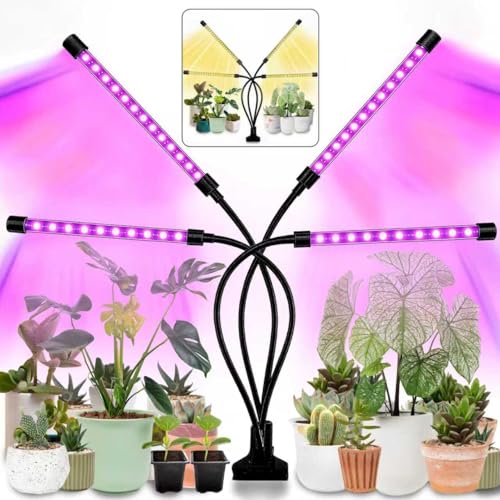
🌻Efficient LED Combination: This LED lamp has grow lights made up of 80 efficient growing LEDs ( 32 red lights, 12 blue lights,20 yellow lights and 16 white lights). It meets the conditions of plant growth without sunlight. 1--Full Spectrum(380nm-800nm): Suitable for all plants to root and sprout. 2--Red(660nm)+BLUE(460nm) Spectrum: for blooming and fruits. 3--Red+Blue+Full Spectrum: A mix of Red+Blue+Warm White is best to fuel the growth of your plants.

6000K White Circle Lights---Equipped with super bright 6 Red+6 Blue+36 White LED beads, this indoor seedling light provides a full spectrum like sunlight to promote plant growth, that is professionally designed for indoor garden potted plants.
Full Sun Herbs
Full sun herbs thrive with at least six hours of direct sunlight each day. These herbs are typically more vigorous and flavorful when given adequate light.
- Basil: Requires full sun for optimal growth; it produces lush leaves.
- Rosemary: Grows best in sunny spots; it develops stronger flavors with more light.
- Thyme: Enjoys full sun and dry conditions; it flourishes in bright light.
- Oregano: Prefers sunny environments; it becomes more aromatic under full sun.
Position these herbs in areas with unobstructed sunlight to enhance their growth and flavor.
Partial Shade Herbs
Partial shade herbs tolerate some sunlight but prefer a bit of protection. These herbs generally do well with four to six hours of direct sunlight or filtered light.
- Parsley: Thrives in partial shade; it can even grow well in cooler temperatures.
- Cilantro: Prefers some afternoon shade; excessive heat can cause it to bolt.
- Chives: Adaptable to partial shade; they flourish in cooler, less intense sunlight.
- Mint: Grows well in partial shade; it benefits from a little break from direct sunlight.
Provide these herbs with light and some shelter to help them prosper without stress.
Tips For Maximizing Sunlight In Your Herb Garden
Maximizing sunlight in your herb garden ensures healthy, thriving plants. You can achieve optimal sunlight exposure through thoughtful garden placement and effective indoor gardening solutions.
Recommended Products

NOTE: The product stand needs to be pressed down by the flower pot to be stable. Not wireless style. 2 Installation Methods: Specially designed plant light for indoor plants, which can be inserted in the soil or stand for lighting.Unique and easy to assemble and disassemble.

New Wood Grain Design: Made with unique craftsmanship, this imitation wood grain color plant light can either illuminate plants or be used as an indoor decorative light, perfect for a variety of environments such as rooms, living rooms, offices and indoor gardens. The stylish design combines practicality and elegance for any space.
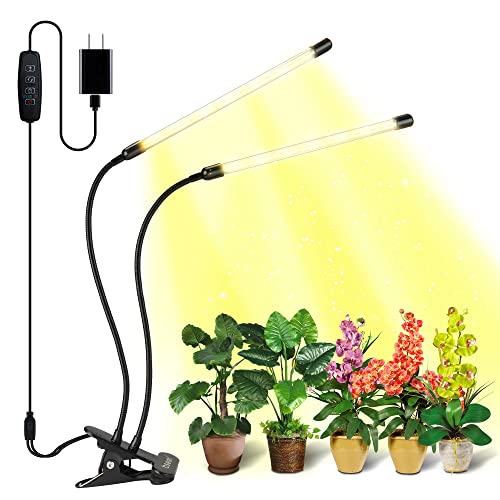
Full Spectrum LED with Yellow and White Combination: Bseah led grow light can promote photosynthesis, germination, growth, flowering and fruiting of plants.
Garden Placement
Position your garden in the sunniest part of your yard. Choose areas that receive at least six hours of direct sunlight daily for full sun herbs. Examples include south-facing spots or open spaces free from obstructions like trees or buildings. Use reflective materials, such as white walls or fences, to bounce sunlight onto your plants. Consider raised beds, as they can enhance drainage and increase light exposure.
When arranging your garden, group plants with similar sunlight needs together. This arrangement simplifies care and ensures that each plant thrives. Monitor your plants closely; if you notice leggy growth or pale leaves, they may need more sunlight. Adjust their location accordingly.
Indoor Herb Gardening Solutions
For indoor gardens, pick bright windowsills that receive at least six hours of sunlight. South or west-facing windows work best for maximizing light exposure. Use sheer curtains to diffuse intense sunlight and prevent leaf burn. If natural light is limited, invest in grow lights. Full-spectrum LED grow lights replicate sunlight and can extend growing hours. Position the lights about 6 to 12 inches above the plants for optimal coverage.
Rotate your herb pots weekly to ensure all sides receive light, promoting even growth. For herbs that thrive in bright conditions, consider using a plant stand or shelf to elevate them closer to the light source. Keep an eye on your indoor humidity levels; herbs prefer relatively higher humidity, which can be achieved with misting or pebble trays.
Common Mistakes To Avoid
Avoiding common pitfalls helps ensure the health of your herb garden. Here are two major mistakes to watch out for.
Overexposure To Sunlight
Overexposure can damage your herbs just as much as insufficient light. Signs of overexposure include scorched leaves and drooping stems. You want to provide herbs with the right balance of sunlight; full sun herbs thrive in six hours or more, but not all types handle extreme conditions well. For instance, basil and thyme appreciate direct sunlight but can suffer from too much heat. When temperatures soar, consider providing some afternoon shade or using shade cloth to protect them from the harshest rays. This protection allows your herbs to flourish without stress.
Neglecting Shade Needs
Neglecting the shade requirements of certain herbs can lead to poor growth. Herbs like parsley and cilantro prefer gentler light conditions. They thrive with four to six hours of sunlight, but too much can lead to wilting or leaf burn. When you plant these herbs, select locations that provide dappled light or morning sun and afternoon shade. Grouping shade-loving herbs together or planting them near taller plants can help create an ideal environment. Ensure each plant gets enough light without being overwhelmed. This approach fosters healthy development and abundant harvests.
Conclusion
Growing a thriving herb garden is all about understanding sunlight’s role in your plants’ health. By ensuring your herbs get the right amount of light you can enjoy bountiful flavors and vibrant growth.
Whether you’re placing your pots in sunny spots outdoors or using grow lights indoors remember that each herb has its own sunlight needs. With a little attention to these details you’ll foster a garden that not only survives but truly flourishes.
So get out there and let the sun work its magic on your herbs. Happy gardening!
Frequently Asked Questions
What role does sunlight play in growing herbs?
Sunlight is crucial for herb growth as it allows plants to perform photosynthesis, converting light into energy. Adequate sunlight enhances the flavor and aroma of herbs, promoting healthy development from seedlings to mature plants.
How many hours of sunlight do herbs need?
Most herbs require at least six hours of direct sunlight daily. Full sun herbs like basil and thyme thrive under these conditions, while partial shade herbs, such as parsley and cilantro, do best with four to six hours.
What are common mistakes in herb gardening related to sunlight?
Common mistakes include overexposing herbs to sunlight, which can scorch leaves, and not recognizing the shade needs of certain herbs. Planting shade-loving herbs together and providing afternoon shade for sun-sensitive types helps prevent these issues.
How can I maximize sunlight exposure for my herbs?
To maximize sunlight exposure, position outdoor herb gardens in the sunniest spots, like south-facing areas. For indoor gardening, use bright windowsills or full-spectrum LED grow lights. Rotating pots also helps ensure even light distribution.
Are there any specific herbs that prefer partial shade?
Yes, herbs like parsley, cilantro, chives, and mint prefer partial shade. They thrive best with four to six hours of direct or filtered sunlight, benefiting from some protection against intense sun exposure.

My interest in trees started when I first saw the giant sequoias in Yosemite.I was a teenager then, and I remember thinking, “I need to learn more about this.”That moment stuck with me.A few years later, I went on to study forestry at Michigan Tech.
Since graduating, I’ve worked in a mix of hands-on tree care and community education.I’ve spent over ten years helping people understand how to plant, maintain, and protect the trees in their neighborhoods.I don’t see trees as just part of the landscape.They are living things that make a real difference in our daily lives.