Have you ever wondered if watering your garden every day is a good idea? Many gardeners face this question, especially when the sun’s blazing and plants seem thirsty for more. You might think that daily watering ensures your plants stay healthy, but it’s not always that simple.
Key Takeaways
- Watering Frequency Matters: Understand the specific watering needs of your plants, considering factors like type, soil, weather, location, and growth stage.
- Signs of Plant Stress: Look for indicators such as wilting leaves, dry or cracked soil, and brown edges to assess if your garden needs watering.
- Pros and Cons of Daily Watering: While daily watering can ensure consistent moisture and improved plant health, it also poses risks like overwatering and soil drainage issues.
- Best Watering Practices: Water in the early morning or late afternoon to minimize evaporation and encourage deeper root growth by watering deeply but less frequently.
- Soil Testing Importance: Regular soil testing can help you determine the best watering schedule and practices based on the nutrient and moisture retention capabilities of your soil.
Understanding Garden Watering Needs
Watering needs vary based on several elements. Knowing these factors helps you decide how often to water your garden.
Recommended Products

Accurate Soil Moisture Detection: The XLUX Soil Moisture Meter can tell you if the soil deep inside your pot or garden is dry, moist or wet; whereas your eyes and fingers can only determine the moisture level of the soil surface. The probe is 5.5 inches (14 cm) longer than regular styles, allowing it to measure the soil moisture at the bottom of larger and deeper flower pots.

Kindly NOTE: This soil tester can not be applied to test pH value of any other liquid. If the soil is too dry the indicator will not move, and water it before testing.
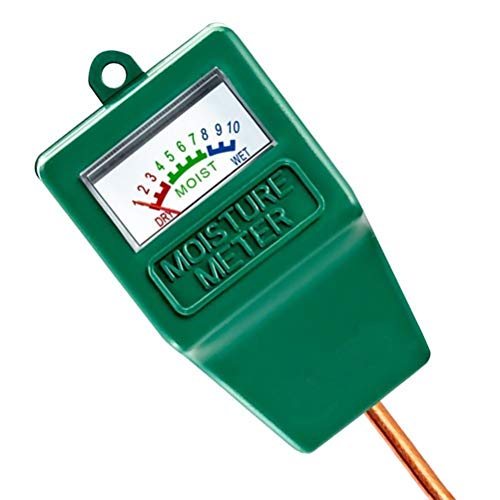
Soil Moisture Meter: This single probe soil moisture meter is specially designed for testing the moisture level in the soil, helps you decide whether the plants need water or not, helps to keep plants alive.
Factors Affecting Watering Frequency
- Plant Type: Different plants have unique water requirements. Native plants usually need less water than tropical varieties.
- Soil Type: Sandy soils drain quickly and require more frequent watering. Clay soils retain moisture longer, needing less frequent watering.
- Weather Conditions: Hot, dry weather increases water loss. Monitor temperature and humidity to adjust your watering schedule.
- Garden Location: Gardens in direct sunlight need more water than shaded areas. Consider sun exposure when planning watering.
- Growth Stage: Seedlings require more frequent watering than established plants. Adjust as your plants mature.
- Wilting Leaves: Plants droop or leaves turn yellow, indicating stress.
- Dry Soil: Check the top inch of soil. If it’s dry, it’s time to water.
- Brown Edges: Brown or crispy leaf edges signal dehydration.
- Cracked Soil: Soil cracks indicate it’s time for a drink.
- Pest Activity: Increased pests can mean stressed plants. Ensure proper watering to keep plants healthy.
Understanding these elements helps you water your garden effectively. Adjust your routine based on these signs and factors to maintain healthy plants.
Pros of Daily Watering
Daily watering can benefit your garden when done correctly. Understanding the advantages helps you make informed decisions.
Consistent Moisture Levels
Consistent moisture levels keep your plants hydrated. Regular watering helps prevent soil from drying out, creating a stable environment for root development. When roots stay moist, they absorb nutrients more effectively. For instance, vegetables like tomatoes and peppers thrive with consistent moisture. Test the soil regularly to gauge moisture levels and adjust your routine accordingly.
Improved Plant Health
Improved plant health stems from proper hydration. Daily watering can prevent stress in plants during hot conditions or dry spells. Hydrated plants resist diseases better and exhibit vibrant growth. Annual flowers, like petunias and marigolds, bloom more profusely with daily watering. Monitor your plants’ reactions and modify the watering frequency if signs of overwatering, like yellow leaves, appear.
Cons of Daily Watering
Daily watering can lead to several drawbacks that affect plant health and garden maintenance. Recognizing these issues can help you make better watering choices.
Recommended Products

Effortless Watering Automation: The Orbit Mechanical Water Timer helps manage lawn and garden irrigation with a reliable mechanical water timer design and hose faucet timer control

Smart Automatic Watering Control: The Orbit Programmable Digital Hose Watering Timer transforms a faucet into an automatic watering system using a reliable single outlet hose timer

🔹 [Smart Timer Included – Hands-Free Watering, Fully Programmable | 2026 Upgraded]No more daily hose duty. The built-in automatic timer lets you customize watering schedules by time, frequency, and duration. Features Rain Delay Mode (1–15 days) to pause watering during rainy days and resume automatically, plus a Child Lock for added peace of mind. Note: Batteries are not included. Please follow the instructions to set watering schedules
Risk of Overwatering
Overwatering occurs when plants receive more water than they can absorb. This excess moisture can suffocate roots, leading to root rot. You may notice symptoms like yellowing leaves, wilting despite wet conditions, and an unpleasant odor from the soil. It’s crucial to adjust your watering schedule based on rainfall and humidity levels. Use a moisture meter or simply stick your finger into the soil to check for dampness before watering again.
Soil Drainage Issues
Regular daily watering can also strain soil drainage. Soil that retains too much moisture promotes compacted, anaerobic conditions. This can block air circulation, stunting root growth. Plants may struggle to absorb essential nutrients. It’s important to assess your soil type; for heavy clay soils, daily watering might exacerbate drainage problems. Consider amending your soil with organic material or using mulches to improve drainage and maintain moisture balance.
Best Practices for Watering Your Garden
Effective watering techniques significantly impact your garden’s health. Determining when and how to water ensures your plants thrive while minimizing water waste.
Recommended Products
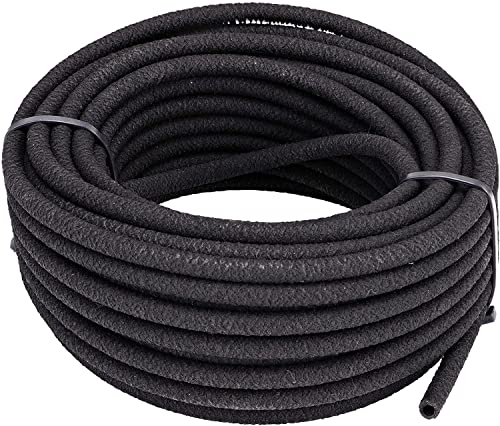
Slowly waters the soil around your plants for complete root zone hydration; Ideal for short runs on flat surfaces, such as vegetable gardens, borders, and around small plants

Works like soaker hose only better because it doesn’t clog and requires no maintenance

Heavy duty push-on plastic couplings — Cut, shorten, or expand the hose to any length and connect multiple sections for a leak-proof, custom-fit drip irrigation system
Timing and Method of Watering
Water your garden early in the morning or late in the afternoon. These times reduce evaporation, allowing more moisture to penetrate the soil. Water deeply and less frequently rather than lightly every day. This encourages roots to grow deeper, making plants more resilient. For instance, soaking the soil to a depth of 6-12 inches promotes robust root systems. Use a soaker hose or drip irrigation system for efficient moisture application. These methods deliver water directly to the roots, keeping the foliage dry and reducing the risk of disease.
Importance of Soil Testing
Testing your soil provides critical insights into its composition and water retention capabilities. Conduct a soil test annually to assess nutrient levels, pH balance, and overall health. Use a home testing kit or send samples to a local agricultural extension service. Optimal soil conditions support effective watering strategies. For example, sandy soil drains quickly and often requires more frequent watering, while loamy soil retains moisture well, needing less. Incorporate amendments like compost to improve soil structure and moisture retention, ensuring your watering efforts are effective and your plants remain healthy.
Conclusion
Finding the right watering routine for your garden can feel like a balancing act. It’s all about understanding your plants and their unique needs. While daily watering might be beneficial for some, it can lead to problems for others.
Pay attention to your plants’ signals and adjust accordingly. By keeping an eye on soil moisture and plant health you can create a thriving environment. Experiment with different techniques and schedules to discover what works best for your garden.
With a little patience and observation you’ll cultivate a vibrant garden that flourishes. Happy gardening!
Frequently Asked Questions
How often should I water my plants during hot weather?
Watering frequency depends on several factors, including plant type, soil type, and environmental conditions. Generally, check the soil moisture and water when it feels dry about an inch below the surface. Native plants need less water than tropical varieties. Adjust your routine based on your observations and the specific needs of your plants.
What signs indicate my plants need water?
Look for wilting leaves, dry soil, brown edges on leaves, cracked soil, and increased pest activity. These signs suggest your plants might be thirsty and need watering. Monitoring these symptoms will help you maintain healthy plants and prevent over or under-watering.
Can daily watering be beneficial for my plants?
Yes, daily watering can be beneficial if done correctly. It keeps moisture levels consistent, promoting healthy root development and better nutrient absorption, especially for plants like tomatoes and petunias. However, be attentive to each plant’s needs to avoid overwatering issues.
What are the risks of overwatering?
Overwatering can suffocate roots, leading to root rot, which is indicated by yellowing leaves and wilting in moist soil. It can also compact heavy clay soils, stunting root growth. Always adjust watering based on recent rainfall and humidity to prevent overwatering.
What are the best watering techniques for my garden?
Water early in the morning or late in the afternoon to minimize evaporation. Deep, less frequent watering encourages robust root systems. Consider using soaker hoses or drip irrigation to deliver water directly to the roots while keeping leaves dry, reducing disease risk.

My interest in trees started when I first saw the giant sequoias in Yosemite.I was a teenager then, and I remember thinking, “I need to learn more about this.”That moment stuck with me.A few years later, I went on to study forestry at Michigan Tech.
Since graduating, I’ve worked in a mix of hands-on tree care and community education.I’ve spent over ten years helping people understand how to plant, maintain, and protect the trees in their neighborhoods.I don’t see trees as just part of the landscape.They are living things that make a real difference in our daily lives.