Wondering if you can use Miracle-Gro in your vegetable garden? You’re not alone. Many gardeners face the challenge of choosing the right fertilizer to boost their plants’ growth while keeping their harvest safe and healthy.
You might be tempted to grab that bright blue bag, but it’s important to know what it means for your veggies. This article will help you understand the benefits and potential drawbacks of using Miracle-Gro in your garden. By the end, you’ll have the information you need to make the best choice for your plants and enjoy a bountiful harvest.
Key Takeaways
- Miracle-Gro is a synthetic fertilizer that provides essential nutrients (NPK) for promoting rapid plant growth in vegetable gardens.
- When applied correctly, Miracle-Gro can enhance nutrient availability in the soil, leading to healthier and larger harvests for vegetables like tomatoes and peppers.
- Over-fertilization with Miracle-Gro can cause nutrient burn, so it’s crucial to monitor plant health and use diluted solutions, especially for sensitive vegetable types.
- Responsible use of Miracle-Gro includes careful timing of application to minimize environmental impact and prevent nutrient runoff into waterways.
- Following the recommended dosage and application schedule ensures optimal growth, with younger plants benefiting from half-strength solutions during early growth phases.
Understanding Miracle-Gro
Miracle-Gro is a widely recognized brand of plant food designed to promote growth in various plants, including vegetables. This section explains what Miracle-Gro is and how it interacts with your vegetable garden.
What Is Miracle-Gro?
Miracle-Gro is a synthetic fertilizer, primarily providing essential nutrients like nitrogen, phosphorus, and potassium (NPK) in a balanced formula. The product comes in various forms, such as granules, liquids, and spikes, making it versatile for different gardening needs. Its primary function relies on rapid nutrient release, which helps plants thrive quickly.
How Does It Work?
Miracle-Gro works by delivering nutrients directly to the plants. When you apply it, the fertilizer dissolves in water and penetrates the soil, creating an environment rich in essential elements. Plants absorb these nutrients through their roots, encouraging faster growth and increased yield. Applying Miracle-Gro according to the instructions on the packaging ensures that plants receive the right amounts, minimizing the risk of nutrient burn while optimizing growth.
Benefits of Using Miracle-Gro in Vegetable Gardens
Using Miracle-Gro in your vegetable garden offers several advantages that can enhance your gardening experience and yield results.
Recommended Products
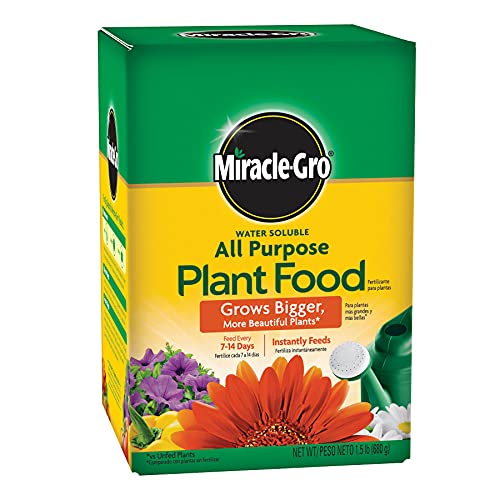
FEEDS ALL PLANTS: Miracle-Gro Water Soluble All Purpose Plant Food is a plant fertilizer that feeds all outdoor, in-ground and indoor plants, including roses, flowers, houseplants, vegetables, and trees

FEEDS UP TO 3 MONTHS: Miracle-Gro Shake 'N Feed Tomato, Fruit & Vegetable Plant Food is a plant fertilizer that feeds plants for up to 3 months, and nourishes above and below the soil
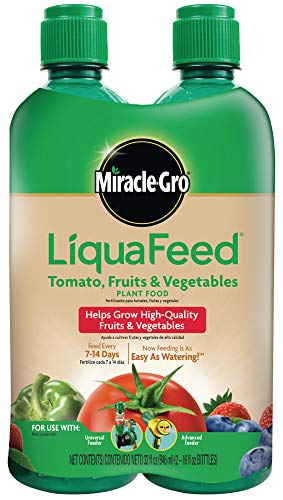
Miracle-Gro LiquaFeed Tomato, Fruits and Vegetables Plant Food helps grow high-quality fruits and vegetables
Promotes Rapid Plant Growth
Miracle-Gro provides essential nutrients that fuel quick plant growth. With its balanced NPK formula, it delivers nitrogen for leafy growth, phosphorus for root and flower development, and potassium for overall health. When you apply it according to package instructions, you can see improvements in growth rates within weeks. For example, leafy greens like lettuce and spinach often show a noticeable increase in size and vitality.
Enhances Nutrient Availability
Miracle-Gro increases nutrient accessibility in the soil. It helps break down organic matter and release nutrients that might otherwise be tied up, making them available for your plants. This process is particularly beneficial in gardens with heavy clay or sandy soils. When you use Miracle-Gro, vegetables like tomatoes and peppers absorb these nutrients more efficiently, often resulting in larger, tastier fruits. Consider applying it during the growing season to maximize nutrient uptake during critical growth stages.
Considerations Before Use
Using Miracle-Gro in your vegetable garden requires careful thought. While it offers benefits, potential risks and environmental effects deserve attention.
Recommended Products

For more nutritious and tasty vegetables
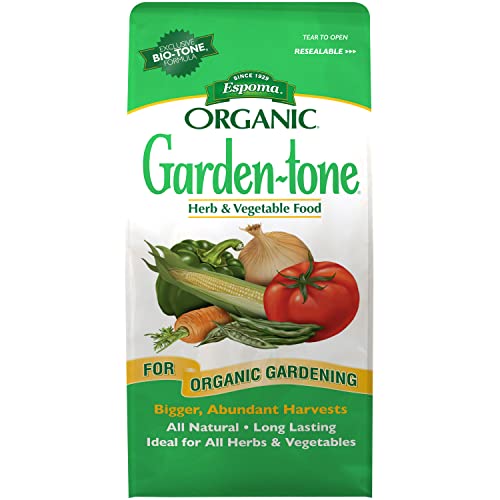
FOR USE ON: Use Garden-tone organic fertilizer for leafy vegetables like lettuce, kale & cabbage as well as warm season crops like tomatoes, peppers, squash & melons.

Package contains 4 pounds organic vegetable and tomato fertilizer grains and is produced to avoid wasteful runoff, mess, hazards and smells
Potential Risks to Vegetable Plants
Miracle-Gro’s rapid nutrient delivery can lead to over-fertilization. Over-fertilizing may cause plants to experience nutrient burn, resulting in yellowing leaves and stunted growth. Monitor your plants’ health closely, especially if they’re showing unhealthy signs. Using a diluted solution during the growth phase can help prevent these adverse effects.
Some vegetables, like cucumbers and beans, may be sensitive to synthetic fertilizers. These plants benefit from slower-release organic options instead. Assess your vegetable types and adjust your fertilization strategy accordingly.
Environmental Impact
Using Miracle-Gro responsibly helps minimize environmental repercussions. Over-application can result in nutrient runoff, contaminating local waterways. This runoff can cause algal blooms, which disrupt aquatic ecosystems. To limit runoff, water your garden carefully and apply Miracle-Gro in moderation.
Consider timing your application. Fertilizing before heavy rain may increase the potential for runoff. Monitor local weather and plan applications accordingly to protect nearby bodies of water. Practices like mulching can also reduce erosion and nutrient loss.
Best Practices for Application
Applying Miracle-Gro correctly ensures optimal growth for your vegetable garden. Follow these guidelines to maximize your results.
Recommended Products

Burpee Organic All Purpose Granular Plant Food is formulated for long-lasting results

Scotts All Purpose Flower & Vegetable Continuous Release Plant Food promotes beautiful flowers and abundant harvests

HOW TO APPLY: To apply, simply shake granules evenly on the soil, mix into the top 1-3 inches of soil in gardens or throughout the soil for potted plants, and water to start feeding
Recommended Dosage
Use Miracle-Gro according to the specific instructions on the label. For most vegetables, a common dosage is one tablespoon of granules mixed with one gallon of water. This diluted solution provides balanced nutrient delivery. Avoid exceeding the recommended amount, as over-fertilizing can lead to nutrient burn. For younger plants, a half-strength solution is often effective, promoting healthy growth without overwhelming them.
Timing for Optimal Results
Apply Miracle-Gro during key growth phases. Start applications when your plants show noticeable growth, typically in the early spring when temperatures rise. You can feed once every 4–6 weeks throughout the growing season. For quick crops like lettuce or radishes, consider applying every 2–3 weeks since their growing cycles are shorter. Monitor your plants for signs of nutrient deficiency, such as yellowing leaves, and adjust your application schedule accordingly. Avoid fertilizing right before heavy rainfall to prevent nutrient runoff.
Conclusion
Using Miracle-Gro in your vegetable garden can be a game changer if you’re looking for quick growth and bountiful harvests. Just remember to use it wisely and follow the recommended guidelines to avoid any potential pitfalls.
Pay attention to your plants and their specific needs. With a little care and the right approach, you can enjoy vibrant vegetables and a thriving garden. Happy gardening!
Frequently Asked Questions
Can I use Miracle-Gro in vegetable gardens?
Yes, you can use Miracle-Gro in vegetable gardens. It provides essential nutrients that promote fast growth and can enhance the yield of your vegetables when used correctly.
What are the benefits of using Miracle-Gro for vegetables?
Miracle-Gro offers a balanced NPK formula that promotes rapid growth, improves nutrient availability, and leads to larger fruits and vegetables, particularly in nutrient-poor soils.
Are there any risks associated with using Miracle-Gro?
Yes, there are risks such as over-fertilization, which can cause nutrient burn and harm sensitive vegetables. Additionally, its use may lead to environmental issues through nutrient runoff.
How should I apply Miracle-Gro to my vegetable garden?
Follow the dosage instructions on the label, typically one tablespoon of granules mixed with one gallon of water. You should fertilize every 4–6 weeks, starting in early spring.
What should I monitor when using Miracle-Gro?
Watch for signs of nutrient deficiency in your plants and avoid fertilizing right before heavy rain to reduce the risk of nutrient runoff into local waterways.

My interest in trees started when I first saw the giant sequoias in Yosemite.I was a teenager then, and I remember thinking, “I need to learn more about this.”That moment stuck with me.A few years later, I went on to study forestry at Michigan Tech.
Since graduating, I’ve worked in a mix of hands-on tree care and community education.I’ve spent over ten years helping people understand how to plant, maintain, and protect the trees in their neighborhoods.I don’t see trees as just part of the landscape.They are living things that make a real difference in our daily lives.