Have you ever wondered if you can put your washing machine water to good use in your garden? Many homeowners face the challenge of conserving water while keeping their plants healthy. If you’re looking for a way to recycle that soapy water, you might be in luck.
Using washing machine water for your garden can be a sustainable solution, but it’s important to know the ins and outs before you start. This article will guide you through the benefits, potential risks, and best practices for using this water safely. By the end, you’ll feel confident about making the most of every drop while nurturing your plants.
Key Takeaways
- Understanding Washing Machine Water: Washing machine water, or greywater, consists of rinse and wash water from laundry cycles, and can be useful for gardening if treated correctly.
- Safety Considerations: Use biodegradable and eco-friendly detergents to minimize harmful residues in greywater, as conventional detergents can adversely affect soil and plant health.
- Types of Greywater: Rinse water is generally safer for plants compared to wash water, which contains higher concentrations of soap and dirt. Spin water, while less common, has minimal contaminants.
- Environmental Benefits: Utilizing washing machine water promotes water conservation, significantly reducing freshwater usage and lowering utility bills while supporting sustainable gardening practices.
- Plant Selection: Choose plants such as herbs, certain vegetables, and native species that are known to tolerate greywater; avoid sensitive plants, especially edible ones, to ensure health and growth.
- Best Practices for Use: Implement a simple greywater collection system, avoid fabric softeners, and maintain regular cleaning to prevent blockages and ensure effective irrigation.
Overview of Washing Machine Water
Washing machine water, often called greywater, consists of the rinse and wash water from laundry cycles. This water typically contains soap, detergent, and other residues from clothing.
Types of Washing Machine Water
- Wash Water: This water comes from the main wash cycle. It contains higher concentrations of soap, dirt, and chemicals from your clothes. Avoid using this water directly on plants without proper treatment.
- Rinse Water: This water follows the wash cycle and usually contains fewer residues. Rinse water is often safer for your garden, especially if you use biodegradable detergents.
- Spin Water: This water is simply leftover moisture extracted from clothes during the spin cycle. While it contains minimal contaminants, its usage is generally less common.
Environmental Impact
Washing machine water can present both positive and negative environmental effects. Using greywater can significantly reduce water consumption, especially in arid regions. It contributes to sustainability efforts by recycling water for non-potable uses.
However, recycling washing machine water necessitates caution. Detergents with phosphates or harsh chemicals can harm soil and plants. Prioritize using eco-friendly products to minimize impact. Implementing a filtration system can further enhance safety for your garden. Always consider local regulations regarding greywater reuse to ensure compliance and safety.
Benefits of Using Washing Machine Water on the Garden
Using washing machine water in your garden offers numerous advantages. These benefits not only help your garden thrive but also promote sustainable practices.
Water Conservation
Using washing machine water significantly reduces freshwater usage. Traditional household water consumption averages 100 gallons per day. By redirecting greywater, you cut this down while maintaining hydration for plants. Implementing a simple collection system can capture rinse water, which is typically the safest for plants, preserving valuable resources. Additionally, you’ll lower utility bills, making it a win-win situation for both your wallet and the environment.
Nutritional Value for Plants
Washing machine water contains trace nutrients that benefit plants. The rinse water, especially, may carry small amounts of biodegradable soaps and minerals. When using eco-friendly detergents, these components can contribute to soil health and plant vitality. For instance, certain washing additives contain potassium and nitrogen, which support plant growth. Just be cautious with rinse water from loads containing harmful chemicals. Checking the ingredients of your detergent ensures that you provide your plants with beneficial rather than harmful substances.
Risks and Considerations
When considering using washing machine water for your garden, it’s essential to understand the potential risks and necessary precautions.
Recommended Products

Plant derived cleaning agents free from harmful chemicals synthetic dyes and made with natural fragrances and essential oils

CLIMATE POSITIVE AND SUSTAINABLE - Not only is this laundry detergent formula effective and kind to sensitive skin, but it's also pH-balanced.

ALL-POWERFUL CLEAN: Clean isn’t just a state, it’s a feeling we facilitate. Just one half ounce of our powerful concentrated laundry detergent transforms your laundry, delivering crisp, clean clothes every time. One 32 oz carton washes 64 loads and is compatible with all machines and water temperatures.
Detergent and Chemical Residues
Detergents and chemicals in washing machine water can harm plants. Conventional detergents often contain phosphates, surfactants, and other harsh chemicals that can accumulate in the soil and affect plant growth. If you choose to use this graywater, consider using biodegradable or eco-friendly detergents. These options minimize harmful residues and support soil health. Always check the ingredient list on detergent labels to avoid harmful substances.
Plant Sensitivity to Water Quality
Different plants vary in their tolerance to water quality. Some plants can handle slightly contaminated water, while others are sensitive to even low levels of chemicals. Vegetables, for instance, are generally more susceptible to chemical residues than ornamental plants. Conduct a small test by applying washing machine water to a few plants. Observe any changes in health or growth over several weeks. This testing helps determine which plants adapt well to graywater use in your garden.
Guidelines for Safe Use
Using washing machine water in your garden can be beneficial when approached with care. Follow these guidelines to ensure safe and effective usage.
Best Practices for Collecting Water
- Choose the Right Detergent: Select biodegradable or eco-friendly detergents that minimize harmful residues. Inspect ingredient labels to confirm safety for plants.
- Capture Rinse Water: Focus on collecting rinse water, as it contains fewer contaminants. Use a simple bucket or a greywater collection system to gather this type of water.
- System Installation: Install a diverter valve to redirect greywater from the washing machine directly to your garden. Ensure the system complies with local regulations.
- Avoid Fabric Softener: Avoid using fabric softeners, which can negatively impact plant health due to their chemical compositions. Stick with natural alternatives.
- Regular Maintenance: Clean collection systems regularly to prevent the buildup of algae or other harmful substances. Check for any blockages.
- Herbs: Grow herbs like basil, mint, and rosemary, as they tend to adapt well to greywater.
- Vegetables: Consider vegetables such as tomatoes, beans, and squash, which often have high tolerance for greywater irrigation.
- Ornamental Plants: Use ornamental plants, including marigolds and petunias, since they can thrive with nutrient-rich greywater.
- Fruit Trees: Fruit trees like apple or peach trees can benefit from occasional greywater irrigation, as they often require more water.
- Native Plants: Native plants are typically more resilient to varying water quality. Research local native species that can withstand greywater use.
By following these best practices and choosing the right plants, you can effectively use washing machine water to support your garden while promoting sustainability.
Conclusion
Using washing machine water in your garden can be a fantastic way to conserve water and help your plants thrive. By choosing the right biodegradable detergents and focusing on rinse water, you can harness this resource while minimizing potential risks.
Remember to test how your plants respond and always keep an eye on the quality of the water you’re using. With a little care and attention, you can enjoy a lush garden while doing your part for the environment. So go ahead and give it a try—your plants will thank you!
Frequently Asked Questions
Recommended Products
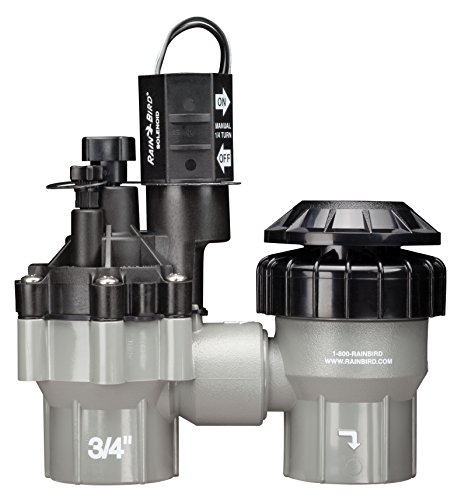
Professional grade 3/4" anti-siphon valve with flow control; compatible with any standard sprinkler timer

PREVENT WATER BACKFLOW - Our automatic anti-siphon valve with an atmospheric vacuum breaker protects your irrigation system and culinary system from water contamination.

Residential / light commercial grade 3/4" female threaded inlet and outlet valve
Can I use all types of washing machine water in my garden?
You can use rinse water, which is typically safer for plants, especially if using biodegradable detergents. Wash water contains higher concentrations of soap and chemicals, while spin water has minimal contaminants but is often not suitable for irrigation.
What are the environmental benefits of using washing machine water?
Using washing machine water reduces reliance on freshwater resources, helps conserve water, and can lower utility bills. It also contributes to sustainable gardening practices by minimizing waste.
Are there any risks associated with using washing machine water?
Yes, conventional detergents can leave harmful residues that may affect plant growth and soil health. It’s important to use biodegradable detergents and check ingredient labels to minimize risks.
What types of plants are best for greywater irrigation?
Herbs, vegetables, ornamental plants, fruit trees, and native species generally tolerate varying water quality better. Always conduct small tests on a few plants to monitor their response to greywater.
How can I safely collect and use washing machine water?
Focus on capturing rinse water, choose biodegradable detergents, and consider installing a diverter valve for direct irrigation. Maintain collection systems to prevent harmful buildup and avoid fabric softeners.

My interest in trees started when I first saw the giant sequoias in Yosemite.I was a teenager then, and I remember thinking, “I need to learn more about this.”That moment stuck with me.A few years later, I went on to study forestry at Michigan Tech.
Since graduating, I’ve worked in a mix of hands-on tree care and community education.I’ve spent over ten years helping people understand how to plant, maintain, and protect the trees in their neighborhoods.I don’t see trees as just part of the landscape.They are living things that make a real difference in our daily lives.