Have you ever thought about building a raised garden bed but felt unsure about the materials to use? You’re not alone. Many gardeners want to create a beautiful and functional space without worrying about rot or pests. That’s where composite decking boards come into play.
Key Takeaways
- Durability and Longevity: Composite decking boards are highly durable, resisting rot, decay, and insect damage for over 25 years, making them ideal for raised garden beds.
- Low Maintenance: Unlike traditional wood, composite materials require minimal upkeep; they only need an occasional wash with soap and water, saving time and effort.
- Aesthetic Variety: Available in various colors and textures, composite boards allow for customization, enhancing the visual appeal of your garden space.
- Eco-Friendly Option: Many composite decking boards are made from recycled materials, supporting sustainability and reducing waste in gardening practices.
- Weight and Structural Integrity: The added weight of composite boards provides stability for raised garden beds, but it’s important to ensure proper structural support.
- Chemical Safety Considerations: Verify certifications for low chemical leaching when choosing composite boards to ensure soil quality and plant health.
Overview of Composite Decking Boards
Composite decking boards offer an innovative alternative to traditional wood materials. Made from a blend of wood fibers and plastic, they boast several advantages for raised garden beds.
Recommended Products

Ergonomic Height: Standing at 30 inches tall, it reduces strain from bending and kneeling, promoting more comfortable gardening.

16.5" deep to accommodate large, deep-rooted plants
Durability
Composite boards resist rot, decay, and insect damage, making them ideal for outdoor environments. Unlike untreated wood, these boards don’t splinter or crack, enhancing their lifespan significantly. Expect them to last 25 years or more with proper care.
Low Maintenance
Composite materials require minimal upkeep. You won’t need to sand, seal, or stain them regularly as you would with wood. A simple wash with soap and water annually keeps them looking fresh.
Aesthetic Variety
Composite decking comes in various colors and textures. Choose shades that complement your garden’s design. This variety helps create a visually appealing raised bed that enhances your outdoor space.
Eco-Friendly Option
Many composite boards are made from recycled materials. This feature reduces waste and promotes sustainability. Using these boards supports environmentally-friendly practices while still providing functionality.
Cost Consideration
While composite boards may have a higher upfront cost than wood, their longevity can offset this expense over time. Calculate your long-term investment when assessing whether these boards fit your budget.
Installation Ease
Installation is straightforward. You can use usual woodworking tools for cutting and securing these boards. Follow the manufacturer’s guidelines for best results.
Considering these factors makes composite decking boards a suitable choice for your raised garden beds, offering durability, low maintenance, and aesthetic appeal.
Benefits of Using Composite Decking Boards
Using composite decking boards for raised garden beds offers several enticing advantages. These boards combine aesthetics with functionality, making them a strong choice.
Durability and Longevity
Composite decking boards stand out for their durability. Constructed from a blend of wood fibers and plastic, they resist rot and decay effectively. With an expected lifespan of 25 years or more, these boards outperform traditional wood options. For example, in regions with high humidity or extreme weather, composite boards maintain their integrity, ensuring your garden beds remain intact year after year.
Low Maintenance
Low maintenance is another significant benefit of composite decking boards. You won’t need to sand, stain, or seal them like wood. Instead, an annual wash with soap and water keeps them looking fresh. If you encounter stubborn stains, a gentle scrub with a non-abrasive cleaner does the trick. This ease of care saves you time and hassle, allowing you to focus on your gardening rather than upkeep.
Resistance to Pests and Rot
Composite decking boards offer excellent resistance to pests and rot, making them a smart choice for gardening. Unlike untreated wood, which can attract insects like termites or carpenter ants, composite materials deter these pests. This feature is particularly valuable in gardens, as it promotes a healthy environment for your plants. Additionally, the boards’ resistance to moisture accumulation helps prevent rot, ensuring your raised beds continue to flourish without compromise.
Considerations for Raised Garden Beds
When choosing materials for raised garden beds, several factors influence your decision. Composite decking boards can offer several advantages, but understanding the key considerations ensures your garden thrives.
Recommended Products

Raised Garden Bed - Add a new level of convenience to your gardening experience with the Galvanized Raised Garden Bed. Enjoy expanded yield and a more assembled garden layout with this garden accessory, each sized at 120 cm X 60 cm x 30 cm.

DIMENSIONS: 48 in. W x 48 in. D x 29. 12.6 in. H
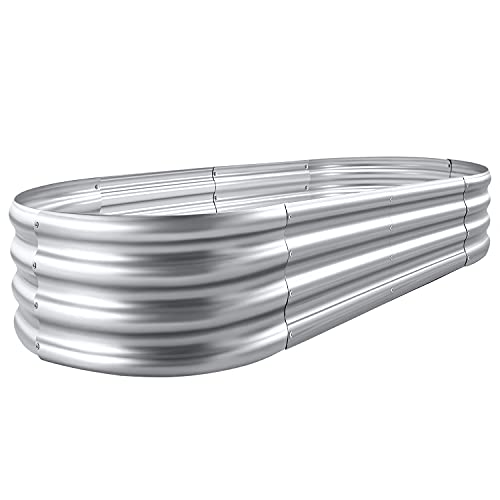
Each raised metal garden bed size: 4×2×1ft ,7.14Cu
Potential Chemical Leaching
Composite decking boards may contain recycled plastics and wood fibers. While many manufacturers design these products to be safe for gardening, check for certifications that indicate low chemical leaching. Some composites use additives that might affect soil quality. Choosing boards labeled as “certified safe” or “low leach” can mitigate these concerns and protect your plants.
Weight and Structural Integrity
Composite boards weigh more than traditional wooden boards. This added weight can provide better stability for your raised garden bed, enhancing its durability against wind or heavy rains. However, keep in mind the weight when constructing your bed. Evaluate your support structures to ensure they can handle the composite materials without compromising integrity. Consider using bracing or anchoring solutions if your garden bed is particularly large or situated in a windy area.
Alternative Materials for Raised Garden Beds
When exploring options for raised garden beds, several materials can supplement or replace composite decking boards. Each alternative offers unique benefits.
Recommended Products

Elevate Your Garden - Opt for a brilliantly engineered raised garden bed to revolutionize your gardening. Its spacious design, measuring 48x24x30 inches, allows for the cultivation of multiple vegetable varieties alongside a plethora of herbs, optimizing your gardening space for ease and diversity.

LARGE PLANTING SPACE: 8.4 cubic feet of space can support your choice of flowers, succulents, vegetables, and more

SPACIOUS GROWING SPACE WITH EXTRA PLANTING DEPTH:Measuring 91.5" L × 47.3" W × 22.06" H, this galvanized raised garden bed holds approximately 412 gallons of soil, providing generous planting space and extra depth for vegetables, herbs, flowers and fruits. The spacious design allows roots to grow naturally while supporting tomatoes, peppers, cucumbers, broccoli, beans, lettuce, carrots, potatoes and other popular garden plants. Ideal for backyard gardening, raised vegetable gardens and outdoor planter box projects.
Wood
- Cedar: Cedar is naturally resistant to rot and insects. It offers a pleasant aroma and a beautiful appearance. Expect a lifespan of 10 to 15 years.
- Redwood: Similar to cedar, redwood resists decay. Its rich color enhances any garden setting, lasting about 20 years with care.
- Untreated Pine: Untreated pine is budget-friendly but less durable. It may last 5 to 10 years, so consider its short lifespan in your planning.
Metal
- Galvanized Steel: Steel resists rust and provides a modern look. It can endure for over 30 years, creating a strong structure.
- Aluminum: Aluminum is lightweight and will not rust. It lasts a lifetime with proper care and offers versatility in shape and size.
Recycled Materials
- Plastic Lumber: Made from recycled plastic, plastic lumber is an eco-friendly alternative. It doesn’t rot and can last over 50 years, making it a practical option.
- Reclaimed Wood: Using reclaimed wood promotes sustainability. Be cautious of chemical treatments. If untreated, it can last several years.
Concrete
- Concrete Blocks or Pavers: They offer durability and customizable shapes. Expect a lifespan exceeding 50 years. Concrete also provides excellent stability.
Fabric
- Landscape Fabric: For a temporary solution, landscape fabric can define the shape of your garden bed. It’s inexpensive and easy to install but may not last long in wet conditions.
- Consider Your Climate: Select materials that withstand local weather conditions.
- Think About Maintenance: Determine how much maintenance you’re willing to invest. Low-maintenance options may save time.
- Assess Appearance: Choose materials that blend with the garden’s aesthetics.
Evaluate these alternatives to find the best fit for your raised garden beds. Each material has its strengths, catering to different preferences and needs.
Conclusion
Choosing composite decking boards for your raised garden beds can be a smart move. With their impressive durability and low maintenance needs, you’ll spend less time worrying about upkeep and more time enjoying your garden.
Remember to check for low chemical leaching certifications to keep your soil healthy. While the initial investment might be higher, the long lifespan of composite materials can save you money in the long run.
Ultimately, they offer a beautiful and functional option that can enhance your gardening experience while ensuring your plants thrive. Happy gardening!
Frequently Asked Questions
What are the benefits of using composite decking boards for raised garden beds?
Composite decking boards are highly durable and resistant to rot, decay, and insect damage. They require minimal maintenance, only needing an annual wash. Additionally, they are eco-friendly, often made from recycled materials, and can last over 25 years with proper care.
How do composite boards compare to traditional wood for garden beds?
While composite boards may have a higher upfront cost than traditional wood, their longevity and low maintenance needs make them a more cost-effective choice over time. They do not require sanding, staining, or sealing, allowing gardeners to focus on their plants.
Can composite decking boards leach chemicals into the soil?
There is a potential for chemical leaching from composite boards. It’s essential to look for products with certifications indicating low chemical leaching to ensure soil quality is protected when using them in garden beds.
Do composite decking boards require special installation?
Installation of composite decking boards is straightforward, requiring standard woodworking tools. It’s essential to follow the manufacturer’s guidelines to ensure proper assembly and to accommodate their heavier weight for stability and durability.
What alternative materials can be used for raised garden beds?
Alternatives include cedar and redwood (wood), galvanized steel and aluminum (metal), plastic lumber and reclaimed wood (recycled), and concrete blocks or pavers. Each material has unique benefits regarding durability, maintenance, aesthetics, and eco-friendliness.
How should I choose materials for my raised garden beds?
Consider local climate, maintenance preferences, durability, and desired appearance when selecting materials. Assessing your garden’s unique needs and the potential weight of materials can help ensure a successful and sustainable planting area.

My interest in trees started when I first saw the giant sequoias in Yosemite.I was a teenager then, and I remember thinking, “I need to learn more about this.”That moment stuck with me.A few years later, I went on to study forestry at Michigan Tech.
Since graduating, I’ve worked in a mix of hands-on tree care and community education.I’ve spent over ten years helping people understand how to plant, maintain, and protect the trees in their neighborhoods.I don’t see trees as just part of the landscape.They are living things that make a real difference in our daily lives.