Have you ever wondered how to keep your garden seeds fresh and viable for next season? If you’ve got a stash of seeds lying around, you might be concerned about their shelf life and how to protect them from moisture and pests.
Key Takeaways
- Vacuum Sealing Importance: Vacuum sealing effectively preserves garden seeds by removing air and moisture, significantly extending their shelf life.
- Benefits: Key advantages include protection from pests, moisture, and the ability to keep seeds viable for 5 to 10 years, compared to just 1 to 3 years for unsealed seeds.
- Preparation Steps: Proper preparation involves using dry seeds, appropriate vacuum seal bags, and clear labeling for easy identification.
- Optimal Storage Conditions: Store sealed seeds in a cool, dark, and dry environment to enhance longevity and prevent spoilage.
- Check Seed Viability: Always conduct a germination test before planting vacuum-sealed seeds to ensure their readiness.
Overview of Vacuum Sealing
Vacuum sealing offers an effective way to store garden seeds, ensuring their longevity and viability. This method removes air and moisture from seed packaging, creating an optimal environment that prolongs shelf life.
Benefits of Vacuum Sealing Seeds
- Moisture Protection: Keeping moisture away prevents seed degradation and mold growth.
- Pest Prevention: Sealing seeds deters pests like insects, which can damage seeds over time.
- Extended Shelf Life: Vacuum-sealed seeds can last several years, compared to the typical one to three years for unsealed seeds.
Steps to Vacuum Seal Garden Seeds
- Gather Materials: You need vacuum sealer bags or containers, a vacuum sealer, and your garden seeds.
- Prepare Seeds: Ensure seeds are dry and clean before sealing.
- Fill Bags: Place seeds in vacuum bags, leaving enough space for the sealer to operate.
- Vacuum Seal: Operate the vacuum sealer, following the manufacturer’s instructions to remove air.
- Label Bags: Write the seed type and date on each bag for easy identification.
- Storage Conditions: Store vacuum-sealed seeds in a cool, dark, and dry environment for best results.
- Usage: Always check the viability of seeds before planting, even when sealed. A germination test can help confirm their readiness for planting.
Vacuum sealing serves as a practical, efficient method for preserving your garden seeds, helping you prepare for successful planting seasons year after year.
Benefits of Vacuum Sealing Garden Seeds
Vacuum sealing offers significant advantages for preserving garden seeds, enhancing their viability and usability for future planting seasons. Here are the key benefits:
Recommended Products

【Clear Vacuum Bags】Our sealable vacuum bags are made of high quality materials can withstand high temperature, food save bags Boilsafe,Freezable and Reuseable.There will be an error of 1 inch between the product size and the actual working size.The real working size after sealing is 3 x 5 inches.Please choose carefully when purchasing.

【BPA FREE】Bonsenkitchen food sealer pint 6" x 10" bags can be microwaved, frozen, re-used, washed, boiled and dishwasher safe. Allows you to precisely control your cooking temperature to achieve perfect results. You can cook sous vide in Bonsenkitchen bags by placing them in water at any temperature up to 195°F/90°C
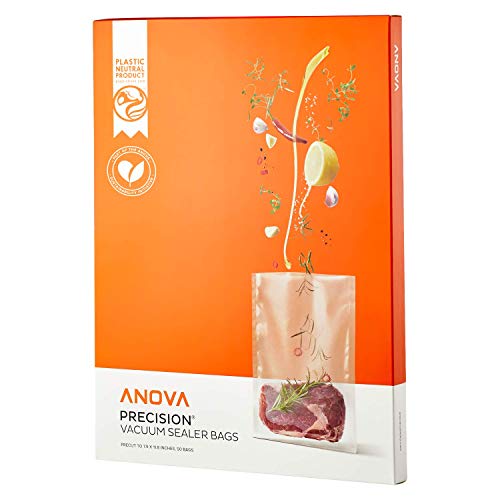
PRE-CUT FOR THE QUICKNESS: Including 50 8. 6″ x 11. 8″ bags with easy-tear tops, you can drop your food directly into your bag, seal it up, and get straight to cooking. A perfect option for the cook who likes to move quickly in the kitchen.
Improved Longevity
Vacuum sealing extends the lifespan of garden seeds considerably. Seeds can remain viable for five to ten years when properly sealed, compared to the typical one to three years for unsealed seeds. By removing air and limiting exposure to light, vacuum sealing slows down the degradation process. This method ensures your seeds maintain the necessary energy to sprout, even after years of storage.
Protection from Pests and Moisture
Vacuum sealing effectively protects seeds from pests and moisture. Insects and rodents pose a threat to seed integrity, often consuming stored seeds. Vacuum-sealed bags create a barrier that deters pests from accessing the seeds. Additionally, moisture can lead to mold and fungal growth, ruining seed quality. Vacuum sealing eliminates air, reducing humidity and safeguarding seeds against spoilage. Keeping seeds dry ensures they stay healthy and ready for planting.
How to Vacuum Seal Garden Seeds
Vacuum sealing garden seeds enhances their longevity and viability. Follow these steps for successful vacuum sealing.
Recommended Products

HEAVY DUTY AND PUNCTURE PREVENTION - 200 pack of 6 by 10 inch precut bags with embossed channels to increase suction, with a box for storage, keep fresh without freezer burn or dehydration
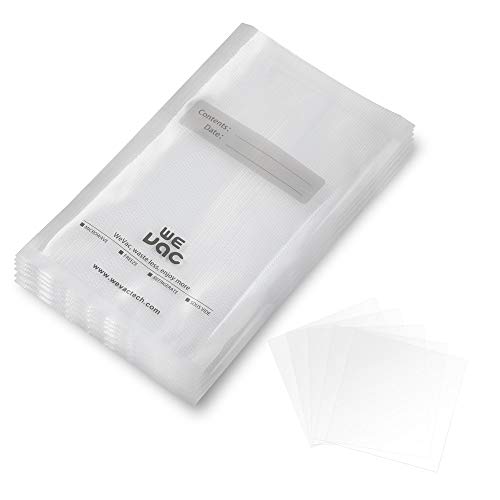
HEAVY DUTY AND PUNCTURE PREVENTION - 6x10 pre-cut pint bags with embossed channels increase suction, keep fresh without freezer burn or dehydration

Effortless and Precise Cutting: The 11-inch x 150-feet vacuum sealer rolls include a cutter for maximum convenience. Simply mount the cutter onto the box, pull a portion of the roll through the top opening, and easily customize the size you need. This can ensure smooth, even and straight cuts, significantly faster and more accurate than using scissors, making the process simpler and saving your time.
Choosing the Right Equipment
- Vacuum Sealer: Use a reliable vacuum sealer. Choose between countertop models or handheld versions based on your needs.
- Vacuum Seal Bags: Select bags specifically designed for vacuum sealing. These bags prevent moisture and air from entering.
- Scissors: Keep a pair of scissors handy to trim the bags if necessary.
- Labels: Use waterproof labels or markers for clear identification of seed types and dates.
- Gather Seeds: Collect your seeds. Ensure they are dry and free from debris.
- Prepare Bags: Cut the vacuum seal bags to an appropriate size. Allow enough space to hold seeds without overcrowding.
- Fill Bags: Place seeds in the bags. Avoid overfilling and leave some space at the top for sealing.
- Seal Bags: Insert the open end of the bag into the vacuum sealer. Follow the manufacturer’s instructions to create a tight seal.
- Label Bags: Write the seed type and date on the label. Affix it securely on the bag for future reference.
- Store Properly: Place sealed bags in a cool, dark, and dry location. This storage method optimizes the environment for longevity.
Following these steps ensures your garden seeds remain viable and protected for many planting seasons.
Considerations Before Vacuum Sealing
Before vacuum sealing your garden seeds, it’s important to consider a few key factors to ensure optimal results.
Recommended Products
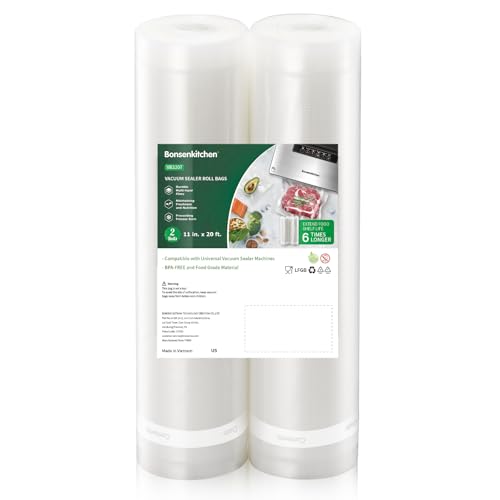
【BPA FREE】Bonsenkitchen vacuum food sealer roll bags can be microwaved, frozen, re-used, washed, boiled and dishwasher safe. Allows you to precisely control your cooking temperature to achieve perfect results. You can cook sous vide in Bonsenkitchen bags by placing them in water at any temperature up to 230°F/110°C

Works with All Desktop Vacuum Sealers: These vacuum sealer bags are designed to work with all large desktop vacuum sealer machines. (Notice: The precut bags have no zipper or air valve and cannot be used with handheld vacuum sealers.)

HEAVY DUTY AND PUNCTURE PREVENTION - 8x12 pre-cut Quart bags with embossed channels increase suction, keep fresh without freezer burn or dehydration
Seed Type and Longevity
Different seed types have varying shelf lives. For example, some seeds, like beans and peas, can last up to four years when sealed, while others, like onion and parsnip seeds, may last only one year. Knowing the longevity of specific seed types helps you prioritize which seeds to vacuum seal. Focus on preserving seeds that have shorter shelf lives to maximize their viability for your garden.
Environmental Factors
Environmental conditions play a crucial role in seed preservation. Seeds should be stored in a cool, dark, and dry location after vacuum sealing. High temperatures or humidity can compromise seed quality, leading to decreased germination rates. An ideal storage temperature ranges from 32°F to 41°F (0°C to 5°C). Avoid placing vacuum-sealed seeds in garages, attics, or basements where temperatures fluctuate. Using a consistent, climate-controlled storage area enhances seed longevity.
Conclusion
Vacuum sealing your garden seeds is a smart way to keep them fresh and viable for years to come. By removing air and moisture you’re creating the perfect environment for storage. This simple method not only protects your seeds from pests but also extends their shelf life significantly.
As you prepare for your next planting season take the time to vacuum seal those precious seeds. Remember to choose the right seeds for sealing and store them in a cool dark place. With just a little effort you can ensure that your garden thrives year after year. Happy gardening!
Frequently Asked Questions
Why is it important to keep garden seeds fresh?
Keeping garden seeds fresh is crucial to ensure their viability for planting. Fresh seeds generally have a higher germination rate, leading to healthier plants. Storing seeds properly minimizes the risk of moisture and pests, which can degrade seed quality over time.
How long can vacuum-sealed seeds last?
Vacuum-sealed seeds can last between five to ten years, significantly longer than unsealed seeds, which typically last only one to three years. This is due to reduced exposure to air and moisture, which helps maintain their viability.
What materials do I need for vacuum sealing seeds?
To vacuum seal seeds, you need a reliable vacuum sealer, vacuum seal bags, and a clean, dry workspace. Gather your seeds and ensure they’re prepared and dried before sealing to maintain their quality.
What are the steps for vacuum sealing seeds?
To vacuum seal seeds, first gather materials. Prepare the seeds by ensuring they are clean and dry. Fill the vacuum seal bags with seeds, then seal them using the vacuum sealer. Finally, label the bags with the seed type and date for easy identification.
How should I store vacuum-sealed seeds?
Store vacuum-sealed seeds in a cool, dark, and dry environment. Ideally, temperatures should be kept between 32°F to 41°F (0°C to 5°C). Ensure the storage area is climate-controlled to enhance seed longevity and prevent deterioration.
Are there any seeds that don’t benefit from vacuum sealing?
Yes, some seeds, like onion and parsnip seeds, have shorter shelf lives and may last only one year even when vacuum sealed. Prioritizing seeds with longer viability for vacuum sealing is essential for maximizing storage effectiveness.

My interest in trees started when I first saw the giant sequoias in Yosemite.I was a teenager then, and I remember thinking, “I need to learn more about this.”That moment stuck with me.A few years later, I went on to study forestry at Michigan Tech.
Since graduating, I’ve worked in a mix of hands-on tree care and community education.I’ve spent over ten years helping people understand how to plant, maintain, and protect the trees in their neighborhoods.I don’t see trees as just part of the landscape.They are living things that make a real difference in our daily lives.