Have you ever wondered if you can swap garden soil for potting soil? You’re not alone! Many gardeners face this dilemma, especially when they’re looking to save a few bucks or make use of what they have on hand.
Using garden soil might seem like a simple solution, but it comes with its own set of challenges. This article will help you understand the key differences between garden soil and potting soil, so you can make the best choice for your plants. By the end, you’ll know whether it’s worth the risk or if sticking with potting soil is the way to go.
Key Takeaways
- Potting Soil vs. Garden Soil: Potting soil is specifically designed for containers, offering better drainage, nutrient balance, and a sterile environment, while garden soil is denser and may introduce pests or diseases.
- Benefits of Potting Soil: Potting soil is nutrient-rich, well-draining, and pH balanced, making it ideal for healthy plant growth in pots and containers.
- Characteristics of Garden Soil: Garden soil consists of topsoil, organic matter, and various particle sizes but may lead to compaction and poor drainage when used in containers.
- Situational Use of Garden Soil: Garden soil can be a temporary solution for established, non-edible plants or outdoor containers, but the risks of pests, diseases, and inconsistent texture should be considered.
- Best Practices for Container Gardening: For optimal results, use a well-blended potting mix or create your own with components like peat moss, perlite, and vermiculite for effective moisture retention and drainage.
- Explore Alternatives: Alternatives to traditional potting soil include compost, topsoil, wood chips, and coconut fiber, each with unique benefits suitable for various plant types.
Overview of Potting Soil
Potting soil is a specialized mix designed for container gardening. It provides optimal conditions for plant growth, unlike garden soil. Understanding its components and benefits can help you make informed gardening choices.
Recommended Products

HELPS REGULATE SOIL MOISTURE: Miracle-Gro Organic Indoor Potting Soil Mix is an organic potting soil that protects indoor plants against over and under watering

INDOOR GROWING: Growing indoors is easy under the right conditions; Miracle-Gro Houseplant Potting Mix is an indoor plant potting soil that combines key elements container plants need to thrive

ALL-NATURAL MIX: Burpee Organic Premium Potting Mix is formulated with plant food & coconut coir to promote seed & root growth and healthy flower, vegetable & herb plants. OMRI Listed for organic use.
What Is Potting Soil?
Potting soil consists of a blend of materials tailored for container plants. Key ingredients include:
- Peat Moss: Retains moisture while providing aeration.
- Coconut Coir: An eco-friendly alternative to peat, offering similar moisture retention.
- Perlite: Improves drainage and prevents compaction.
- Vermiculite: Enhances moisture retention and nutrient availability.
These components create a lightweight, well-draining medium, essential for healthy root development.
Benefits of Using Potting Soil
Using potting soil offers several advantages for container plants, including:
- Nutrient-Rich: Pre-mixed with fertilizers to promote strong growth.
- Well-Draining: Prevents waterlogging, reducing the risk of root rot.
- Sterile Composition: Minimizes pests and diseases often found in garden soil.
- pH Balanced: Optimized for various plants, ensuring nutrient access.
These benefits make potting soil an ideal choice for gardening in pots, ensuring your plants thrive in controlled environments.
Characteristics of Garden Soil
Garden soil consists of a mix of various natural components that influence its suitability for plant growth. Understanding its characteristics helps clarify its role compared to potting soil.
Composition of Garden Soil
Garden soil mainly contains:
- Topsoil: The top layer of soil rich in organic matter and nutrients. It supports most plant growth.
- Clay, Silt, and Sand: These particles differ in size and texture, affecting water retention and drainage. A balance is crucial for healthy root development.
- Organic Matter: Decomposed plant material and microorganisms enhance soil fertility and structure.
- Microorganisms: Beneficial bacteria and fungi contribute to nutrient cycling and disease suppression.
This diverse composition can vary widely based on location and environmental factors, impacting its effectiveness for container growing.
Advantages and Disadvantages of Garden Soil
Using garden soil has both advantages and disadvantages.
Advantages:
- Cost-effective: Utilizing existing garden soil saves money compared to buying potting mixes.
- Natural Fertility: Garden soil often contains nutrients that support plant growth, especially if enriched with compost.
- Increased Microbial Activity: The presence of beneficial microorganisms enhances soil health.
Disadvantages:
- Compaction Risk: Garden soil is denser than potting soil, which can restrict root expansion and air exchange.
- Pest and Disease Risk: Garden soil may introduce pests or pathogens that can harm container plants.
- Poor Drainage: Excess water retention can lead to root rot, as garden soil often lacks the aeration provided by potting soil’s components.
Knowing these characteristics helps you make an informed choice about using garden soil in place of potting soil.
Can You Use Garden Soil in Place of Potting Soil?
Using garden soil as a substitute for potting soil can be tempting, especially when resources are limited. However, it’s essential to weigh the pros and cons before making this decision.
Recommended Products

You will receive (1) 1.5-cubic foot bags of potting soil with 2 plant tags to easily label varieties and planting dates with per purchase.

Miracle-Gro Indoor Potting Mix for All Plants feeds houseplants for up to 6 months and grows healthier, more resilient plants (vs unfed when used as directed)
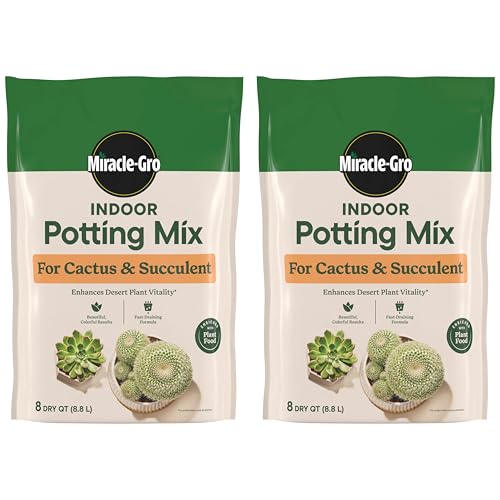
Miracle-Gro Indoor Potting Mix for Cactus and Succulent is enriched with Miracle-Gro Plant Food and enhances desert plant vitality (vs unfed plants when used as directed)
Situations Where It Might Work
Using garden soil can be suitable in specific scenarios:
- Established Plants: If you’re transplanting established plants from your garden into larger containers, garden soil may suffice for a temporary solution.
- Non-Edible Plants: You can use garden soil for ornamental plants that aren’t prone to disease, such as certain flowers, where the risks matter less.
- Outdoor Containers: In garden beds or outdoor container gardens, garden soil might work better, as it can mingle with local earth and naturally drain.
- Cost Constraints: When you’re working within a tight budget, using garden soil for larger plants or bulk containers can save money while fulfilling immediate needs.
Risks of Using Garden Soil
While there are situations where garden soil may work, consider these risks:
- Pests and Diseases: Garden soil may contain pests, diseases, or weed seeds that can harm your plants or spread to nearby garden areas.
- Compaction: Garden soil can compact in containers, limiting root growth and drainage. This might lead to poor plant health.
- Nutrient Imbalance: The nutrient content of garden soil varies and may not provide the balanced nutrition that potting soil offers. This imbalance can hinder plant growth.
- Inconsistent Texture: Unlike potting soil, which is finely mixed, garden soil’s texture may vary, impacting its ability to drain effectively.
Understanding these factors can guide your decision on using garden soil versus potting soil, helping you make informed choices for your plants’ success.
Best Practices for Container Gardening
Container gardening requires careful consideration of soil choices to ensure plant health. Using the right soil mix affects drainage, nutrient availability, and overall plant vigor.
Recommended Products

8qt bag of Premium Horticultural Grade Perlite to promote root growth, soil aeration & drainage

Organic Perlite Soil Conditioner: 120-quart organic perlite provides a clean, sterile, pH-neutral mineral medium for soil conditioning, supporting improved drainage and aeration

100% Natural Soil Amendment for Plants - Plantonix Vermiculite Bliss is a natural soil amendment that traps nutrients in the soil, before gradually releasing them into plant roots as needed. Over time, vermiculite drastically improves nutrient retention and availability, leading to higher nutrient uptake and optimizing soil conditions for increased plant vigor.
Choosing the Right Soil Mix
Selecting an appropriate soil mix significantly impacts container gardening success. Aim for a blend that offers good drainage, aeration, and moisture retention. For most container gardens, consider using a commercial potting mix or create your own mix. Here are essential components to include:
- Peat Moss: Retains moisture while providing acidity.
- Coconut Coir: An eco-friendly alternative to peat, enhancing water retention.
- Perlite: Promotes drainage and prevents compaction.
- Vermiculite: Helps retain moisture and provides aeration.
Blend these components in ratios that suit the specific needs of your plants. For example, a typical mix might include 40% peat moss, 30% perlite, and 30% vermiculite.
Alternatives to Potting Soil
If you’re considering alternatives to traditional potting soil, various options are available. Each alternative has advantages and considerations for use:
- Compost: Rich in nutrients and beneficial microorganisms. Mix it with perlite or sand for better drainage.
- Topsoil: It can be mixed with compost for cost-effectiveness. Be wary of pests and diseases if using garden soil.
- Wood Chips: Best for ornamental plants, providing aeration. They decompose over time, adding nutrients.
- Coconut Fiber: A sustainable option that retains moisture without becoming compacted.
Experiment with these alternatives based on your plant types and local availability. Monitor plant growth and adjust the mixtures as needed.
Conclusion
Choosing between garden soil and potting soil can feel overwhelming but knowing the differences makes it easier. While garden soil might save you some money and offer natural nutrients it comes with risks that could harm your plants.
If you’re looking for healthy thriving plants in containers potting soil is usually the safer bet. It’s specifically designed for this purpose and provides the ideal conditions for growth. But don’t hesitate to experiment with alternatives if you feel adventurous. Just remember to keep an eye on your plants and adjust as needed. Happy gardening!
Frequently Asked Questions
Can garden soil be used as a substitute for potting soil?
Using garden soil as a substitute for potting soil is generally not recommended. While it may seem cost-effective, garden soil can lead to issues like poor drainage and the introduction of pests or diseases. Potting soil is specifically formulated to support healthy plant growth in containers.
What are the main components of potting soil?
Potting soil typically contains components like peat moss, coconut coir, perlite, and vermiculite. These ingredients create a lightweight, well-draining medium that provides essential nutrients and aeration for optimal root development in container gardening.
What are the benefits of using potting soil?
Potting soil offers many benefits, including a nutrient-rich composition, excellent drainage, a sterile environment, and proper pH balance. These qualities make it ideal for growing plants in containers, ensuring healthier growth and reduced risk of disease.
What is the composition of garden soil?
Garden soil consists of topsoil, clay, silt, sand, organic matter, and microorganisms. Its composition can vary widely depending on the location, which can impact its effectiveness for container gardening and overall plant health.
What are the risks of using garden soil for potted plants?
Using garden soil can introduce pests and diseases, cause compaction issues, and lead to inconsistent texture or drainage problems. These risks can hinder the growth and health of potted plants compared to using specialized potting soil.
When might using garden soil be appropriate?
Garden soil can be suitable for transplanting established plants, non-edible ornamental plants, or outdoor container gardens. However, it’s essential to consider potential risks and ensure proper care to mitigate issues like pests or nutrient imbalances.
What is the recommended soil mix for container gardening?
A typical recommended soil mix for container gardening is 40% peat moss, 30% perlite, and 30% vermiculite. This combination ensures good drainage, aeration, and moisture retention, creating optimal conditions for plant growth.
What are some alternatives to traditional potting soil?
Alternatives to traditional potting soil include compost, topsoil, wood chips, and coconut fiber. Each has its advantages and disadvantages, so it’s important to choose based on specific plant needs and local availability while monitoring growth.

My interest in trees started when I first saw the giant sequoias in Yosemite.I was a teenager then, and I remember thinking, “I need to learn more about this.”That moment stuck with me.A few years later, I went on to study forestry at Michigan Tech.
Since graduating, I’ve worked in a mix of hands-on tree care and community education.I’ve spent over ten years helping people understand how to plant, maintain, and protect the trees in their neighborhoods.I don’t see trees as just part of the landscape.They are living things that make a real difference in our daily lives.