Have you ever wondered if leaf mulch could be the secret ingredient to a thriving garden? You’re not alone. Many gardeners face the challenge of finding effective ways to enrich their soil and boost plant health. Leaf mulch, often overlooked, might just be the answer sitting right in your yard.
Key Takeaways
- Enhances Soil Quality: Leaf mulch adds organic matter, improving soil fertility and promoting plant growth as it decomposes.
- Moisture Retention: It retains moisture effectively, reducing evaporation and minimizing the frequency of watering, especially during dry spells.
- Types and Benefits: Shredded leaves break down faster for quick nutrient release, while whole leaves can provide long-lasting moisture retention.
- Effective Application: Apply a 2-3 inch layer of leaf mulch around plants, ensuring it does not touch stems to prevent rot and promote even water distribution.
- Potential Drawbacks: Be aware of risks such as attracting pests and potential nutrient imbalances; regular monitoring and soil testing can help mitigate issues.
- Best Leaves for Mulching: Maple, oak, beech, and chestnut leaves are excellent choices, each offering unique benefits for soil health and plant growth.
Benefits Of Using Leaf Mulch
Leaf mulch offers multiple advantages for your garden, making it a choice you can’t overlook. Utilizing this natural resource enriches soil, promotes plant growth, and supports a healthier ecosystem.
Improves Soil Health
Leaf mulch enhances soil quality by adding organic matter. As it decomposes, it releases nutrients like nitrogen, phosphorus, and potassium. This process boosts soil fertility, benefiting plants. For example, you might notice vigorous root development and increased flower production in vegetable gardens. Using shredded leaves creates a fine layer of mulch that integrates easily into the soil, improving its texture and structure.
Retains Moisture
Leaf mulch effectively retains moisture in the soil. It acts as an insulating layer, reducing evaporation from the surface. This helps maintain consistent moisture levels, making it easier for plants to absorb water. For instance, during dry spells, gardens with leaf mulch require less frequent watering. When mulching, apply a layer approximately 2-3 inches deep around your plants. This thickness prevents weeds while allowing water to soak through, benefiting your garden’s overall health.
Types Of Leaf Mulch
Leaf mulch comes in various forms, each offering distinct benefits to your garden. Understanding these types helps you choose the best option for your gardening needs.
Shredded Vs. Whole Leaves
Shredded leaves break down faster than whole leaves, enhancing nutrient release into the soil. Shredded mulch also settles well, providing better coverage and preventing wind from blowing it away. Whole leaves mat together, creating a barrier that may impede water and air penetration. For quicker results, opt for shredded leaves. If you prefer a slower decomposition process, whole leaves are acceptable.
Best Leaves For Mulching
Certain leaves work better than others for mulching due to their decomposition rates and nutrient content.
- Maple Leaves: Decompose quickly and improve soil structure.
- Oak Leaves: High in tannins, they take longer to break down but enrich the soil over time.
- Beech Leaves: They stay intact for longer periods, which can be advantageous for moisture retention.
- Chestnut Leaves: Contain natural fungicides that can mitigate diseases in your garden.
Choosing the right leaves enhances soil health and supports plant growth while effectively suppressing weeds and retaining moisture.
How To Apply Leaf Mulch
Applying leaf mulch correctly enhances its benefits for your garden. Follow these guidelines for effective use.
Recommended Products
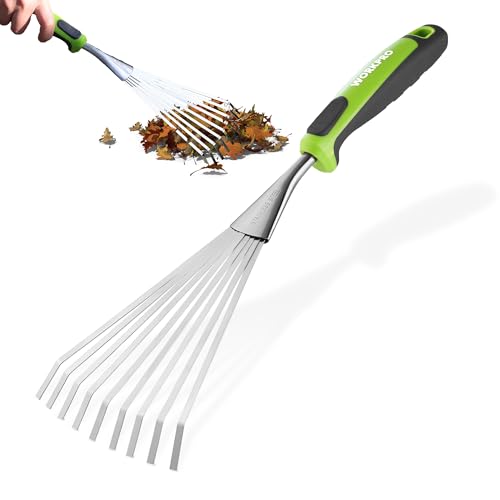
Compact & Versatile Garden Rake: The small rake is designed to reach where full-size rakes can’t. This stainless steel rake easily gets into cracks and crevices and around delicate plants. Ideal for clearing fallen leaves, spreading mulch, and lightly tilling soil in small garden spaces. A must-have garden tool for precision gardening!

Thickened 1" diameter yard rake with rustproof&skidproof old school polish and paint spraying is stronger for heavy yard duty without snaps.

Preparing Your Garden Bed
Prepare your garden bed before applying leaf mulch. Start by removing weeds and debris. Clear the area around your plants, ensuring no unwanted plants compete for nutrients. If necessary, till the soil to aerate it and boost microbial activity. Level the surface to promote even water distribution. Once the bed is ready, it’s time to add your leaf mulch.
Ideal Thickness Of Mulch Layer
Apply a 2-3 inch layer of leaf mulch around your plants. This thickness effectively suppresses weeds while allowing water and nutrients to reach the soil. Spread the mulch evenly, avoiding direct contact with plant stems to prevent rot. Check periodically for settling; if the layer thins, replenish with more leaf mulch as needed. Proper thickness maintains moisture, supports healthy growth, and protects the soil.
Potential Drawbacks
While leaf mulch offers numerous benefits, certain drawbacks exist. Understanding these limitations helps you make informed decisions for your garden.
Recommended Products

FIX DRY, HYDROPHOBIC SANDY SOIL FAST Tired of watering constantly while your soil stays dry and lifeless? Florasoul Soil Food SAND transforms loose sandy dirt into moisture-retaining, plant-friendly soil by adding powerful humic acid and rich organic matter that helps water stay where plants need it most.

𝐍𝐀𝐓𝐔𝐑𝐀𝐋 𝐆𝐀𝐑𝐃𝐄𝐍𝐈𝐍𝐆: Our hemp garden mulch is ideal for gardeners seeking a natural approach. Safe and free from harmful chemicals, it helps retain moisture, suppress weeds, and breaks down over time to enrich your soil, making it an easy, eco-friendly choice for a healthier garden.
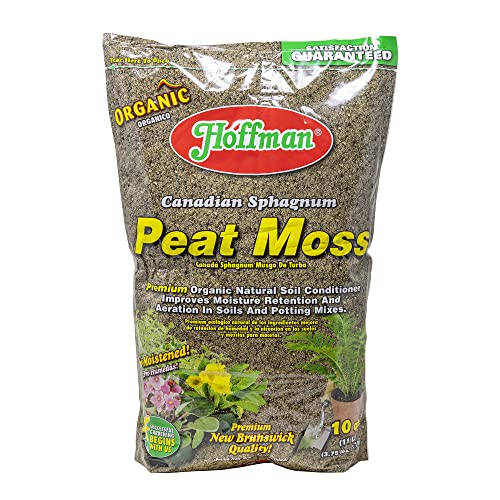
Natural soil conditioner improves moisture retention and aeration in soils and potting mix
Risk Of Pests
Leaf mulch can attract pests like slugs, snails, or even rodents. These creatures may find shelter in the warm, moist environment created by the mulch. Monitoring your garden regularly helps identify and address any pest issues early. You can also combine leaf mulch with plants that deter pests, such as marigolds or garlic.
Nutrient Imbalance
Leaf mulch may not provide a complete nutrient profile. Some leaves, particularly those from black walnut trees, can contain compounds that inhibit plant growth. Testing your soil for nutrient levels allows you to determine if additional fertilizers or amendments are necessary. Combining leaf mulch with compost enriches the soil, ensuring your plants receive the required nutrients for healthy growth.
Conclusion
Using leaf mulch in your garden can be a game changer for soil health and plant vitality. It’s a sustainable and cost-effective way to enhance your garden’s ecosystem while keeping weeds at bay. Just remember to choose the right type of leaves and apply them correctly to get the most benefits.
Keep an eye on your garden for any pest issues and consider supplementing with compost if needed. With a little care and attention, leaf mulch can help create a thriving garden that flourishes season after season. Happy gardening!
Frequently Asked Questions
What is leaf mulch, and how does it benefit garden soil?
Leaf mulch is a layer of decomposed leaves used to enrich garden soil. It benefits soil health by adding organic matter, improving fertility, and releasing essential nutrients as it breaks down. This helps in better root development and increased flower production.
How should I apply leaf mulch in my garden?
To apply leaf mulch, first clear weeds and debris from the garden bed, then till the soil for aeration. Spread a 2-3 inch layer of leaf mulch evenly around plants, avoiding direct contact with stems. This retains moisture and suppresses weeds effectively.
Are shredded leaves better than whole leaves for mulching?
Yes, shredded leaves break down faster, enhancing nutrient release and providing better coverage. Whole leaves can create barriers that impede water and air penetration. For optimal results, use shredded leaves for quicker decomposition and better moisture retention.
What types of leaves are best for mulching?
The best leaves for mulching include maple, oak, beech, and chestnut leaves. Each type has unique decomposition rates and nutrient content, making them effective for enhancing soil health and supporting plant growth.
What potential drawbacks should I be aware of when using leaf mulch?
Leaf mulch can attract pests like slugs and rodents due to the moist environment it creates. Regular garden monitoring is essential to address pest issues. Additionally, some leaves, such as those from black walnut trees, may inhibit plant growth.
How can I combine leaf mulch with compost for better results?
Combining leaf mulch with compost can enrich the soil, boosting nutrient availability for plants. The decomposition of both materials adds organic matter and promotes a healthier garden ecosystem, ensuring that your plants receive the necessary nutrients for growth.

My interest in trees started when I first saw the giant sequoias in Yosemite.I was a teenager then, and I remember thinking, “I need to learn more about this.”That moment stuck with me.A few years later, I went on to study forestry at Michigan Tech.
Since graduating, I’ve worked in a mix of hands-on tree care and community education.I’ve spent over ten years helping people understand how to plant, maintain, and protect the trees in their neighborhoods.I don’t see trees as just part of the landscape.They are living things that make a real difference in our daily lives.