Have you ever wondered if potting soil can be a good fit for your garden? You’re not alone. Many gardeners face the dilemma of whether to stick with traditional garden soil or give potting soil a try.
Imagine you’ve got a patch of earth ready for planting but aren’t sure what soil will help your plants thrive. This article will guide you through the pros and cons of using potting soil in your garden. You’ll discover how it can affect plant growth and what to consider before making the switch. By the end, you’ll feel confident about choosing the right soil for your gardening needs.
Key Takeaways
- Understanding Composition: Potting soil is a specialized mix featuring components like peat moss, perlite, and compost that provide lightweight, well-drained conditions ideal for potted plants.
- Differences in Texture and Nutrient Content: Unlike denser garden soil, potting soil offers faster drainage and often includes added fertilizers, beneficial for container gardening.
- Moisture Retention Benefits: Potting soil excels at retaining moisture, ensuring plants have consistent hydration, which reduces drought stress.
- Potential Drawbacks: High drainage rates of potting soil can lead to moisture retention issues in heavy rain, and varying pH levels may not suit all plants.
- Mixing Best Practices: Combining potting soil with garden soil enhances moisture retention and nutrient availability, leading to healthier plant growth.
- Regular Monitoring: Evaluate moisture levels and soil pH regularly to ensure optimal conditions for your garden plants.
Understanding Potting Soil
Potting soil plays a crucial role in gardening. It’s a blend of materials designed specifically for container plants. Understanding its components and differences from garden soil helps make informed decisions.
What Is Potting Soil?
Potting soil, often labeled as potting mix, combines organic matter and other materials. Common components include:
- Peat Moss: Retains moisture and provides structure.
- Perlite: Improves drainage and aeration.
- Vermiculite: Enhances moisture retention and nutrient availability.
- Compost: Adds essential nutrients to promote growth.
These components create a lightweight, well-draining medium ideal for potted plants. The composition can vary by brand, so always check the label for specifics.
Differences Between Potting Soil and Garden Soil
Potting soil and garden soil differ significantly in composition and purpose. Key differences include:
- Texture: Potting soil is lighter, while garden soil is denser.
- Nutrient Content: Potting soil often has added fertilizers, whereas garden soil relies on natural nutrients.
- Drainage: Potting soil drains faster than garden soil, preventing root rot for container plants.
- Microbial Life: Garden soil contains a diverse range of microorganisms, while potting soil is typically sterilized to reduce pests and diseases.
These distinctions matter based on your gardening goals. If you need good drainage in containers, potting soil proves beneficial. For in-ground planting, garden soil often provides better nutrient depth.
Benefits of Using Potting Soil in the Garden
Using potting soil offers several advantages for your garden. It provides a unique blend of components that can enhance plant growth and overall garden health.
Retained Moisture
Potting soil retains moisture effectively. Its composition, which often includes peat moss, allows it to absorb and hold water better than regular garden soil. When you use potting soil, your plants benefit from consistent moisture levels, reducing the risk of drought stress. For example, if you grow potted herbs, potting soil helps keep them hydrated without constant watering.
Nutrient-Rich Composition
Potting soil contains essential nutrients for plant development. The mixture typically comprises fertilizers, compost, and organic materials, enriching the soil with vitamins and minerals. This nutrient-rich environment supports robust root growth and vigorous plant health. For instance, when you plant vegetables, the extra nutrients in potting soil encourage faster growth and higher yields compared to traditional garden soil.
Potential Drawbacks of Potting Soil in Garden Use
Using potting soil in your garden can present several challenges. Understanding these limitations helps you make informed decisions for your gardening needs.
Drainage Issues
Potting soil often drains quickly, which might lead to problems in certain garden settings. In regions with heavy rainfall, the high drainage rate can result in a lack of moisture retention. This can stress plant roots and affect growth. You might notice plants wilting or struggling if they can’t access enough water. To mitigate this, consider mixing potting soil with garden soil or compost, which can boost moisture retention while still allowing for drainage.
pH Levels and Soil Health
Potting soil typically has a neutral to slightly acidic pH, which may not align with the needs of all plants. Most garden plants thrive in slightly acidic to neutral pH levels, but specific plants, like blueberries, require more acidic conditions. If you use potting soil with a pH that’s not suitable, plant health could suffer. Regularly test your soil’s pH, and amend it with the appropriate materials based on your plants’ needs. Incorporating organic matter can also help improve overall soil health and balance pH levels.
Best Practices for Using Potting Soil in the Garden
Using potting soil in the garden offers unique benefits and considerations. Implementing best practices ensures optimal results for your plants.
Recommended Products

HELPS REGULATE SOIL MOISTURE: Miracle-Gro Organic Indoor Potting Soil Mix is an organic potting soil that protects indoor plants against over and under watering
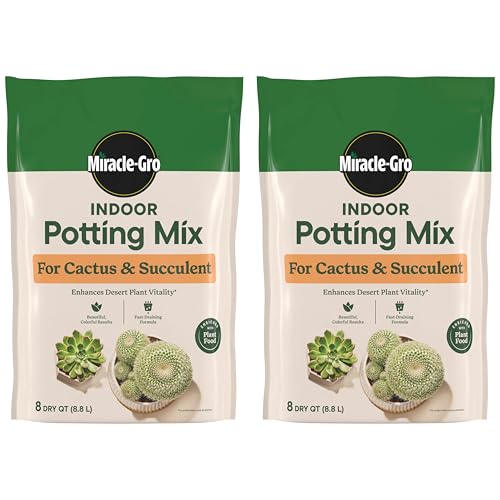
Miracle-Gro Indoor Potting Mix for Cactus and Succulent is enriched with Miracle-Gro Plant Food and enhances desert plant vitality (vs unfed plants when used as directed)

ALL-NATURAL MIX: Burpee Organic Premium Potting Mix is formulated with plant food & coconut coir to promote seed & root growth and healthy flower, vegetable & herb plants. OMRI Listed for organic use.
Mixing with Garden Soil
Mixing potting soil with garden soil enhances its performance. Combine equal parts of both for a balanced medium. This mix improves moisture retention and adds texture, which supports healthy root development. For high-drainage areas, incorporate more garden soil to help stabilize moisture levels. Conversely, if you’re growing moisture-loving plants, increase the potting soil ratio to boost water retention.
Application Techniques
Applying potting soil properly can maximize its benefits. Start by preparing the garden bed. Clear debris and loosen the top layer of soil. Next, spread your potting soil mix evenly across the area. Work it into the garden bed with a rake to ensure an even distribution. When planting, fill your planting holes with the potting soil mix to create a nutrient-rich environment for your plants.
Consider layering potting soil in raised beds or containers. Add a layer of potting soil on the bottom, followed by a layer of garden soil. This layered approach improves drainage while providing nutrients to the roots.
Evaluate moisture levels regularly. If you notice the soil drying out quickly, you may need to adjust your mix. Adding organic matter like compost can help retain moisture and enhance nutrient content.
By following these best practices, you effectively utilize potting soil in your garden, promoting healthy plant growth and vibrant blooms.
Conclusion
Using potting soil in your garden can be a game-changer if you know how to make it work for you. Its lightweight and nutrient-rich qualities can boost plant growth and help maintain moisture levels.
Just remember to consider your specific plants’ needs and the local climate. Mixing potting soil with garden soil can create a balanced environment that supports healthy roots and vibrant blooms.
With a little experimentation and care you can enjoy the benefits of potting soil while avoiding potential pitfalls. Happy gardening!
Frequently Asked Questions
Is potting soil suitable for gardening?
Yes, potting soil can be suitable for gardening, especially for container plants. It is lightweight and well-draining, which promotes healthy root growth. However, gardeners should consider mixing potting soil with garden soil for better moisture retention and nutrient balance.
What is potting soil made of?
Potting soil typically consists of components like peat moss, perlite, vermiculite, and compost. This combination creates a medium that retains moisture while allowing excess water to drain, making it an effective choice for potted plants.
What are the benefits of using potting soil?
Potting soil offers various benefits, including excellent drainage, moisture retention, and a nutrient-rich environment for plants. It supports robust root development and can lead to quicker growth and higher yields, making it ideal for vegetables and herbs.
Are there drawbacks to using potting soil?
Yes, potting soil can drain quickly, potentially leading to moisture stress in heavy rainfall conditions. It also has a neutral to slightly acidic pH, which may not suit all plants. Regular pH testing and possible amendments are advisable for optimal plant health.
How can I improve potting soil for garden use?
Mixing potting soil with garden soil or compost is recommended to enhance moisture retention and nutrient availability. A balanced ratio, such as equal parts of each, can improve soil performance, support root health, and optimize plant growth.
What is the best way to apply potting soil in the garden?
To effectively apply potting soil, prepare the garden bed and evenly distribute the potting soil mix. Layering is essential in raised beds or containers to enhance drainage and nutrient access. Regularly evaluate moisture levels and adjust the soil mix as needed.

My interest in trees started when I first saw the giant sequoias in Yosemite.I was a teenager then, and I remember thinking, “I need to learn more about this.”That moment stuck with me.A few years later, I went on to study forestry at Michigan Tech.
Since graduating, I’ve worked in a mix of hands-on tree care and community education.I’ve spent over ten years helping people understand how to plant, maintain, and protect the trees in their neighborhoods.I don’t see trees as just part of the landscape.They are living things that make a real difference in our daily lives.