Have you ever wondered why your garden isn’t thriving the way you hoped? If your soil feels too dense or drains poorly, you might be considering adding sand. It’s a common thought, but is it really the right solution for your plants?
Imagine trying to grow vibrant flowers or fresh veggies only to face stubborn soil that holds too much water. You’re not alone in this struggle. This article will explore whether adding sand can truly improve your garden soil and help you achieve the lush landscape you desire. By the end, you’ll know the pros and cons of this approach and how to make the best choice for your gardening needs.
Key Takeaways
- Soil Structure is Crucial: Good soil structure promotes air circulation and drainage, essential for healthy plant growth.
- Sand Improves Drainage and Aeration: Adding sand can enhance drainage and aeration in heavy, compacted soils, preventing root rot and allowing roots to access oxygen more easily.
- Balance is Key: The ideal soil composition includes 40% sand, 40% silt, and 20% clay. Over-adding sand can lead to poor nutrient retention and possible compaction.
- Organic Matter is Essential: To combat nutrient retention challenges, incorporate organic matter such as compost to balance the benefits of sand.
- Choose the Right Type of Sand: Coarse and silica sands are best for improving soil, while finer sand, like play sand, should be avoided to prevent compaction.
- Follow Recommended Ratios: For optimal results, mix soil using recommended ratios—40% sand, 40% silt, and 20% clay, or adjust based on specific garden needs.
Understanding Garden Soil Composition
Garden soil consists of various components that influence its structure, drainage, and nutrient content. Recognizing these elements helps you make informed decisions about improving your soil.
Importance of Soil Structure
Soil structure plays a crucial role in plant health. It refers to the arrangement of soil particles and the spaces between them. Good soil structure allows for proper air circulation and drainage. When your soil has a crumbly texture, plant roots can grow more easily, accessing water and nutrients. Compacted soil, on the other hand, can suffocate roots and hinder growth. You can enhance soil structure by incorporating organic matter, such as compost, to promote a balanced environment for your plants.
Role of Sand in Soil
Sand serves a specific purpose in garden soil. It’s larger than silt and clay particles, providing excellent drainage. When you add sand, you create larger pore spaces that allow excess water to flow away, reducing the risk of root rot. However, too much sand can lead to poor nutrient retention since sand doesn’t hold water or nutrients well. The ideal blend of soil typically includes 40% sand, 40% silt, and 20% clay. When considering adding sand, evaluate your existing soil type. For example, if you have heavy clay soil, combining sand with organic matter can create a well-balanced mix that enhances both drainage and fertility.
Benefits of Adding Sand to Garden Soil
Adding sand to garden soil offers several advantages, particularly for gardeners facing issues with drainage and soil texture.
Recommended Products
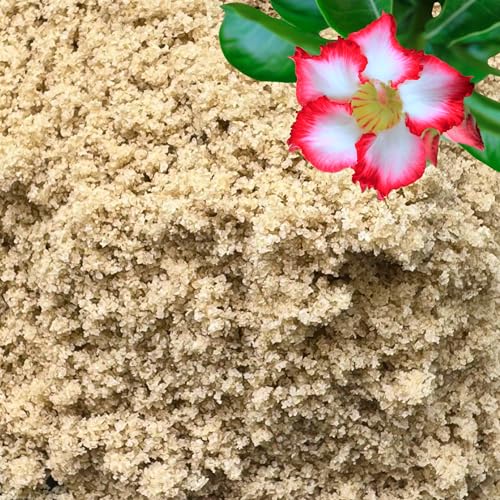
🌿 Transform Your Potting Mix – Plants Will Thank You Improve soil structure and drainage in seconds. This soft, fine-grain potting sand adds gentle aeration to indoor mixes, helping roots grow stronger, faster, and healthier in every pot.

Improves the look of house plants by covering soil.
🌿 Transform Your Potting Mix – Plants Will Thank You Improve soil structure and drainage in seconds. This soft, fine-grain potting sand adds gentle aeration to indoor mixes, helping roots grow stronger, faster, and healthier in every pot.
Improved Drainage
Improved drainage is one of the primary benefits of incorporating sand into your garden soil. Sand creates larger pore spaces, which allows excess water to flow through the soil more efficiently. For example, if you notice standing water in your garden after rain, adding sand can help facilitate quicker absorption. Proper drainage prevents root rot and encourages healthy plant growth.
Enhanced Aeration
Enhanced aeration significantly benefits your plants’ root systems. Sand loosens compacted soil, improving airflow to the roots. With improved aeration, roots can access oxygen more easily, promoting vigorous growth. Consider mixing sand into heavily compacted areas, such as clay-heavy soils, to enhance aeration and encourage better nutrient uptake by plants. Healthy roots contribute to lush, thriving gardens.
Possible Drawbacks of Adding Sand
Adding sand to garden soil has potential drawbacks that can affect your gardening success. It’s important to consider these challenges before making any adjustments to your soil.
Recommended Products
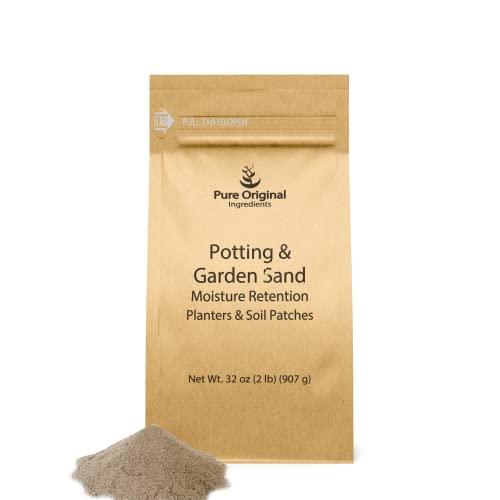
Pure Original Ingredients Potting & Garden Sand

Improves the look of house plants by Covering soil.

Natural mineral soil amendment rich in glauconite (iron, potassium, magnesium, and trace minerals)
Soil Compaction Issues
Sand can contribute to soil compaction, especially if mixed improperly. With the right proportion, sand can aid drainage; however, too much sand can lead to a structure that’s too loose, making it difficult for plants to establish strong root systems. For example, if you add sand to clay soil without balancing it with organic matter, you may create a situation where the soil becomes compacted instead of loose, limiting root growth.
Nutrient Retention Challenges
Another downside is that sand doesn’t retain nutrients well. If you add sand in excess, your soil might struggle to hold essential nutrients like nitrogen, phosphorus, and potassium. For instance, while you might improve drainage, your plants could suffer from nutrient deficiencies, leading to poor growth. To counteract this, consider amending your soil with organic matter, such as compost or well-rotted manure, to improve nutrient retention while still enjoying the benefits of sand.
Best Practices for Mixing Sand with Garden Soil
Adding sand to garden soil can enhance drainage and aeration, but doing it correctly is crucial. Follow these best practices to achieve optimal results.
Recommended Products
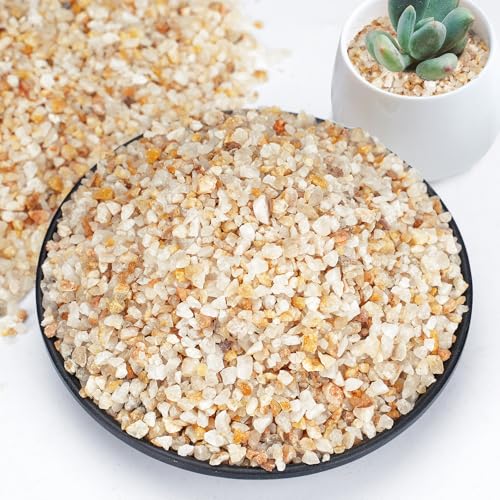
【Natural & Reusable Coarse Sand】The average size of these coarse sand is approximately 1-2mm, with naturally varied shapes that add unique beauty to your plants and bring natural diversity to your garden.
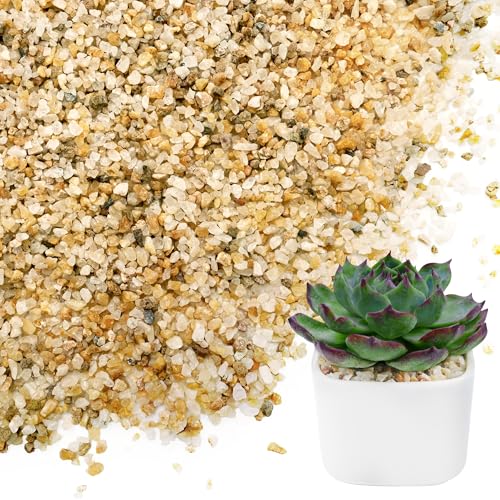
Natural & Reusable Coarse Sand: Our river sand in 1-2mm sizes, made of durable natural silica with no dyes or artificial additives. Washes clean without fading, perfect for long-term use in potting, crafts, and decor.

Pure Natural Silica Sand: A durable, nature-sourced base material that retains its appearance. Its color richly deepens when wet yet rinses clean without fading. Made from pure natural silica with no dyes, it's the reusable base for potting plants, aquarium setups, landscaping, and creative projects
Types of Sand to Use
Use the right type of sand for optimal integration with your garden soil.
- Coarse Sand: Coarse sand is ideal because it creates larger pore spaces, enhancing drainage while preventing soil compaction.
- Silica Sand: Silica sand is another excellent option, as it’s clean and free of impurities that might negatively affect plant growth.
- Play Sand: Avoid play sand, which can be too fine and lead to compaction issues.
Choosing the appropriate sand type ensures effective mixing without compromising soil health.
Recommended Mixing Ratios
Proper mixing ratios contribute to balanced soil composition. Follow these recommendations:
- 40% Sand: Ensures good drainage and aeration.
- 40% Silt: Provides moisture retention and nutrient availability.
- 20% Clay: Helps bind the soil together and retain essential nutrients.
For small patches or container gardens, a simpler mixture can work:
- 1 part sand: Mix with
- 2 parts organic matter, such as compost.
This ratio keeps your soil well-aerated while retaining adequate nutrients. Adjust these ratios based on your specific soil conditions for the best results.
Conclusion
Adding sand to your garden soil can be a game changer if you’re dealing with drainage issues or compacted soil. It can improve aeration and help your plants thrive by allowing roots to access water and nutrients more easily.
Just remember to strike the right balance. Too much sand can lead to nutrient retention problems and compacted soil if not mixed properly. By incorporating organic matter like compost, you can enhance the benefits of sand while keeping your soil healthy.
With the right approach, you can create a flourishing garden that supports vibrant plant life. Happy gardening!
Frequently Asked Questions
Is adding sand to garden soil a good idea?
Yes, adding sand can improve drainage and aeration in dense garden soil. However, it’s essential to mix it properly to avoid compaction and ensure good nutrient retention.
What is the ideal soil composition for a thriving garden?
The ideal soil blend is 40% sand, 40% silt, and 20% clay. This combination allows for good drainage, aeration, and nutrient uptake for healthy plant growth.
What type of sand should I use in my garden?
Coarse sand or silica sand is recommended for gardening, as it integrates well without causing compaction. Avoid using play sand due to its fine texture.
Can adding too much sand harm my garden?
Yes, excessive sand can lead to poor nutrient retention and potential root issues. It’s vital to balance sand with organic matter, such as compost, for optimal results.
How can I improve my garden soil without adding sand?
You can enhance your soil quality by incorporating organic matter like compost, which improves nutrient retention and soil structure without compromising drainage.
What are the signs of poor garden soil?
Signs of poor garden soil include water pooling on the surface, stunted plant growth, and a hard, compacted texture that limits root expansion and nutrient access.

My interest in trees started when I first saw the giant sequoias in Yosemite.I was a teenager then, and I remember thinking, “I need to learn more about this.”That moment stuck with me.A few years later, I went on to study forestry at Michigan Tech.
Since graduating, I’ve worked in a mix of hands-on tree care and community education.I’ve spent over ten years helping people understand how to plant, maintain, and protect the trees in their neighborhoods.I don’t see trees as just part of the landscape.They are living things that make a real difference in our daily lives.