Ever wondered if you can grow a thriving vegetable garden in partial shade? Many gardeners face this challenge, especially if their yard isn’t drenched in sunlight all day. You might think that limited sunlight means limited options, but that’s not necessarily true.
Imagine stepping into your backyard and seeing fresh vegetables flourishing despite the dappled light. This article will show you how to make the most of those shady spots. You’ll discover which vegetables thrive in partial shade and tips to maximize your garden’s potential. Whether you’re a seasoned gardener or just starting out, you’ll find valuable insights to help you grow a successful garden, even in less-than-ideal lighting conditions.
Key Takeaways
- Understanding Partial Shade: Partial shade areas receive 3 to 6 hours of direct sunlight, crucial for selecting appropriate vegetables to thrive in less sunlight.
- Suitable Vegetables: Leafy greens (like lettuce and spinach), root vegetables (such as carrots and radishes), and certain herbs (like parsley and mint) grow well in partial shade conditions.
- Utilizing Space: Vertical gardening techniques and reflective surfaces can maximize light exposure and effectively utilize the available space in a shaded garden.
- Managing Challenges: Monitor soil moisture closely, as shaded areas can retain moisture longer, leading to potential root rot. Use mulch and raised beds to aid drainage.
- Seasonal Considerations: Seasonal changes affect light levels; adjusting your planting strategy based on these fluctuations can result in a better yield throughout different times of the year.
- Companion Planting Benefits: Pairing shade-tolerant plants with sun-loving varieties can enhance garden productivity and protect against pests, ensuring a more robust growing environment.
Understanding Partial Shade
Partial shade indicates areas that receive between three to six hours of direct sunlight daily. Understanding this condition is essential for successful vegetable gardening. You can define it more specifically as light filtered through trees or buildings. Recognizing these conditions helps in selecting the right vegetables for your garden.
Several vegetables thrive in partial shade. Leafy greens like lettuce, spinach, and kale favor these conditions. Root vegetables such as carrots and radishes also perform well in less direct sunlight. Additionally, plants like peas and broccoli can flourish without full sun. These choices enhance your garden diversity and maximize your growing space.
When planning your garden, assess light patterns. Observe how sunlight moves through your garden over time. Use a sun chart or app to track hours of light for a few days. This information guides your planting decisions, ensuring your vegetable selection aligns with actual light availability.
Consider the time of year. Seasonal changes impact light levels and duration. In early spring or late fall, the sun’s position shifts, affecting shadows cast by trees or buildings. By noting these changes, you can adjust your planting strategy for the best yield throughout the growing season.
When planting in partial shade, utilize reflective surfaces. Light-colored mulches or walls can bounce light into your garden. This strategy increases overall light exposure to your plants and can enhance growth.
Utilizing vertical gardening techniques also maximizes space. Climbing plants like cucumbers or beans can grow on trellises, making the most of limited light. They occupy minimal ground space while reaching for available sunlight.
By understanding partial shade and utilizing these strategies, you can optimize your vegetable garden for success, even in less-than-ideal lighting conditions.
Benefits Of Partial Shade Gardening
Partial shade gardening offers numerous advantages that can enhance your vegetable gardening experience. Understanding these benefits can help you make informed decisions and create a thriving garden.
Reduced Heat Stress
Reduced heat stress is a significant benefit of gardening in partial shade. Vegetables in shaded areas experience less direct sunlight, resulting in cooler temperatures. This environment minimizes the risk of heat-related stress and wilting, enabling plants to focus energy on growth and fruit production. For instance, leafy greens such as lettuce and spinach flourish without the intense heat, often thriving better than in full sun.
Extended Growing Season
Extended growing seasons often present a unique advantage in partial shade gardening. Cooler temperatures can delay bolting in plants like kale and provide a longer harvest period. In spring, shaded areas may warm up more slowly, allowing you to start planting earlier. In fall, these areas remain cooler longer, letting you extend your harvest well into the season. This method allows you to sow successive crops as late as possible, maximizing your yield throughout the growing year.
By utilizing the benefits of partial shade, you can cultivate a productive vegetable garden while enjoying a range of vegetables that adapt well to these conditions. Adjusting your planting strategies according to these advantages will help you make the most of your gardening efforts.
Suitable Vegetables For Partial Shade
You can successfully grow various vegetables in partial shade, maximizing your garden’s potential. Below are specific types of vegetables that thrive in these conditions.
Recommended Products

RESEALABLE POUCH FOR MAXIMUM SEED FRESHNESS: Wildflower seeds are packaged in a durable, resealable pouch designed to protect against moisture, air, and light exposure. This prevents mold, premature germination, and seed damage-ensuring long-lasting viability, higher germination rates, and reliable planting results

Flower Seeds: Premium bulk package of wildflower seeds to establish a colorful garden filled with red flowers, orange flowers, yellow flowers, blue flowers, pink flowers, purple flowers and more!

100% Pure, Non-GMO Seeds - No fillers, favorites only! Includes 27 easy-to-grow species: Cornflower Tall Blue, Siberian Wallflower, Chinese Houses, Coreopsis Lance Leaf, Sweet William, Foxglove, Purple Coneflower, Annual Dames Rocket, Rose Mallow, Toadflax/Spurred Snapdragon, Scarlet Flax, Lemon Mint, Alpine Forget Me Not, Five Spot, Baby Blue Eyes, Evening Primrose, Annual Phlox Red, Catchfly, Shirley Mixed
Leafy Greens
Leafy greens, such as lettuce, spinach, and kale, adapt well to lower light levels. These vegetables benefit from cooler temperatures and reduced heat stress, allowing for more vigorous growth. Consider planting varieties like Butterhead or Romaine lettuce, which mature quickly. Keep the soil consistently moist for optimal results.
Root Vegetables
Root vegetables like carrots, radishes, and beets perform well in partial shade. These plants extend their growing periods since the cooler conditions slow down growth, preventing bolting. Try growing varieties such as Nantes carrots or Cherry Belle radishes, which are known for their shorter maturation time. Ensure the soil is well-drained to support healthy root development.
Herbs
Certain herbs flourish in partial shade, providing both flavor and greenery. Consider growing parsley, chives, or mint. These herbs thrive in filtered sunlight, adding vitality to your garden. Regular harvest encourages further growth, so don’t hesitate to snip leaves as needed. Ensure the soil remains rich in nutrients and well-aerated for best results.
Challenges Of Gardening In Partial Shade
Gardening in partial shade comes with unique challenges, yet you can overcome these with proper strategies.
Recommended Products

All-in-one Protection Kit: Includes a large 13 x 10 ft non-woven shade cloth, 6 Pcs metal stakes and 12 pcs clips. This metal garden netting kit provides a complete shielding system to safeguard your plants from intense sun and heat

[Garden Shade Cloth Kit]:COZYDIG Garden shade kit includes 1 pcs 3.3 x 6.5FT (1 x 2m) dark green shade cloth, 4 metal stakes(39.37inch long), A roll of rope (about 33FT),10 U-shaped ground anchors,The design of the mesh allows light and rain to still get through so the plants will thrive.
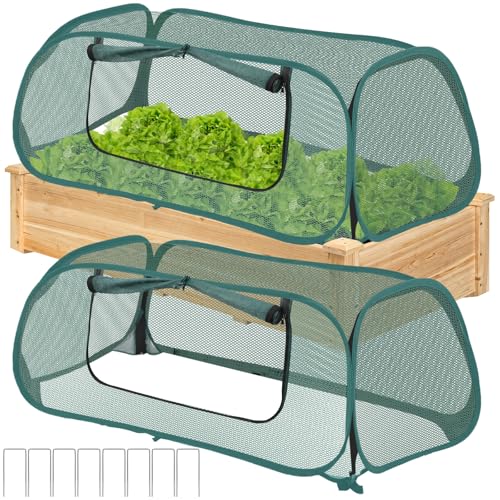
Pop Up Mesh Plant Cover: The garden bed cover is designed specifically for raised garden bed, made of dark green mesh material that allows for both water and air permeability. Ideal for year-round safety, the raised bed cover is very suitable for protecting vegetables, fruits, flowers, seedlings, potted plants, etc. from birds, insects, animals, etc
Limited Sunlight Exposure
Limited sunlight exposure affects plant growth and productivity. Vegetables in partial shade receive only three to six hours of direct sunlight daily, which can slow growth rates. Some vegetables may become leggy as they stretch toward light, impacting their overall health. Choosing shade-tolerant varieties, such as Butterhead lettuce or Nantes carrots, increases the chances of a successful yield. Monitor the light patterns in your garden, as trees may block light at different times throughout the year. Consider relocating the garden to a sunnier area or pruning trees to improve exposure.
Soil Moisture Management
Soil moisture management becomes critical in shaded areas. With less direct sunlight, soil may retain moisture longer, leading to issues like root rot or fungal diseases. Regularly check the soil moisture levels by sticking your finger into the soil—if it feels dry up to your first knuckle, it’s time to water. Utilize mulch to help retain soil moisture while preventing weeds. Also, ensure adequate drainage by planting in raised beds. Raised beds allow excess water to drain away, promoting a healthier root environment.
Tips For Successful Gardening In Partial Shade
Gardening in partial shade presents unique opportunities and requires specific strategies for success. Here are key tactics to enhance your vegetable garden’s potential in shaded areas.
Recommended Products

ULTRAVIOLET PROTECTION:Black shade cloth for garden can give me provide balcony privacy and cuts the glare and heat from the sun. Can also protects plants from direct sun while allowing water and air through, so as to create a comfortable cool and shaded place for people, pet or plants

WHAT YOU GET - 1 * 12“ Bulb Planter Tool. Our garden bulb planter are made by traditional manual process and can be used for more than 10 years. The more the wooden handle and stainless steel will be used, the smoother it will be. It is very suitable for digging solid soil, and the transplanted seedlings have a high survival rate.

🌱【Durable And Sturdy Material】 - FLORA GUARD Dibber is made of thickened high quality durable stainless steel pointy spike, which can easily pierce the ground and punch deep holes, and will not bend even when encountering hard obstacles. When planting tiny seedlings or flower bulbs in the ground, it is very important to do so at the proper depth. This bulb planting tool are great for quick and easy seeding or bulbing.
Site Selection
Select the right spot for your garden. Focus on areas that receive three to six hours of direct sunlight daily. Observe how sunlight moves through your garden during the day. Identify spots known for consistent shade or varying light due to trees or buildings. Choose growing areas with a balance of shade and sun to maximize plant health. Consider using soil testing kits to ensure your chosen location has the right pH and nutrient levels.
Companion Planting
Utilize companion planting to optimize space and enhance plant health. Pair shade-tolerant vegetables with those that enjoy more light. For instance, plant lettuce and spinach alongside taller plants like tomatoes, which can provide some overhead protection. Consider mixing herbs like parsley with vegetables, as they deter pests while boosting growth. Rotate crops annually to maintain soil health, reducing disease and pest issues.
Utilizing Reflective Surfaces
Incorporate reflective surfaces to increase light exposure. Place mirrors or metallic objects in your garden to bounce sunlight onto shaded areas. Use lighter-colored mulch or rocks to reflect sunlight on your plants. Position garden structures like trellises not only to support climbing plants but also to guide sunlight into lower areas of your garden. Regularly adjust these reflective surfaces to align with the changing sun position throughout the growing season.
By applying these tips, you can create a thriving vegetable garden in partial shade, leveraging the advantages of unique lighting conditions.
Conclusion
Growing a vegetable garden in partial shade is not just possible but can be incredibly rewarding. With the right choices and a little creativity you can enjoy a bounty of fresh produce even in less-than-ideal lighting conditions. By selecting shade-tolerant vegetables and paying attention to your garden’s unique light patterns you’ll set yourself up for success.
Don’t shy away from experimenting with different plants and techniques. Embrace the challenges that come with partial shade and watch your garden thrive. With patience and care your shaded space can become a vibrant source of delicious veggies and herbs. Happy gardening!
Frequently Asked Questions
What is considered partial shade for gardening?
Partial shade is defined as areas receiving three to six hours of direct sunlight daily. This sunlight can often be filtered through trees or buildings, creating a suitable environment for certain vegetables to thrive.
Which vegetables can I grow in partial shade?
Vegetables that thrive in partial shade include leafy greens like lettuce, spinach, and kale, as well as root vegetables such as carrots and radishes. Herbs like parsley, chives, and mint are also great options for shaded areas.
How can I assess light patterns in my garden?
To assess light patterns, use tools like sun charts or gardening apps that help you monitor the amount of sunlight different areas receive. This will guide your planting decisions based on actual light availability.
What challenges do I face when gardening in partial shade?
Challenges include slower growth rates and the potential for leggy plants due to limited sunlight. It’s essential to choose shade-tolerant varieties and manage light exposure by considering tree pruning or relocating your garden.
How can I enhance light exposure in a shaded garden?
Enhance light exposure by using reflective surfaces, such as white walls or mirrors, and incorporating vertical gardening techniques with climbing plants. This helps utilize available light more effectively.
What are the benefits of gardening in partial shade?
Gardening in partial shade offers several benefits, including reduced heat stress, which allows plants to focus on growth and fruit production. It can also extend the growing season, delaying bolting in plants and maximizing yield.
How can I manage soil moisture in shaded areas?
To manage soil moisture in shaded areas, check moisture levels regularly, use mulch to retain moisture while suppressing weeds, and consider planting in raised beds to promote better drainage and root health.
What are some practical tips for success in a shaded garden?
For success in a shaded garden, choose spots with adequate sunlight, practice companion planting by integrating tall plants with shade-tolerant vegetables, and utilize reflective materials to boost light exposure. Regularly monitor plant health for the best results.

My interest in trees started when I first saw the giant sequoias in Yosemite.I was a teenager then, and I remember thinking, “I need to learn more about this.”That moment stuck with me.A few years later, I went on to study forestry at Michigan Tech.
Since graduating, I’ve worked in a mix of hands-on tree care and community education.I’ve spent over ten years helping people understand how to plant, maintain, and protect the trees in their neighborhoods.I don’t see trees as just part of the landscape.They are living things that make a real difference in our daily lives.