Have you ever wondered if watering your garden in the evening is a good idea? You’re not alone. Many gardeners face this dilemma, especially after a long day when the sun starts to set and the temperature cools down.
Watering at the right time can make a big difference in the health of your plants. In this article, you’ll discover the pros and cons of evening watering, helping you decide what’s best for your garden. Whether you’re a seasoned gardener or just starting out, you’ll find tips that can enhance your gardening routine and keep your plants thriving.
Key Takeaways
- Evening Watering Advantages: Watering in the evening reduces evaporation, ensuring plants have access to moisture for longer periods, promoting healthy root development.
- Minimized Plant Stress: Evening watering helps prevent wilting during hot days, keeping plants hydrated and more resilient to heat stress.
- Risk of Fungal Diseases: Be aware that excess moisture on leaves overnight can increase the risk of fungal diseases; consider watering earlier in the evening or using soaker hoses.
- Soil Moisture Management: Always check the soil moisture before watering. If the top inch feels damp, skip the watering to prevent over-saturation and root rot.
- Best Timing Practices: Aim to finish watering by 6 PM to allow sufficient absorption before nightfall and minimize leaf wetness.
- Irrigation Techniques: Utilize soaker hoses or drip irrigation to efficiently water plants while reducing moisture on foliage and reaching deep roots directly.
Overview of Evening Watering
Watering your garden in the evening raises several considerations for optimizing plant health. Evening watering can minimize water loss due to evaporation, which often peaks during the hotter parts of the day. If you water later on, your plants may access moisture for a longer time overnight.
However, evening watering may lead to excess moisture on the leaves, increasing the risk of fungal diseases. Consistently watering in the evening creates a damp environment that can foster conditions for pathogens.
You can enhance the benefits of evening watering by following specific guidelines:
- Water Early Enough: Aim to finish watering by 6 PM. This timing gives the soil some time to absorb water before nighttime.
- Use Soaker Hoses: These hoses deliver moisture directly to the soil, avoiding wet foliage.
- Inspect Soil Moisture: Test the soil with your finger before watering. If the soil feels damp an inch down, skip watering.
- Monitor Humidity Levels: High humidity increases the risk of diseases. Adjust your watering times based on overall weather conditions.
Addressing these factors ensures that evening watering remains effective while minimizing risks.
Recommended Products

EVEN WATERING ACROSS YOUR GARDEN: Designed to deliver slow, consistent moisture along the hose to help reduce dry spots and overwatering near the faucet. For best results, use with a pressure regulator (8–10 PSI) for more even distribution.

Upgraded New Formula for Superior Performance — Features a soft, comfortable hand feel (perfect for easy handling) and enhanced tensile strength (over 50 lbs), making it more durable and resistant to stretching/tearing. UV-resistant material ensures long-lasting use in harsh weather (-40°F to 140°F).
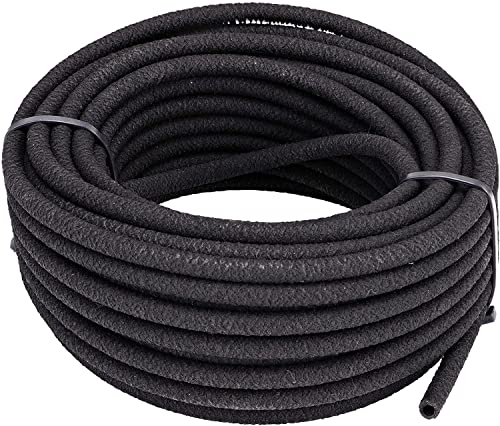
Slowly waters the soil around your plants for complete root zone hydration; Ideal for short runs on flat surfaces, such as vegetable gardens, borders, and around small plants
Benefits of Watering in the Evening
Watering your garden in the evening offers several advantages that support plant health. Discovering these benefits can help you make informed choices for your garden.
Reducing Evaporation
Watering in the evening significantly reduces evaporation. Temperatures cool down at night, allowing moisture to soak into the soil rather than evaporate quickly. This means the water remains accessible to plants longer, promoting healthy root development. For example, plants can absorb water overnight, providing hydration when temperatures rise the next day.
Lowering Plant Stress
Evening watering lowers plant stress, especially during extreme heat. Adequate moisture during hot days prevents wilting and helps plants thrive. By watering in the evening, you ensure that plants remain hydrated without the shock of heat. Additionally, consistently moist soil can strengthen roots, making plants more resilient to drought and other environmental stressors.
Potential Drawbacks of Evening Watering
Evening watering presents certain challenges that gardeners should consider. Understanding these risks helps promote better plant health and garden practices.
Recommended Products

Effortless Watering Automation: The Orbit Mechanical Water Timer helps manage lawn and garden irrigation with a reliable mechanical water timer design and hose faucet timer control

【Easy Programming Program】Through the Sprinkler Timer to program, you can set the Start Time, Watering Duration is 1min-3h59min, Watering Frequency from 1h to 12h or 1 day to 7 days, so you can customize your watering time, and can be more accurate.

Smart Automatic Watering Control: The Orbit Programmable Digital Hose Watering Timer transforms a faucet into an automatic watering system using a reliable single outlet hose timer
Fungal Growth Risks
Watering in the evening can foster conditions for fungal diseases. When you water late, moisture can linger on leaves overnight, creating a humid environment. This excess moisture encourages the growth of fungi like powdery mildew and downy mildew. To reduce these risks, consider watering only early in the evening or using drip irrigation techniques that direct water to the soil and not the foliage.
Soil Moisture Retention Issues
Evening watering sometimes leads to overly saturated soil. If you water too late, the soil might not dry out before the next day. This prolonged moisture can stifle root respiration and lead to root rot. To maintain a healthy balance, check the soil moisture before watering in the evening. A good practice involves waiting until the top inch of soil feels dry before adding more water.
Best Practices for Evening Watering
Evening watering can benefit your garden when done correctly. Follow these practices to maximize plant health while minimizing risks.
Timing Considerations
Finish watering by 6 PM to support soil absorption and allow plants to hydrate overnight. Targeting early evening means you can avoid extended moisture on leaves, reducing the risk of fungal diseases. Consider local humidity and temperature trends as they affect how quickly soil dries and how plants absorb water. If the evening air is humid, adjust your schedule to earlier in the evening.
Watering Techniques
Use soaker hoses or drip irrigation for precise watering that minimizes leaf wetness. Position the hoses near plant roots, ensuring maximum water retention and effective hydration. Check soil moisture levels before watering; insert your finger into the soil about an inch deep. Water only if this top layer feels dry. This practice helps maintain balance and prevents over-saturation, allowing roots to breathe and thrive.
Conclusion
Watering your garden in the evening can be a great way to give your plants the moisture they need without losing it to the sun. By following a few guidelines you can enhance the benefits while minimizing risks.
Remember to finish watering by 6 PM to allow for proper soil absorption and reduce leaf moisture. Keeping an eye on soil moisture and humidity levels will help you maintain a healthy balance in your garden.
With a little attention and care your evening watering routine can support vibrant and thriving plants. Happy gardening!
Frequently Asked Questions
Is evening watering good for my garden?
Evening watering can be beneficial as it reduces water loss from evaporation and helps keep plants hydrated overnight. It can lower plant stress during hot weather, promoting healthy root growth.
What are the risks of watering in the evening?
Watering in the evening can increase leaf moisture, leading to a higher risk of fungal diseases like powdery mildew. It might also cause overly saturated soil, which can suffocate roots and promote root rot.
When is the best time to water my garden in the evening?
To reduce the risks associated with evening watering, aim to finish watering by 6 PM. This allows time for soil absorption while minimizing moisture on leaves overnight.
How can I minimize fungal risks when watering at night?
To minimize fungal risks, consider using soaker hoses or drip irrigation to prevent wetting the foliage. Additionally, check soil moisture before watering to avoid over-saturation.
Should I always water in the evening?
While evening watering has its advantages, it’s important to adjust your watering schedule based on local humidity and temperature trends. Assess your garden’s specific needs before deciding on a watering time.

My interest in trees started when I first saw the giant sequoias in Yosemite.I was a teenager then, and I remember thinking, “I need to learn more about this.”That moment stuck with me.A few years later, I went on to study forestry at Michigan Tech.
Since graduating, I’ve worked in a mix of hands-on tree care and community education.I’ve spent over ten years helping people understand how to plant, maintain, and protect the trees in their neighborhoods.I don’t see trees as just part of the landscape.They are living things that make a real difference in our daily lives.