Have you ever looked at your garden beds and thought they could use a little color? Painting them can transform your outdoor space from ordinary to extraordinary. But before you grab that paintbrush, you might wonder if it’s a good idea.
Many gardeners face the dilemma of how to enhance their garden’s aesthetic without harming the plants. This article will guide you through the ins and outs of painting garden beds, discussing what materials work best and how to ensure your plants thrive. You’ll discover practical tips and creative ideas that can breathe new life into your garden while keeping it healthy and vibrant.
Key Takeaways
- Painting Benefits: Enhancing garden beds with paint not only boosts aesthetic appeal but also protects them from weather damage and extends their lifespan.
- Material Selection: Always choose non-toxic, eco-friendly paints such as milk paint, bio-based options, or weather-resistant acrylics to ensure plant safety and durability.
- Preparation is Key: Properly clean and prepare garden beds by removing debris, sanding surfaces, and applying a suitable primer for optimal paint adhesion.
- Application Techniques: Use quality brushes, apply even layers, and follow the wood grain if applicable to achieve a smooth and professional-looking finish.
- Curing and Maintenance: Allow paint to cure fully before reintroducing plants. Regularly inspect and touch up as needed to keep painted beds vibrant and functional.
- Environmental Considerations: Be mindful of the environmental impact by choosing sustainable materials and practices throughout the painting and maintenance process.
Can You Paint Garden Beds?
Yes, you can paint garden beds to enhance their look while adding a personal touch to your outdoor space. Consider the following factors when painting:
Choosing the Right Paint
- Non-Toxic Options: Select paints labeled as non-toxic and safe for plants. Look for acrylic or latex paints that pose no harm to flora.
- Weather-Resistant Paints: Opt for outdoor paints that withstand the elements. This choice ensures durability and longevity against rain and sunlight.
Preparing the Surface
- Clean the Beds: Remove dirt, debris, and old paint. Use soap and water for cleaning, then allow the surface to dry.
- Sand if Necessary: Lightly sand wooden beds to create a smooth surface for better paint adhesion.
Applying the Paint
- Use a Primer: Apply a primer suited for the chosen paint type. A primer improves paint adherence and color vibrancy.
- Painting Method: Use a brush or roller for an even application. Avoid thick layers to prevent drips and uneven coverage.
Maintaining Plant Health
- Allow for Curing Time: Let the paint cure completely before reintroducing plants. Follow the paint manufacturer’s recommendations for drying times.
- Observe and Monitor: Keep an eye on plants after painting. Watch for any signs of distress and react promptly.
Creative Ideas
- Color Schemes: Choose colors that complement your garden’s plants. Bright shades can make the beds stand out, while earthy tones create a natural look.
- Patterns and Designs: Try geometric patterns or decorative stencils. Unique designs can give your garden a personal flair.
Additional Considerations
When painting, be mindful of the environmental impact. Avoid using paints that can leach toxins into the soil. Regularly check for wear or fading and touch up as necessary to keep your garden vibrant.
Benefits of Painting Garden Beds
Painting garden beds offers several advantages that enhance both their look and durability. Here are key benefits to consider.
Aesthetic Appeal
Painting garden beds brings vibrancy to your outdoor space. You can choose colors that complement your plants and home. For instance, bold hues like bright red or deep blue draw attention, while softer pastels create a calming atmosphere. Patterns, such as stripes or polka dots, add uniqueness to common garden beds. It’s possible to reflect your personal style and create a welcoming environment.
Protection from Elements
Paint not only beautifies but also protects garden beds from weather damage. A good-quality, weather-resistant paint forms a barrier against moisture, preventing wood rot. Additionally, paint protects against UV rays, which can fade and degrade untreated surfaces over time. Choosing a non-toxic paint ensures safe protection around your plants.
Incorporating the right colors and protective coatings extends the life of your garden beds. Regular maintenance of painted surfaces sustains their appeal and effectiveness.
Types of Paint Suitable for Garden Beds
Selecting the right type of paint for garden beds enhances both aesthetics and longevity. The choices depend on your specific needs and environmental considerations.
Recommended Products

Stain, and treat wood without harsh or harmful chemicals in one easy application

Vibrant Color Enhancement: When your mulch starts to fade, our mulch dye restores a rich, deep color. Instead of buying new mulch, simply refresh the old one with our dye — it saves both money and effort. This product works well for homeowners and professionals alike.

Vibrant Color Enhancement: When your mulch starts to fade, our mulch dye restores a rich, deep color. Instead of buying new mulch, simply refresh the old one with our dye — it saves both money and effort. This product works well for homeowners and professionals alike.
Non-Toxic and Eco-Friendly Options
Choose non-toxic and eco-friendly paints to promote a safe environment for plants and wildlife. These paints avoid harmful chemicals and are often water-based, making them easier to clean up. Here are some good options:
- Bio-Based Paints: Made from natural materials such as plant oils and resins. They’re safe for the soil and don’t release toxic fumes.
- Milk Paint: A biodegradable option, milk paint contains casein (a milk protein) and natural pigments. It adheres well to wood and is non-toxic.
- Soy-Based Paints: These paints use soybeans as a key ingredient and provide a durable finish without harmful solvents.
When selecting paints, confirm they are labeled as “safe for use around plants” to ensure your garden remains healthy.
Weather-Resistant Paints
Weather-resistant paints protect your garden beds from the elements, extending their life and vibrancy. Look for these features in paints:
- Acrylic Paints: These paints resist fading and are flexible enough to expand and contract with temperature changes. They’re suitable for outdoor conditions.
- Exterior-Grade Oils: Oil-based paints provide excellent water resistance. Select options that contain UV blockers to prevent color fading due to sunlight.
- Marine Paints: Designed for boats, marine paints offer robust protection against moisture and UV damage. They’re a good choice for garden beds exposed to heavy rain.
Always check product specifications to confirm that the paint is suitable for outdoor use and complies with local environmental regulations.
How to Properly Paint Garden Beds
Painting garden beds can enhance their look while ensuring plant safety. Follow these steps for successful painting.
Recommended Products


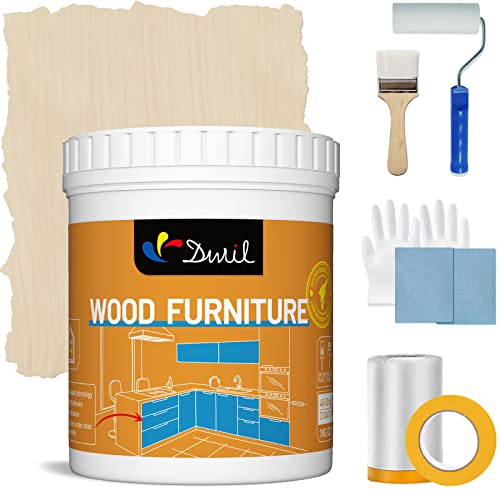
Easy To Use: Gloves,brush,roller,film,masking tape,sandpaper. We have prepared all the necessary tools for your project construction,and the paint for wood furniture allows you to fully immerse yourself in the fun of DIY without having to worry about buying additional accessories.
Preparation and Cleaning
- Select the Right Time: Choose a dry, mild day for painting. Avoid painting in direct sunlight to prevent quick drying.
- Remove Plants: If possible, take out any plants in the bed. If removal isn’t an option, cover them with plastic sheeting to protect from paint splatters.
- Clean the Surface: Use a mix of water and mild detergent to remove dirt and debris. Rinse thoroughly and let dry completely.
- Sand the Surface: Sand any rough areas to create a smooth base for paint adhesion. Use fine-grit sandpaper for best results.
- Check for Damage: Inspect wood or other materials for rot or damage. Repair as necessary before painting.
- Choose a Primer: Apply a non-toxic, eco-friendly primer to enhance paint adhesion. This step increases durability.
- Use Quality Brushes: Select brushes appropriate for the paint type. For detailed work, use smaller brushes; for larger areas, use broader ones.
- Apply Even Layers: Paint one even coat. Avoid thick layers to prevent drips. Allow the first coat to dry before applying a second coat.
- Follow the Grain: If painting wood, paint in the direction of the grain for a smoother finish.
- Cure the Paint: Allow the paint to fully cure before placing plants back in the bed. This process can take several days depending on the paint type and weather conditions.
- Maintain Your Work: Regularly check for wear and tear. Touch up areas as needed to keep your garden beds looking fresh.
By following these tips, you can achieve beautifully painted garden beds that enhance your outdoor space.
Maintenance Tips for Painted Garden Beds
Maintaining your painted garden beds ensures they stay vibrant and functional. Here are key tips to keep them looking their best:
Recommended Products

ATTRACTIVE AND DURABLE: Our clear waterproof adhesive combines strong adhesion with a discreet, transparent finish that won’t alter your surface’s original look. It bonds tightly to a wide range of materials to create a durable, water resistant layer perfectly blending aesthetics with practical leak protection.

Deep Penetration Formula – Water-based sealer designed to penetrate into small cracks and pores when applied on a clean, dry surface.

Regular Cleaning
- Remove debris: Regularly clear away leaves, dirt, and plant droppings to prevent mold and fading.
- Use mild soap: Wash with a mixture of mild soap and water to avoid damaging the paint.
Inspect for Damage
- Check for chipping: Look for any areas where the paint may be peeling or chipping. Repair these areas promptly to prevent further deterioration.
- Monitor for corrosion: If you used metal garden beds, check for rust spots and address them immediately.
Touch Up Paint
- Keep matching paint: Store excess paint from your initial project for touch-ups. This helps maintain a consistent look.
- Apply touch-up coats: Use a small brush for detailed areas, ensuring a seamless blend with the existing paint.
Protect from the Elements
- Use a sealant: Consider applying a non-toxic sealant every few years. This provides extra protection against moisture and UV damage.
- Position strategically: If possible, place your garden beds in spots with partial shade during the hottest parts of the day to reduce paint fading.
Prepare for Seasonal Changes
- Remove plants: Before winter, remove seasonal plants to avoid moisture accumulation on the painted surfaces.
- Cover beds in winter: Use breathable covers to protect your garden beds from harsh winter winds and snow.
- Choose wisely: Use organic and non-toxic fertilizers to prevent unwanted interactions with the paint.
- Test new products: Always test new garden products on a small area before full application, ensuring they don’t harm the paint.
By following these maintenance tips, you can enjoy beautiful and durable painted garden beds year-round.
Conclusion
Painting your garden beds can truly elevate your outdoor space while keeping your plants safe and healthy. By choosing the right materials and following the proper steps, you can create a vibrant and inviting atmosphere that reflects your personal style.
Remember to prioritize non-toxic and weather-resistant paints to ensure the well-being of your plants. With a little creativity and care, your painted garden beds can stand out and thrive for years to come. So go ahead and give your garden a fresh look while protecting its beauty. You’ll love the transformation!
Frequently Asked Questions
Can I paint my garden beds without harming my plants?
Yes, you can paint your garden beds safely by using non-toxic and weather-resistant paints. Proper preparation and techniques ensure that the health of your plants is not affected. Be sure to allow adequate curing time before reintroducing any plants.
What type of paint is best for garden beds?
The best paints for garden beds are non-toxic and eco-friendly options such as bio-based, milk, and soy-based paints. Weather-resistant paints like acrylic and exterior-grade oils also offer protection against the elements while maintaining aesthetic appeal.
How do I prepare my garden beds for painting?
To prepare your garden beds, remove any plants or cover them, clean the surfaces, and sand them to create a smooth base. This ensures better adhesion of the paint and helps achieve a professional finish.
What is the correct method to paint garden beds?
To paint garden beds, you should apply a non-toxic primer first, followed by even layers of your selected paint using quality brushes. Ensure that each layer dries properly before adding the next, and allow the paint to fully cure before reintroducing plants.
How do I maintain painted garden beds?
Regular maintenance of painted garden beds involves cleaning them to remove debris, inspecting for wear and tear, and performing touch-ups as needed. You can also protect them from harsh weather by using sealants and strategic placement or covering during winter.

My interest in trees started when I first saw the giant sequoias in Yosemite.I was a teenager then, and I remember thinking, “I need to learn more about this.”That moment stuck with me.A few years later, I went on to study forestry at Michigan Tech.
Since graduating, I’ve worked in a mix of hands-on tree care and community education.I’ve spent over ten years helping people understand how to plant, maintain, and protect the trees in their neighborhoods.I don’t see trees as just part of the landscape.They are living things that make a real difference in our daily lives.