Have you ever wondered if you can use topsoil in your raised garden bed? You’re not alone. Many gardeners face this question when planning their perfect patch of greenery. Using the right soil is crucial for growing healthy plants, and it can be confusing to choose the best option.
Imagine you’ve built a beautiful raised bed, ready for planting. You want to ensure your plants thrive, but you’re unsure if topsoil is the way to go. This article will help you understand the pros and cons of using topsoil, guiding you to make the best choice for your garden. By the end, you’ll feel confident in creating a vibrant space that flourishes with life.
Key Takeaways
- Topsoil Fundamentals: Topsoil is the nutrient-rich upper layer of soil essential for healthy plant growth, typically ranging from 2 to 12 inches deep.
- Nutrient Benefits: Using topsoil in raised garden beds supports robust plant development, providing necessary minerals and organic matter critical for thriving plants.
- Enhanced Drainage: Topsoil improves drainage in raised beds, preventing waterlogging and ensuring roots receive adequate moisture without excess saturation.
- Importance of pH Testing: Conduct pH tests on topsoil to ensure it falls between 6 to 7, as plants require this range for optimal nutrient uptake.
- Contaminant Awareness: Source topsoil from reputable suppliers to avoid contaminants like pesticides and heavy metals, ensuring a safe growing environment for your plants.
- Alternative Options: If topsoil isn’t suitable, consider garden soil blends or compost to enrich your raised bed, enhancing nutrient availability and soil structure.
Understanding Top Soil
Topsoil plays a crucial role in gardening, particularly in raised garden beds. It forms the uppermost layer of soil, rich in nutrients and organic matter, making it vital for plant growth.
Recommended Products
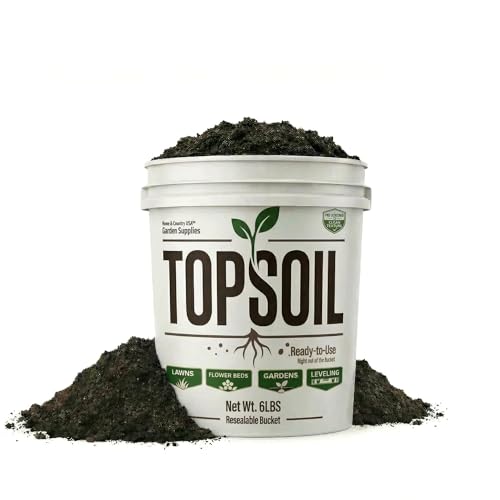
Versatile garden soil and all purpose potting mix works as a raised bed soil, container potting soil, outdoor planting mix, indoor plant soil, flower bed soil, vegetable garden soil, shrub planting mix, and landscaping soil amendment, making this premium topsoil the only garden soil blend you need for every planting application around your home.

Ready-to-Use Formula: No mixing or extra steps required. Simply pour and plant - perfect for gardeners of all experience levels.

FOR USE: Ideal for raised garden beds and outdoor containers.
Definition and Characteristics
Topsoil is the top layer of soil, typically ranging from 2 to 12 inches deep. It contains a mixture of minerals, organic material, and microorganisms. Characteristics of topsoil include its dark color, light texture, and the ability to retain moisture while draining excess water. This layer supports plant growth by providing essential nutrients and promoting healthy root development.
Composition of Top Soil
Topsoil’s composition varies widely but generally consists of:
- Minerals: Sand, silt, and clay, which affect drainage and nutrient retention.
- Organic Matter: Decomposed plant material and microorganisms that enhance soil fertility.
- Microorganisms: Bacteria, fungi, and insects that promote a healthy ecosystem.
When selecting topsoil for your raised garden bed, seek out blends that contain a balanced combination of these components, ensuring adequate drainage and nutrient supply. This mix contributes to a robust environment that fosters healthy plant life.
Benefits of Using Top Soil in a Raised Garden Bed
Using topsoil in a raised garden bed offers several significant advantages that enhance plant growth and overall garden health.
Recommended Products

Optimized for Raised Beds: True Organic Raised Bed Food is specially designed to support abundant growth of herbs, flowers, vegetables, and fruits in raised beds and large containers.

Helps Improve Soil Nutrition – Supports balanced nutrients for healthy plant development.
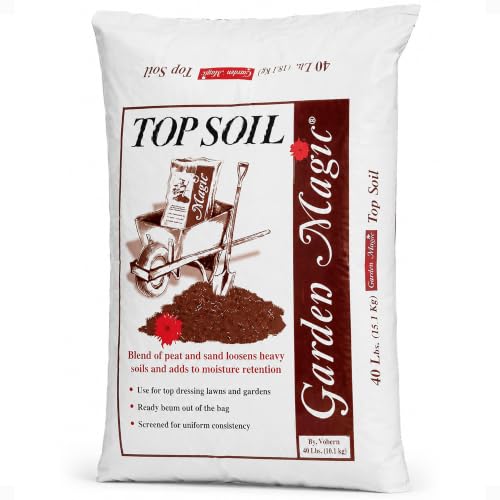
Ready-to-Use for All Planting Needs: This general-purpose potting soil is ready to use out of the bag, perfect for both indoor and outdoor planting without any extra prep
Nutrient Content
Topsoil is rich in nutrients essential for plant development. It typically contains organic matter, minerals, and beneficial microorganisms. This nutrient-dense layer fosters strong root systems and promotes healthy plant growth. For example, vegetables like tomatoes and peppers thrive in nutrient-rich environments, leading to improved yields. Regularly amending topsoil with compost can further enrich it, ensuring your plants receive the required nutrients throughout the growing season.
Improved Drainage
Topsoil improves drainage in raised garden beds, preventing waterlogging that can harm plants. The light texture and composition of topsoil allow excess water to drain while retaining moisture. This balance ensures roots access adequate water without sitting in soggy conditions. For instance, herbs such as basil and rosemary require well-drained soil to flourish. By using topsoil, you create an ideal environment for various plants, enhancing their growth potential and resilience against diseases.
Considerations When Using Top Soil
Using topsoil in raised garden beds requires careful thought to ensure optimal plant growth. Here are key considerations for successful gardening.
pH Levels
Testing the pH level of topsoil plays a critical role in plant health. Most plants thrive in soil with a pH of 6 to 7. Conduct a simple test using a pH kit available at garden centers. If the pH is outside this range, you can amend the soil. To lower pH, incorporate sulfur or peat moss. To raise it, add lime. Adjusting pH ensures your plants receive the nutrients they need.
Possible Contaminants
Being aware of potential contaminants is essential. Topsoil can harbor harmful substances like pesticides, heavy metals, or pathogens. Always source topsoil from reputable suppliers. Whenever possible, opt for organic or certified topsoil. If you’re uncertain about its safety, conduct a soil test for contaminants. This step protects your garden and ensures a healthy growing environment for your plants.
Alternatives to Top Soil
If you reconsider using topsoil in your raised garden bed, various alternatives exist that promote healthy plant growth.
Recommended Products


Includes 10lb block of Back to the Roots compressed Coconut Coir that expands to 51qt of potting soil. A balanced pH, which means it’s truly all-purpose. Use alone or as an amendment for anything in a pot or in the ground — vegetables, flowers, herbs, and even starting seeds.

Includes Back to the Roots Compressed Seed Starting Potting Mix that expands to 12qt of soil. A balanced pH, which means it’s truly all-purpose. Use alone or as an amendment for anything in a pot or in the ground — vegetables, flowers, herbs, and even starting seeds.
Garden Soil
Garden soil offers a balanced blend of topsoil, compost, and other organic materials. You can find it specifically formulated for gardens, making it suitable for raised beds. Look for blends designed for the types of plants you grow. For instance, a blend richer in organic matter works well for vegetable gardens, while a lighter mix benefits herbs.
Compost and Amendments
Compost serves as an excellent amendment, enriching your garden bed. It contains decomposed organic matter, providing vital nutrients. Layer compost into your soil or mix it thoroughly. A common ratio is one part compost to three parts existing soil. Additionally, consider amendments like peat moss or coconut coir. These materials improve moisture retention and aeration, enhancing root development for plants like peppers or squash.
Conclusion
Using topsoil in your raised garden bed can be a great choice if you select it wisely. Its nutrient-rich composition supports healthy plant growth and helps with moisture retention. Just remember to test the pH and source your topsoil from reputable suppliers to avoid any unwanted contaminants.
If you’re looking to enhance your soil further consider blending in compost or other organic materials. This will create a balanced environment for your plants to thrive. With the right approach your raised garden bed can flourish and provide you with a bountiful harvest. Happy gardening!
Frequently Asked Questions
Is topsoil suitable for raised garden beds?
Yes, topsoil is suitable for raised garden beds as it is rich in nutrients and organic matter, which are essential for plant growth. Using quality topsoil can promote strong root systems and enhance drainage.
What are the benefits of using topsoil in gardening?
Topsoil offers several benefits, including a nutrient-rich environment for plants, improved drainage to prevent waterlogging, and excellent moisture retention. It is particularly beneficial for vegetables and herbs.
How should I test the topsoil pH?
To test topsoil pH, you can use a simple soil test kit available at garden centers. Most plants prefer a pH range of 6 to 7. If necessary, amend the soil with lime or sulfur to achieve the desired pH.
Are there any risks with using topsoil?
Yes, potential risks include contaminants such as pesticides and heavy metals. It’s essential to source topsoil from reputable suppliers and conduct soil tests to ensure it is safe for growing plants.
What are alternatives to topsoil for raised beds?
Alternatives to topsoil include garden soil, which is a mix of topsoil, compost, and organic materials, and compost alone, which enriches soil. You can also use peat moss or coconut coir to improve moisture retention and aeration.

My interest in trees started when I first saw the giant sequoias in Yosemite.I was a teenager then, and I remember thinking, “I need to learn more about this.”That moment stuck with me.A few years later, I went on to study forestry at Michigan Tech.
Since graduating, I’ve worked in a mix of hands-on tree care and community education.I’ve spent over ten years helping people understand how to plant, maintain, and protect the trees in their neighborhoods.I don’t see trees as just part of the landscape.They are living things that make a real difference in our daily lives.