Have you ever struggled with weeds taking over your vegetable garden? You’re not alone. Many gardeners face this challenge, and it can feel overwhelming when trying to keep your plants healthy and thriving.
Using landscape fabric might seem like an easy solution, but does it really work for your veggies? In this article, you’ll discover the pros and cons of using landscape fabric in a vegetable garden. You’ll learn how it can help manage weeds while also considering its impact on soil health and moisture retention. Whether you’re a seasoned gardener or just starting out, this information will help you make the best choice for your garden.
Key Takeaways
- Weed Management: Landscape fabric effectively blocks sunlight, reducing weed growth and allowing vegetables to thrive without competition for resources.
- Moisture Conservation: The fabric helps retain moisture in the soil, minimizing evaporation and providing consistent water levels for plant health.
- Soil Temperature Regulation: By stabilizing soil temperatures, landscape fabric promotes optimal conditions for plant growth, especially for heat-loving crops.
- Soil Health Considerations: Prolonged use can impact soil health by restricting air and water flow, leading to potential nutrient depletion.
- Installation Best Practices: Proper preparation and installation are crucial; ensure the fabric is securely anchored and slits are cut for plant roots.
- Alternative Solutions: Consider organic mulching or other ground cover plants as eco-friendly options to suppress weeds while enriching the soil.
Overview of Landscape Fabric
Landscape fabric serves as a barrier between soil and weeds, primarily designed to reduce weed growth while allowing water and nutrients to reach plant roots. This material is typically made from permeable, synthetic fibers that resist mildew and deterioration.
Benefits of Landscape Fabric
- Weed Control: Landscape fabric blocks sunlight, preventing weed seeds from germinating. This greatly reduces the number of weeds you encounter in your vegetable garden.
- Soil Temperature Regulation: The fabric can maintain consistent soil temperatures, which helps plants thrive.
- Moisture Retention: Landscape fabric promotes moisture retention by reducing evaporation, ensuring that your plants have access to necessary water.
Drawbacks of Landscape Fabric
- Nutrient Interaction: Over time, the fabric may interfere with soil health. Decomposition of organic materials can create a nutrient-poor environment.
- Limited Longevity: Landscape fabric may degrade after several seasons, requiring replacement and additional costs.
- Installation Challenges: Proper installation is crucial. Misalignment can lead to weed penetration and may hinder the growth of your vegetables.
Application in Vegetable Gardens
Using landscape fabric in vegetable gardens can be effective for certain crop types. For example, it’s particularly beneficial for crops with longer growth cycles, such as tomatoes and peppers. In contrast, quick-growing plants like lettuce or radishes may not thrive as well under fabric.
Installation Tips
- Prepare the Site: Clear the area of existing weeds and debris for optimal results.
- Measure Properly: Cut the fabric to fit your garden bed, allowing for overlaps at seams.
- Secure Fabric: Use stakes, landscape pins, or mulch to keep the fabric in place and prevent lifting.
Conclusion:
Evaluating the pros and cons helps you determine if landscape fabric suits your specific vegetable gardening needs.
Benefits of Using Landscape Fabric
Using landscape fabric in your vegetable garden offers significant advantages. It helps manage weeds while fostering a healthier growing environment for your plants. Here are the key benefits:
Weed Control
Weed control stands as one of the primary benefits of landscape fabric. This material acts as a barrier, blocking sunlight from reaching weed seeds. By limiting light exposure, it prevents weeds from germinating and competing with your vegetables for resources. For example, you can lay landscape fabric between rows of plants like tomatoes and peppers. This setup minimizes weed growth and reduces the amount of time you spend weeding.
Moisture Retention
Moisture retention plays a crucial role in plant health, and landscape fabric assists in this process. It allows water to penetrate while preventing evaporation from the soil surface. This characteristic helps maintain consistent soil moisture levels, particularly in hot weather. By using landscape fabric, you can conserve water and ensure your vegetable plants receive adequate moisture without excessive watering. For instance, placing it in a drip irrigation system can enhance water efficiency, supporting robust plant growth.
Considerations for Vegetable Gardens
Using landscape fabric in vegetable gardens requires careful thought about various factors. It can offer benefits but also presents challenges specific to growing edible plants.
Recommended Products

Professional Grade Weed Barrier: LAVEVE weed barrier fabric is made of woven polypropylene material. Its high-density and permeable characteristics effectively stop weed growth and protect soil health so your plants can grow well.
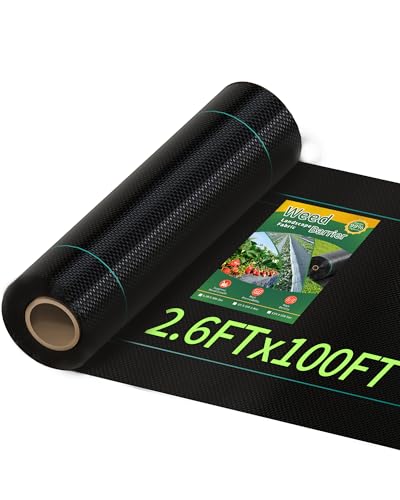
Weed Control: Woven polypropylene physically blocks sunlight to prevent weed seed germination, keeps flower beds, vegetable gardens, and landscaping weed-free without chemical herbicides.
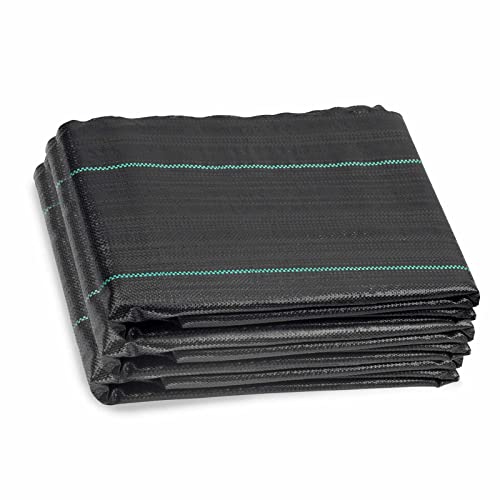
Weed Blocking Landscape Fabric:Groweco Heavy Duty Weed Barrier Fabric is made of 3.2 oz polypropylene.The use of weeding cloth can provide weed protection for you,make your workplace clean and hygienic,make your work more comfortable and improve your work effciency
Impact on Soil Health
Landscape fabric can affect soil health significantly. While it prevents weeds from taking over, it may limit the flow of air and water to the soil. This restriction can hinder beneficial microorganisms and earthworms from thriving. For instance, if you install fabric in a garden bed heavily populated with nutrients, expect some nutrient depletion over time due to lack of access to organic matter. To maintain soil health, consider rotating your vegetable crops and using organic amendments in tandem with the fabric.
Temperature Regulation
Temperature regulation plays a key role in plant growth. Landscape fabric can help moderate soil temperatures, particularly in warmer months. It acts as an insulating layer that keeps soil cooler during hot days and warmer during cool nights. For example, a garden planted with landscape fabric may retain heat better for crops like peppers and squash, which thrive in warmer conditions. However, ensure the fabric allows for adequate air circulation to prevent overheating, which can stress your plants.
How to Properly Use Landscape Fabric
Using landscape fabric in a vegetable garden requires careful attention to detail. Proper installation and maintenance ensure that you reap the benefits while minimizing drawbacks.
Recommended Products

Effective Weed Control & Light Blocking: High-density non-woven fabric blocks sunlight to help suppress weed growth, reducing routine maintenance while keeping garden beds, planting areas, and landscaped spaces neat and well maintained.

High-Efficiency Weed Blocking & Hassle-Free Use: Made of premium high-density woven polypropylene, this heavy-duty landscaping fabric blocks 95% of sunlight to eliminate weed growth from the root—no more tedious manual weeding. Note: For cost-saving shipping, the weed fabric is folded for compact packaging (box width = 1/2 fabric width). Just unfold it fully before laying, and weed barrier fabric heavy duty will instantly restore to the original size for seamless coverage.

Effective Weed Control & Light Blocking: High-density non-woven fabric blocks sunlight to help suppress weed growth, reducing routine maintenance while keeping garden beds, planting areas, and landscaped spaces neat and well maintained.
Installation Tips
- Choose the Right Fabric: Select a high-quality, permeable landscape fabric designed for garden use. Look for products labeled as UV-resistant for durability.
- Prepare the Site: Clear the area of weeds, rocks, and debris, then level the soil. Thorough site preparation prevents weeds from pushing through the fabric.
- Measure and Cut: Measure the garden beds accurately, and cut the fabric to fit. Allow extra fabric to overlap edges for better coverage.
- Secure the Fabric: Use landscape pins or staples to anchor the fabric, ensuring it stays in place during wind or watering. Space the anchors about 2 feet apart, especially around edges.
- Create Slits or Holes: For planting, cut small slits or holes in the fabric, enough to accommodate plant roots. This method minimizes disturbance to the soil.
- Mulch Over the Fabric: Add a layer of mulch on top of the landscape fabric to help with moisture retention and improve the garden’s appearance. Use organic mulch to support decomposing and enhance soil health.
- Monitor for Weeds: Regularly check for any weeds that may pop up at the edges or through cuts. Remove them promptly to prevent problem growth.
- Inspect for Damage: Periodically examine the fabric for tears or degradation. Repair or replace sections as needed to maintain effectiveness.
- Watering Techniques: Use drip irrigation or soaker hoses to deliver water directly to the soil, minimizing evaporation. This method helps maintain consistent moisture levels, especially in hot weather.
- Rotate Crops: Change plant locations each season to avoid soil nutrient depletion and pest buildup. This practice encourages a healthier garden ecosystem.
- Organic Amendments: Apply organic fertilizers or compost periodically to replenish soil nutrients. This helps sustain soil health beneath the fabric.
- Watch for Temperature Regulation: Be mindful of the temperature under the fabric. Check for overheating, especially during peak sunlight hours. Adjust plant placement or consider removing the fabric during extremely hot periods to improve air circulation.
Alternatives to Landscape Fabric
Considering alternatives to landscape fabric can enhance your vegetable garden’s health and productivity. Here are some effective options.
Organic Mulching
Organic mulching serves as a natural weed barrier while enriching the soil. Materials such as straw, wood chips, or shredded leaves work well. Spread a layer of 2 to 4 inches of mulch around your plants. This approach keeps moisture in the soil, suppresses weeds, and adds nutrients as it decomposes. Regularly check the mulch layer and replenish it as needed to maintain its effectiveness.
Other Ground Cover Options
Other ground cover options can protect soil and reduce weeds without fabric. Consider planting:
- Clover: Thrives in various conditions, fixes nitrogen, and attracts beneficial insects.
- Vetch: Acts as a nitrogen-fixing cover crop, promoting soil fertility and aiding in weed suppression.
- Thyme: Low-growing herb that offers aroma, ground cover, and occasional culinary benefits.
Select a ground cover suitable for your climate and garden needs. Plant densely to ensure coverage and weed prevention. Monitor these plants, and when necessary, trim them back to keep them from competing with your vegetables.
Conclusion
Using landscape fabric in your vegetable garden can be a game changer for managing weeds and retaining moisture. However it’s essential to weigh its benefits against potential drawbacks. While it can help create a more organized and productive garden space you might also want to consider how it affects soil health and air circulation.
Don’t forget that there are plenty of alternatives out there if you decide landscape fabric isn’t the right fit for you. Whether you opt for organic mulching or ground covers you’ve got options that can keep your garden thriving. Ultimately the best choice comes down to your specific gardening goals and the unique needs of your plants. Happy gardening!
Frequently Asked Questions
What is landscape fabric and how does it help in weed control?
Landscape fabric is a permeable barrier made from synthetic fibers. It blocks sunlight to prevent weed growth while allowing water and nutrients to reach plant roots, effectively managing weeds in vegetable gardens.
What are the advantages of using landscape fabric in vegetable gardens?
The main benefits include effective weed control, improved soil temperature regulation, and moisture retention. It helps reduce weed growth, retains soil moisture, and can moderate temperatures, which is particularly beneficial for heat-loving crops.
Are there any downsides to using landscape fabric?
Yes, potential drawbacks include nutrient depletion, limited lifespan, and challenges during installation. It can also restrict airflow and water movement, which may harm soil health and beneficial organisms over time.
Which vegetables benefit most from landscape fabric?
Cropping strategies suggest that landscape fabric works well for plants like tomatoes and peppers. However, fast-growing plants may not thrive as effectively under the fabric compared to traditional methods.
How should I install landscape fabric in my vegetable garden?
Begin by preparing the site and measuring carefully. Cut the fabric to size, secure it with landscape pins, and create planting slits. Mulching can help retain moisture, while drip irrigation is recommended for consistent water levels.
Are there alternatives to landscape fabric for weed control?
Yes, organic mulching with materials like straw or shredded leaves serves as a natural weed barrier, enriching the soil. Ground covers such as clover or thyme can also protect soil and reduce weed growth without using synthetic fabrics.

My interest in trees started when I first saw the giant sequoias in Yosemite.I was a teenager then, and I remember thinking, “I need to learn more about this.”That moment stuck with me.A few years later, I went on to study forestry at Michigan Tech.
Since graduating, I’ve worked in a mix of hands-on tree care and community education.I’ve spent over ten years helping people understand how to plant, maintain, and protect the trees in their neighborhoods.I don’t see trees as just part of the landscape.They are living things that make a real difference in our daily lives.