Ever wondered if you can use potting soil in your garden? You’re not alone. Many gardeners face the dilemma of choosing the right soil mix for their outdoor plants. Maybe you’ve got some leftover potting soil from your indoor plants and you’re considering putting it to use.
Using potting soil in your garden might seem like a convenient option, but it’s important to know how it can affect your plants. This article will help you understand the differences between potting soil and garden soil, so you can make an informed choice. By the end, you’ll have the insights you need to ensure your garden thrives.
Key Takeaways
- Distinction Between Soils: Understand that potting soil is designed for potted plants, offering excellent drainage and aeration, while garden soil is more suited for outdoor planting.
- Benefits of Potting Soil: Potting soil contains essential nutrients and promotes healthy root systems through improved aeration and drainage, making it particularly beneficial for seedlings and container plants.
- Drawbacks to Consider: Using potting soil can be costlier than garden soil and may lead to nutrient imbalances if not matched to garden plants’ specific needs.
- Ideal Usage: Potting soil is best used for young plants, seedlings, tropical varieties, and in raised beds or containers where its properties can greatly enhance growth.
- Mixing Guidelines: When combining potting soil with garden soil, adjust ratios based on plant requirements (e.g., equal parts for seedlings, 2:1 for mature plants) to optimize growth conditions.
- Soil Quality Enhancements: Improve soil quality by adding compost, perlite, or sand to your potting and garden soil mix, ensuring better structure and nutrient availability for your plants.
Understanding Potting Soil
Understanding potting soil is crucial for selecting the right mix for your plants. Potting soil serves different purposes compared to garden soil, and knowing these differences helps you make informed decisions.
Recommended Products
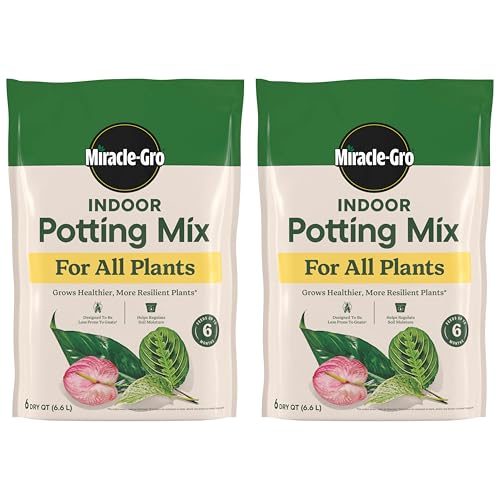
Miracle-Gro Indoor Potting Mix for All Plants feeds houseplants for up to 6 months and grows healthier, more resilient plants (vs unfed when used as directed)
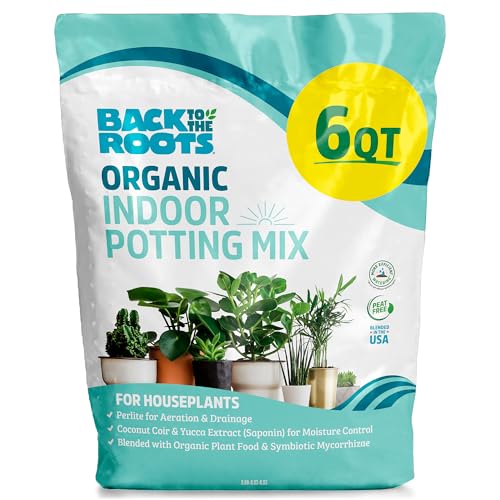
Includes 6qt of Back to the Roots Indoor Potting Mix. Our Potting Mix contains organic yucca extract that aids in retaining moisture in the soil which keeps your indoor plants happy and healthy

FEEDS UP TO 6 MONTHS: Miracle-Gro Potting Mix is a gardening soil for outdoor containers that feeds all types of potted plants, including flowers, vegetables, shrubs, annuals, and perennials for up to 6 months
What Is Potting Soil?
Potting soil is a soilless mixture designed for potted plants. It promotes healthy root growth and excellent drainage. Usually, it contains components like peat moss, vermiculite, and perlite. These materials create a lightweight and airy environment, making it easier for roots to access oxygen and water.
Components of Potting Soil
Potting soil includes several key components:
- Peat Moss: This organic material retains moisture while providing good aeration. It also enriches the soil with nutrients.
- Perlite: Perlite is a volcanic glass that enhances drainage and aeration. It helps prevent soil compaction, ensuring roots remain healthy.
- Vermiculite: Similar to perlite, vermiculite improves moisture retention. It also adds essential minerals to the soil mix.
- Bark or Wood Chips: Some blends contain small pieces of bark or wood chips that provide structure and improve drainage.
Each component plays a specific role in the overall effectiveness of potting soil. By using potting soil, you create an optimal environment for potted plants, offering them the best chance to thrive.
Advantages of Using Potting Soil in the Garden
Using potting soil in your garden offers several distinct benefits that can enhance plant growth. Understanding these advantages helps in making informed decisions about soil application.
Nutrient Content
Potting soil contains a rich mix of nutrients essential for plant growth. It often includes fertilizers designed to support healthy development. For example, slow-release nutrients offer prolonged feeding for plants, reducing the need for additional fertilization. Potting soil’s nutrient profile can be particularly beneficial for young plants and seedlings that require extra care in their early stages.
Aeration and Drainage
Potting soil promotes excellent aeration and drainage, crucial for preventing root rot and ensuring healthy root systems. Components like perlite and vermiculite enhance airflow within the soil, allowing roots to breathe. Additionally, potting soil’s ability to drain excess water is beneficial in preventing waterlogged conditions. This quality is especially important during heavy rain periods, helping to maintain optimal moisture levels in your garden.
Disadvantages of Using Potting Soil as Garden Soil
Using potting soil in your garden has some drawbacks that you should consider. These issues can impact your plants’ overall health and garden ecosystem.
Cost Considerations
Potting soil often costs more than garden soil. While it may seem like a good investment due to its nutrient content and aeration properties, the price can add up, especially for larger gardening projects. If you’ve got an extensive garden, opting for bulk garden soil might be a more economical choice. Always compare prices per cubic foot between potting soil and garden soil before purchasing.
Potential Nutrient Imbalance
Potting soil contains fertilizers designed for potted plants. However, these nutrients may not match your garden plants’ needs. Over-fertilizing can harm your plants, leading to excess growth or chemical burn. Checking the nutrient profile before application helps avoid these problems. Consider a soil test to determine the specific nutrient needs of your garden, ensuring you provide an optimal growing environment for your plants.
When to Use Potting Soil in Your Garden
Using potting soil in your garden can benefit specific situations and plants. Understanding when it’s appropriate helps ensure your plants thrive.
Recommended Products

HELPS REGULATE SOIL MOISTURE: Miracle-Gro Organic Indoor Potting Soil Mix is an organic potting soil that protects indoor plants against over and under watering

Miracle-Gro Indoor Potting Mix for Seed Starting grows stronger roots for seeding success (vs unfed when used as directed)

ALL-NATURAL MIX: Burpee Organic Premium Potting Mix is formulated with plant food & coconut coir to promote seed & root growth and healthy flower, vegetable & herb plants. OMRI Listed for organic use.
Specific Plant Types
Use potting soil for young plants, seedlings, and container plants. Potting soil provides essential nutrients and excellent drainage, ideal for these growth stages. For example, starting vegetable seeds in potting soil promotes faster germination due to its light texture and moisture retention. Additionally, tropical plants, such as orchids or ferns, thrive in potting soil’s airy composition, which mimics their natural habitat.
Gardening Techniques
Employ potting soil in raised beds or planters where aeration and drainage are critical. Using potting soil for these areas ensures sufficient airflow around the roots. If you’re creating a mixed planting arrangement, potting soil can help balance moisture for plants with different water needs. For instance, mix potting soil with garden soil in vertical gardens for better drainage and nutrient availability. This technique can prevent excessive moisture buildup, reducing the risk of root rot.
Choose potting soil strategically to enhance your garden’s health and growth.
Tips for Mixing Potting Soil with Garden Soil
Mixing potting soil with garden soil can enhance your gardening experience by improving plant health and growing conditions. Follow these tips to achieve the best results.
Recommended Products

INDOOR GROWING: Growing indoors is easy under the right conditions; Miracle-Gro Houseplant Potting Mix is an indoor plant potting soil that combines key elements container plants need to thrive
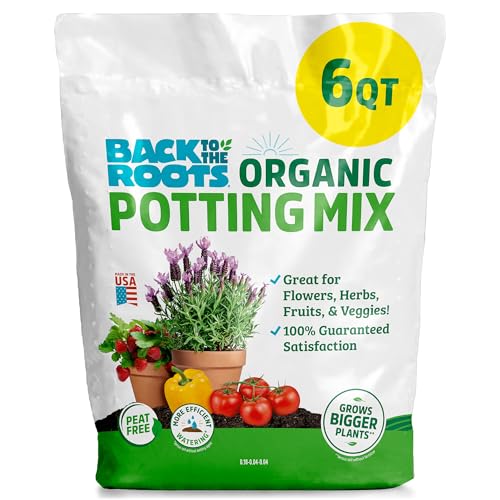
Includes 6qt of Back to the Roots Premium Blend Potting Mix. 100% Organic and Peat-Free, made from upcycled plant matter and wood fines from across the U.S. No imported peat, just better soil with a lighter carbon footprint.

Ratios to Consider
When blending potting soil with garden soil, consider the following ratios based on your plants’ needs:
- For Seedlings: Use equal parts potting soil and garden soil. This mix provides essential nutrients while maintaining good drainage.
- For Mature Plants: Utilize a ratio of 2:1, garden soil to potting soil. This balances nutrient content and drainage in established plants.
- For Heavy-Clay Areas: Blend 3 parts garden soil with 1 part potting soil. This improves aeration and prevents compaction.
- For Poor Soil Conditions: Mix 1 part potting soil with 1 part compost and 2 parts garden soil. This combination promotes healthy growth in nutrient-deficient areas.
Adjust these ratios according to specific plant requirements and local soil conditions.
Enhancing Soil Quality
To improve the quality of your soil mix, incorporate the following elements:
- Compost: Add 25% compost for increased nutrients and organic matter. Compost enhances soil structure and encourages beneficial microorganisms.
- Perlite or Vermiculite: Include 10-20% perlite or vermiculite to boost drainage and aeration. These materials prevent soil compaction and promote healthy root systems.
- Sand: If your garden soil is heavy, incorporate up to 30% coarse sand. This helps improve drainage and provides stability for plants.
- Organic Mulch: Consider adding a layer of organic mulch on top of the soil mix. This retains moisture, suppresses weeds, and gradually enriches the soil as it breaks down.
Use these enhancements to create a balanced and fertile environment that supports growth and resilience in your garden.
Conclusion
Using potting soil in your garden can be a great option if you know when and how to use it. Its rich nutrients and excellent drainage make it perfect for young plants and specific growing conditions. Just remember to consider your garden’s needs and the potential costs involved.
Mixing potting soil with garden soil can create a balanced environment that supports healthy growth. By following the tips shared in this post you can make informed decisions that will help your plants thrive. Happy gardening and enjoy watching your plants flourish!
Frequently Asked Questions
Can potting soil be used in outdoor gardens?
Yes, potting soil can be used in outdoor gardens, especially for young plants, seedlings, and container plants. Its rich nutrient content and excellent drainage make it beneficial in promoting healthy growth. However, it’s essential to consider your plants’ specific needs and the soil’s nutrient profile.
What are the main components of potting soil?
Potting soil typically consists of peat moss, perlite, vermiculite, and bark or wood chips. These ingredients work together to retain moisture, improve aeration, and create an optimal structure for plant roots.
What are the advantages of using potting soil in gardens?
The advantages of using potting soil include its nutrient-rich composition, excellent aeration, and superior drainage. These qualities help prevent issues like root rot and support healthy plant development, particularly for young and sensitive plants.
Are there any disadvantages to using potting soil in gardens?
Yes, the main disadvantages include cost considerations, as potting soil is generally more expensive than garden soil, and the risk of nutrient imbalances due to added fertilizers, which may not meet the specific needs of outdoor plants.
When should I use potting soil instead of garden soil?
Use potting soil for young plants, seedlings, and container gardening, where nutrient support and drainage are critical. It can also be beneficial in raised beds or planters where aeration is essential for healthy root systems.
How can I mix potting soil with garden soil effectively?
Mix potting soil with garden soil using specific ratios to enhance plant health. For seedlings, use equal parts of both. For mature plants, a 2:1 ratio of garden soil to potting soil is recommended. Adding compost or other amendments can also improve the mix.

My interest in trees started when I first saw the giant sequoias in Yosemite.I was a teenager then, and I remember thinking, “I need to learn more about this.”That moment stuck with me.A few years later, I went on to study forestry at Michigan Tech.
Since graduating, I’ve worked in a mix of hands-on tree care and community education.I’ve spent over ten years helping people understand how to plant, maintain, and protect the trees in their neighborhoods.I don’t see trees as just part of the landscape.They are living things that make a real difference in our daily lives.