Have you ever looked out at your yard in July and wondered if it’s too late to plant a garden? You’re not alone. Many people think summer’s heat means it’s time to put gardening on hold, but that’s not always the case.
Key Takeaways
- Understanding Planting Zones: Know your USDA Hardiness Zone to select appropriate plants that can thrive in your specific climate during July.
- Ideal Plant Choices: Focus on heat-tolerant vegetables like beans, corn, and zucchini, and herbs such as basil and thyme for successful summer planting.
- Soil Preparation: Enhance soil quality by testing pH, adding organic matter, loosening soil, and ensuring proper moisture levels prior to planting.
- Effective Maintenance: Water your garden deeply and consistently, targeting 1-2 inches of water weekly, and use mulch to retain moisture and suppress weeds.
- Pest Control: Monitor for pests regularly and introduce beneficial insects while employing organic pest control methods to maintain a healthy garden ecosystem.
Understanding Your Planting Zone
Understanding your planting zone is crucial for successful gardening in July. Your zone impacts the types of plants that thrive in your area, which directly influences your summer gardening options.
Importance of USDA Hardiness Zones
USDA Hardiness Zones categorize locations based on their climate and temperature range. Each zone indicates which plants can survive winter temperatures, helping you determine what you can plant. For example, if you’re in Zone 7, you can grow a range of vegetables like tomatoes and peppers even in late summer. It’s important to check your zone before planting to ensure success.
Climate Considerations in July
In July, climate variables like temperature, rainfall, and humidity play a key role in planting decisions. Many regions experience heat and drought, which can stress new plants. Choose heat-tolerant varieties that can withstand summer conditions. Also, consider using shade cloths or planting in the late afternoon to protect young seedlings from extreme heat. Monitoring local weather forecasts helps you plan watering schedules and avoid planting during dry spells.
Ideal Plants for July Planting
July offers a unique opportunity for gardeners. Many plants thrive in the warmth of summer. Choosing the right varieties can lead to a bountiful harvest.
Recommended Products

HEAT & DROUGHT READY CROPS - Selected vegetables that perform in hot weather and low-water conditions, ideal for southern gardens, dry climates, and challenging growing seasons

SUMMER HARVESTS - Includes Tri-Color Bush Beans (Phaseolus vulgaris), Straight Eight Cucumber (Cucumis sativus), Black Beauty Eggplant (Solanum melongena), and Black Beauty Zucchini (Cucurbita pepo) for productive warm-weather gardening

15 SOUTHERN HEIRLOOMS - Okra (Abelmoschus esculentus); Georgia Southern Collards (Brassica oleracea); Purple Hull Pea (Vigna unguiculata); Hickory King Corn (Zea mays); Armenian Cucumber (Cucumis melo); Crimson Watermelon (Citrullus lanatus); Long Eggplant (Solanum melongena); Habanero (Capsicum chinense); Banana Pepper (Capsicum annuum); Green & Rainbow Tomatoes (Solanum lycopersicum); Cocozelle Zucchini, Crookneck Squash (Cucurbita pepo); Rattlesnake & Jackson Wonder Beans (Phaseolus vulgaris)
Vegetables
Select heat-tolerant vegetables for July planting. Here are some options:
- Beans: Fast-growing and suitable for warm weather.
- Corn: Needs plenty of sun and space; plant in blocks for better pollination.
- Cucumbers: Prefer warm soil. Provide trellises for climbing varieties.
- Zucchini: Produces abundantly. Monitor for pests like squash bugs.
- Peppers: Ideal for warm climates. Varieties include bell, jalapeño, and poblano.
These vegetables not only endure the heat but also contribute to your summer meals.
Herbs
Herbs add flavor and freshness to dishes. Consider planting these in July:
- Basil: Thrives in warm weather. Pinch back flowers for bushier growth.
- Dill: Prefers full sun. Use clusters to attract beneficial insects.
- Thyme: Drought-resistant. Great for gardens with less frequent watering.
- Oregano: Hardy and flavorful. Can withstand heat better than many other herbs.
- Cilantro: Plant in partial shade to prevent bolting in the heat.
These herbs enhance your culinary creations and grow quickly in the summer.
Flowers
Brighten your garden with summer-blooming flowers. Some excellent choices include:
- Sunflowers: Hardy and cheerful; attract pollinators and add height.
- Zinnias: Vibrant colors; easy to grow from seeds directly in the ground.
- Cosmos: Tolerant of heat and drought. Provides long-lasting blooms.
- Marigolds: Excellent for pest control; bright orange and yellow colors.
- Gladiolus: Plant corms for stunning vertical blooms later in the season.
These flowers not only beautify your space but also support local ecosystems.
Choosing the right plants for July ensures a productive and colorful garden.
Preparing Your Garden for July Planting
Preparing your garden for July planting ensures healthy growth and productivity. Focus on soil quality and choose the right location for your plants.
Recommended Products

Quick, at home results for Soil pH, Nitrogen, Phosphorous and Potash Innovative and inexpensive soil test kit features an easy-to-use capsule system and patented color comparators

PROFESSIONAL-GRADE ACCURACY: Engineered specifically for soil pH testing, delivering results quickly (in about 60 seconds). With a 3rd Generation, 3-pad ph tester strips design, our soil ph test kit ensures consistent, repeatable results for all your lawn, landscape and garden needs.

KNOW BEFORE YOU GROW | Grow the healthiest, sustainable lawn and garden with the most accurate and easy to use professional soil test kit on the market
Soil Preparation Techniques
- Test Soil pH: Use a soil testing kit to check pH levels. Most vegetables prefer a pH of 6.0 to 7.0. Adjust with lime to raise pH or sulfur to lower it.
- Add Organic Matter: Mix in compost or well-rotted manure to improve soil structure and provide nutrients. Aim for a 2-4 inch layer spread across your planting area.
- Loosen the Soil: Use a garden fork or tiller to aerate the soil. Breaking up compacted soil promotes root growth and improves drainage.
- Weed Removal: Clear any existing weeds before planting. Weeds compete for nutrients and water, hindering your plants’ growth.
- Moisten the Soil: Water the soil before planting to achieve a consistent moisture level. This helps young plants establish roots more easily.
- Sunlight Exposure: Select a spot that receives at least 6-8 hours of direct sunlight daily. Most summer vegetables thrive in bright conditions.
- Protection from Wind: Plant near a natural barrier, like a fence or shrub, to shield young plants from strong winds that could damage them.
- Access to Water: Choose a location close to a water source for easy irrigation. Consider accessible hoses or watering cans for convenience.
- Avoid Low Areas: Steer clear of spots that collect water or are prone to flooding. Well-drained areas promote healthier plant growth.
- Rotate Crops: If you’ve planted in the same spot before, rotate your crops to prevent soil depletion and reduce pest buildup.
By implementing these techniques, you prepare your garden for successful July planting, setting the stage for a vibrant and productive growing season.
Maintenance Tips for July Gardens
Maintaining your garden in July requires attention and care to ensure a thriving environment. Following specific strategies can significantly enhance your garden’s health and productivity.
Recommended Products
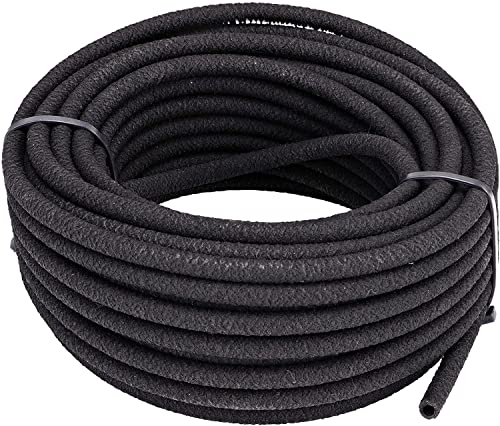
Slowly waters the soil around your plants for complete root zone hydration; Ideal for short runs on flat surfaces, such as vegetable gardens, borders, and around small plants

【Even & Consistent Root Watering】Features micro-pore seepage technology that distributes water evenly along the entire hose, transforming spot watering into uniform line watering directly to plant roots. Unlike traditional drip irrigation systems with clog-prone emitters, this soaker hose creates a continuous moisture band for healthier, deeper-rooted plants

Higher Cost Performance Provide: enough length soaker hoses to get higher cost performance,and our 1/4 " diameter soaker hose set not only include 100 Ft length soaker hose but also include a rich range of accessories for a variety of uses,help you make custom length soaker hoses cheap & easy.
Watering Practices
Water deeply and consistently to support your garden during the heat of July. Regularly check soil moisture, aiming for about 1 to 2 inches of water each week. Utilize drip irrigation or soaker hoses for efficient watering, as they minimize evaporation and deliver moisture directly to the roots. Water in the early morning or late afternoon to reduce water loss due to heat. To help retain soil moisture, consider adding a layer of mulch around your plants. Mulch also deters weeds, reducing competition for nutrients and water.
Pest Control Strategies
Implement proactive pest control strategies to protect your garden. Regularly inspect your plants for signs of pests, such as discolored leaves or holes. Introduce beneficial insects, like ladybugs and lacewings, which naturally control pest populations. Use insecticidal soap or neem oil for additional protection while being cautious to follow the product instructions to avoid harming beneficial insects. Crop rotation also mitigates pest issues. By rotating plant locations each year, you disrupt pest life cycles, keeping your garden healthier overall.
Conclusion
Don’t let the summer heat hold you back from planting a garden in July. With the right choices and preparation you can create a thriving space filled with delicious vegetables and beautiful flowers. Remember to consider your planting zone and select heat-tolerant varieties that will flourish in the warm weather.
By following the tips for soil preparation and maintenance you’ll set yourself up for a successful growing season. Stay attentive to your plants and enjoy the process of nurturing your garden. With a little effort you can transform your July garden into a vibrant oasis that’s sure to bring you joy all summer long. Happy gardening!
Frequently Asked Questions
Is it too late to plant a garden in July?
No, it’s not too late to plant a garden in July. Many plants thrive in the summer heat, and with the right choices, you can enjoy a productive garden even late in the season.
What factors should I consider when planting in July?
When planting in July, consider your USDA Hardiness Zone, local climate conditions like temperature, rainfall, and humidity, and choose heat-tolerant plants to ensure they thrive.
What types of plants can I grow in July?
In July, you can grow heat-tolerant vegetables like beans, corn, cucumbers, and peppers. Herbs like basil and dill, as well as summer flowers such as sunflowers and marigolds, are also excellent options.
How should I prepare my garden for planting in July?
To prepare your garden, test soil pH, add organic matter like compost, loosen the soil, remove weeds, and ensure adequate sunlight and water access. Proper preparation enhances growth and productivity.
What are some maintenance tips for my July garden?
Maintain your July garden by watering deeply and consistently, adding mulch to retain moisture, and regularly inspecting plants for pests. Use efficient watering methods like drip irrigation to promote healthy growth.

My interest in trees started when I first saw the giant sequoias in Yosemite.I was a teenager then, and I remember thinking, “I need to learn more about this.”That moment stuck with me.A few years later, I went on to study forestry at Michigan Tech.
Since graduating, I’ve worked in a mix of hands-on tree care and community education.I’ve spent over ten years helping people understand how to plant, maintain, and protect the trees in their neighborhoods.I don’t see trees as just part of the landscape.They are living things that make a real difference in our daily lives.