Are you wondering if peat moss is a good fit for your vegetable garden? You’re not alone. Many gardeners face the challenge of finding the right materials to improve soil health and boost plant growth.
Using peat moss can seem like a great option, but it’s important to consider its benefits and drawbacks. This article will help you understand how peat moss can impact your garden, from improving drainage and moisture retention to its environmental implications. By the end, you’ll have a clearer idea of whether to add peat moss to your gardening toolkit.
Key Takeaways
- Peat Moss Benefits: Peat moss enhances soil by improving moisture retention, aeration, and structure, making it a beneficial addition to vegetable gardens.
- Environmental Concerns: The harvesting of peat moss has significant ecological impacts, disrupting ecosystems and releasing stored carbon, prompting a need for sustainable alternatives.
- Nutrient Limitations: While peat moss aids in moisture retention, it lacks essential nutrients; combining it with compost or organic fertilizers can address this issue.
- Mixing Ratios: A common practice is to mix peat moss with other soil components at a ratio of 1:1 or 1:3 to enhance soil quality effectively.
- Best Practices for Use: When applying peat moss, use proper techniques such as incorporating it into soil to maximize its benefits and regularly monitor moisture levels.
Overview of Peat Moss
Peat moss is a natural material derived from decomposed sphagnum moss. It plays a significant role in gardening, particularly in enhancing soil’s physical properties. You can find it in many potting mixes, serving as a primary ingredient for improving water retention and aeration.
Benefits of Peat Moss
- Moisture Retention: Peat moss holds up to 20 times its weight in water. This characteristic ensures that your plants stay hydrated, especially during dry spells.
- Soil Aeration: Its fibrous structure improves soil aeration, allowing roots to access vital oxygen. This condition promotes healthy root growth.
- pH Levels: Peat moss is slightly acidic, with a pH around 3.5 to 4.5. This acidity may suit certain plants better, particularly those that prefer lower pH levels.
- Nutrient Source: Although peat moss itself lacks nutrients, it provides a stable environment for beneficial microorganisms that enhance soil fertility.
Environmental Considerations
Using peat moss in gardens raises environmental concerns. Its harvesting depletes peat bogs, critical ecosystems that store carbon. You can consider alternatives like coconut coir or compost, which provide similar benefits without the ecological impact.
- Mixing Ratios: When using peat moss, mix it with other soil components, like compost and perlite. A 50-50 ratio works well for many vegetable gardens.
- Watering: Monitor moisture levels closely. Peat moss retains water but can dry out quickly, so ensure you check your plants regularly.
- Use Sparingly: Given its environmental impact, use peat moss sparingly. Aim for a sustainable approach in your gardening practices by incorporating alternative materials.
Peat moss can enhance your vegetable garden if you consider its benefits and environmental implications. Using it wisely helps create a productive growing environment.
Benefits of Using Peat Moss in Vegetable Gardens
Peat moss provides several advantages when incorporated into vegetable gardens. Its unique properties enhance soil health and promote robust plant growth.
Recommended Products

Package Includes: You will get 55pcs 30mm seed starter pods. Once the seedlings have grown, simply insert the entire seed starter or seedling into an outdoor terrace, deck planter or backyard garden. Since there is no root disturbance, it is easy to build plants. It could't be easier!

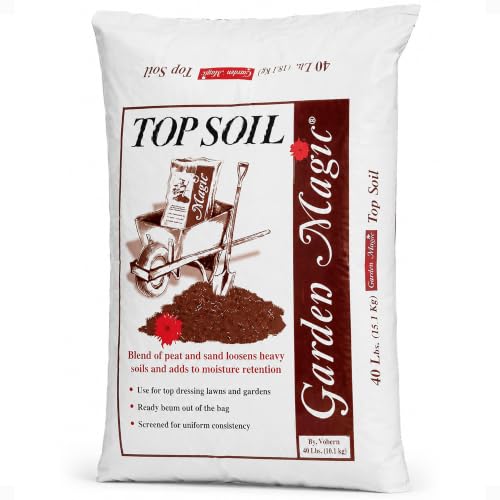
Ready-to-Use for All Planting Needs: This general-purpose potting soil is ready to use out of the bag, perfect for both indoor and outdoor planting without any extra prep
Improves Soil Structure
Peat moss improves soil structure by increasing aeration and creating space for roots. It helps break up compacted soil, allowing plants to establish stronger root systems. For example, mixing peat moss into heavy clay soil can transform it into a more manageable, friable medium that promotes healthy root development.
Enhances Moisture Retention
Peat moss enhances moisture retention significantly. It can hold up to 20 times its weight in water, making it an excellent addition for gardens in dry climates or during hot months. Using peat moss in your vegetable garden helps maintain consistent moisture levels, reducing the frequency of watering. Consider mixing 1 part peat moss with 3 parts soil for a moisture-retentive blend.
Potential Drawbacks of Peat Moss
Peat moss has notable benefits, but it also presents challenges for vegetable gardeners. Understanding these potential drawbacks helps you make informed decisions.
Environmental Concerns
Peat moss harvesting significantly impacts peat bog ecosystems. When peat is extracted, it disrupts habitats, releases stored carbon, and contributes to climate change. Sustainable alternatives like coconut coir or compost offer ecologically friendly solutions. If you’re focused on sustainability, consider these options to reduce your environmental footprint.
Nutrient Limitations
Peat moss provides excellent moisture retention but lacks essential nutrients. It contains little nitrogen, phosphorus, and potassium—the primary nutrients plants require. To address this, blend peat moss with rich compost or organic fertilizers. Adding these amendments enhances nutrient availability, ensuring your vegetable garden thrives. Regular soil testing can also help you monitor nutrient levels.
Alternatives to Peat Moss
Peat moss isn’t the only option for improving your vegetable garden soil. Several alternatives offer benefits without the environmental impact of harvesting peat.
Recommended Products

COMPOST, COCO COIR & BIOCHAR: Compost supplies organic matter and naturally occurring nutrients, coco coir creates a light, airy structure that holds moisture, and biochar gives beneficial microbes a home and helps hold onto nutrients

100% Organic & Peat-Free: Our compost mix is 100% organic & peat-free. Peat is one of Mother Nature’s most important stores of carbon. Instead of imported peat, the base of our soils is made from upcycled plant matter or wood fines from the United States!

ALL-NATURAL MIX: Burpee Organic Premium Potting Mix is formulated with plant food & coconut coir to promote seed & root growth and healthy flower, vegetable & herb plants. OMRI Listed for organic use.
Coconut Coir
Coconut coir comes from the fibrous husks of coconuts. This renewable resource serves as an excellent substitute for peat moss. Coconut coir provides moisture retention and aids in soil aeration. It holds water similarly, retaining moisture without becoming soggy.
To use coconut coir, soak the coir bricks in water. After they expand, mix them into your soil at a ratio of about 1:3 with existing garden soil. This blend enhances soil structure, encourages root growth, and fosters beneficial microbial activity in your garden.
Leaf Mold
Leaf mold consists of decomposed leaves. It’s a readily available and eco-friendly material for enhancing soil in vegetable gardens. Leaf mold significantly improves soil structure, promotes aeration, and increases moisture retention.
To create leaf mold, simply collect fallen leaves, place them in a designated bin or pile, and let them decompose for several months. Once ready, mix leaf mold into your garden soil at a rate of about 1 part leaf mold to 2 parts soil. This addition enriches the soil, increases nutrient content, and improves plant health.
Best Practices for Using Peat Moss in Vegetable Gardens
Using peat moss effectively can enhance your vegetable garden. Here are the best practices to consider.
Recommended Products

Peat Pots Dimensions: 40 Pots(3.15" X3.1") with 10 Plant Labels, Ideal for both indoor and outdoor gardening, Comes with 10 pcs plastic plant labels you can use them to mark the seeds in your peat pots
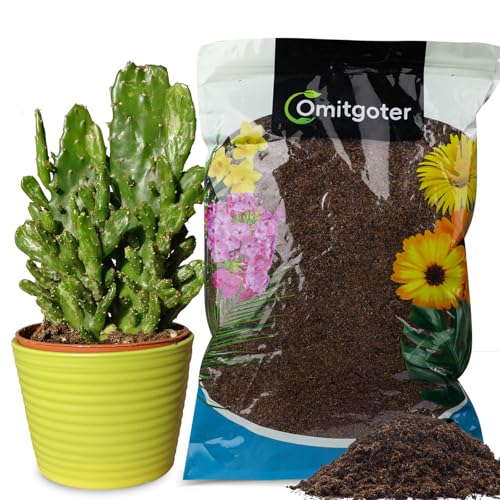
【Excellent Water Retention and Aeration】Our high-quality peat moss provides superior water retention, ensuring consistent moisture for your plants, while also improving soil aeration, promoting healthy root growth
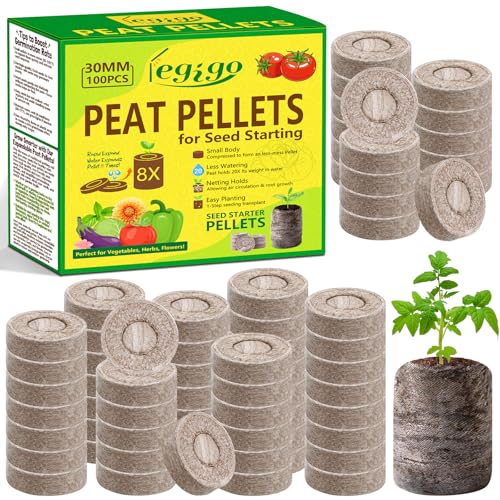
What You Get: Each package includes 100 pcs of 30 mm peat pellets. Just add water, and the seed starter soil will rapidly expand to 8x their original size, forming individual seedling pots. No messy soil prep required, simply place seeds to start growing. Ideal for starting multiple seeds and seedlings, the ample quantity meets daily seedling-growing needs, making seed germination a breeze
Mixing with Other Amendments
Mixing peat moss with other soil amendments improves its effectiveness. Combine peat moss with compost at a ratio of 1:1. This mix boosts nutrient availability and soil structure. For even more benefits, add perlite or vermiculite to enhance drainage and aeration. Coconut coir also makes a great alternative, providing moisture retention without the environmental impact of peat moss.
Application Techniques
Applying peat moss requires specific techniques for optimal results. Spread a layer of peat moss about 2-3 inches deep over your garden bed. Work it into the top 6-12 inches of soil to maximize its benefits. If you’re planting seeds directly, incorporate peat moss into the seedling mix for better moisture retention. Remember to monitor moisture levels, as peat moss can dry out quickly. Water consistently to maintain hydration, especially in dry climates.
Conclusion
Using peat moss in your vegetable garden can be a great way to enhance soil structure and moisture retention. While it offers several benefits for plant growth it’s important to weigh those against the environmental impact of its harvesting.
If you choose to use peat moss be sure to mix it with compost or other organic materials to ensure your plants get the nutrients they need. Keep an eye on moisture levels and consider exploring sustainable alternatives like coconut coir or leaf mold for a more eco-friendly approach.
Ultimately the choice is yours and being informed will help you create a thriving garden while being mindful of the planet. Happy gardening!
Frequently Asked Questions
What is peat moss and how is it used in gardening?
Peat moss is a natural material made from decomposed sphagnum moss. It’s used in gardening to improve soil by enhancing drainage, moisture retention, and aeration. This creates a better environment for plants and beneficial microorganisms.
Is peat moss suitable for vegetable gardens?
Yes, peat moss is suitable for vegetable gardens. It improves soil structure, retains moisture, and increases aeration, which supports strong root systems and improves plant growth.
What are the environmental concerns of using peat moss?
Harvesting peat moss depletes peat bog ecosystems, disrupts habitats, and contributes to climate change by releasing stored carbon. This raises serious environmental concerns for sustainable gardening practices.
What are alternatives to peat moss for gardening?
Alternatives include coconut coir, which retains moisture and is renewable, and leaf mold, made from decomposed leaves. Both options enhance soil structure and nutrient content without the environmental impact of peat moss.
How should peat moss be mixed for optimal gardening results?
For best results, mix peat moss with rich compost at a 1:1 ratio. This enhances nutrient availability and soil structure, helping create a balanced growing environment for vegetables.
What is the recommended application method for peat moss?
Spread a 2-3 inch layer of peat moss and work it into the top 6-12 inches of soil. This increases its benefits and ensures even distribution throughout the planting area.
How does peat moss affect soil moisture levels?
Peat moss can hold up to 20 times its weight in water, making it excellent for maintaining consistent moisture levels, particularly in dry climates, which benefits plant health and growth.
What nutrients does peat moss lack?
Peat moss lacks essential nutrients like nitrogen, phosphorus, and potassium. It is important to supplement it with compost or organic fertilizers to ensure plants receive adequate nutrition for growth.

My interest in trees started when I first saw the giant sequoias in Yosemite.I was a teenager then, and I remember thinking, “I need to learn more about this.”That moment stuck with me.A few years later, I went on to study forestry at Michigan Tech.
Since graduating, I’ve worked in a mix of hands-on tree care and community education.I’ve spent over ten years helping people understand how to plant, maintain, and protect the trees in their neighborhoods.I don’t see trees as just part of the landscape.They are living things that make a real difference in our daily lives.