Have you ever wondered if horse manure could be the secret ingredient your vegetable garden needs? Many gardeners face the challenge of finding the right fertilizer that nourishes plants without harming them. If you’re looking for a natural option, horse manure might just be the answer.
Key Takeaways
- Nutrient-Rich Fertilizer: Horse manure is an excellent source of essential nutrients, including nitrogen, phosphorus, and potassium, crucial for enhancing vegetable growth.
- Soil Improvement: It improves soil structure, aeration, and moisture retention, contributing to a balanced environment for plant roots.
- Composting is Key: Thoroughly compost horse manure to eliminate pathogens and parasites, ensuring it’s safe for use in your garden; aim for a composting temperature of at least 130°F.
- Application Guidelines: Apply aged horse manure to the soil 1-2 inches thick, ideally in the fall or early spring, and consider side dressing during the growing season for nutrient boost.
- Awareness of Contaminants: Check for chemical contaminants in horse manure, particularly from non-organic sources, since they can negatively affect plant health.
- Explore Alternatives: Consider other organic fertilizers like compost, worm castings, and fish emulsion as effective options for enriching your vegetable garden without the risks of manure.
Benefits of Using Horse Manure
Using horse manure in your vegetable garden offers several advantages, enhancing both soil quality and plant growth.
Nutrient Content
Horse manure provides essential nutrients like nitrogen, phosphorus, and potassium. These nutrients support plant growth, boost yields, and improve overall health. For instance, a well-balanced mix of these elements can increase the vitality of crops such as tomatoes and peppers. Aged horse manure contains approximately 0.5% nitrogen, 0.2% phosphorus, and 0.5% potassium, contributing significantly to nutrient availability.
Soil Improvement
Horse manure enhances soil structure, promoting aeration and moisture retention. It introduces organic matter, which improves drainage in heavy soils and holds moisture in sandy soils. As a result, this leads to a more balanced environment for root systems, fostering healthier plants. Additionally, it encourages beneficial microorganisms, which aid in breaking down organic material and enhancing soil fertility. For example, incorporating well-rotted horse manure before planting can create a richer growing medium, improving the overall productivity of your vegetable garden.
Considerations Before Using Horse Manure
Using horse manure in your vegetable garden offers numerous benefits. However, it’s important to consider potential drawbacks. Here are some key factors to keep in mind.
Pathogens and Parasites
Horse manure may contain pathogens and parasites that can harm plants and pose health risks. It’s crucial to compost manure thoroughly to kill off harmful microorganisms. Aim for a composting process that reaches temperatures of at least 130°F for several days. This temperature helps eliminate pathogens, ensuring safer use in your garden. Always ensure the compost is aged at least 6 months before applying it to your vegetable beds.
Chemical Contaminants
Horse manure can contain chemical contaminants, including herbicides used in feed or bedding. These chemicals might persist through the composting process and harm your plants. Before using horse manure, check for sources that practice organic farming or avoid chemical treatments entirely. Test manure for residual chemicals if unsure, particularly if you’re interested in cultivating sensitive crops. Using certified organic sources minimizes the risk of introducing harmful chemicals to your garden.
How to Prepare Horse Manure for Vegetable Gardens
Preparing horse manure for your vegetable garden involves composting it properly and applying it effectively. Follow these steps to ensure maximum benefit from this natural fertilizer.
Recommended Products

DURABLE CONSTRUCTION: Solid 20 inch (508 mm) 0.2 inch (5mm) diameter stem; reinforced welded bolt between dial and stem for long-lasting operation and conditions; high quality 304 stainless steel
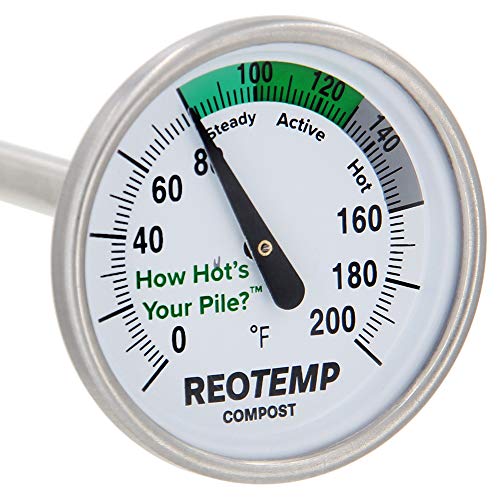
Perfect for the Beginner Composter - Free PDF Digital Compost Guide Included - Expert instructions on how to get started composting and managing your compost pile for the most efficient compost production.

24" Stem Length, Rugged All Stainless Steel Construction
Composting Process
Start composting horse manure as soon as you obtain it. Collect fresh manure and mix it with bedding materials like straw or wood shavings. Aim for a carbon-to-nitrogen ratio of about 30:1 for optimal composting.
Monitor temperatures during the composting process. Ventilate the pile by turning it every few weeks. This action ensures air circulation and helps maintain a consistent temperature. Ensure temperatures reach at least 130°F for several days to kill off harmful pathogens and parasites. Once the compost appears dark and crumbly, it’s ready for use. The aging process can take several months, so plan ahead.
Application Techniques
Apply aged horse manure to your vegetable garden in several ways. Spread a layer of composted manure across the garden bed, about 1-2 inches thick, to enrich the soil. Incorporate it into the top 6-12 inches of soil for uniform distribution.
Use horse manure as a side dressing during the growing season. Once plants are established, apply a thin layer around their base to provide additional nutrients. Be careful not to pile it against the stems, which can cause rot.
Water well after application to help integrate the nutrients into the soil. Monitor your plants for growth and adjust the amount of manure based on their response. This technique enhances overall growth and health in your vegetable garden.
Best Practices for Application
Using horse manure in your vegetable garden requires thoughtful application to maximize benefits and minimize risks. Follow these best practices to ensure a successful experience.
Recommended Products

FOR USE ON: Use Chicken Manure organic fertilizer for flowers (annuals, perennials, and roses), Vegetables (tomatoes, peppers, squash, and lettuce), trees and shrubs.
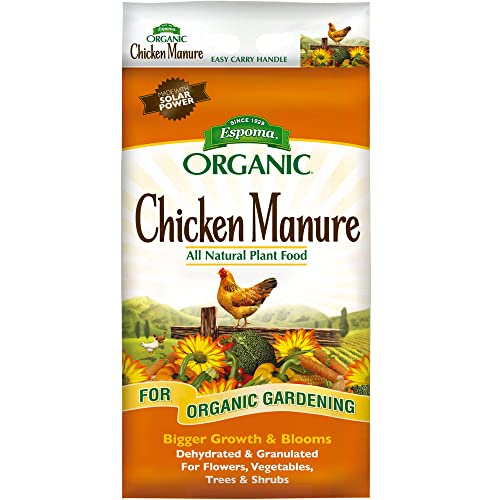
FOR USE ON: Use Chicken Manure organic fertilizer for flowers (annuals, perennials, and roses), Vegetables (tomatoes, peppers, squash, and lettuce), trees and shrubs.

For more nutritious and tasty vegetables
Timing and Frequency
Apply horse manure in the fall or early spring. This timing allows for proper decomposition before planting begins. If using fresh manure, avoid application close to planting dates, as the high nitrogen content can harm seedlings. Aim for one to two applications per growing season, depending on soil nutrient levels and crop needs. For gardens with heavy nutrient demand, such as tomato or squash, consider a side dressing mid-season to support their growth.
Crop Selection
Select crops that thrive with organic fertilizers. Root vegetables like carrots and beets, along with heavy feeders such as tomatoes and corn, respond well to horse manure. Pay special attention to sensitive crops, including leafy greens, which can be adversely affected by excess nitrogen. Test your soil before planting to gauge nutrient levels, ensuring that the chosen crops align with the available nutrients. Rotate crop families yearly to maintain soil health and reduce pest buildup.
Alternative Organic Fertilizers
Using horse manure isn’t the only option for enriching your vegetable garden. Several alternative organic fertilizers provide valuable nutrients without the concerns associated with manure. Here are some effective choices.
Recommended Products

APPLICATIONS: Our organic chicken manure pellets are ideal for vegetable gardens, flower beds, potted plants, raised beds, trees, and shrubs. One 6 lb bag feeds up to 200 sq. ft. Safe for pets and children, it has a low odor and can be used without gloves or protective equipment.


Enhances Soil Health: True Organic Chicken Manure improves soil structure, aeration, and drainage, while helping the soil retain moisture and resist erosion.
Compost
Compost consists of decomposed organic matter. You can create it from kitchen scraps, yard waste, and grass clippings. Compost enhances soil structure, promotes beneficial microbes, and supplies vital nutrients. Aim for a mix of green materials (e.g., vegetable peels, coffee grounds) and brown materials (e.g., dried leaves, cardboard) to balance nitrogen and carbon.
Worm Castings
Worm castings are a nutrient-rich byproduct of vermicomposting. They contain essential plant nutrients such as nitrogen, phosphorus, and potassium. Apply worm castings directly to the soil or mix them into potting soil for container gardening. They improve soil aeration and moisture retention while promoting healthy root development.
Fish Emulsion
Fish emulsion is a liquid fertilizer made from decomposed fish. It packs a punch of nutrients and has a mild scent. Dilute fish emulsion according to package instructions, then apply it as a foliar spray or soil drench. This option offers quick nutrient uptake for plants, especially during the growing season.
Bone Meal
Bone meal provides a slow-release source of phosphorus and calcium. Use it to boost flowering and fruiting in plants like tomatoes and peppers. Mix bone meal into the soil at planting time or apply it as a top dressing. Be mindful of the recommended rates on the packaging to avoid overapplication.
Blood Meal
Blood meal is a byproduct of the meat industry, primarily rich in nitrogen. It promotes lush green growth and is especially beneficial for leafy vegetables. Incorporate it into the soil before planting or use it as a side dressing during the growing season. Exercise caution with application rates, as excessive nitrogen can harm plants.
Kelp Meal
Kelp meal is derived from seaweed and offers a range of micronutrients and growth hormones. It promotes strong root systems and improves overall plant health. Incorporate kelp meal into your soil or use it as a foliar spray. This organic fertilizer supports plant resilience and boosts yields.
- Test Your Soil: Before selecting a fertilizer, test your soil for nutrient deficiencies. Soil test kits are available at gardening centers or online.
- Consider Plant Needs: Match fertilizer types with the specific needs of your crops. Heavy feeders like tomatoes may require higher nitrogen levels, while root crops thrive with phosphorus.
- Use Mulch: Applying organic mulch such as straw or grass clippings can help retain moisture and gradually enrich the soil.
These alternatives provide diverse options for maintaining a healthy vegetable garden while minimizing the risks associated with horse manure. By selecting the right organic fertilizers, you can enhance soil fertility and boost crop yields effectively.
Conclusion
Using horse manure in your vegetable garden can be a fantastic way to enrich your soil and boost plant growth. Just remember to take the necessary precautions to ensure it’s safe and beneficial for your crops.
By composting properly and allowing the manure to age, you can minimize risks and enhance the nutrient content of your soil. Keep an eye on your plants and adjust your application based on their needs.
If you ever feel uncertain, don’t hesitate to explore other organic options. Your garden deserves the best care, and with a little attention, you’ll be well on your way to a thriving vegetable patch. Happy gardening!
Frequently Asked Questions
What are the benefits of using horse manure as fertilizer?
Horse manure is rich in essential nutrients like nitrogen, phosphorus, and potassium. It improves soil structure, promoting better aeration and moisture retention. This organic matter enhances plant growth and yield, particularly for crops like tomatoes and peppers by fostering a healthier garden environment.
How should horse manure be prepared for use?
Horse manure should be thoroughly composted to eliminate pathogens and harmful chemicals. Mix fresh manure with bedding materials to achieve a carbon-to-nitrogen ratio of 30:1. Compost should reach temperatures of at least 130°F and be aged for at least six months before application to ensure it’s safe for plants.
When is the best time to apply horse manure?
Horse manure is best applied in the fall or early spring, allowing it to decompose well before planting. Additional applications can be made during the growing season, especially for heavy feeders like tomatoes. Always check soil nutrient levels to determine the frequency of application.
Are there any risks associated with using horse manure?
Yes, horse manure might contain pathogens, parasites, and chemical residues from feed or bedding. It’s essential to properly compost it to eliminate harmful microorganisms and source it from reputable organic farms to minimize risks to plants and human health.
What are some alternatives to horse manure for fertilizing vegetable gardens?
Alternatives include compost, worm castings, fish emulsion, bone meal, blood meal, and kelp meal. Each provides various nutrients and benefits while avoiding the risks tied to using horse manure. Testing soil for nutrient deficiencies helps ensure proper supplementation for optimal plant health.

My interest in trees started when I first saw the giant sequoias in Yosemite.I was a teenager then, and I remember thinking, “I need to learn more about this.”That moment stuck with me.A few years later, I went on to study forestry at Michigan Tech.
Since graduating, I’ve worked in a mix of hands-on tree care and community education.I’ve spent over ten years helping people understand how to plant, maintain, and protect the trees in their neighborhoods.I don’t see trees as just part of the landscape.They are living things that make a real difference in our daily lives.