Are you ready to grow your own fresh vegetables but not sure where to start? You’re not alone. Many people find themselves staring at a patch of dirt, wondering what to plant to make the most of their garden space.
Key Takeaways
- Understand Your Climate Zone: Identify your USDA hardiness zone to select vegetables that thrive in your area’s specific conditions and temperatures.
- Plan Your Garden Layout: Optimize space with techniques like raised beds, vertical gardening, and succession planting to maximize yield and ease of maintenance.
- Utilize Crop Rotation and Companion Planting: Enhance soil health and pest control by rotating crops annually and planting compatible species together.
- Follow a Seasonal Planting Guide: Plant cool-season crops in spring, warm-season vegetables in summer, and prepare for fall by selecting suitable crops for cooler weather.
- Focus on Soil Quality and Maintenance: Prioritize soil preparation, consistent watering, and regular pest monitoring for thriving vegetable gardens.
- Harvest and Store Properly: Harvest vegetables at the right time and use appropriate storage techniques to maintain flavor and nutritional value.
Understanding Your Climate Zone
Knowing your climate zone plays a crucial role when planning your vegetable garden. Each climate zone has specific temperature ranges, frost dates, and growing seasons, affecting what vegetables thrive in your area.
Importance of Climate Zones
Climate zones define your growing conditions. These zones are categorized based on average annual temperatures and seasonal variations. USDA Plant Hardiness Zone Map separates regions into 13 zones, each representing 10°F temperature increments. For instance, Zone 5 experiences winter lows from -20°F to -10°F. Recognizing your zone helps you choose vegetables that will flourish without unnecessary stress or failure.
Choosing the Right Vegetables
Selecting the right vegetables hinges on your climate zone. Here’s how to approach it:
- Identify Your Zone: Use the USDA map to pinpoint your exact climate zone.
- Research Suitable Vegetables: Look for planting guides specific to your zone.
- Consider Planting Times: Understand your last frost date in spring and first frost date in fall to plan when to plant.
- Select Varieties: Choose varieties known for thriving in your conditions, like cool-season crops for cooler zones or warm-season crops for warmer areas.
For example, garden beans, zucchini, and tomatoes grow well in warmer zones, while cabbage and spinach excel in cooler ones. Matching your vegetables to your climate ensures better yields and healthier plants.
Planning Your Vegetable Garden
Planning your vegetable garden requires strategic thinking and an understanding of your growing environment. You’ll need to consider factors like space, layout, and planting companions for optimal results.
Space and Layout Considerations
Space directly influences what you can plant. Measure your garden area to determine how much room you have. Divide your space into sections for different crops or types of vegetables, allowing for pathways between rows.
- Raised Beds: Raised beds improve drainage and create defined growing areas. Each bed should be 4 feet wide for easy access from both sides.
- Row Planting: Consider traditional row planting, allocating 18 to 24 inches between rows for sufficient air circulation.
- Vertical Gardening: Utilize vertical gardening techniques, like trellises, to save ground space while cultivating climbing plants like peas and cucumbers.
- Succession Planting: Plan for succession planting, where you stagger planting times. For instance, plant lettuce in early spring and then follow with beans as summer arrives.
Crop Rotation and Companion Planting
Crop rotation and companion planting enhance soil health and maximize yields. Rotate crops to prevent soil depletion and reduce pest issues.
- Crop Rotation: Change your crops annually to avoid planting the same type in the same spot. For example, after tomatoes, plant leafy greens like spinach or kale in the same area next year.
- Companion Planting: Pair compatible plants to boost growth and ward off pests. For instance, planting basil with tomatoes can improve flavor and deter harmful insects.
- Pest Management: Utilize marigolds alongside vegetables to repel nematodes and other pests naturally.
- Nutrient Sharing: Combine legumes, such as beans, with grasses, like corn. Legumes fix nitrogen in the soil, benefiting the corn’s growth.
By addressing space and layout considerations alongside crop rotation and companion planting, you create a detailed plan tailored to your vegetable garden.
Seasonal Planting Guide
Understanding the best times to plant vegetables helps optimize your garden’s success. Here’s a look at what to plant during each season.
Recommended Products

QUALITY - All seeds packaged by Seed Needs are intended for the current and the following growing seasons. All seeds are stored in a temperature controlled facility that is free of significant amounts of moisture.

ABUNDANT AUTUMN & WINTER HARVEST: Unlock a generous bounty of the finest autumn and winter vegetables from our carefully curated collection. Designed for fast results, effortless care, and high yields, this premium assortment allows you to plant new crops multiple times per season. Experience the joy of growing robust, cold-hardy varieties that thrive in shorter daylight hours and cooler temperatures.
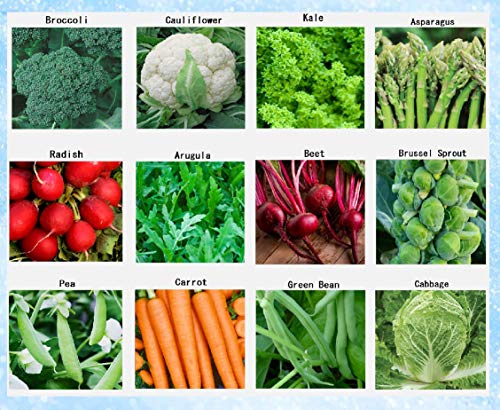
☘ 12 MOST POPULAR WINTER VEGETABLES: Radish, Pea, Broccoli, Beet, Carrot, Cauliflower, Green Bean, Kale, Arugula, Cabbage, Asparagus, Brussel Sprout.
Spring Vegetables
Spring marks the beginning of the gardening season. It’s ideal for planting cool-season crops. Aim to plant these seeds as soon as the ground thaws. Common spring vegetables include:
- Peas: Plant these seeds as soon as the ground is workable.
- Lettuce: Sow seeds directly in the soil; they thrive in cool weather.
- Radishes: Quick to germinate, radishes can be harvested in as little as 30 days.
Opt for transplants if you’re starting later in the season. Vegetables like broccoli and cabbage grow well in early spring. Monitor nighttime temperatures to protect sensitive seedlings from frost.
Summer Vegetables
Summer is perfect for warm-season crops that thrive in heat. Wait until the last frost date in your area has passed before planting these seeds. Suitable summer vegetables include:
- Tomatoes: Start seeds indoors and transplant when the soil warms up.
- Zucchini: Plant seeds directly in well-drained soil for quick yields.
- Bell Peppers: These need warmth, so wait until the soil reaches at least 70°F.
Consider succession planting for continuous harvests throughout summer. Planting every two to three weeks ensures a steady supply of fresh vegetables.
Fall Vegetables
Fall provides an opportunity for a second planting of cool-season crops. As temperatures drop, it’s time to transition your garden. Ideal fall vegetables include:
- Kale: This hardy green tastes even better after a frost.
- Carrots: Plant seeds in late summer for a fall harvest; they can stay in the ground until needed.
- Brussels Sprouts: Start seeds in early summer for a late-season harvest.
Add protective coverings like row covers to extend your growing season. This method keeps plants warmer and helps them withstand frost.
By following this seasonal planting guide, you can effectively plan your vegetable garden and achieve bountiful yields throughout the year.
Essential Tips for Successful Gardening
Gardening success requires attention to detail and understanding essential practices. Focus on soil preparation, watering, and maintenance to achieve optimal results.
Recommended Products

Quick, at home results for Soil pH, Nitrogen, Phosphorous and Potash Innovative and inexpensive soil test kit features an easy-to-use capsule system and patented color comparators

Quick, at home results for Soil pH, Nitrogen, Phosphrous and Potash

KNOW BEFORE YOU GROW | Grow the healthiest, sustainable lawn and garden with the most accurate and easy to use professional soil test kit on the market
Soil Preparation and Fertility
Soil is the foundation of any vegetable garden. Test your soil’s pH and nutrient levels using a soil test kit. Aim for a pH between 6.0 and 7.0 for most vegetables. Amend your soil based on test results, incorporating organic matter such as compost or well-rotted manure to improve fertility and drainage.
Choose a rich, loamy soil mix that retains moisture while allowing excess water to drain. Consider adding elements like peat moss or vermiculite for improved texture. When preparing the garden bed, loosen the soil to a depth of at least 12 inches. This promotes healthy root growth and enhances plant stability.
Consider using mulch to retain moisture and suppress weeds. Organic mulch options include straw, grass clippings, or shredded leaves. Spread a 2-3 inch layer around plants, keeping it away from stems to prevent rot.
Watering and Maintenance
Watering practices significantly impact plant health. Aim for consistent moisture levels, targeting approximately 1 inch of water per week. Adjust based on weather conditions; hot, dry days may require additional watering.
Water deeply and less frequently to encourage deep root growth. Early mornings are the best time for watering, minimizing evaporation and fungal diseases. Use soaker hoses or drip irrigation systems to direct water to the roots effectively.
Regular maintenance is crucial for a thriving vegetable garden. Weed control prevents competition for nutrients and water. Check for weeds weekly and remove them by hand or use mulch to minimize their growth.
Monitor plants for pests and diseases. Inspect leaves and stems for signs of damage or infestation. Use organic pest control methods, such as insecticidal soap or neem oil, to protect your plants without harmful chemicals.
By focusing on soil quality and proper watering techniques, you’ll create a healthy environment for your vegetable garden, boosting yields and maintaining plant vitality.
Harvesting and Storing Your Vegetables
Harvesting vegetables at the right time maximizes flavor and nutritional value. Monitor your garden closely as vegetables near maturity.
Signs of Readiness
- Color Changes: Many vegetables change color when they’re ripe. Look for vibrant, deep hues that indicate ideal eating time.
- Size: Each vegetable has a recommended size at maturity. For instance, zucchinis should be around 6 to 8 inches long, while bell peppers should be full and firm.
- Texture: Some vegetables, like peas and beans, feel tight in their pods when they’re ready. Remember to check them often.
Best Harvesting Practices
- Use Clean Tools: Always harvest with clean scissors or knives to prevent plant damage.
- Handle Gently: Avoid squeezing or dropping vegetables. Handle them carefully to maintain quality.
- Timing: Harvest in cool morning hours for the best flavor and freshness.
Storing Techniques
After harvesting, proper storage extends the life of your vegetables.
- Refrigeration: Most leafy greens, such as lettuce and spinach, benefit from refrigeration. Store them in plastic bags or containers to keep moisture in.
- Dry Storage: Root vegetables like carrots and potatoes can be stored in a cool, dark place. Use breathable containers like burlap sacks or cardboard boxes.
- Freezing: For long-term storage, consider blanching vegetables like green beans or broccoli before freezing. This process preserves color and nutrients.
Tips for Specific Vegetables
- Tomatoes: Store at room temperature until ripe, then refrigerate to prolong freshness.
- Carrots: Trim the greens and store in a perforated bag in the fridge to keep them crisp.
- Herbs: Store fresh herbs upright in a jar of water, or snip and freeze them in ice cube trays with olive oil.
- Don’t Wash Before Storage: Moisture encourages spoilage, so wash vegetables just before use.
- Avoid Direct Sunlight: Store vegetables away from sunlight to prevent wilting and nutrient loss.
By implementing these methods, you ensure your harvested vegetables remain fresh and delicious longer. Adjust these strategies based on your vegetable varieties for best results.
Conclusion
Starting your vegetable garden can be a rewarding journey filled with fresh flavors and vibrant colors. By understanding your climate zone and choosing the right vegetables, you’re setting yourself up for success.
Don’t forget the importance of planning your space and implementing smart gardening techniques. With a little effort in soil preparation and maintenance, your garden will thrive.
As you harvest your homegrown veggies, you’ll not only enjoy their taste but also the satisfaction of nurturing them from seed to plate. Happy gardening and may your garden flourish!
Frequently Asked Questions
What should I consider when starting a vegetable garden?
To start a vegetable garden, consider your climate zone, available space, and what vegetables you want to grow. Understanding the local weather patterns, frost dates, and soil quality will help you choose the best plants for your area. Planning your garden layout and incorporating techniques like raised beds or companion planting can further optimize your gardening efforts for better yields.
How do I find out my climate zone?
You can find your climate zone by referring to the USDA Plant Hardiness Zone Map. This map divides regions based on average annual temperatures, which helps determine suitable plants for your area. Conducting an online search with your zip code can also provide specific climate zone information.
What vegetables should I plant in spring?
In spring, you should focus on planting cool-season crops such as peas, lettuce, and radishes. These vegetables thrive in the cooler temperatures after the ground thaws. It’s essential to check your local frost dates to ensure you plant at the right time for optimal growth.
When is the best time to plant summer vegetables?
Summer vegetables, like tomatoes, zucchini, and bell peppers, should be planted after the last frost date. Warm weather is essential for these crops, so ensure you wait for the right conditions to promote healthy growth and better yields.
How can crop rotation benefit my vegetable garden?
Crop rotation can enhance soil health by preventing nutrient depletion and reducing pest build-up. By changing the location of your plants each year, you help maintain a balanced ecosystem in your garden. This practice promotes better growth and can increase your yields over time.
What are the best practices for watering a vegetable garden?
Watering should be consistent, with a focus on deep watering techniques. This encourages root growth and helps plants become established. It’s important to monitor moisture levels regularly and adjust your watering habits based on the weather and the specific needs of your vegetables.
How can I tell when it’s time to harvest my vegetables?
Harvest your vegetables when they show signs of readiness, such as changes in color, size, and texture. Each vegetable has specific indicators; for instance, tomatoes should be fully colored and firm, while root vegetables can be harvested when they reach the desired size. Use clean tools and handle gently to avoid damage.
What is the best way to store harvested vegetables?
Proper storage extends freshness and flavor. Refrigerate leafy greens, use dry storage for root vegetables, and blanch before freezing for long-term storage. Avoid washing vegetables until ready to use, and keep them out of direct sunlight to prevent spoilage. Each type of vegetable may have specific storage needs to consider.

I’ve always been drawn to trees.As a kid, I spent most of my free time outside, climbing, exploring, and trying to figure out the names of the trees around me.That early curiosity eventually led me to study arboriculture and horticulture at Michigan State.Later, I completed a degree in forestry at the University of Michigan.
I’ve been working in tree care and education ever since.These days, I enjoy helping people learn more about the trees in their own backyards.How they grow, how to care for them, and why they matter.You don’t need to be an expert to appreciate trees.A little curiosity goes a long way.