Have you ever wanted to grow your own fresh beans but didn’t know where to start? You’re not alone. Many gardeners find themselves puzzled by the process, unsure of the best methods to ensure a bountiful harvest.
Growing beans can be incredibly rewarding and surprisingly easy. With just a little guidance, you can transform a small patch of soil into a thriving bean garden. This article will walk you through the essential steps, from choosing the right variety to planting and caring for your beans. By the end, you’ll be ready to enjoy the fruits of your labor and impress your friends with homegrown produce.
Key Takeaways
- Choose the Right Variety: Select bean types suited to your climate and gardening conditions, such as green beans for quick harvests or lima beans for warm areas.
- Soil Preparation is Crucial: Test soil pH, aim for well-drained loamy soil, and add organic matter like compost for optimal growth.
- Timing is Key: Plant beans after the last frost when soil temperatures reach 70°F to 90°F for the best germination.
- Regular Care and Monitoring: Water beans consistently, check for pests and diseases, and implement organic solutions for pest control.
- Know When to Harvest: Recognize signs of ripeness, such as color change and pod firmness, to ensure optimal flavor and quality.
- Use Proper Harvesting Techniques: Employ sharp tools and gentle methods to prevent damage during the harvesting process, allowing for multiple harvests throughout the season.
Choosing the Right Bean Variety
Selecting the right bean variety is essential for a successful garden. Different beans thrive under specific conditions. Understanding these options helps you make an informed decision.
Recommended Products
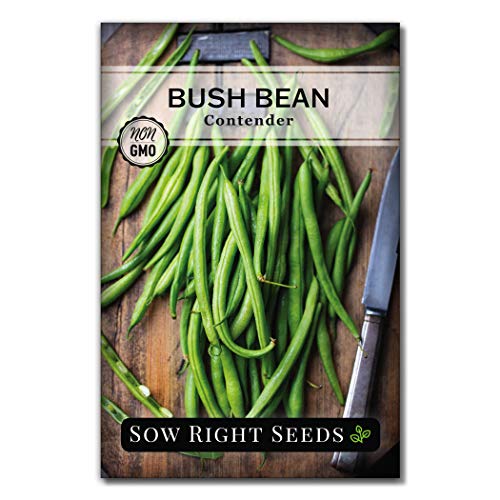
Beautiful - Large premium seed packet of Contender Bush Bean (Phaseolus vulgaris) seeds. Minimum of 16.5g per packet (about 30 seeds). Stringless bush bean that matures early and produces high yields. Adaptable, performing well in short, cool growing seasons or in hot weather. Beans are 5-8" long and retain their flavor when frozen or canned.

High Germination Rate: Heirloom seeds sprout in 5–10 days. Ideal greenbeans for USDA zones 3–11, gardens, raised beds, and containers. Blue lake bush bean seeds have been known in the canning industry for years because of its reliability, huge yields and disease resistance.
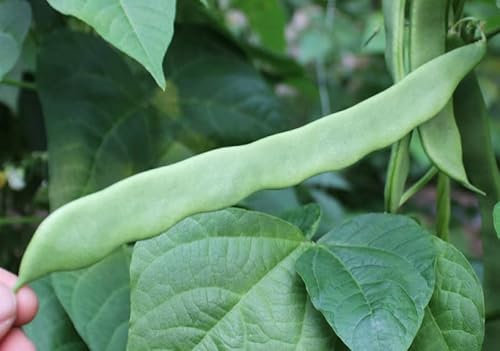
DO NOT soak more than 2 hours before planting. Too much soaking in water and a seed will drown. Google "amyestore edible garden" to check out our experiments of growing Romano pole beans
Types of Beans
- Green Beans: These include bush and pole varieties. Bush beans grow compactly, while pole beans climb trellises. Both varieties produce tender, edible pods.
- Dry Beans: Varieties like kidney, black, and pinto beans store well. They’re harvested when mature and dried for long-term use.
- Snap Beans: Also known as string beans, snap beans are crisp and flavorful. They can be eaten fresh or cooked.
- Soybeans: These protein-rich beans are often used for tofu and soy milk. Soybeans require a longer growing season.
- Lima Beans: Known for their creamy texture, lima beans grow well in warm climates. They come in bush and pole types.
- Temperature: Beans thrive in temperatures between 70°F and 90°F. Plant after the last frost for optimal germination.
- Sunlight: Choose a location with full sun exposure. Beans require at least six hours of sunlight daily for healthy growth.
- Soil Type: Well-drained, loamy soil is best for beans. Test the soil’s pH; it should range from 6.0 to 7.0.
- Growing Season: Consider your local growing season length. Varieties like green beans can mature in 50-70 days, while others may take longer.
- Region: Select varieties suited to your region’s climate. Warm regions benefit from heat-tolerant types, while cooler areas may require early-maturing options.
Making informed choices on bean varieties and understanding climate conditions contributes significantly to your gardening success. Grow beans that fit your garden’s unique environment for the best results.
Preparing the Soil
Preparing the soil properly sets the foundation for a successful bean garden. Focus on soil quality and necessary amendments to ensure your beans thrive.
Recommended Products

Quick, at home results for Soil pH, Nitrogen, Phosphorous and Potash Innovative and inexpensive soil test kit features an easy-to-use capsule system and patented color comparators

Quick, at home results for Soil pH, Nitrogen, Phosphrous and Potash

Comprehensive Soil Analysis: Liquid soil test kits offer a comprehensive analysis of essential soil parameters, including pH, ammonia, nitrogen, phosphorus, and potassium. Having all these measurements in one kit provides a holistic understanding of the soil's fertility and health.
Soil Quality and Testing
Soil quality directly affects plant health. Obtain a soil test to determine pH levels and nutrient content. Ideal pH for beans ranges from 6.0 to 7.0. Local extension services often provide testing kits or services.
Check for soil texture, aiming for loamy soil with good drainage. Sandy soil can drain too quickly, while clay may retain too much water. If your soil lacks organic matter, consider adding compost or well-rotted manure to improve structure and nutrient levels.
Amendments and Fertilizers
Incorporate amendments to enhance soil quality further. Use compost, which adds nutrients and improves aeration. If nitrogen levels are low, choose a nitrogen-rich fertilizer, like blood meal or fish emulsion, but avoid excessive nitrogen as it promotes foliage over pod growth.
Apply amendments a few weeks before planting. Mix them into the top 6 to 12 inches of soil. For established plants, a balanced fertilizer during the growing season can encourage better yields. Always follow package instructions for dosage to prevent over-fertilizing, which can harm your plants.
Planting Beans
Planting beans requires careful attention to timing and technique to ensure a successful harvest. Follow these steps to optimize your planting process.
When to Plant
Beans thrive in warm weather. The ideal soil temperature for planting beans ranges from 70°F to 90°F. Aim to plant beans after the last frost date in your area. In most regions, this typically occurs in late spring. Check local gardening resources for specific dates. If you’re in a cooler region, consider starting seeds indoors about three weeks before the last frost. Transplant seedlings outdoors once temperatures are consistently warm.
- Choose the Right Location: Select a sunny spot in your garden that receives at least six hours of sunlight each day.
- Prepare the Soil: Loosen the soil to a depth of about 12 inches. Mix in organic matter such as compost to improve fertility and drainage.
- Space the Seeds: Plant seeds about 1-2 inches deep, spacing them 2-4 inches apart. Rows should be 18-36 inches apart, depending on the bean variety.
- Watering: Water seeds gently after planting. Keep the soil consistently moist but not waterlogged during germination, which typically takes 7-14 days.
- Mulching: Apply a layer of mulch around the plants once they emerge. This helps retain moisture and suppress weeds.
By following these planting guidelines, you create a welcoming environment for your beans to flourish.
Caring for Bean Plants
Caring for bean plants involves essential practices that promote healthy growth and bountiful harvests. Focus on watering, pest management, and ensuring optimal conditions.
Recommended Products

Quick Connect Design: Newly Upgraded Quick Connect Irrigation System Say Goodbye to Complicated Settings! Our upgraded 4-way connectors, tees, and nozzles can now be easily connected directly to 1/4 "irrigation pipes. No more trouble with heating or softening - just plug and play!
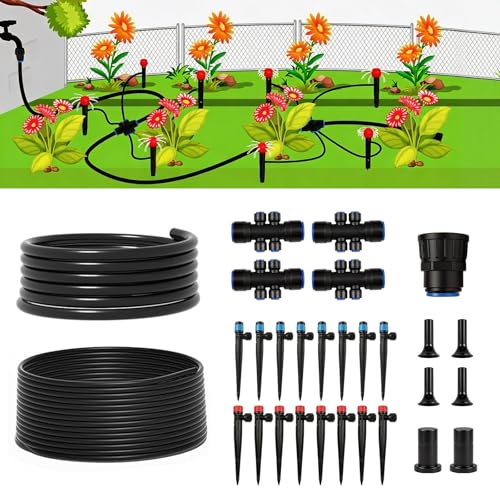
TRUE QUICK CONNECT – NO LEAKS, NO STRUGGLE: Unlike traditional kits that require twisting and force-fitting, our quick-connect design lets you simply push tubing into place. Secure, leak-resistant connections every time — no tools needed.

[240FT Complete Drip Irrigation Kit]:Includes 40FT heavy-duty 1/2" main tubing and 200FT 1/4" distribution lines. This versatile set provides 136 essential drip irrigation parts, allowing you to customize a large 240FT system or two separate 120FT watering zones for your garden layout.
Watering and Irrigation
Watering bean plants consistently promotes robust growth. Aim to keep the soil evenly moist, but not soggy. You can achieve this by watering deeply about once a week, adjusting frequency based on rainfall and temperature.
- Check Soil Moisture: Insert your finger about an inch into the soil. If it feels dry, it’s time to water.
- Use Drip Irrigation: This method delivers water directly to the soil, conserving moisture and reducing weed growth.
- Avoid Overhead Watering: Overhead watering can lead to fungal diseases. Water at the base of the plants instead.
Mulching around the base helps retain moisture and suppress weeds, reducing the need for frequent watering.
Pest and Disease Control
Managing pests and diseases effectively ensures healthy bean plants. Regular checks help catch issues early.
- Inspect Regularly: Look under leaves for pests like aphids, spider mites, and whiteflies. Early detection makes control easier.
- Use Organic Solutions: Introduce beneficial insects such as ladybugs to combat aphids. You can also use insecticidal soap or neem oil for infestations.
- Monitor for Diseases: Watch for signs of common bean diseases like rust or blight. Symptoms include yellowing leaves or spots. Remove affected plants promptly to prevent spread.
- Rotate Crops: Avoid planting beans in the same location each year to reduce disease recurrence. Rotate with non-legume crops to maintain soil health.
Implementing these care techniques boosts the health and productivity of your bean plants, ultimately leading to a successful harvest.
Harvesting Beans
Harvesting beans involves recognizing the right time and using proper methods to gather your crop. Pay attention to your plants as beans mature to ensure optimal flavor and tenderness.
Signs of Ripeness
Recognize when beans are ready to harvest. Check for these signs:
- Color: Look for vibrant color. Green beans should appear bright green, while dry beans take on a duller, more muted color.
- Size: Assess bean size regarding the variety you’ve planted. For instance, green beans reach about 4 to 6 inches long when ripe.
- Texture: Feel the pods. When they become firm to the touch and develop a slight give, they’re in their prime.
- Sound: Snap a pod. If it cracks easily, it’s likely ready.
- Drying: For dry beans, determine ripeness when the pods become beige and start to split open.
Harvesting Techniques
Use careful techniques during harvest to avoid damaging plants. Follow these steps:
- Timing: Aim to harvest beans in the early morning or evening when temperatures are cooler. This helps maintain freshness and quality.
- Tools: Employ sharp scissors or pruning shears for clean cuts. Avoid pulling the beans, as rough handling can damage both the plant and the remaining pods.
- Method: Gently grasp the pod, then cut it at the stem. Collect beans in a basket to reduce bruising.
- Multiple Harvests: Check your plants every few days for new growth. Many bean varieties produce consistently, so multiple harvests might be necessary.
- Post-Harvest Care: Place harvested beans in a cool, shady spot. This preserves freshness until you’re ready to use or store them.
Conclusion
Growing beans in your garden can be a fun and fulfilling experience. With the right variety and care you can enjoy a bountiful harvest that adds flavor and nutrition to your meals. Remember to pay attention to soil quality watering techniques and pest management to keep your plants healthy.
As you embark on this gardening journey don’t hesitate to experiment with different bean types and growing methods. Each season is a chance to learn and improve. Before you know it you’ll be savoring the fruits of your labor while sharing the joy of homegrown beans with family and friends. Happy gardening!
Frequently Asked Questions
What are the best types of beans to grow in my garden?
There are several types of beans that are great for gardening, including green beans, dry beans, snap beans, soybeans, and lima beans. Your choice should depend on your garden space, climate, and personal taste. Each variety has its unique growing requirements and flavor profiles.
How should I prepare my soil for growing beans?
To prepare your soil for beans, conduct a soil test to check pH and nutrient levels. Ideally, the pH should be between 6.0 and 7.0. Aim for loamy soil with good drainage and consider adding organic matter like compost or well-rotted manure to improve fertility.
When is the best time to plant beans?
The best time to plant beans is after the last frost date when soil temperatures reach 70°F to 90°F. This timing ensures optimal growth conditions for your bean plants. Also, choose a sunny location for planting to maximize sunlight exposure.
How often should I water my bean plants?
Bean plants should be watered deeply about once a week, depending on soil moisture. It’s important to check the soil regularly to avoid over- or under-watering. Drip irrigation is recommended to save water and reduce the risk of fungal diseases.
How can I control pests and diseases in my bean garden?
Regularly inspect your bean plants for pests and diseases. Use organic solutions like beneficial insects or insecticidal soap for pest control. Rotating crops each season can help maintain soil health and reduce the risk of diseases in your bean garden.
When is the right time to harvest my beans?
Beans are ready to harvest when they show signs of ripeness, such as the right color, size, and texture. Harvest in the early morning or evening using sharp tools to avoid damaging the plants. Regular checks will allow for multiple harvests throughout the season.
What is the best way to store harvested beans?
To store harvested beans, allow them to dry completely before placing them in airtight containers. Keep the containers in a cool, dark place to maintain freshness. Proper storage ensures that your beans stay flavorful and ready for future meals.

I’ve always been drawn to trees.As a kid, I spent most of my free time outside, climbing, exploring, and trying to figure out the names of the trees around me.That early curiosity eventually led me to study arboriculture and horticulture at Michigan State.Later, I completed a degree in forestry at the University of Michigan.
I’ve been working in tree care and education ever since.These days, I enjoy helping people learn more about the trees in their own backyards.How they grow, how to care for them, and why they matter.You don’t need to be an expert to appreciate trees.A little curiosity goes a long way.