Have you ever thought about growing your own vegetables but didn’t know where to start? Imagine stepping into your backyard and picking fresh tomatoes or crisp lettuce for dinner. It’s not just a dream; it can be your reality!
Key Takeaways
- Select Appropriate Vegetables: Choose vegetables based on climate, season, and space conditions to ensure healthy growth and a bountiful harvest.
- Proper Soil Preparation: Use high-quality, nutrient-rich soil and amend it with organic matter to create an optimal growing environment for your plants.
- Understand Planting Techniques: Familiarize yourself with seed selection, planting depth, and spacing requirements to promote strong root development and airflow.
- Consistent Care: Regularly water your garden, using effective techniques such as drip irrigation, and implement pest control measures to protect your crops.
- Harvest at the Right Time: Recognize signs of ripeness and utilize proper harvesting techniques to enhance flavor and nutrition of your vegetables.
- Maximize Space: Use vertical gardening and companion planting strategies to optimize your garden area and promote plant health.
Choosing the Right Vegetables
Selecting the right vegetables ensures a fruitful garden. Several factors influence your choices, including the growing season, available space, and light conditions.
Recommended Products

【Waterproof and Durable】: Our obelisk trellis is made of metal tubes and PE plastic coating, which prevents the tower from rusting, waterproof and able to withstand all kinds of weather conditions, ensuring a long service life.

ADJUSTABLE SIZE:This tomato cage can be seamlessly adjusted to reinforce existing plant supports or extend vertical growing space for your plants. From delicate seedling stage to full harvest season, this plant support cage fully meets the needs of healthy and upright growth for your plants

Seasonal Considerations
Consider planting vegetables suited to your climate and the current season. Cool-season vegetables, like spinach and peas, thrive in spring and fall. Warm-season vegetables, such as tomatoes and peppers, prefer summer. Research the last frost date in your area to plant cool-season crops early and ensure warm-season crops follow later.
Space and Sunlight Requirements
Evaluate your garden space and sunlight exposure when choosing vegetables. Most vegetables require at least six hours of direct sunlight each day. For compact spaces, opt for high-yield plants like cherry tomatoes or salad greens. If you have more room, consider larger varieties such as zucchini or squash. Use vertical gardening techniques for climbing plants, maximizing your garden area efficiently.
Preparing the Garden Bed
Preparing the garden bed sets the foundation for healthy vegetable growth. It involves selecting the right soil and adding essential nutrients to create an optimal growing environment.
Recommended Products

Quick, at home results for Soil pH, Nitrogen, Phosphorous and Potash Innovative and inexpensive soil test kit features an easy-to-use capsule system and patented color comparators

Quick, at home results for Soil pH, Nitrogen, Phosphrous and Potash

Comprehensive Soil Analysis: Liquid soil test kits offer a comprehensive analysis of essential soil parameters, including pH, ammonia, nitrogen, phosphorus, and potassium. Having all these measurements in one kit provides a holistic understanding of the soil's fertility and health.
Soil Selection and Preparation
Choose high-quality soil tailored for vegetable gardening. Look for a loamy texture that drains well yet retains moisture. If you’re using existing soil, test its pH level; vegetables typically thrive in slightly acidic to neutral conditions (pH 6.0-7.0). Amend the soil by incorporating organic matter like compost or well-rotted manure to enhance its structure and fertility.
Break up any compacted soil with a shovel or garden fork to improve aeration. Remove weeds, rocks, and debris to create a clean workspace. For raised beds, construct frames using rot-resistant wood and fill them with a mix of topsoil, compost, and vermiculite, which will promote drainage and nutrient retention.
Adding Nutrients and Fertilizers
Incorporate fertilizers to boost soil nutrients. Use a balanced fertilizer with equal ratios of nitrogen, phosphorus, and potassium (e.g., 10-10-10) to support healthy plant growth. Apply the fertilizer according to package instructions, usually at planting time and during the growing season for established plants.
Add organic options like fish emulsion or bone meal for additional benefits. Espoma Garden-Tone or Jobe’s Organic Vegetable Fertilizer work well for vegetable gardens. Mix the fertilizers into the soil evenly, ensuring no clumps remain. Always water the garden after application to help nutrients penetrate the soil, promoting optimal absorption.
Following these preparation steps creates a rich, nutrient-dense environment that supports robust vegetable growth.
Planting Your Vegetables
Planting your vegetables requires careful consideration to ensure healthy growth and a bountiful harvest. Here’s how to get started effectively.
Seed Selection and Placement
Select seeds based on your climate and the season. Cool-season crops like lettuce and spinach thrive in early spring or late fall, while warm-season crops such as tomatoes and cucumbers flourish in summer.
Consider placement based on light and spacing. Group plants with similar light needs together, ensuring they receive adequate sunlight. Follow these steps for planting:
- Read Seed Packets: Check planting times, spacing, and depth on seed packets.
- Plan Layout: Use garden planning tools or graph paper to visualize your garden layout.
- Choose Sunny Spots: Pick areas that get at least six hours of sunlight daily.
- Plant in Rows or Blocks: Use rows for larger areas or blocks for smaller spaces to maximize sunlight and air circulation.
Understanding Planting Depth and Spacing
Planting depth and spacing significantly impact vegetable growth. Each vegetable type has specific requirements, affecting root development and airflow.
Follow these guidelines for optimal planting:
- Know Depth Requirements: Plant seeds according to specifications on their packets—some seeds require light covering, while others need to be buried deeper.
- Spacing Matters: Space plants correctly to prevent overcrowding, which can lead to disease and competition for nutrients. For instance, heirloom tomatoes typically need 24 to 36 inches apart.
- Use Markers: Consider using markers for seed placement to keep track of rows and spacing while planting.
By selecting the right seeds and understanding their placement needs, you set the stage for a vibrant vegetable garden.
Care and Maintenance
Maintaining your vegetable garden involves consistent care to ensure healthy plants and a productive harvest. Focus on watering and pest control for the best results.
Recommended Products
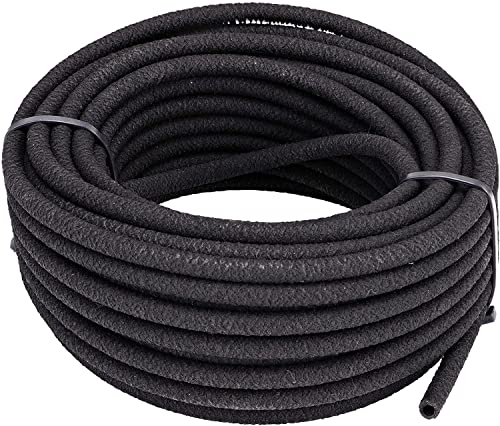
Slowly waters the soil around your plants for complete root zone hydration; Ideal for short runs on flat surfaces, such as vegetable gardens, borders, and around small plants

【Even & Consistent Root Watering】Features micro-pore seepage technology that distributes water evenly along the entire hose, transforming spot watering into uniform line watering directly to plant roots. Unlike traditional drip irrigation systems with clog-prone emitters, this soaker hose creates a continuous moisture band for healthier, deeper-rooted plants

The Package Contains: Our drip irrigation kit includes 200ft 1/4'' soaker hose, 100ft 1/4'' irrigation tubing ,1pc 1/2''or 3/4'' faucet adapter,1pc 2-way 1/2''or 3/4'' faucet adapter, 20pcs elbows fittings, 20pcs end plugs,20pcs straight barbs,20pcs oblique barbed tees, 20pcs Landscape Staples.Including everything you need for Garden Plants watering.Make better irrigation system so easily.
Watering Techniques
Watering practices influence plant growth significantly. Water deeply and less frequently to encourage strong root development. Aim for about one inch of water per week, either from rainfall or irrigation.
- Check soil moisture by inserting your finger about an inch into the soil. If it feels dry, it’s time to water.
- Use a soaker hose or drip irrigation system to deliver water directly to the roots while minimizing evaporation.
- Water early in the morning to reduce moisture loss and fungal diseases.
Pest Control Methods
Pest management is crucial for protecting your vegetables from damage. Integrated pest management (IPM) uses various techniques for effective control.
- Inspect your plants regularly for signs of pests or disease. Look for holes, discoloration, or webbing.
- Attract beneficial insects, like ladybugs and lacewings, by planting flowers or herbs nearby. These insects eat harmful pests.
- Use natural remedies like neem oil or insecticidal soap for targeted treatments without harming beneficial insects.
Following these care and maintenance practices ensures a thriving vegetable garden with minimal issues.
Harvesting Your Vegetables
Harvesting vegetables at the right time ensures maximum flavor and nutrition. Recognizing signs of ripeness and using proper techniques can help you enjoy your fresh produce.
Signs of Ripeness
Knowing when to harvest varies by vegetable. Here are some general indicators:
- Color: Look for vibrant colors. For instance, ripe tomatoes exhibit a rich red, while peppers turn bright green, yellow, or red, depending on the variety.
- Size: Some vegetables, like cucumbers, reach their ideal size when they’re about 6 to 8 inches long. Always refer to seed packets for specific dimensions.
- Texture: Inspect the skin for firmness. Zucchinis should feel solid but not hard, whereas onions should feel firm to the touch.
- Taste Test: Occasionally, taste a small sample. Sweetness in carrots and beans indicates ripeness.
Proper Harvesting Techniques
Using the right techniques during harvesting preserves the quality of your vegetables. Follow these methods:
- Tools: Use sharp garden shears or scissors for clean cuts. Avoid tearing plants to minimize damage.
- Timing: Harvest in the morning when temperatures are cooler. Vegetables retain more moisture and flavor.
- Technique: For root vegetables, gently loosen the soil with a garden fork before pulling them out. This reduces breakage.
- Handling: Handle vegetables gently to avoid bruising. Place them in a basket or container with care.
By recognizing signs of ripeness and using proper harvesting techniques, you maximize your vegetable quality while enjoying the fruits of your labor.
Conclusion
Growing your own vegetables can be an incredibly fulfilling experience. You get to enjoy the satisfaction of nurturing plants from seed to harvest while savoring fresh produce right from your garden.
With the right planning and care you can create a thriving vegetable patch that suits your space and climate. Remember to choose seasonal vegetables that work best for your growing conditions and keep an eye on their needs as they grow.
By following the tips shared in this article you’ll be well on your way to enjoying delicious homegrown veggies. So grab your gardening tools and start your journey towards a bountiful harvest. Happy gardening!
Frequently Asked Questions
What are the benefits of growing my own vegetables?
Growing your own vegetables allows you to enjoy fresh produce, save money, and know exactly where your food comes from. It’s also a rewarding hobby that promotes healthier eating and encourages outdoor activity.
How do I choose the right vegetables for my garden?
Select vegetables based on your climate, growing season, and available space. Cool-season crops like lettuce thrive in spring or fall, while warm-season crops like tomatoes prefer summer.
What type of soil is best for vegetable gardening?
High-quality loamy soil that drains well yet retains moisture is ideal. Testing the soil’s pH and amending it with organic matter like compost enhances fertility for better vegetable growth.
How should I prepare my garden bed?
Break up compacted soil for aeration, create raised beds with rot-resistant wood, and incorporate balanced fertilizers. This preparation lays the groundwork for a healthy and productive vegetable garden.
What planting techniques should I follow?
Choose seeds suited for your climate and season. Group plants by light needs and ensure they get at least six hours of sunlight. Pay attention to planting depth and spacing requirements for optimal growth.
How often should I water my vegetable garden?
Deep and infrequent watering is recommended to encourage strong root development. Using a soaker hose or drip irrigation can help reduce evaporation and keep your plants healthy.
How can I manage pests in my vegetable garden?
Implement integrated pest management (IPM) strategies by regularly inspecting plants for pests. Attract beneficial insects with nearby flowers and use natural remedies like neem oil for targeted treatments.
When is the best time to harvest my vegetables?
Harvest vegetables when they display optimal ripeness indicated by color, size, and texture. Timing is crucial for the best flavor and nutrition, so check regularly and use sharp tools for proper harvesting.

I’ve always been drawn to trees.As a kid, I spent most of my free time outside, climbing, exploring, and trying to figure out the names of the trees around me.That early curiosity eventually led me to study arboriculture and horticulture at Michigan State.Later, I completed a degree in forestry at the University of Michigan.
I’ve been working in tree care and education ever since.These days, I enjoy helping people learn more about the trees in their own backyards.How they grow, how to care for them, and why they matter.You don’t need to be an expert to appreciate trees.A little curiosity goes a long way.