Are pesky weeds taking over your veggie garden? You’re not alone. Many gardeners face the same battle, watching their hard work overshadowed by those unwanted intruders. Weeds can steal nutrients and water from your plants, making it tough for them to thrive.
Key Takeaways
- Weed Identification: Recognize common weeds like dandelions, crabgrass, and chickweed to better manage their impact on your vegetable garden.
- Impact on Growth: Understand that weeds compete for nutrients and can hinder the growth and health of your vegetables.
- Prevention Techniques: Implement strategies such as proper garden planning, crop rotation, and mulching to effectively minimize weed presence.
- Manual Control Methods: Employ hand weeding, hoeing, and raking to target and remove weeds without harming your plants.
- Chemical Options: Familiarize yourself with pre-emergent and post-emergent herbicides while adhering to safe application practices for effective weed control.
- Organic Alternatives: Explore natural solutions like vinegar, salt, and companion planting as eco-friendly methods for managing weeds in your veggie garden.
Understanding Weeds in Your Veggie Garden
Weeds can be a significant challenge in vegetable gardens, competing with your plants for resources. Understanding them helps you manage their presence effectively.
Common Types of Weeds
- Dandelions: Recognized by their bright yellow flowers, dandelions spread quickly through seeds or taproots.
- Crabgrass: This grassy weed thrives in warm weather. It can take over bare soil and crowd out seedlings.
- Chickweed: This low-growing plant has small white flowers and spreads rapidly, often thriving in moist conditions.
- Bindweed: Known for its twining growth and heart-shaped leaves, bindweed can choke your vegetables.
- Quackgrass: This perennial weed has deep roots and can quickly invade garden beds, making it hard to eradicate.
The Impact of Weeds on Vegetable Growth
Weeds absorb nutrients and water necessary for your veggies, leading to stunted growth. For example, a dandelion can absorb more nitrogen than the surrounding soil, leaving your plants deprived. Weeds can also harbor pests and diseases that threaten your crops. An unchecked crabgrass infestation can limit sunlight for small seedlings, resulting in weak plants. Manage these weeds promptly to promote a healthier garden.
Prevention Strategies
Preventing weeds in your veggie garden ensures healthier growth for your plants. You can take several effective measures to minimize weed presence.
Proper Garden Planning
Plan your garden layout carefully. Rotate crops annually to disrupt weed growth. Design your rows close together, which shades the ground and limits sunlight exposure to weeds. Consider companion planting; pairing certain plants can suppress weed growth. For instance, garlic planted among carrots can deter weeds while also benefiting growth.
Mulching Techniques
Use mulch as a barrier to suppress weeds. Apply 2 to 4 inches of organic mulch, like straw, wood chips, or grass clippings, around your plants. This layer keeps the soil moist and prevents weed germination. In addition, landscape fabric can provide an effective weed barrier while allowing water and nutrients to pass through. Maintain the mulch regularly to keep its effectiveness and replace it as needed to ensure coverage throughout the growing season.
Manual Weed Control Methods
Manual weed control methods are effective for managing weeds in your vegetable garden. These hands-on techniques help you target unwanted plants without harming your crops.
Recommended Products

GARDENING ESSENTIAL: Garden weeder ideal for a variety of gardening tasks like removing invasive weeds, maintaining your herb garden, uprooting dandelions and thistles, and more to encourage overall plant health and appearance

MANUAL WEEDER TOOL: Lightweight, long shaft handle weed puller with easy-eject design to help prevent sore knees and back aches from kneeling and bending; Makes weed removal quicker and easier without multiple applications or harsh, costly chemicals
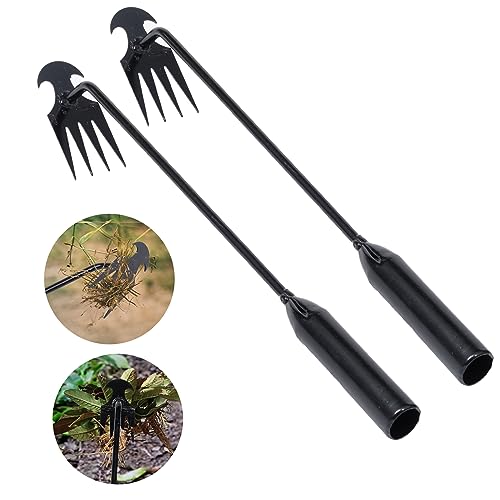
Uprooting Weeding Tool: Handle weeding and digging tasks with ease. This hollow designed lightweight uprooting weeding tool is labor-saving and much convenient. Perfect helper for agricultural work such as weeding, digging, shoveling grass for orchards and gardens. No need to pull those pesky weeds by hands!
Hand Weeding
Hand weeding involves pulling weeds by hand. This method offers precision, ensuring you remove the entire root system, which prevents regrowth.
- Choose the Right Time: Weeds are easier to pull when the soil is moist. Water your garden the day before or weed after rainfall.
- Grab the Base: Pinch the weed at its base to minimize the risk of breaking stems, which can lead to regrowth.
- Remove Roots: Pull upward while twisting slightly to dislodge the root from the soil.
- Collect Weeds: Place pulled weeds in a bucket or bag to transport them away from the garden. Avoid composting invasive species to prevent spreading.
Hoeing and Raking
Hoeing and raking help control weeds over larger areas efficiently. These tools disrupt the weed’s growth and reduce their competitive advantage in your garden.
- Use a Hoe: Select a hand hoe for small areas or a larger hoe for broader spaces. Strike or scrape the hoe just below the soil surface to cut off weeds.
- Maintain Even Pressure: Keep your movements steady and apply enough pressure to sever the roots. This process is most effective when weeds are small.
- Rake Regularly: Use a rake to gather uprooted weeds and debris. Raking can also expose weed seeds to sunlight, hindering their germination.
- Create a Schedule: Regularly hoe or rake your garden every few weeks. Consistent attention prevents weeds from taking hold.
Implementing these manual control methods during your gardening routine promotes healthier plants and maintains a thriving vegetable garden.
Chemical Weed Control Options
Chemical weed control options can provide effective solutions for managing persistent weeds in your vegetable garden. These products can help combat stubborn weeds while safeguarding your crops when used correctly.
Recommended Products
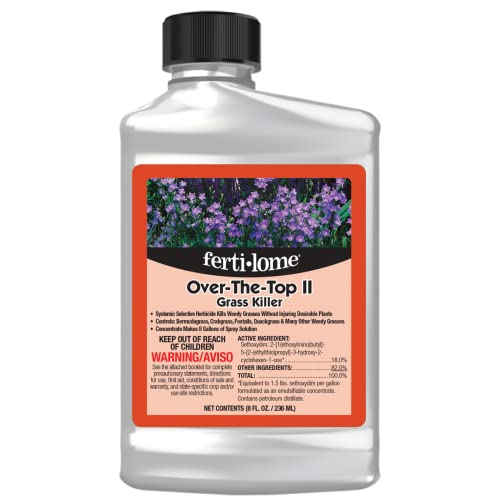
This selective grass killer is designed to target both annual and perennial grass weeds.

OMRI listed for use in organic gardening

POST-EMERGENT CONTROL - Thistledown is a full-strength herbicide based on the active ingredient clopyralid and is designed to control actively growing broadleaf weeds and thistle in a range, pasture, and other non-crop areas.
Types of Herbicides
Herbicides fall into two main categories: pre-emergent and post-emergent.
- Pre-emergent Herbicides: These prevent weed seeds from germinating. Apply them before weeds appear, ideally in early spring. For example, apply products containing ingredients like trifluralin or pendimethalin to keep common weeds like crabgrass at bay.
- Post-emergent Herbicides: These target existing weeds. Use them after weeds have sprouted. Look for selective herbicides that harm only specific plant types. Glyphosate, for instance, kills a wide range of weeds but can also affect surrounding plants, so caution is necessary.
Safe Application Practices
Follow safe application practices to protect your garden, the environment, and yourself.
- Read Labels: Always read and follow the manufacturer’s instructions. Each herbicide has specific application rates and timing.
- Apply on Calm Days: To minimize drift, spray on calm, dry days. Avoid windy conditions to ensure the herbicide remains where intended.
- Use Protective Gear: Wear gloves, long sleeves, and a mask to protect yourself from potential exposure. This precaution ensures your safety during application.
- Rinse Equipment: After using herbicides, rinse your equipment thoroughly to avoid contamination of other plants or areas.
- Monitor Weather Conditions: Avoid applying herbicides close to rainy days to prevent runoff. Ensure the treated area dries completely before allowing pets or children access.
By implementing these measures and using appropriate herbicides, you can effectively manage weeds in your vegetable garden while maintaining a healthy growing environment.
Organic Alternatives
Organic alternatives provide effective methods for managing weeds without harmful chemicals. You can utilize these natural strategies to enhance your vegetable garden.
Recommended Products
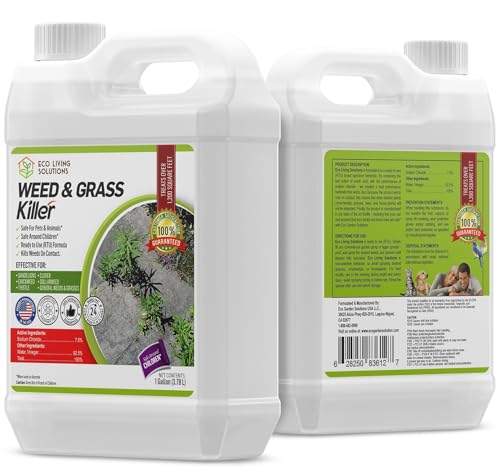
✔️ PET & KID SAFE HERBICIDE - Eco Garden Pro Weed Killer is designed with you and your family in mind! All of our ingredients are carefully selected to be SAFE FOR: PETS, CHILDREN, BEES, FISH, AND ANY LIVESTOCK!

✅ All Natural and Safe Product- Safe for your family, safe for your pets.

NON-SELECTIVE WEED CONTROL - For use on non-selective herbaceous broadleaf and grassy weeds. Read the label for specific annual broadleaf weeds, perennial broadleaf weeds, annual grasses, and perennial grasses to be treated.
Natural Herbicides
Natural herbicides offer a non-toxic solution for weed control. Common examples include:
- Vinegar: Use a solution with at least 20% acetic acid. Spray directly on weeds during sunny days for optimal results.
- Salt: Mix one part salt with three parts water. Apply this mixture directly to weeds, but avoid surrounding plants to prevent damage.
- Boiling Water: Pour boiling water directly onto weeds. This method works best for small infestations and areas without desirable plants nearby.
These natural herbicides can effectively kill weeds while being safer for you, your plants, and the environment.
Companion Planting
Companion planting involves pairing specific plants together to deter weeds. Use the following strategies:
- Garlic with Roses: Plant garlic near roses to repel pests and help control weeds.
- Basil with Tomatoes: Basil can shade the ground, reducing space for weeds while improving tomato flavor.
- Marigolds among Vegetables: Marigolds attract beneficial insects and can outcompete weeds for nutrients.
Choose appropriate companion plants based on their benefits. This technique enhances garden health while minimizing weed growth.
Conclusion
Managing weeds in your veggie garden doesn’t have to be a daunting task. With the right strategies in place you can create a thriving environment for your plants. Whether you opt for manual methods organic solutions or smart planning techniques the key is consistency.
By staying proactive and attentive to your garden’s needs you’ll not only reduce weed competition but also enhance the overall health of your crops. Remember that every little effort counts and can lead to a bountiful harvest. So roll up your sleeves and enjoy the process of nurturing your garden while keeping those pesky weeds at bay. Happy gardening!
Frequently Asked Questions
What are the main issues caused by weeds in vegetable gardens?
Weeds compete with vegetables for essential nutrients and water, leading to stunted growth and reduced crop health. They can harbor pests and diseases, making them a significant threat to your garden’s overall productivity.
How can I identify common weeds?
Common weeds include dandelions, crabgrass, chickweed, bindweed, and quackgrass. Understanding their characteristics helps in effectively managing them in your vegetable garden.
What are some effective prevention strategies for weeds?
Prevent weeds by planning your garden, rotating crops, planting rows closely together, and using companion planting to deter weeds. Additionally, mulching with organic material can suppress weed growth effectively.
How can manual weed control methods help?
Manual methods like hand weeding, hoeing, and raking can prevent weeds from establishing and promote healthier plants. They allow for precise removal of weeds, including roots, to minimize regrowth.
What types of chemical weed control are available?
Chemical weed control includes pre-emergent herbicides that prevent seed germination and post-emergent herbicides that target existing weeds. Always follow safety guidelines when applying these chemicals.
Are there organic alternatives to chemical weed control?
Yes, organic methods include using natural herbicides like vinegar, salt, or boiling water. Companion planting also helps deter weeds without the use of harmful chemicals, supporting a healthier garden environment.

I’ve always been drawn to trees.As a kid, I spent most of my free time outside, climbing, exploring, and trying to figure out the names of the trees around me.That early curiosity eventually led me to study arboriculture and horticulture at Michigan State.Later, I completed a degree in forestry at the University of Michigan.
I’ve been working in tree care and education ever since.These days, I enjoy helping people learn more about the trees in their own backyards.How they grow, how to care for them, and why they matter.You don’t need to be an expert to appreciate trees.A little curiosity goes a long way.