Have you ever wondered if hydrated lime could give your garden a boost? Many gardeners face challenges like soil acidity and nutrient imbalance, which can stunt plant growth and affect yields. If you’re looking for a natural solution, hydrated lime might be the answer you need.
Using hydrated lime can help improve soil conditions, making it easier for your plants to thrive. In this article, you’ll discover how it works, the benefits it offers, and tips on how to use it effectively in your garden. Whether you’re a seasoned gardener or just starting out, understanding the role of hydrated lime can make a real difference in your gardening success.
Key Takeaways
- Hydrated lime, or calcium hydroxide, effectively neutralizes soil acidity, promoting optimal pH levels (6.0 to 7.0) for healthier plant growth and nutrient absorption.
- It enhances nutrient availability, particularly for nitrogen, phosphorus, and potassium, leading to improved plant productivity and overall health.
- Application improves soil structure, benefiting aeration and moisture retention, which supports robust root development.
- Proper testing of soil pH is crucial before applying hydrated lime to avoid excessive alkalinity that can harm plant growth.
- The best times to apply hydrated lime are in early spring or fall, allowing it to integrate effectively before planting.
- Care should be taken to follow recommended application rates and to consider plant compatibility to prevent negative impacts on acid-loving plants.
Overview of Hydrated Lime
Hydrated lime, also known as calcium hydroxide, plays a crucial role in gardening by modifying soil chemistry. When you apply hydrated lime, it increases soil pH, making acidic soils more neutral. This adjustment promotes healthier plant growth by improving nutrient availability.
Benefits of Hydrated Lime
- Soil pH Adjustment: Hydrated lime effectively neutralizes excess acidity. A pH between 6.0 and 7.0 promotes optimal nutrient absorption for most plants.
- Nutrient Availability: Alkaline conditions enhance the efficiency of essential nutrients like nitrogen, phosphorus, and potassium. You’ll notice an increase in the efficacy of fertilizers after lime application.
- Soil Structure Improvement: Applying hydrated lime improves soil structure, which enhances aeration and moisture retention. This creates a healthier environment for root development.
- Pest and Disease Prevention: Higher pH levels can deter certain soil-borne pests and diseases. Healthy soil conditions contribute to stronger plants that better withstand stress.
Application Guidelines
- Testing Soil pH: Before applying hydrated lime, test your soil’s pH to determine how much lime is necessary. Use a soil test kit for accuracy.
- Calculating the Amount: A typical recommendation is to use 5 to 10 pounds of hydrated lime per 100 square feet for significant pH adjustments. Adjust based on your soil test results.
- Application Timing: Apply hydrated lime in early spring or fall, allowing it to integrate into the soil before planting.
- Even Distribution: Use a spreader or a rake for even distribution across your garden. Ensure thorough mixing with the soil for the best results.
- Avoid Over-application: Excessive lime can lead to overly alkaline soil, which may harm plant growth. Stick to recommended amounts based on soil tests.
- Wear Protective Gear: When handling hydrated lime, wear gloves and a mask. Dust can irritate skin and lungs.
Using hydrated lime in your garden can significantly enhance plant health and productivity. Implement these tips to ensure effective use and reap the benefits of balanced soil conditions.
Benefits of Using Hydrated Lime
Hydrated lime provides several advantages for your garden, particularly when it comes to improving soil conditions and fostering robust plant growth.
Recommended Products

✅ Blight Treatment for Plants: Mix copper sulfate with hydrated lime to create a natural Bordeaux mixture, an effective fungicide for controlling blight on tomatoes, potatoes, grapes, and other plants.
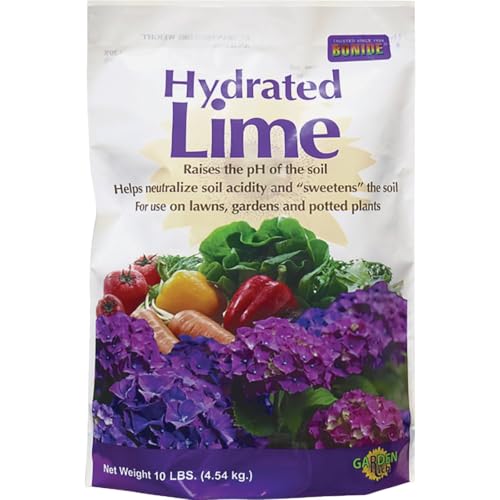
RAISES SOIL PH - Hydrated Lime quickly raises soil pH. Adjusting the soil to the proper pH helps plants to grow & strengthen by making it easier for plant roots to take up nutrients in the soil.

Package contains 6 pounds organic soil de-acidifier grains and is produced to avoid wasteful runoff, mess, hazards and smells
Soil pH Adjustment
You can use hydrated lime to effectively adjust soil pH levels. Soil that’s too acidic can hinder plant growth, leading to nutrient deficiencies. By applying hydrated lime, you raise the pH, creating a more balanced environment. A pH level between 6.0 and 7.5 is ideal for most plants. For example, if your soil tests at 5.5, adding hydrated lime can help bring it up to the desired range.
Nutrient Availability
Hydrated lime enhances nutrient availability in your soil. When the pH levels are optimally adjusted, essential nutrients like nitrogen, phosphorus, and potassium become more accessible to plants. For instance, many plants struggle to absorb phosphorus in acidic soils. By raising the pH through lime application, you can improve nutrient uptake, which leads to healthier, more productive plants. Additionally, incorporating hydrated lime may help stimulate beneficial microorganisms in the soil, promoting overall soil health.
How to Apply Hydrated Lime in the Garden
Applying hydrated lime in your garden can significantly improve soil conditions. Follow these guidelines for effective application.
Recommended Products

Corrects soil acidity

✅ Mix with Copper Sulfate to make Bordeaux Mix to treat Blight
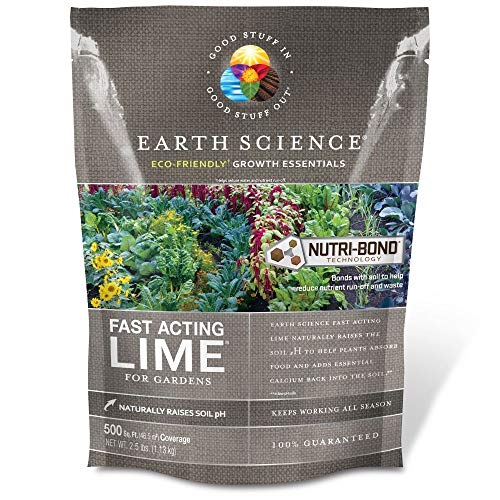
Fast Acting Lime – Fast Acting Lime starts working immediately to raise the pH of your soil, helping grass and other plants absorb nutrients more efficiently, and get your lawn back to looking its best.
Application Rates
Determine the correct amount of hydrated lime based on your soil’s pH level and size of your garden. A general recommendation is to apply 20 to 50 pounds per 1,000 square feet, but precise amounts depend on soil tests. For example, if your soil tests acidic at 5.5 and you aim for a pH around 6.5, you might start with 30 pounds of hydrated lime. Always check specific recommendations for your soil type.
Timing of Application
Apply hydrated lime when soil temperatures rise above 50°F for best results. Spring and fall are ideal seasons for application since they allow the lime time to react with the soil before planting. Avoid applying lime during heavy rainfall or when the ground is frozen, as these conditions prevent effective incorporation into the soil. Testing soil every 2 to 3 years helps determine the right timing and frequency for applications.
Potential Risks and Considerations
Using hydrated lime in the garden carries specific risks and considerations that you should be aware of before application.
Recommended Products

Quick, at home results for Soil pH, Nitrogen, Phosphorous and Potash Innovative and inexpensive soil test kit features an easy-to-use capsule system and patented color comparators

Kindly NOTE: This soil tester can not be applied to test pH value of any other liquid. If the soil is too dry the indicator will not move, and water it before testing.

Accurate Soil pH Testing: Dewildetradingco Soil pH Test Strips offer measurements of soil pH levels (pH 3.5-9). As an essential tool for every gardener and grower, these test strips help determine the optimal pH for various plants, such as outdoor plants, indoor plants, gardens, grass lawns, fruit trees, flowers, vegetables, and forest shrubs.
Soil and Plant Compatibility
Hydrated lime can alter soil conditions significantly. It increases pH, which can benefit some plants but harm others. Acid-loving plants, such as blueberries and azaleas, may struggle in alkaline soil. Always consider the specific needs of your plants. Conducting a soil test helps determine current pH levels. If your soil is already alkaline, adding hydrated lime may not be advisable. Consult a horticulturist for guidance on compatibility with your garden plants.
Environmental Impact
Impact on the environment also plays a key role in your decision-making. Excessive use of hydrated lime can lead to runoff, contaminating local water sources. Lime application can cause soil erosion if not managed correctly. To minimize environmental risks, apply hydrated lime only as recommended based on soil tests. Ensure proper drainage in your garden to reduce the likelihood of runoff. Focus on sustainable practices when using lime, integrating it into a holistic approach to garden management.
Conclusion
Using hydrated lime in your garden can be a game changer for improving soil health. By adjusting pH levels and enhancing nutrient availability you’re setting the stage for vibrant plant growth. Just remember to test your soil before applying and follow the recommended guidelines to avoid any issues.
It’s all about balance and moderation. With proper use hydrated lime can help prevent problems while promoting a thriving garden. Keep an eye on your plants and soil conditions and you’ll be well on your way to achieving a flourishing garden that you can be proud of. Happy gardening!
Frequently Asked Questions
What is hydrated lime and how is it used in gardening?
Hydrated lime, or calcium hydroxide, is a soil amendment used to raise soil pH and improve nutrient availability. It helps create a balanced environment for plant growth by adjusting acidity levels and enhancing soil structure.
How does hydrated lime benefit soil?
Hydrated lime effectively increases soil pH, promotes nutrient availability, improves soil structure for better aeration and moisture retention, and helps prevent certain soil-borne pests and diseases, leading to healthier plants.
How do I apply hydrated lime in my garden?
Before applying hydrated lime, test your soil pH. It’s generally recommended to apply 20 to 50 pounds per 1,000 square feet. Ensure even distribution and avoid over-application, especially in wet or frozen conditions.
When is the best time to use hydrated lime?
The optimal time to apply hydrated lime is in spring or fall when soil temperatures exceed 50°F. Avoid application during heavy rainfall or frozen conditions to ensure effective results.
Can all plants tolerate hydrated lime?
Not all plants thrive with hydrated lime. Acid-loving plants, such as blueberries and azaleas, may suffer if lime is applied. Always conduct a soil test to determine if lime application is suitable for your specific plants.
How often should I test my soil for lime application?
It’s recommended to test your soil every 2 to 3 years. This allows you to assess current pH levels and decide the right timing and frequency for applying hydrated lime to maintain healthy soil conditions.
Are there any environmental concerns related to using hydrated lime?
Excessive use of hydrated lime can lead to runoff and soil erosion. To minimize risks, focus on sustainable gardening practices and apply lime based on soil tests to ensure responsible usage and protect the environment.

I’ve always been drawn to trees.As a kid, I spent most of my free time outside, climbing, exploring, and trying to figure out the names of the trees around me.That early curiosity eventually led me to study arboriculture and horticulture at Michigan State.Later, I completed a degree in forestry at the University of Michigan.
I’ve been working in tree care and education ever since.These days, I enjoy helping people learn more about the trees in their own backyards.How they grow, how to care for them, and why they matter.You don’t need to be an expert to appreciate trees.A little curiosity goes a long way.