Are you wondering what to plant in your fall garden? As summer fades and cooler weather sets in, many gardeners feel like their growing season is over. But fall offers a unique opportunity to cultivate a variety of crops that thrive in the cooler temperatures.
Key Takeaways
- Ideal Crops for Fall: Fall gardens thrive with leafy greens like spinach and kale, root vegetables such as carrots and beets, and brassicas including broccoli and cabbage.
- Soil Preparation: Enhancing soil quality with organic matter, proper pH adjustments, and adequate drainage is crucial for robust growth in fall gardens.
- Extended Harvest Season: Planting cool-weather crops in fall not only allows for an extended growing season but also results in sweeter and more flavorful vegetables.
- Planting Timing: It’s important to check local frost dates to optimize planting schedules, ensuring crops like spinach and kale mature before the cold sets in.
- Maintenance Practices: Consistent watering, fertilizing, and pest control are key to a thriving fall garden, enabling gardeners to enjoy a bountiful yield.
- Diversity of Plants: Incorporating a mix of seasonal vegetables and herbs can lead to a diverse and nutrient-rich harvest, enhancing the overall gardening experience.
What Can Be Planted In A Fall Garden
Fall gardening offers a range of crops that thrive in cooler temperatures. Here’s a list of vegetables you can successfully plant in your fall garden:
Recommended Products

THICKER MATERIAL: Our plant freeze protection cover is made of UV stabilized polypropylene. Upgraded thicker 0.9oz./sq.yard lightweight but durable. Soft plant covers are friendly and no harm to your plants. Breathable non-woven fabric allow light, air go through the frost cloths and reach the plants.
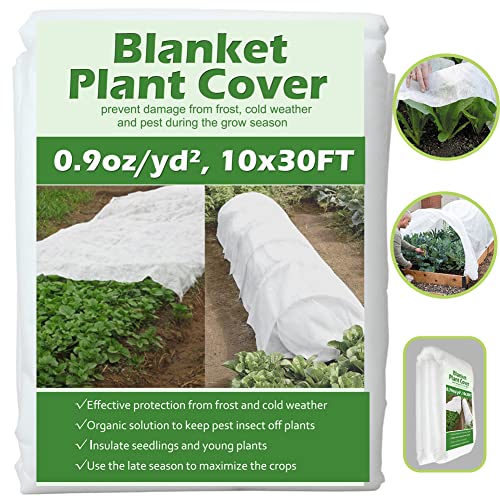
※Big Size to cover large area : The size of our plant cover is 10x30ft, the size can cover large areas. You can cut the plant covers freeze protection into different sizes for different use. You can cover it over the plant such as shrub tomato, pepper, pumpkin, and so on.
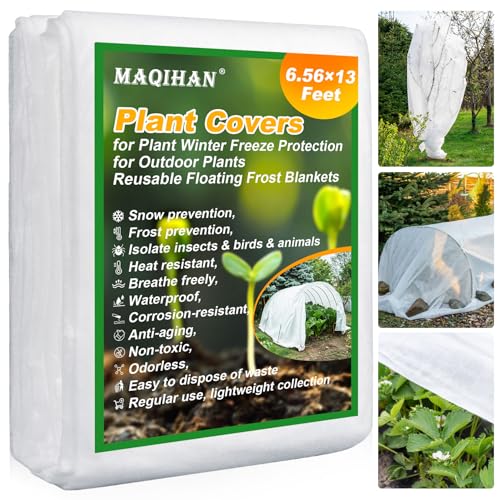
Product Features: Our plant covers are ideal for protecting all plant. Made from premium 1 oz/sq non-woven fabric, their durability and breathability ensuring both insulation against frost and facilitation of sunlight penetration for healthy plant growth
Leafy Greens
- Spinach: Sow seeds 6 to 8 weeks before the first frost for best results.
- Kale: Plant seeds directly in the ground or start them indoors 4 to 6 weeks before transplanting.
- Swiss Chard: This versatile green tolerates light frosts.
Root Vegetables
- Carrots: Spread seeds directly in the soil; they prefer cooler weather for sweeter flavors.
- Beets: Plant seeds directly or start indoors and transplant; harvest before frost for tenderness.
- Radishes: Quick-growing and can be sown in late summer, maturing in about 30 days.
Brassicas
- Broccoli: Start seeds indoors or plant transplants in early fall for a late harvest.
- Cabbage: A favorite for fall planting, take care to provide adequate spacing for larger heads.
- Cauliflower: Similar planting methods as broccoli; head size varies based on care and conditions.
Herbs
- Parsley: Plant seeds directly; it can survive mild winters and thrives in fall.
- Cilantro: This herb grows quickly and benefits from cooler temperatures, perfect for fall sowing.
- Chives: Easy to grow, they can be harvested through most of the fall season.
- Soil Preparation: Enrich your soil with organic matter to improve drainage and nutrient content.
- Planting Time: Check your local frost dates to plan your planting schedule accurately.
- Row Covers: Use row covers to protect young plants from unexpected cold snaps.
By focusing on these plants, you can enjoy a bountiful fall garden that extends your growing season and provides fresh produce well into the cooler months.
Benefits Of A Fall Garden
A fall garden offers numerous advantages, enhancing both your gardening experience and the produce you harvest. Embracing cooler temperatures allows you to grow specific crops that thrive during this season.
Extended Growing Season
Extending your growing season through fall gardening maximizes the yield from your garden. Planting crops like spinach and kale in late summer or early fall allows you to harvest fresh greens even as winter approaches. Crops often mature faster in cooler temperatures, speeding up their growth cycle. Therefore, you can enjoy multiple harvests before the first frost.
Improved Flavor Profiles
Cooler weather significantly enhances the flavor of certain vegetables. For instance, crops such as carrots and Brussels sprouts experience sweetening as they mature in cooler conditions. The cold weather encourages the plants to produce sugars, resulting in richer, more complex flavors. By planting these vegetables in the fall, you create the perfect opportunity to enjoy more flavorful and nutrient-dense produce.
Ideal Plants For Fall Gardening
Fall gardening offers an array of options for crops that thrive in cooler conditions. Focusing on specific categories of plants helps maximize your harvest during this season.
Cool-Weather Vegetables
Cool-weather vegetables are perfect for fall gardening. Some strong contenders include:
- Spinach: This leafy green grows quickly and is packed with nutrients. Plant it in early fall for a bountiful harvest.
- Kale: Kale endures cold temperatures well, improving its flavor. Sow seeds in late summer or early fall.
- Swiss Chard: This versatile green can tolerate frost, making it an excellent option for fall.
- Carrots: Sowing carrots in late summer lets them mature in cooler weather, enhancing their sweetness.
- Brussels Sprouts: Plant these in early summer for a fall harvest. They thrive in cold and taste even better after a frost.
Perennials For Fall
In addition to annual vegetables, consider perennials that can flourish in the fall:
- Asparagus: Plant asparagus crowns in early fall for a harvest in a couple of years. They do well in well-drained soil.
- Rhubarb: This plant thrives in cooler months. It requires rich soil and ample moisture for optimal growth.
- Strawberries: Fall is a great time to plant strawberry plants, allowing them to establish roots before the winter.
Fall Herbs
Herbs also flourish in fall gardens. Here are some to plant:
- Parsley: This hardy herb grows well in cooler temperatures. Plant it in late summer for an extended harvest.
- Cilantro: Prefer the cooler weather for growth, making it ideal for autumn gardening.
- Chives: These perennial herbs handle cold temperatures well. They can provide fresh flavor in your dishes throughout the fall and into winter.
By selecting the right plants for your fall garden, you can enjoy a diverse and flavorful harvest throughout the cooler months.
Preparing Your Fall Garden
Preparing your fall garden involves essential steps to ensure robust growth. By focusing on soil quality and choosing the right location, you can set the stage for a successful harvest.
Recommended Products

Set includes 43 lightly assorted Vegetable and Herb seeds!

USDA CERTIFIED ORGANIC & NON-GMO: Grow your own fresh culinary herbs with peace of mind. Our open pollinated, heirloom variety pack is 100% clean, natural, rigorously tested for germination, and proudly certified organic by Oregon Tilth.

Large, Firm Garlic Cloves for Planting. Each bulb produces thick, well-formed garlic cloves that separate cleanly. Customers consistently mention the firm texture and size, making these garlic seeds for planting easy to handle and space evenly.
Soil Preparation Tips
Improve your soil before planting. Start by removing any weeds or old plants from your garden bed. Clear away debris to minimize pests and diseases. Next, test your soil’s pH and nutrient levels using a home testing kit. Adjust the pH if necessary, aiming for a range between 6.0 and 7.0.
Add organic matter like compost or aged manure to enrich your soil. Mixing in a layer of mulch helps retain moisture and regulates temperature. Till the soil to a depth of about 12 inches to aerate it and break up compacted areas. This prepares a favorable environment for root vegetables like carrots and beets.
Choosing The Right Location
Select a location that provides ample sunlight. Aim for at least 6 to 8 hours of direct sunlight daily. If your area has limited sun, identify spots that receive morning sun, which helps prevent frost damage.
Ensure good drainage in your chosen area. Raised beds or mounded rows promote drainage and prevent waterlogging. Observe wind patterns as well; placing your garden near a windbreak can protect delicate plants from harsh gusts. Look for spots close to a water source for easy irrigation during dry spells. These considerations help create an ideal setting for your fall garden.
Maintenance Strategies
Maintaining your fall garden ensures a vibrant and productive growing season. Implementing consistent watering, fertilizing, and pest control measures can greatly enhance your garden’s yield.
Watering And Fertilizing
Water consistently to support your fall crops. Ideal watering frequency depends on rainfall and soil moisture, but aim for 1 to 1.5 inches per week. Mulching retains moisture and regulates soil temperature.
Fertilize based on the needs of your specific plants. Use a balanced fertilizer or one high in potassium to encourage root development. Incorporate organic matter, like compost, to enrich the soil. Apply fertilizers every four to six weeks to maintain healthy growth.
Pest Control In Fall Gardens
Monitor for pests frequently in your fall garden. Common pests include aphids, cabbage worms, and beetles. Handpick bugs or use insecticidal soap to control infestations.
Implement companion planting to naturally deter pests. For example, plant marigolds among your vegetables to repel nematodes and other harmful insects. Regularly inspect plants for signs of disease, such as discoloration or wilting, and remove affected leaves immediately.
Taking these maintenance steps keeps your fall garden thriving and productive, allowing you to enjoy your hard work all season long.
Conclusion
Embracing fall gardening opens up a world of possibilities for your backyard. You can enjoy fresh greens and root vegetables well into the cooler months. With a little preparation and care, your fall garden can thrive and provide you with delicious produce.
Don’t forget to take advantage of the unique flavors that come with cooler temperatures. Whether it’s the sweetness of carrots or the robust taste of kale, your efforts will surely be rewarded. So grab your gardening tools and get ready to cultivate a vibrant fall garden that keeps giving. Happy gardening!
Frequently Asked Questions
What vegetables can I plant in the fall?
You can plant a variety of vegetables such as spinach, kale, Swiss chard, carrots, beets, radishes, broccoli, cabbage, cauliflower, and herbs like parsley, cilantro, and chives. These crops thrive in cooler temperatures.
How does fall gardening extend the growing season?
Fall gardening allows you to plant crops that grow well in cooler weather. Many vegetables can be harvested even as temperatures drop, providing fresh produce into the late fall and early winter.
What are the benefits of a fall garden?
A fall garden can yield more flavorful produce, as cooler temperatures enhance the sweetness of vegetables like carrots and Brussels sprouts. It also allows for the growth of crops that flourish in cooler weather, maximizing your harvest.
How should I prepare my soil for fall planting?
To prepare your soil for fall planting, enrich it with organic matter, like compost. Ensure it is well-drained and aerated. This creates a nutrient-rich environment for your plants to thrive.
What planting techniques should I follow for fall gardening?
When planting for fall gardening, choose a sunny location, space your seeds properly, and consider using row covers to protect young plants from cold snaps. Water consistently and follow specific planting depth recommendations for each crop.
How can I keep my fall garden thriving?
To maintain a healthy fall garden, water your plants consistently (about 1 to 1.5 inches per week), fertilize according to plant needs, and apply pest control measures as needed. Also, consider companion planting to deter pests naturally.

I’ve always been drawn to trees.As a kid, I spent most of my free time outside, climbing, exploring, and trying to figure out the names of the trees around me.That early curiosity eventually led me to study arboriculture and horticulture at Michigan State.Later, I completed a degree in forestry at the University of Michigan.
I’ve been working in tree care and education ever since.These days, I enjoy helping people learn more about the trees in their own backyards.How they grow, how to care for them, and why they matter.You don’t need to be an expert to appreciate trees.A little curiosity goes a long way.