Are you wondering what to plant in your summer garden? With the sun shining and temperatures rising, it’s the perfect time to create a vibrant outdoor space. But figuring out which plants will thrive in the heat can be tricky.
Key Takeaways
- Ideal Summer Plants: Focus on heat-loving vegetables like tomatoes, peppers, cucumbers, and zucchini, as well as herbs such as basil and cilantro, for a successful summer garden.
- Flowering Options: Enhance your garden’s visual appeal by planting sunflowers, marigolds, and zinnias, which attract pollinators and add vibrant colors.
- Regular Care: Maintain your garden by watering consistently, applying mulch to retain moisture, and using balanced fertilizers to support healthy growth.
- Staggered Planting: Implement staggered planting techniques to extend your harvest, ensuring a continuous supply of fresh produce throughout the summer months.
- Soil and Water Management: Prepare healthy soil with organic amendments and adopt efficient watering techniques to promote deep root growth and prevent waterlogging.
- Timing Considerations: Begin planting after the last frost, and monitor local weather patterns to optimize your planting schedule for the best results.
Overview of Summer Gardening
Summer gardening presents a chance to grow a variety of vibrant plants. You can choose from vegetables, herbs, and flowers that thrive in warm conditions. Knowing what to plant sets the stage for success and enjoyment in your garden.
Ideal Vegetables for Summer
Strong vegetables include tomatoes, peppers, cucumbers, and zucchini. These plants flourish in full sun and appreciate consistent watering. For instance:
- Tomatoes: Plant varieties like Roma or Cherry for tasty results.
- Peppers: Select sweet or hot varieties based on your preference.
- Cucumbers: Choose pickling or slicing types depending on your culinary needs.
- Zucchini: Keep an eye on growth; they’re ready when they’re about 7-8 inches long.
Recommended Herbs
Fresh herbs enhance your summer dishes. Consider planting basil, cilantro, and parsley. These varieties require minimal care while adding flavor to your meals. For example:
- Basil: Thrives in sunny areas, perfect for pesto and salads.
- Cilantro: Ideal for salsa and seasoning; it grows quickly.
- Parsley: Bounces back after cutting, making it great for garnishes.
Colorful Flowers
Brighten your summer garden with flowers like sunflowers, marigolds, and zinnias. These blooms attract pollinators and offer a splash of color. Examples include:
- Sunflowers: Choose dwarf or tall varieties to suit your space.
- Marigolds: Plant them for pest deterrence and vibrant hues.
- Zinnias: Available in various colors, ideal for cut flower arrangements.
Practical Tips for Care
To ensure a thriving garden, follow these essential tips:
- Water Regularly: Target the base of the plants to prevent fungal diseases.
- Mulch: Use organic mulch to retain moisture and suppress weeds.
- Fertilize: Choose a balanced fertilizer to promote healthy growth.
- Monitor Pests: Check plants frequently for signs of insects or disease.
Anticipating Your Needs
You might wonder about the best planting times. Summer planting typically begins after the last frost, usually in late spring. Local climate conditions influence exact timing. Keep an eye on the weather forecast for optimal planting days.
By selecting the right plants and maintaining proper care, your summer garden can thrive and provide fruitful rewards throughout the season.
Benefits of Summer Planting
Summer planting offers distinct advantages that enhance your gardening experience. You gain access to a wide array of vibrant plants that thrive in the warm months.
Improved Growth Rates
Summer’s warm temperatures and longer daylight hours promote faster plant growth. You’ll notice that vegetables like tomatoes, peppers, and zucchini can reach maturity sooner than in cooler months. For example, tomatoes might take about 60-90 days to mature in summer, allowing for a quicker turnaround from planting to harvest.
Extended Harvest Period
Summer planting ensures a prolonged harvest. You can stagger your plantings to enjoy fresh produce over several months. For instance, sowing cucumber seeds every two weeks leads to a consistent supply of cucumbers from mid-summer through fall. This technique maximizes your garden’s output, keeping your kitchen stocked with fresh ingredients. By choosing the right varieties, like early-, mid-, and late-season crops, you’re equipped to enjoy flavorsome produce for an extended duration.
Popular Summer Vegetables
Choosing the right vegetables for your summer garden ensures a bountiful harvest. Here are some popular options that thrive in warm temperatures.
Recommended Products

SUMMER HARVESTS - Includes Tri-Color Bush Beans (Phaseolus vulgaris), Straight Eight Cucumber (Cucumis sativus), Black Beauty Eggplant (Solanum melongena), and Black Beauty Zucchini (Cucurbita pepo) for productive warm-weather gardening

PROMOTES UPRIGHT & HEALTHY GROWTH: Designed to prop up climbing plants and flowers, these 18-inch plant cages prevent sprawling and keep your garden looking elegant. The conical shape provides continuous support through all growth stages, ensuring stems stay upright for better air circulation and sun exposure.

Tomatoes
Tomatoes are versatile and easy to grow. They require full sun and well-drained soil. Look for varieties like Roma, cherry, or beefsteak. Start seeds indoors and transplant them outside after the last frost. Water your tomato plants consistently, and consider staking or using cages for support. Mulching helps retain moisture and regulate soil temperature.
Peppers
Peppers add color and spice to your garden. Choose from bell, jalapeño, or habanero varieties. They thrive in similar conditions as tomatoes, needing full sun and warm soil. Start seeds indoors and transplant them once temperatures warm up. Regular watering keeps pepper plants healthy, and fertilizers can boost growth. Harvest peppers once they reach their desired size for the best flavor.
Cucumbers
Cucumbers grow quickly and yield abundantly. They require full sun and lots of water. Plant seeds directly in the ground or start them indoors. Space plants properly to allow for air circulation. You can train cucumber vines to climb trellises, saving space in your garden. Mulching helps keep the soil moist and prevents weeds. Pick cucumbers when they’re firm and before they turn yellow for optimal taste.
Flower Options for Summer Gardens
Choosing the right flowers for your summer garden enhances visual appeal and attracts pollinators. Here are some excellent flower options.
Sunflowers
Sunflowers thrive in full sun and warm weather. They come in various sizes, with some reaching heights over 10 feet. Planting them in well-drained soil promotes healthy growth. Space them at least 12 inches apart to provide room for development. Sunflowers also prefer regular watering—about 1 inch per week. These flowers are fantastic for attracting bees and butterflies, making your garden lively. Consider varieties like ‘Autumn Beauty’ or ‘Mexican Sunflower’ for stunning displays.
Zinnias
Zinnias are bright and cheerful additions to any garden. They flourish in full sun, thriving in temperatures between 70°F and 90°F. These flowers are available in many colors, including red, orange, pink, and yellow. Space zinnias about 10 to 12 inches apart for proper air circulation. Regular deadheading encourages continuous blooms throughout summer. Water them consistently but avoid overwatering. Varieties like ‘State Fair’ or ‘Zinnia Elegans’ provide vibrant options for your outdoor space.
Tips for Successful Summer Gardening
Successful summer gardening requires attention to soil health and adequate watering. With proper preparation and care, plants thrive in warm conditions.
Recommended Products
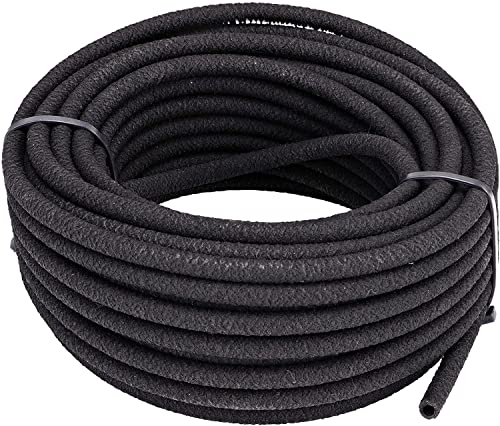
Slowly waters the soil around your plants for complete root zone hydration; Ideal for short runs on flat surfaces, such as vegetable gardens, borders, and around small plants

Water-Saving Efficiency: Delivers slow, steady water directly to plant roots, minimizing evaporation and runoff for eco-friendly gardening.
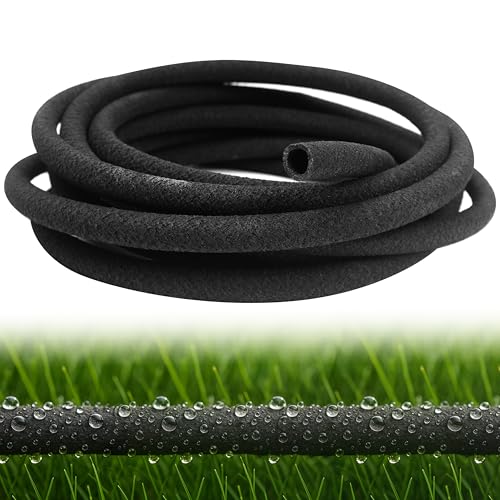
Specs: Features a 1/2" diameter and is 25ft long, providing adequate length to extend any existing watering system or drip supply.
Soil Preparation
Healthy soil lays the foundation for a thriving garden. Before planting, amend the soil with organic materials like compost or aged manure to enhance fertility. Test your soil’s pH; most vegetables prefer a range of 6.0 to 7.5. If needed, adjust it using lime to raise pH or sulfur to lower it. Loosen the soil to improve drainage, which is essential for root growth. Create planting beds that allow for better air circulation and prevent water pooling.
Watering Techniques
Watering techniques impact plant health significantly. Water deeply and less frequently to encourage deep root growth. Aim for about 1 inch of water per week, including rainfall. Use a soaker hose or drip irrigation system to deliver moisture directly to the roots, minimizing evaporation. Check your soil moisture by digging a few inches down; if it’s dry, it’s time to water. Early mornings are the best time to water, as plants absorb moisture before the heat of the day. If you notice yellowing leaves, it may signal overwatering, while wilting suggests a lack of moisture.
Conclusion
Embracing the joys of summer gardening can lead to a bountiful and vibrant outdoor space. By choosing the right plants that thrive in the heat you’ll not only enjoy fresh produce but also beautiful blooms that attract pollinators. Remember to keep an eye on soil health and watering practices to ensure your garden flourishes.
With a little planning and care your summer garden can become a source of pride and joy. So roll up your sleeves and get started on creating that lush paradise you’ve always wanted. Happy gardening!
Frequently Asked Questions
What are the best vegetables to grow in a summer garden?
For a summer garden, great vegetable options include tomatoes, peppers, cucumbers, and zucchini. These varieties thrive in warm temperatures and require full sun and consistent watering for optimal growth.
When should I plant my summer garden?
Summer planting typically begins after the last frost in late spring. Local climate conditions can affect the exact timing, so consult local gardening guides for advice specific to your area.
How can I prepare my soil for summer planting?
To prepare your soil, amend it with organic materials like compost and test its pH, aiming for a range of 6.0 to 7.5. Healthy soil is essential for supporting strong plant growth.
What flowers attract pollinators in summer?
Sunflowers, marigolds, and zinnias are excellent choices for attracting pollinators in summer. These flowers thrive in warm weather and full sun, enhancing your garden’s aesthetic appeal.
How often should I water my summer garden?
Water your summer garden about once a week, providing around 1 inch of water. Deep, infrequent watering encourages root growth. Early morning is the best time to water to reduce evaporation.
What are some tips for successful summer gardening?
Some tips include selecting heat-tolerant plants, maintaining healthy soil, and using proper watering techniques. Mulching and monitoring for pests will also help ensure a thriving summer garden.

I’ve always been drawn to trees.As a kid, I spent most of my free time outside, climbing, exploring, and trying to figure out the names of the trees around me.That early curiosity eventually led me to study arboriculture and horticulture at Michigan State.Later, I completed a degree in forestry at the University of Michigan.
I’ve been working in tree care and education ever since.These days, I enjoy helping people learn more about the trees in their own backyards.How they grow, how to care for them, and why they matter.You don’t need to be an expert to appreciate trees.A little curiosity goes a long way.