Have you ever wondered if cedar mulch is a good fit for your vegetable garden? You’re not alone. Many gardeners face the challenge of choosing the right mulch to protect their plants while promoting healthy growth.
Cedar mulch offers unique benefits, like its natural pest-repelling properties and attractive appearance. But is it safe for your veggies? This article will help you understand the pros and cons of using cedar mulch in your garden. By the end, you’ll know if it’s the right choice for your plants, ensuring they thrive season after season.
Key Takeaways
- Cedar Mulch Benefits: Cedar mulch helps repel pests, retains soil moisture, and can enhance the overall health of vegetable gardens when applied correctly.
- Pest Deterrence: It naturally repels harmful insects, reducing the need for chemical pesticides and promoting healthier crops.
- Allelopathic Properties: Be cautious as cedar mulch can inhibit the growth of certain plants. Testing on a small area is advised to monitor plant reactions.
- pH Effects: Cedar mulch may lower the soil’s pH over time, affecting nutrient availability. Regular soil testing is recommended to maintain optimal conditions.
- Application Tips: Apply a 2- to 4-inch layer of cedar mulch, avoiding direct contact with plant stems, and refresh annually to ensure effectiveness.
- Alternative Options: Consider other organic mulch options, such as straw, grass clippings, or compost, if cedar mulch presents challenges for your vegetable garden.
Benefits Of Cedar Mulch In Vegetable Gardens
Cedar mulch offers several advantages for vegetable gardens, enhancing both plant health and garden maintenance. Here are some key benefits to consider.
Pest Deterrence
Cedar mulch naturally repels pests like termites and certain insects. Utilizing cedar around your vegetable plants may reduce the likelihood of infestations, promoting healthier growth. For example, using cedar mulch in rows of carrots or lettuce can deter harmful pests without the need for chemical pesticides. This natural protection leads to safer vegetables and a lower risk of crop loss.
Moisture Retention
Cedar mulch effectively retains soil moisture, which is crucial for vegetable growth. It helps maintain a consistent moisture level, reducing the frequency of watering. Applying a 2- to 3-inch layer of cedar mulch around vegetable plants, such as tomatoes or peppers, can keep the soil hydrated during dry spells. This not only saves time but also conserves water, making it an eco-friendly choice for your garden.
Potential Concerns With Cedar Mulch
When considering cedar mulch for your vegetable garden, it’s crucial to be aware of potential concerns. Understanding these issues helps ensure your plants thrive.
Recommended Products

Quick, at home results for Soil pH, Nitrogen, Phosphorous and Potash Innovative and inexpensive soil test kit features an easy-to-use capsule system and patented color comparators

Kindly NOTE: This soil tester can not be applied to test pH value of any other liquid. If the soil is too dry the indicator will not move, and water it before testing.

Accurate Soil pH Testing: Dewildetradingco Soil pH Test Strips offer measurements of soil pH levels (pH 3.5-9). As an essential tool for every gardener and grower, these test strips help determine the optimal pH for various plants, such as outdoor plants, indoor plants, gardens, grass lawns, fruit trees, flowers, vegetables, and forest shrubs.
Allelopathic Properties
Cedar mulch possesses allelopathic properties, meaning it can release natural chemicals that inhibit the growth of certain plants. Some gardeners may notice reduced growth in sensitive crops when cedar mulch is used nearby. This effect varies by plant species. For instance, while leafy greens like lettuce may tolerate cedar, other vegetables, such as tomatoes, might experience stunted growth. Testing a small area first allows you to monitor how your specific plants react.
Acidity Levels
Cedar mulch has a slightly acidic pH level, which can affect soil chemistry. Most vegetables prefer a neutral to slightly acidic environment (pH 6.0 to 7.0). Using cedar mulch may gradually lower the soil’s pH over time, potentially impacting growth if unchecked. To counterbalance this, consider testing your soil’s pH regularly and adding amendments like lime if necessary. This balance supports optimal nutrient availability for your vegetables.
How To Use Cedar Mulch Effectively
Cedar mulch offers several benefits in vegetable gardens when used properly. Follow these guidelines for effective application.
Recommended Products

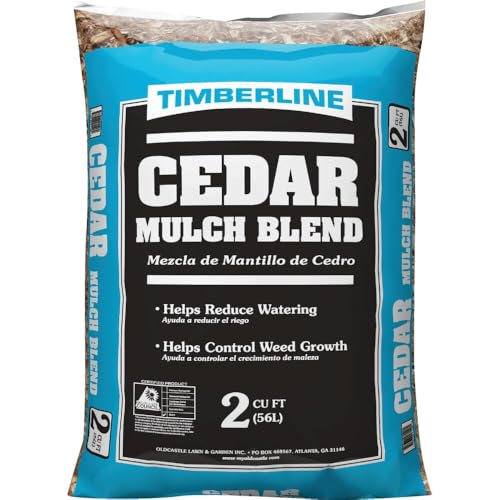
Natural Cedar; Use with your outdoor and indoor plants; will hold moisture in! THIS IS A 4 QUART SIZE OF CEDAR CHIPS
Gives any landscape a finished look and feel

Compressed Block Replaces Heavy Bags: No more heavy, messy, bulky bags—this compressed block is easy to carry, store, and handle. Just add water and it expands in minutes into ready-to-use mulch for fast, simple application
Application Techniques
- Spread Evenly: Distribute cedar mulch evenly across the garden bed. Aim for a consistent layer without creating piles or clumps.
- Avoid Direct Contact: Keep mulch away from the stems of plants. This prevents rot and promotes healthy growth.
- Use in Layers: Apply a layer of organic matter, such as compost, before adding cedar mulch. This improves soil fertility while maximizing the mulch’s benefits.
- Optimal Depth: Apply cedar mulch to a depth of 2 to 4 inches. This thickness retains moisture and suppresses weeds effectively.
- Monitor Moisture Levels: Check soil moisture regularly, especially after heavy rains or drought conditions. You may need to adjust the mulch depth to maintain optimal moisture retention.
- Refresh Annually: Replace or replenish cedar mulch once a year to maintain its effectiveness and aesthetic appeal. This ensures continued pest-repelling benefits and optimal moisture retention.
Alternative Mulch Options
If cedar mulch isn’t your first choice, several other mulch options can support a healthy vegetable garden.
Recommended Products

All-Natural & Clean Mulch —Sustainably sourced 100% non-GMO wheat straw is naturally filtered to remove dust, dirt, and as many seeds as possible for a clean, pure mulch.

Includes 10lb block of Back to the Roots compressed Coconut Husk Mulch that expands to over 2 cubic feet of mulch. Use it for gardens, raised beds, pet bedding and more

Organic – All-Natural Premium Clean Processed Straw
Organic Mulch Choices
- Straw: Straw is lightweight and provides excellent weed suppression. It deteriorates slowly, enriching the soil over time.
- Grass Clippings: Grass clippings serve as a nutrient-rich mulch. Be sure to use clippings from untreated lawns to avoid chemical contamination.
- Wood Chips: Wood chips offer a rustic look and can be used around vegetable plants. They decompose slowly, helping retain moisture while adding organic material as they break down.
- Leaf Mold: Leaf mold, made from decomposed leaves, improves soil structure and retains moisture. It promotes beneficial microbial activity.
- Compost: Compost acts as both mulch and fertilizer. Spread a 1 to 2-inch layer around plants to provide nutrients and suppress weeds.
- Landscape Fabric: Landscape fabric blocks weeds while allowing water and nutrients to pass through. Lay it down before planting for best results.
- Plastic Mulch: Plastic mulch warms the soil and suppresses weeds. Choose black for heat retention or clear for light transmission, depending on your needs.
- Gravel or Stone: Gravel or stone mulch provides excellent drainage and weed control. It’s suitable for paths and areas away from direct planting.
- Rubber Mulch: Made from recycled tires, rubber mulch is long-lasting and provides excellent weed control. It also retains moisture but may not add nutrients to the soil.
These alternatives cater to various gardening needs, helping you create a thriving vegetable garden while avoiding some challenges associated with cedar mulch.
Conclusion
Choosing cedar mulch for your vegetable garden can be a great decision if you weigh the pros and cons. Its ability to repel pests and retain moisture can contribute to healthier plants and less maintenance. Just keep an eye on how it affects your specific crops and the soil’s pH.
If you decide to go with cedar mulch, remember to apply it correctly and monitor your garden regularly. And if cedar doesn’t seem right for you, there are plenty of other mulch options out there. Whatever you choose, your garden will thrive with a little care and attention. Happy gardening!
Frequently Asked Questions
Is cedar mulch good for vegetable gardens?
Cedar mulch is beneficial for vegetable gardens due to its ability to repel pests, retain soil moisture, and enhance the garden’s aesthetic appeal. It helps reduce infestations without relying on chemical pesticides, supporting healthier plant growth. However, it’s essential to consider its potential allelopathic effects on certain plants.
What are the benefits of using cedar mulch?
Cedar mulch offers several advantages, including pest deterrent properties, moisture retention, and a visually appealing look. It can help reduce the need for frequent watering and promote healthier root systems in vegetables, making it an eco-friendly choice for gardeners.
Are there any disadvantages to cedar mulch?
One potential disadvantage is its allelopathic nature, which may inhibit the growth of some sensitive plants. Additionally, cedar mulch has a slightly acidic pH that can alter soil chemistry over time, requiring regular pH testing and possible amendments to maintain optimal growing conditions.
How should cedar mulch be applied?
To apply cedar mulch effectively, spread it evenly across the garden bed, avoiding direct contact with plant stems to prevent rot. A layer of organic matter like compost is recommended beneath the mulch, with an optimal depth of 2 to 4 inches for moisture retention and weed suppression.
How often should cedar mulch be refreshed?
Gardeners should refresh cedar mulch annually to maintain its effectiveness and appearance. Monitoring soil moisture levels is essential, and the mulch depth should be adjusted as needed to ensure optimal growth conditions for vegetables.
What are some alternatives to cedar mulch?
Alternatives to cedar mulch include organic options like straw, grass clippings, wood chips, leaf mold, and compost, each with unique benefits. Non-organic options are landscape fabric, plastic mulch, gravel, or stone, providing various solutions for different gardening needs while supporting healthy plant growth.

I’ve always been drawn to trees.As a kid, I spent most of my free time outside, climbing, exploring, and trying to figure out the names of the trees around me.That early curiosity eventually led me to study arboriculture and horticulture at Michigan State.Later, I completed a degree in forestry at the University of Michigan.
I’ve been working in tree care and education ever since.These days, I enjoy helping people learn more about the trees in their own backyards.How they grow, how to care for them, and why they matter.You don’t need to be an expert to appreciate trees.A little curiosity goes a long way.