Have you ever wondered why your plants aren’t thriving like you hoped? Poor soil quality might be the culprit. Whether you’re a seasoned gardener or just starting out, understanding how to enhance your soil can make a world of difference in your garden’s health and productivity.
Key Takeaways
- Understanding Soil Quality: Healthy soil is key to plant growth, providing essential nutrients, water retention, and support for root development.
- Factors Influencing Soil: Soil composition, pH levels, organic matter, nutrient levels, and moisture balance all play significant roles in soil quality.
- Improvement Techniques: Enhance soil quality by adding organic matter (like compost and mulch), aerating soil, and utilizing cover crops to boost fertility.
- Soil Testing Importance: Regular soil testing helps identify nutrient deficiencies and pH imbalances, guiding targeted amendments for better plant health.
- Role of Plants: Companion planting and crop rotation can naturally improve soil quality by enhancing nutrient cycling and promoting microbial activity.
Understanding Soil Quality
Soil quality plays a crucial role in the success of your garden. Healthy soil supports plant growth by providing essential nutrients, water retention, and a suitable environment for root development.
Importance of Healthy Soil
Healthy soil fosters strong plant growth. It contains microorganisms that aid in nutrient cycling, making nutrients more accessible to plants. Healthy soil improves water infiltration and retention, ensuring plants receive necessary moisture. For instance, adding organic matter like compost can enhance soil structure and fertility, leading to more productive plants.
Factors Affecting Soil Quality
Multiple factors influence soil quality. Understanding these can help improve your garden’s soil.
- Soil Composition: The relative amounts of sand, silt, and clay determine texture. Sandy soils drain quickly but hold less water. Clay soils retain moisture but can become compacted. Ideal garden soils usually contain a mix.
- pH Levels: Soil pH affects nutrient availability. Most plants thrive in slightly acidic to neutral soil (pH 6.0-7.0). Testing soil pH helps you determine if adjustments are necessary using lime (to raise) or sulfur (to lower) pH levels.
- Organic Matter: High organic matter content boosts soil fertility. Adding compost, aged manure, or mulch enhances soil structure and provides nutrients.
- Nutrient Levels: Key nutrients like nitrogen, phosphorus, and potassium are essential for plant health. Soil testing kits help ascertain nutrient levels, guiding your fertilization plan.
- Moisture Levels: Proper moisture levels are vital. Too much water can lead to root rot, while too little stunts growth. Consider the climate and choose suitable irrigation methods to maintain moisture balance.
By focusing on these factors, you can enhance soil quality, leading to a more vibrant, productive garden.
Techniques to Improve Soil Quality
Improving soil quality involves several effective techniques that enhance nutrient content, structure, and overall health. Here are key methods you can implement in your garden.
Recommended Products

Excellent Addition to Bioactive Terrariums & Vivariums: Leaf mold is rich in beneficial microbes that contribute to establishing a healthy, natural terrarium setup. Mixed into the substrate, it recreates a natural forest floor and helps create a balanced, stable habitat for invertebrates, amphibians, & reptiles.

Nutrient-Rich Organic Compost for Healthy Soil: Support stronger plant growth with this premium organic compost made from dairy cow manure. This all purpose soil amendment helps replenish essential nutrients often depleted after harvests, making it ideal for vegetable gardens, fruit trees, flowers, lawns and container plants.
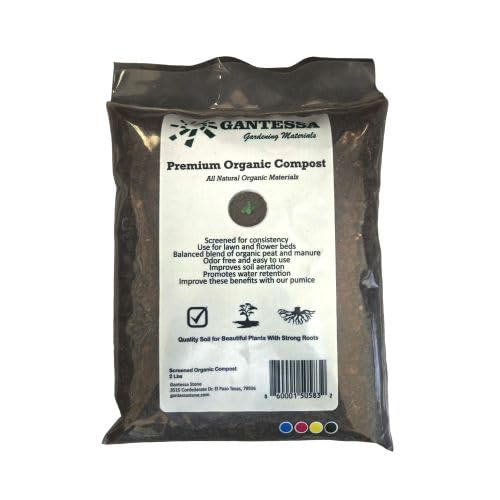
Manure Compost
Organic Matter Enhancement
Adding organic matter boosts soil quality significantly. Organic matter includes materials like compost, well-rotted manure, and leaf mold.
- Compost: Mix in compost at a rate of 1-2 inches per year. It supplies essential nutrients and improves water retention.
- Manure: Incorporate well-rotted manure to enrich soil nutrients. Use about 20-30 pounds of manure per 100 square feet.
- Cover Crops: Grow cover crops in the off-season. These crops, such as clover or vetch, add nitrogen and improve soil structure when tilled in.
Soil Aeration Methods
Soil aeration reduces compaction and improves root growth by enhancing air and water movement. Here are effective methods:
- Manual Aeration: Use a garden fork to poke holes 3-4 inches apart in compacted areas. This method works well for small gardens.
- Core Aerators: Rent or purchase a core aerator for large areas. This machine removes plugs of soil, improving drainage and reducing compaction.
- Mulching: Apply a 2-3 inch layer of organic mulch, like wood chips or straw. Mulch protects soil and promotes aeration as it decomposes.
Implementing these techniques improves soil health, supports strong plant growth, and elevates the overall productivity of your garden.
Soil Testing and Analysis
Soil testing provides essential insights into your garden’s health. Analyzing soil enables you to identify nutrient deficiencies and optimize conditions for plant growth.
Recommended Products

Quick, at home results for Soil pH, Nitrogen, Phosphorous and Potash Innovative and inexpensive soil test kit features an easy-to-use capsule system and patented color comparators

KNOW BEFORE YOU GROW | Grow the healthiest, sustainable lawn and garden with the most accurate and easy to use professional soil test kit on the market

Quick, at home results for Soil pH, Nitrogen, Phosphrous and Potash
Identifying Soil Nutrients
Identifying available nutrients in your soil promotes healthy plant development. Begin by collecting soil samples from different areas of your garden. Use a clean container for each sample and take about 1 cup of soil from each spot. Afterwards, send the samples to a local soil testing lab or use a DIY soil test kit.
These tests will typically measure levels of nitrogen, phosphorus, potassium, calcium, magnesium, and sulfur. For example, low nitrogen levels may lead to stunted plant growth, while a phosphorus deficiency can hinder root development. By knowing nutrient levels, you can target specific amendments. For instance, add bone meal for phosphorus or alfalfa meal for nitrogen.
pH Level Assessment
Assessing soil pH ensures proper nutrient availability. Soil pH affects how well plants absorb nutrients. Most garden plants thrive in a pH range of 6.0 to 7.5.
To test pH levels, use a pH test kit available at garden centers or online. Alternatively, send samples for laboratory testing. For accurate results, collect samples in multiple garden areas and mix them before testing.
If your soil’s pH is too low (acidic), you can add lime to raise it. If it’s too high (alkaline), sulfur can lower the pH. Regular testing helps maintain optimal conditions, fostering robust plant growth.
Plants and Soil Quality
Plants play a crucial role in improving soil quality. Healthy plants contribute to nutrient cycling, enhance soil structure, and promote beneficial microbial activity. By choosing the right plants, you can help build soil health.
Recommended Products
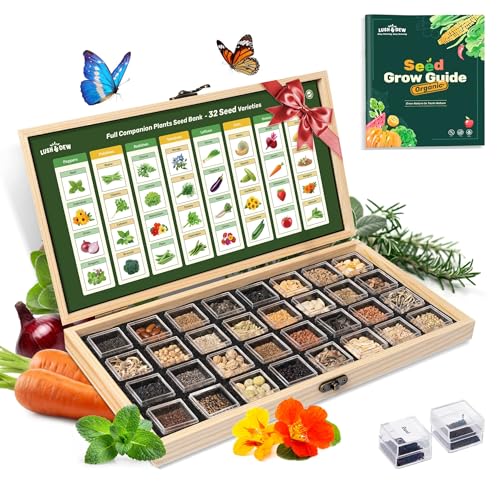
USA-Sourced & Non-GMO: 32 easy to grow varieties of heirloom seeds, 30,000+ companion planting seeds for peppers, potatoes, radishes, tomatoes, lettuce, corn, onions, pumpkins.


EASY TO USE & UNDERSTAND - Simplify your garden with our easy-to-use wheel-based vegetable garden planner! Determine seeds needed, planting depth, optimal spacing, and much more for 21 popular vegetables. The garden planner works in all regions of the USA and Canada. Simply adjust the frost line with the frost dates of your area to get started.
Companion Planting Benefits
Companion planting involves growing multiple plant species together to benefit each other. This method enhances soil quality in several ways:
- Pest Management: Certain plants deter pests, reducing the need for chemical pesticides. For instance, marigolds repel nematodes that can damage plant roots.
- Nutrient Sharing: Some plants, like legumes, fix nitrogen in the soil, enriching nutrient levels for nearby crops like tomatoes and corn.
- Soil Structure Improvement: Deep-rooted plants, such as dandelions or certain grasses, can break up compacted soil, allowing air and water to reach the roots of other plants.
Consider planting companions in your garden to enhance soil quality naturally.
Crop Rotation Strategies
Crop rotation involves alternating the types of crops grown in specific areas of your garden each season. This practice offers several benefits for soil quality:
- Nutrient Management: Different plants absorb different nutrients. Rotating crops helps prevent nutrient depletion. For example, following nitrogen-consuming crops with nitrogen-fixing legumes can balance soil nutrients.
- Disease Prevention: Changing crops reduces the risk of soil-borne diseases and pests associated with specific plants. If you had tomatoes in one area, plant legumes or cucumbers in the next season.
- Soil Health: Diverse root systems from rotating crops improve soil structure, promote microbial diversity, and enhance overall soil fertility.
Implement crop rotation to maintain and improve soil quality in your garden.
Conclusion
Improving soil quality is a rewarding journey that can transform your garden into a thriving oasis. By embracing organic practices and regularly testing your soil you’ll create an environment where plants can flourish. Remember that healthy soil is the backbone of a successful garden and investing time in these techniques pays off in vibrant blooms and bountiful harvests.
As you explore companion planting and crop rotation you’ll not only boost your soil health but also enjoy the beauty of a diverse garden. So roll up your sleeves and get started on enhancing your soil. Your plants will thank you for it!
Frequently Asked Questions
Why is soil quality important for gardening?
Healthy soil is crucial for plant growth, as it provides essential nutrients, retains moisture, and creates a suitable environment for roots. Poor soil can lead to struggling plants, making it vital for both novice and experienced gardeners to focus on improving soil quality.
What factors affect soil quality?
Key factors influencing soil quality include soil composition, pH levels, organic matter content, nutrient levels, and moisture. Understanding these elements can help gardeners identify issues and implement solutions to enhance soil health and plant productivity.
How can I improve my soil quality?
You can improve soil quality by adding organic materials like compost and well-rotted manure, using cover crops, and employing aeration techniques such as manual aeration or core aerators. Applying organic mulch also helps reduce compaction and improve water movement.
What is soil testing and why is it important?
Soil testing involves analyzing soil samples to determine nutrient levels and pH. It’s essential for identifying nutrient deficiencies and adjusting soil conditions for optimal plant growth. Regular testing helps maintain a healthy garden environment.
How can plants enhance soil quality?
Healthy plants contribute to nutrient cycling, improve soil structure, and promote beneficial microbial activity. Practices like companion planting and crop rotation can enhance soil quality, aid in pest management, and manage nutrient levels effectively.
What are some techniques for aerating soil?
Techniques for aerating soil include using a garden fork for manual aeration or core aerators for larger areas. Additionally, applying organic mulch can help improve air and water movement in compacted soil.

I’ve always been drawn to trees.As a kid, I spent most of my free time outside, climbing, exploring, and trying to figure out the names of the trees around me.That early curiosity eventually led me to study arboriculture and horticulture at Michigan State.Later, I completed a degree in forestry at the University of Michigan.
I’ve been working in tree care and education ever since.These days, I enjoy helping people learn more about the trees in their own backyards.How they grow, how to care for them, and why they matter.You don’t need to be an expert to appreciate trees.A little curiosity goes a long way.