Are those pesky weeds taking over your garden? You’re not alone. Many gardeners face the same struggle, watching their beautiful plants get overshadowed by unwanted greenery. Weeds can not only ruin your garden’s appearance but also compete for vital nutrients and water.
Key Takeaways
- Understanding Weeds: Familiarize yourself with common garden weeds such as dandelions, crabgrass, clover, and bindweed to develop effective control strategies.
- Preventative Measures: Implement soil preparation techniques, such as removing existing weeds and using mulch, to minimize future weed growth and promote plant health.
- Manual Control Methods: Hand-pulling and using tools like hoes and weeders can effectively manage weeds without chemicals, allowing for precise targeting of unwanted plants.
- Chemical Control Options: Selective and non-selective herbicides can manage weeds effectively; however, understanding application timing and safety precautions is crucial for optimal results.
- Organic Weed Control: Utilize organic methods, including mulching and homemade natural herbicides like vinegar solutions, to control weeds while maintaining an eco-friendly gardening approach.
Understanding Weeds in the Garden
Weeds are unwanted plants that can detract from your garden’s health and beauty. They compete with your flowers and vegetables for resources, making it essential to understand them better.
Types of Common Garden Weeds
- Dandelions: These resilient weeds feature bright yellow flowers and deep taproots, making them hard to eradicate.
- Crabgrass: This annual weed grows quickly in disturbed areas, spreading across the soil and crowding out desirable plants.
- Clover: Often seen as a lawn weed, clover can invade flower beds and gardens, taking up valuable nutrients.
- Bindweed: This perennial vine twines around other plants, making it difficult to remove without damaging adjacent crops.
Life Cycle of Weeds
Weeds often follow distinct life cycles, influencing how you manage them:
- Annual Weeds: These complete their life cycle within one year. They germinate, grow, flower, and produce seeds quickly. Examples include crabgrass and purslane.
- Biennial Weeds: These weeds take two years to complete their life cycle. They grow foliage in the first year, then flower and seed in the second year. Common examples include foxglove and burdock.
- Perennial Weeds: Such weeds live for multiple years, spreading through seeds and root systems. Dandelions and bindweed are typical perennials.
Understanding these life cycles helps you select the right control strategies for each type of weed.
Preventative Measures
You can effectively control weeds in your garden through several preventative measures. These strategies help reduce the likelihood of weed growth and support healthier plants.
Soil Preparation Techniques
Prepare your soil properly to minimize weed growth. Start by removing existing weeds before planting. Turn the soil over with a garden fork or tiller, mixing in organic matter, like compost, which improves soil health. Adding a layer of mulch around your plants creates a barrier, blocking sunlight and suppressing weeds. Organic mulches, such as straw or wood chips, not only retain moisture but also decompose over time, enriching the soil.
Selecting the Right Plants
Choosing the right plants can also limit weed competition. Opt for native or well-adapted species that are vigorous and can outcompete weeds for nutrients and water. Dense planting can reduce space for weeds to take root. Additionally, using ground covers can fill bare spots in your garden, making it harder for weeds to establish themselves. Consider companion planting, where certain plants support each other while crowding out weeds.
Manual Control Methods
Manual control methods are effective ways to manage weeds in your garden. These techniques involve physical removal, allowing you to target specific weeds while minimizing harm to desirable plants.
Recommended Products

1.Garden Gloves for Digging and Planting:Perfect for Digging and Planting, These garden gloves are made with 4 strong and sturdy ABS claws on each hands, easy for you to do all the yard work like digging, planting, weeding and seeding. All claws are attached with strong and environmental friendly material.

IDEAL GIFTS FOR MEN, WOMEN - Our gardening tools set is the ultimate gift for any men women who loves to garden. Including rust-proof and durable tools, this set ensures she has everything she needs for a flourishing garden. The ergonomic design makes it comfortable to use, making it a thoughtful gift for wife, mom, daughter, or grandma.

High Quality Gardening Gloves:The palms and fingers of gardening gloves for women are made of high-quality 100% cowhide leather.The palms with foam pads to ensure abrasion resistance and grip. The back of the hand and forearm are made of breathable and sweat-absorbent canvas material with bright floral patterns, which are breathable, and comfortable.
Pulling Weeds by Hand
Pulling weeds by hand is a simple yet effective method. Start early in the morning or after rainfall, as moist soil makes it easier to uproot weeds. Follow these steps:
- Identify the Weed: Know the weeds you’re dealing with, such as dandelions or crabgrass.
- Use Gloves: Wear gardening gloves to protect your hands and improve grip.
- Grip the Base: Pinch the weed close to the ground.
- Pull Slowly: Extract the entire root to prevent regrowth. If the root breaks, the weed might return.
- Dispose Properly: Place pulled weeds in a compost pile or bag them to prevent seeds from spreading.
Using Tools for Weeding
Various tools can aid in the weeding process, making it quicker and less strenuous. Consider these:
- Hand Weeder: A pointed tool that allows precise removal of weeds. Insert it near the weed’s root and gently lift.
- Hoe: Ideal for larger areas, a hoe can quickly cut weeds at the soil surface. Sweep the blade back and forth to sever weeds.
- Cultivator: A small tool to loosen soil and uproot weeds, especially helpful for those with shallow roots.
- Weed Puller: A long-handled device that extracts weeds without bending over. It grips the weed and pulls it out entirely.
By employing these manual methods, you can maintain a tidy garden and significantly reduce weed populations without the use of chemicals.
Chemical Control Options
Chemical control involves using herbicides to manage weed populations in your garden effectively. These products can target specific weeds while preserving desirable plants when used correctly.
Recommended Products
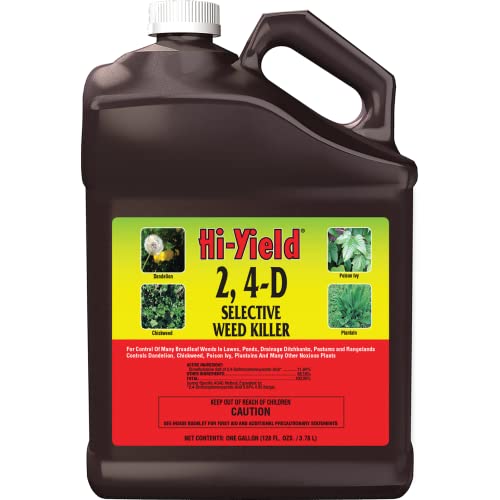
This selective weed killer kills or controls many Broadleaf Weeds and plants susceptible to 2, 4-D.
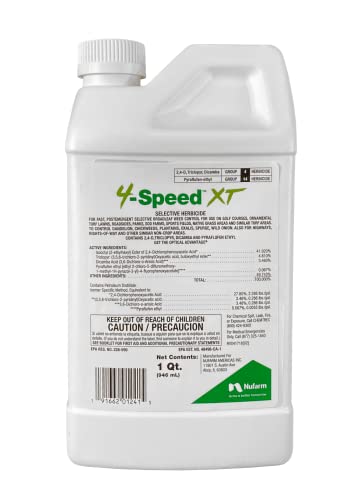
FAST-ACTING, wide variety effective broadleaf weed control with visible results within 24 to 48 hours

Controls 90+ listed weeds including white clover, dandelion, ground ivy, spurge, goosegrass* and nimblewill*
Herbicides: Types and Usage
You can choose from two main types of herbicides: selective and non-selective.
- Selective Herbicides target specific weed types without harming surrounding plants. For example, products containing 2,4-D effectively manage broadleaf weeds like dandelions in lawns.
- Non-selective Herbicides eliminate all vegetation they contact. Glyphosate is a well-known non-selective herbicide, often used in areas where you want to clear out all plants, such as preparing a new garden bed.
When using herbicides, follow these steps for effective use:
- Identify Weeds: Know the types of weeds in your garden. This knowledge helps you choose the right herbicide.
- Read Labels: Carefully examine the product label for application instructions and the target weed species.
- Apply at the Right Time: Apply herbicides during the growth phase of weeds for maximum effectiveness. Early morning or late afternoon often provides the best results by reducing evaporation.
- Consider Weather Conditions: Avoid application before heavy rainfall, as it can wash away chemicals and reduce effectiveness. Windy conditions may spread the herbicide to unintended areas.
Safety Precautions When Using Chemicals
Safety is crucial when using chemicals in your garden. Adopt these practices to protect yourself and the environment:
- Wear Protective Gear: Always wear gloves, goggles, and a mask when applying herbicides to minimize exposure.
- Keep Pets and Children Away: Ensure pets and children stay clear of treated areas for at least 24 hours after application.
- Follow Disposal Instructions: Dispose of any unused chemicals according to local regulations to prevent environmental contamination.
- Store Chemicals Safely: Keep herbicides in their original containers and store them in a cool, dry place, out of reach of children and pets.
By following these guidelines, you can effectively manage weeds while prioritizing safety in your gardening practices.
Organic Weed Control Strategies
Organic gardening promotes healthy growing practices while effectively controlling weeds. Several methods exist to manage unwanted plants without harsh chemicals.
Recommended Products

KILLS TO THE ROOT: Our formula is guaranteed to kill more than 250 weeds and grass including broadleaf, crabgrass, dandelion, clover, ivy, and chickweed.

KILLS WEEDS TO THE ROOTS - Earth’s Ally weed grass killer spray is a non-selective, ready-to-use formula proven to eliminate common weeds like broadleaf, crabgrass, dandelion, clover, ivy and chickweed.
Mulching Techniques
Mulching creates a barrier that blocks sunlight, thereby preventing weed growth. Use organic materials like straw, wood chips, or shredded leaves for best results.
- Select Mulch: Choose materials that decompose slowly, offering long-term benefits.
- Apply Thickness: Spread mulch to a depth of 2-4 inches around plants to maximize effectiveness.
- Replenish Regularly: Reapply mulch as needed to maintain coverage and efficiency.
Consider using living mulches such as clover, which not only suppresses weeds but also enriches the soil.
Natural Herbicides and Homemade Solutions
Natural herbicides offer an effective, eco-friendly alternative to chemical options. Homemade solutions can yield satisfying results.
- Vinegar Solution: Mix 1 part white vinegar with 1 part water. Spray directly on weeds during sunny weather.
- Saltwater Mix: Combine 3 parts salt with 1 part water. Apply carefully, as salt can affect surrounding plants and soil.
- Boiling Water: Pour boiling water over weeds. This method instantly kills unwanted plants without residual chemicals.
Use these solutions during dry conditions for maximum impact and precision. Always spot-test any homemade herbicide in a small area before widespread use.
Implementing these organic strategies creates a healthier garden while effectively controlling weed populations.
Conclusion
Taking control of weeds in your garden doesn’t have to be overwhelming. With the right knowledge and a few effective strategies, you can keep those pesky invaders at bay. Whether you prefer manual methods, organic solutions, or even selective herbicides, there’s a way that fits your gardening style.
Remember to stay consistent and observant. A little effort goes a long way in maintaining a beautiful and thriving garden. By nurturing your plants and protecting them from weeds, you’ll create a space that you can truly enjoy. Happy gardening!
Frequently Asked Questions
What are the main types of weeds that invade gardens?
Weeds commonly found in gardens include dandelions, crabgrass, clover, and bindweed. Each type has unique characteristics that can make them challenging to manage and they compete with desirable plants for nutrients and water.
How do the life cycles of weeds affect control strategies?
Understanding the life cycles of weeds—annual, biennial, and perennial—helps gardeners choose effective control strategies. Annual weeds complete their life cycle within a year, while biennials take two years, and perennials return year after year.
What are some preventative measures to stop weed growth?
To prevent weed growth, prepare your soil by removing existing weeds and adding organic matter like compost. Use mulch to block sunlight, choose native or adapted plants that can outcompete weeds, and consider dense or companion planting techniques.
What manual methods can I use to control weeds?
Manual weed control involves physically removing weeds by hand or using tools like hand weeders, hoes, and cultivators. Tips include pulling weeds at the right time, accurately identifying species, and properly disposing of them to prevent regrowth.
How do selective and non-selective herbicides differ?
Selective herbicides target specific weeds without harming surrounding plants, while non-selective herbicides kill all vegetation they contact. It’s essential to choose the right type based on your garden needs and to follow safety guidelines when using them.
What are some organic methods for controlling weeds?
Organic weed control strategies include using mulch made from organic materials, applying natural herbicides like vinegar or saltwater, and implementing eco-friendly solutions. These methods promote healthy gardening practices without the use of harsh chemicals.

I’ve always been drawn to trees.As a kid, I spent most of my free time outside, climbing, exploring, and trying to figure out the names of the trees around me.That early curiosity eventually led me to study arboriculture and horticulture at Michigan State.Later, I completed a degree in forestry at the University of Michigan.
I’ve been working in tree care and education ever since.These days, I enjoy helping people learn more about the trees in their own backyards.How they grow, how to care for them, and why they matter.You don’t need to be an expert to appreciate trees.A little curiosity goes a long way.