Have you ever wondered if mixing sand with your garden soil could improve your plants’ growth? If you’ve struggled with heavy, compacted soil or poor drainage, you’re not alone. Many gardeners face the same challenge and seek the right solution to create a thriving garden.
In this article, you’ll discover the benefits of adding sand to your garden soil and how it can enhance drainage, aeration, and overall soil health. You’ll learn the right proportions to use and tips to ensure your plants flourish. Whether you’re a seasoned gardener or just starting out, this guide will help you make informed choices for a vibrant garden.
Key Takeaways
- Mixing Benefits: Incorporating sand into garden soil improves drainage, aeration, and overall soil health, leading to healthier plants.
- Soil Composition: Understanding the components of garden soil—sand, silt, and clay—is crucial for creating an ideal growing environment.
- Optimal Ratios: A recommended mixing ratio is 1 part sand to 2 parts soil for heavy, compacted grounds to enhance drainage while maintaining nutrient retention.
- Best Sand Types: Use coarse sand, play sand, or washed sand for the best results; avoid beach and fine sand due to potential issues like salt content and compaction.
- Potential Drawbacks: Beware of risks such as soil compaction and low nutrient retention; incorporating organic matter can help mitigate these issues.
- Soil Testing: Regularly test your soil to identify nutrient gaps and adjust fertilization practices accordingly to ensure plant health.
Understanding Garden Soil
Garden soil consists of various components that contribute to its overall health and functionality. Knowing the makeup of your garden soil helps you create the best environment for your plants.
Composition of Garden Soil
Garden soil generally comprises three key elements: sand, silt, and clay. Each plays a unique role in soil performance.
- Sand provides drainage and aeration. Its larger particles create space, allowing air and water to circulate easily.
- Silt retains moisture and nutrients. This medium-sized particle holds water effectively while still permitting drainage.
- Clay offers structure and nutrient retention but can lead to compaction. Its tiny particles bond tightly, inhibiting airflow and water movement.
A balanced mixture of these components creates fertile, productive soil. You can assess your soil composition through simple tests or by consulting local gardening resources.
Importance of Soil Texture
Soil texture impacts everything from drainage to nutrient availability. Textural balance influences how effectively plants grow.
- Drainage: Sandy soils drain quickly, preventing waterlogging. This type makes them ideal for drought-tolerant plants.
- Nutrient Holding: Clay-rich soils can hold nutrients but require careful management to avoid water retention issues.
- Aeration: Loamy soils, a mix of sand, silt, and clay, provide the best aeration, improving root development.
You might experiment with adding sand to heavy soils. Doing so enhances drainage. Aim for a ratio of 1 part sand to 2 parts soil for best results.
Benefits of Mixing Sand with Garden Soil
Mixing sand with garden soil offers several advantages. It enhances the overall quality of your garden soil, leading to healthier plants.
Recommended Products
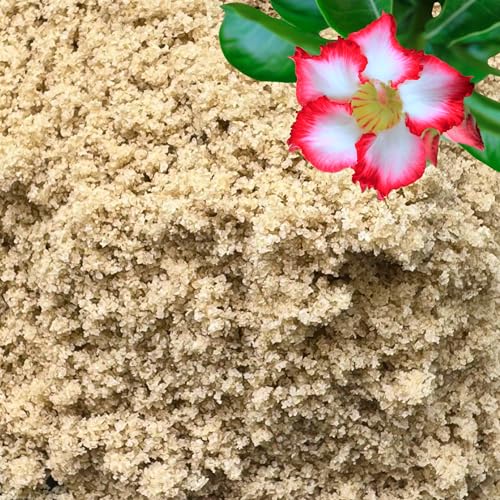
🌿 Transform Your Potting Mix – Plants Will Thank You Improve soil structure and drainage in seconds. This soft, fine-grain potting sand adds gentle aeration to indoor mixes, helping roots grow stronger, faster, and healthier in every pot.

Improves the look of house plants by covering soil.

Fine 1–3mm For Seed Starting: Fine vermiculite blends easily into seed starting mix and seed starting soil, helping maintain consistent moisture around seeds and delicate roots for germination, seedlings, propagation, and early plant growth
Improved Drainage
Improved drainage is one of the primary benefits of adding sand. Sandy soil allows excess water to flow away quickly, which prevents waterlogging. This is crucial for root health. For instance, if you have heavy clay soil that retains moisture, incorporating sand at a ratio of 1 part sand to 2 parts soil can transform it. As a result, roots receive the oxygen they need, reducing the risk of root rot and fungal diseases.
Enhanced Aeration
Enhanced aeration also significantly benefits plant growth. Mixing sand increases air pockets in the soil, allowing roots to breathe more easily. Good aeration promotes robust root systems, which lead to better nutrient uptake. For example, in compacted soils, roots struggle to expand. By adding sand, you create a looser texture that facilitates root growth. Additionally, well-aerated soil reduces soil compaction over time, further supporting plant health.
Drawbacks of Mixing Sand with Garden Soil
Mixing sand with garden soil can lead to some challenges that affect your gardening experience. It’s essential to understand these drawbacks before you proceed.
Recommended Products
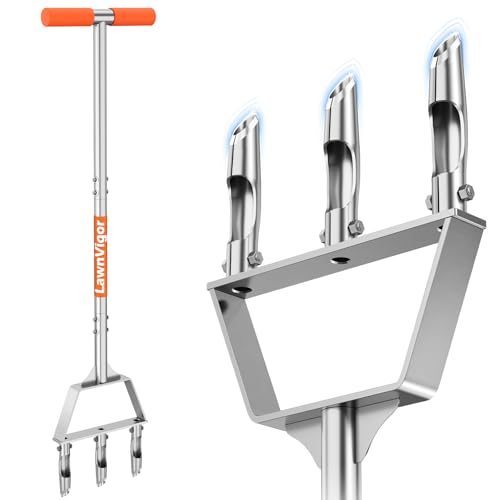
LAWN AERATOR FOR HEALTHIER LAWN GROWTH: Our manual lawn aerators promotes lush, green lawns by delivering essential air, water and nutrients deep into the soils. The lawn air aerator tool ensures healthier grass growth. (Note: Please water dry soil before use and do not rock, twist, or pry the tool side-to-side when it's in the ground.)
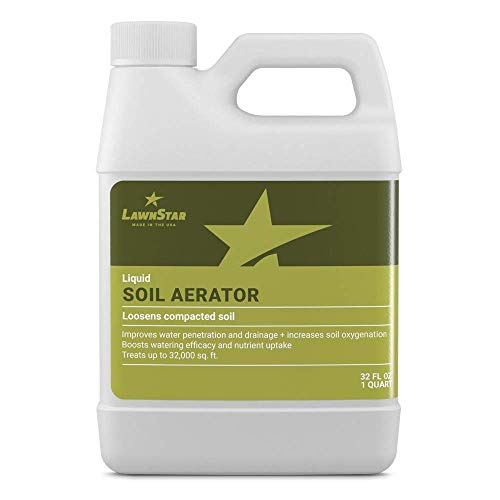
EASY-TO-USE ALTERNATIVE: Tired of mechanical aeration? So were we. Our liquid soil loosener takes all of the stress for you and provides a cost efficient alternative to core and mechanical aeration.
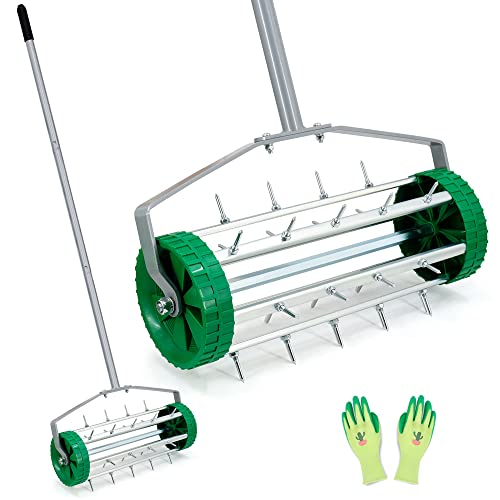
WHY YOU NEED THIS SPIKE LAWN AERATOR -- grass roots need air, water and nutrients to grow thick, deep and strong. When soil becomes compacted, even slightly, it inhibit the flow of the essentials that support thicker, healthier turf growth. Aeration creates holes down into the soil to alleviate compaction so air, water and nutrients can reach grass roots.
Potential for Compaction
Adding sand to garden soil can create a risk of compaction. When sand particles settle tightly together, they reduce the amount of space air can occupy in the soil. Compacted soil limits root expansion and creates dense layers that hinder plant growth. You might notice stunted growth or yellowing leaves if plants struggle to establish their roots in compacted conditions. To mitigate this, consider aerating the soil regularly or using organic matter to promote better structure.
Nutrient Retention Issues
Mixing sand with garden soil often leads to nutrient retention problems. Sand has a lower ability to hold nutrients compared to silt and clay. Without sufficient nutrients, your plants may show signs of deficiency, such as poor growth or discoloration. It’s vital to adjust your fertilization routine when adding sand. Incorporate compost or organic fertilizers to ensure your plants receive the necessary nutrients. Testing your soil can help identify any nutrient gaps and guide your amendments for balanced growth.
By weighing these drawbacks, you can make a more informed decision about mixing sand with garden soil and its implications for your garden’s health.
Best Practices for Mixing Sand with Garden Soil
Mixing sand with garden soil can significantly improve drainage and aeration. Follow these best practices to maximize the benefits for your plants.
Recommended Products

Natural colored coarse sand, each particle has a different shape, with sizes ranging from 1-5mm, durability longevity strength.

Improves the look of house plants by Covering soil.
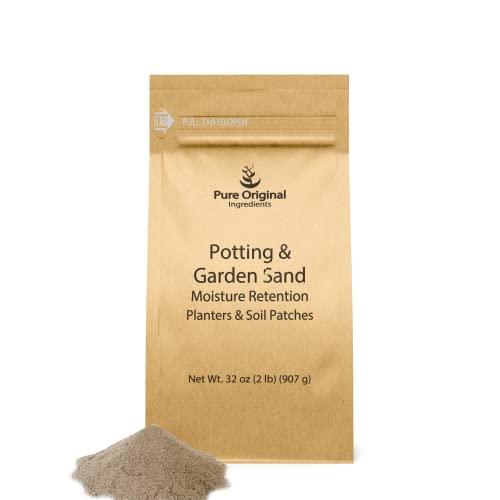
Pure Original Ingredients Potting & Garden Sand
Ideal Sand Types to Use
Choose the right sand type for optimal results. Here are the most suitable options:
- Coarse Sand: Coarse sand, often referred to as builder’s sand or sharp sand, enhances drainage effectively without compacting easily.
- Play Sand: Play sand is another option. It’s clean and less likely to contain contaminants that could affect your plants.
- Washed Sand: Washed sand is free of silt and clay, ensuring better drainage and aeration in your garden soil.
Avoid using beach sand or fine sand. Beach sand may contain salt, while fine sand can compact and hinder drainage.
Recommended Ratios for Mixing
Mixing the correct proportions of sand and garden soil is essential. These recommended ratios help achieve the best balance for drainage and nutrient retention:
- 1:2 Ratio: For improving drainage in heavy soils, mix 1 part sand with 2 parts garden soil. This ratio enhances aeration without compromising moisture retention.
- 1:3 Ratio: For sandy soils, consider a 1 part sand to 3 parts soil ratio. This increases the soil’s ability to hold nutrients while still promoting drainage.
Always test your mixture on a small area before applying it to your entire garden. Adjust the ratios based on plant needs and soil conditions.
Conclusion
Mixing sand with your garden soil can be a game changer for plant health if done right. You’ll enjoy improved drainage and aeration which are essential for thriving roots. Just remember to choose the right type of sand and stick to the recommended mixing ratios to avoid potential pitfalls like compaction.
Experimenting in small areas first can help you find the perfect blend that works for your garden. With a little care and attention, you’ll create a soil environment that supports your plants’ growth and keeps your garden flourishing. Happy gardening!
Frequently Asked Questions
What are the benefits of mixing sand with garden soil?
Mixing sand with garden soil improves drainage and aeration, which helps prevent waterlogging and encourages healthy root development. This is particularly beneficial for heavy, compacted soils and can enhance overall soil health for better plant growth.
What is the ideal sand to use in garden soil?
Coarse sand, play sand, and washed sand are recommended for mixing with garden soil. These types help improve drainage. Avoid beach sand and fine sand, as they can cause compaction and drainage problems.
What is the recommended mixing ratio of sand to soil?
For heavy, compacted soils, a mixing ratio of 1 part sand to 2 parts garden soil is suggested. For sandy soils, a 1:3 ratio is effective. Testing the mixture in a small area before applying it widely is advisable.
Can mixing sand lead to nutrient deficiencies in plants?
Yes, sand has a lower nutrient retention capacity compared to silt and clay. This can lead to nutrient deficiencies for plants if not managed properly. Adding organic matter and adjusting fertilization can help mitigate this issue.
How can I enhance the benefits of mixing sand with soil?
To maximize benefits, regularly aerate the soil and incorporate organic matter like compost. Adjusting your fertilization routine to include organic fertilizers can also ensure plants receive adequate nutrients while enjoying improved drainage and aeration.

I’ve always been drawn to trees.As a kid, I spent most of my free time outside, climbing, exploring, and trying to figure out the names of the trees around me.That early curiosity eventually led me to study arboriculture and horticulture at Michigan State.Later, I completed a degree in forestry at the University of Michigan.
I’ve been working in tree care and education ever since.These days, I enjoy helping people learn more about the trees in their own backyards.How they grow, how to care for them, and why they matter.You don’t need to be an expert to appreciate trees.A little curiosity goes a long way.