Have you ever wondered if potting soil could give your garden a boost? Many gardeners face the challenge of finding the right mix for their plants. You might have some extra potting soil lying around and think, “Can I just toss it in my garden?”
This article will help you understand the benefits and potential drawbacks of adding potting soil to your garden. You’ll discover how it can improve drainage and nutrient availability while ensuring your plants thrive. By the end, you’ll feel confident in making the best choice for your garden’s health.
Key Takeaways
- Understanding Potting Soil: Potting soil is designed for container gardening and offers better drainage and nutrient balance compared to traditional garden soil.
- Benefits of Adding Potting Soil: It enhances drainage and nutrient content, promoting healthy root development and vigorous plant growth, especially for container plants and seedlings.
- Optimal Usage Timing: Incorporate potting soil before planting, during the planting process, or in areas with poor soil for maximum benefit to plant health.
- Mixing Techniques: Properly blend potting soil with garden soil using layering, tilling, or spot mixing to improve overall soil quality.
- Potential Drawbacks: Be aware of overwatering and nutrient imbalances that can occur from adding potting soil; adjust watering practices and monitor nutrient levels to maintain a healthy garden.
- Ideal Ratios for Mixing: Use appropriate ratios, such as a 3:1 mix of garden soil to potting soil for garden beds or 1:1 for seedlings, to ensure optimal growth conditions.
Understanding Potting Soil
Potting soil serves a unique purpose in gardening. It’s specially formulated to support plant growth, providing essential nutrients and proper drainage.
What Is Potting Soil?
Potting soil, often called potting mix, consists of a blend of organic matter, such as peat moss, compost, and perlite or vermiculite. These components enhance moisture retention and airflow. Potting soil is designed for container gardening, offering the right balance of nutrients and structure. You can typically find it in bags at garden centers or home improvement stores, ready for immediate use.
Differences Between Potting Soil and Garden Soil
Potting soil differs from garden soil in composition and function. Garden soil contains natural minerals, clay, and organic matter, making it suitable for in-ground planting. However, it may not provide the drainage or consistent nutrient blend that potting soil offers. Here are key differences:
- Nutrient Density: Potting soil often contains added fertilizers, whereas garden soil may vary in nutrient availability.
- Texture: Potting soil has a lighter, fluffier texture, promoting better airflow around the roots.
- Drainage: Potting soil includes materials like perlite to ensure excess water drains away, preventing root rot.
- pH Levels: Potting soil can be specially formulated to suit the needs of particular plants, while garden soil tends to be neutral or slightly acidic.
By understanding these differences, you can make informed decisions about adding potting soil to your garden.
Benefits of Adding Potting Soil to Your Garden
Adding potting soil to your garden offers multiple advantages that enhance plant growth and overall garden health. Key benefits include improved drainage and enhanced nutrient content.
Improved Drainage
Improved drainage ensures that water flows freely through your soil, preventing waterlogged conditions. Potting soil contains components like perlite and vermiculite, which promote quick drainage. This feature helps prevent root rot and supports healthy root development. For instance, if you’re planting vegetables in raised beds, mixing potting soil with existing soil can create a better drainage system. This adjustment helps maintain moisture levels while allowing excess water to escape effectively.
Enhanced Nutrient Content
Enhanced nutrient content provides your plants with the essential elements they require to thrive. Potting soil typically contains a mix of organic materials and fertilizers that supply nutrients like nitrogen, phosphorus, and potassium. This nutrient-rich environment supports vigorous plant growth. For example, if you’re planting flowering plants, using potting soil can lead to larger blooms and healthier foliage. Consider incorporating potting soil into your garden to give plants the best chance for a vibrant and productive growing season.
When to Use Potting Soil in Your Garden
Using potting soil in your garden can improve plant health when applied at the right times. Knowing when to incorporate it helps ensure optimal growth conditions.
Recommended Products
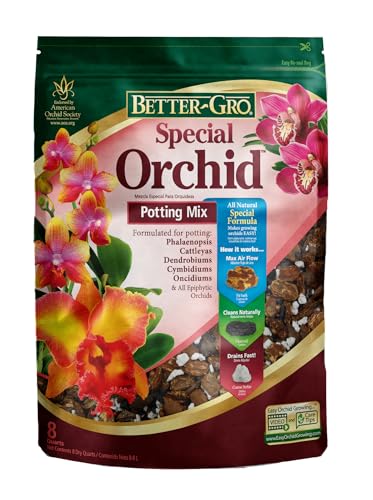
MULTI-PURPOSE FORMULA FOR ALL EPIPHYTIC ORCHIDS: Specially developed for growing a wide range of orchids, including Cattleyas, Phalaenopsis, Dendrobiums, Paphiopedilums, and Oncidiums, endorsed by the American Orchid Society for its versatility

MULTI-PURPOSE FORMULA FOR ALL EPIPHYTIC ORCHIDS: Specially developed for growing a wide range of orchids, including Cattleyas, Phalaenopsis, Dendrobiums, Paphiopedilums, and Oncidiums

Premium Material Ratio: In accordance with the habits and cultivation needs of orchids, we have enhanced the material ratio of our orchid potting mix. This high-quality mix is primarily composed of dried forest moss, perlite, coco peat, and pine bark, providing an ideal growing medium for orchids
Specific Plants That Benefit
Certain plants thrive when you add potting soil.
- Container Plants: Vegetables and flowers grown in pots gain from the moisture retention and well-draining nature of potting soil.
- Seedlings: Young plants often require the nutrients and aeration found in potting mixes for strong roots.
- Indoor Plants: Houseplants enjoy the fertility and drainage offered by potting soil, preventing root rot.
- Orchids: These unique plants need specialized potting soil with excellent drainage to mimic their natural habitat.
Ideal Conditions for Use
The best conditions for adding potting soil in your garden include:
- Before Planting: Mix potting soil into garden beds before planting to improve drainage and nutrient content.
- During Planting: Combine potting soil with garden soil when planting delicate seedlings or container-grown plants to ease the transition.
- In Poor Soil: Use potting soil in areas with compacted or low-quality soil, enhancing growth potential.
- When Refreshing Containers: Change out old potting soil in containers yearly to replenish nutrients, maintaining plant health.
Using potting soil strategically supports vibrant and productive gardens.
How to Properly Incorporate Potting Soil
Incorporating potting soil into your garden enhances plant health and promotes growth. Follow these guidelines to effectively mix potting soil with your existing garden material.
Recommended Products

ALL-NATURAL MIX: Burpee Organic Premium Potting Mix is formulated with plant food & coconut coir to promote seed & root growth and healthy flower, vegetable & herb plants. OMRI Listed for organic use.

Ready-to-Use Formula: No mixing or extra steps required. Simply pour and plant - perfect for gardeners of all experience levels.

Includes 10lb block of Back to the Roots compressed Coconut Coir that expands to 51qt of potting soil. A balanced pH, which means it’s truly all-purpose. Use alone or as an amendment for anything in a pot or in the ground — vegetables, flowers, herbs, and even starting seeds.
Mixing Techniques
- Layering: Spread a layer of potting soil over your garden bed. Rake it into the top 2-3 inches of the garden soil. This method improves drainage and nutrient density without disturbing root systems.
- Tilling: Combine the potting soil directly into your garden bed using a garden fork or tiller. Mix it thoroughly to achieve uniform consistency. This method works well for larger areas and supports even nutrient distribution.
- Spot Mixing: For specific areas of poor soil, dig holes or trenches. Fill them with potting soil and mix them gently with existing soil. This targeted approach enhances localized growth conditions.
- Container Gardens: Use a 1:1 ratio of potting soil to garden soil. This blend provides adequate drainage and nutrient content for container plants.
- Garden Beds: Aim for a 3:1 ratio of garden soil to potting soil. This mix enhances soil structure while retaining beneficial nutrients.
- Seedlings: For seedlings, blend equal parts potting soil and garden soil (1:1). This combination fosters a nurturing environment that promotes healthy root development.
- Poor Soil Areas: In areas with poor nutrient quality, a 2:1 ratio of potting soil to garden soil enhances nutrient availability while balancing drainage properties.
By using these mixing techniques and recommended ratios, you’ll create a thriving environment for your plants, leading to a healthy and productive garden.
Potential Drawbacks of Using Potting Soil
Using potting soil in your garden has potential drawbacks, especially if not used correctly. Understanding these can help you make informed decisions for your gardening needs.
Recommended Products

Accurate Soil Moisture Detection: The XLUX Soil Moisture Meter can tell you if the soil deep inside your pot or garden is dry, moist or wet; whereas your eyes and fingers can only determine the moisture level of the soil surface. The probe is 5.5 inches (14 cm) longer than regular styles, allowing it to measure the soil moisture at the bottom of larger and deeper flower pots.
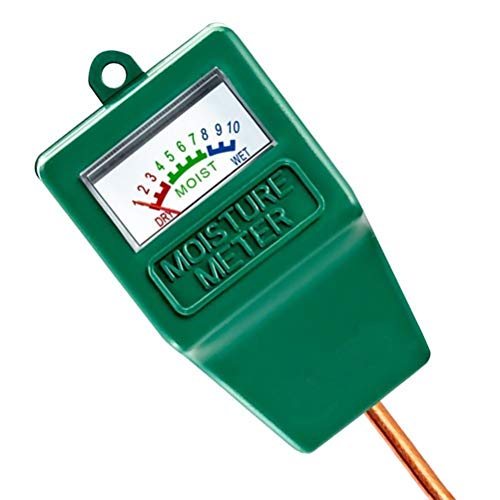
Soil Moisture Meter: This single probe soil moisture meter is specially designed for testing the moisture level in the soil, helps you decide whether the plants need water or not, helps to keep plants alive.

Kindly NOTE: This soil tester can not be applied to test pH value of any other liquid. If the soil is too dry the indicator will not move, and water it before testing.
Overwatered Plants
Overwatering becomes a common issue when you add potting soil, as it retains moisture more effectively than garden soil. Potting soil’s composition often includes materials like peat moss, which holds water. If you don’t adjust your watering schedule, plants may become waterlogged. Waterlogged conditions lead to root rot, which can kill plants quickly.
To avoid overwatering, check soil moisture regularly. Insert your finger about an inch into the soil; if it’s dry, water the plants. Consider using containers with drainage holes to prevent excess water buildup.
Nutrient Imbalance Risks
Using potting soil alone might result in a nutrient imbalance for your garden. Potting soil often contains a specific set of nutrients tailored for potted plants. When used in garden soil, it can lead to an excess or deficit of certain nutrients, affecting plant growth and health.
Carefully monitor your plants for signs of nutrient issues like yellow leaves or stunted growth. Supplement with organic fertilizers when needed, and consider soil testing to determine nutrient levels. Maintaining a balanced nutrient composition ensures all plants thrive in your garden.
Conclusion
Adding potting soil to your garden can be a game changer for your plants. With its ability to improve drainage and boost nutrient content it sets the stage for healthier growth. Just remember to mix it properly with your garden soil to get the best results.
Keep an eye on moisture levels to avoid overwatering and ensure your plants thrive. By following the tips outlined in this post you’ll be well on your way to creating a vibrant garden that flourishes season after season. Happy gardening!
Frequently Asked Questions
What is potting soil?
Potting soil, or potting mix, is a specially formulated blend designed for container gardening. It typically contains organic materials like peat moss, compost, and perlite or vermiculite, which enhance drainage, moisture retention, and airflow, promoting healthy plant growth.
How is potting soil different from garden soil?
Potting soil differs from garden soil in its nutrient density, texture, drainage capabilities, and pH levels. While potting soil is optimized for containers, garden soil may not provide the same drainage or nutrient availability needed for potted plants.
What are the benefits of using potting soil in gardens?
Using potting soil improves drainage, preventing waterlog, which supports healthy root growth. It also enhances nutrient availability, supplying essential elements that promote vigorous plant development and overall health.
When should I use potting soil?
Potting soil is ideal for container plants, seedlings, indoor plants, and orchids. It’s best used when mixing into garden beds before planting or combining with existing garden soil to enhance poor soil conditions.
What mixing techniques should I use with potting soil?
Common mixing techniques include layering, tilling, and spot mixing. These methods help integrate potting soil effectively into your garden, ensuring that plants benefit from improved moisture retention and nutrient access.
What ratios should I use when mixing potting soil with garden soil?
For optimal results, use a 1:1 ratio for container gardens, a 3:1 ratio for garden beds, and a 2:1 ratio for areas with poor soil. Adjusting these ratios can enhance plant health and growth.
What are the potential drawbacks of using potting soil?
One drawback is the risk of overwatering because potting soil retains moisture. This can lead to root rot if drainage isn’t sufficient. Additionally, using potting soil alone may cause nutrient imbalances, requiring periodic monitoring and supplementation.
How can I prevent overwatering when using potting soil?
To prevent overwatering, regularly check soil moisture levels and ensure containers have drainage holes. This helps maintain balanced moisture levels, essential for healthy root development in your plants.

I’ve always been drawn to trees.As a kid, I spent most of my free time outside, climbing, exploring, and trying to figure out the names of the trees around me.That early curiosity eventually led me to study arboriculture and horticulture at Michigan State.Later, I completed a degree in forestry at the University of Michigan.
I’ve been working in tree care and education ever since.These days, I enjoy helping people learn more about the trees in their own backyards.How they grow, how to care for them, and why they matter.You don’t need to be an expert to appreciate trees.A little curiosity goes a long way.