Have you ever wondered if mixing potting soil with garden soil is a good idea? Maybe you’ve got some leftover potting mix and a garden bed that needs a boost. It’s a common scenario for gardeners looking to save time and resources while ensuring their plants thrive.
In this article, you’ll discover the benefits and potential drawbacks of combining these two soil types. Understanding how they work together can help you create the perfect blend for your plants, leading to healthier growth and better yields. Whether you’re a seasoned gardener or just starting out, you’ll find practical tips that can enhance your gardening experience.
Key Takeaways
- Mixing Benefits: Combining potting soil and garden soil can improve drainage, enhance nutrient content, and provide better soil structure for healthier plant growth.
- Balanced Ratios: A common recommendation is to use a 1:1 ratio of potting soil to garden soil; however, this ratio can be adjusted based on the specific needs of your plants.
- Soil Testing: Conduct soil tests to check for pH levels and nutrient content before mixing, ensuring optimal conditions for plant growth.
- Weed Seed Awareness: Be cautious of potential weed seeds in garden soil; inspect and, if necessary, sterilize garden soil before mixing to reduce unwanted growth.
- Plant Type Consideration: Different plants have varying soil requirements; tailor your mix to match the specific needs of vegetables, flowers, shrubs, or trees.
- Enhanced Microbial Activity: The mixture of potting soil and garden soil fosters better microbial activity, promoting strong root systems and vibrant plant health.
Can I Mix Potting Soil and Garden Soil?
Mixing potting soil and garden soil can benefit your gardening efforts. Understanding how each type functions helps you create a balanced mix that promotes plant growth.
Recommended Products

ALL-NATURAL MIX: Burpee Organic Premium Potting Mix is formulated with plant food & coconut coir to promote seed & root growth and healthy flower, vegetable & herb plants. OMRI Listed for organic use.

HELPS REGULATE SOIL MOISTURE: Miracle-Gro Organic Indoor Potting Soil Mix is an organic potting soil that protects indoor plants against over and under watering

FEEDS UP TO 6 MONTHS: Miracle-Gro Potting Mix is a gardening soil for outdoor containers that feeds all types of potted plants, including flowers, vegetables, shrubs, annuals, and perennials for up to 6 months
Benefits of Mixing
- Improved Drainage: Potting soil often contains perlite or vermiculite, enhancing drainage. This advantage helps prevent waterlogged roots.
- Enhanced Nutrient Content: Combining potting soil, rich in nutrients, with garden soil provides plants with a broader nutrient base. This mix supports healthy growth.
- Better Structure: Garden soil can compact over time. Mixing in potting soil lightens the texture, promoting root penetration and air circulation.
Potential Drawbacks
- pH Imbalances: Each soil type may have different pH levels. Testing the mix ensures no harmful acidity or alkalinity.
- Weed Seeds: Garden soil may harbor weed seeds. Always check your garden soil before mixing to minimize unwanted growth.
Mixing Tips
- Ratio Consideration: Use a 1:1 ratio for a balanced blend. Adjust based on your plant’s needs, using more potting soil for delicate potted plants.
- Test Soil Quality: Conduct a soil test to determine nutrient levels and pH balance.
- Sterilize If Needed: If pests or diseases are a concern, sterilize your garden soil before mixing. Heat the soil in an oven at 180°F for 30 minutes.
- Gather Materials: Collect potting soil and garden soil in a large container or wheelbarrow.
- Mix Thoroughly: Use a shovel or garden fork to combine the soils until uniform in texture and color.
- Test and Adjust: After mixing, test the soil. Adjust pH with amendments like lime or sulfur if needed.
By following these tips, you can effectively mix potting soil and garden soil to enhance your gardening experience and support healthy plant growth.
Benefits of Mixing Potting Soil and Garden Soil
Mixing potting soil with garden soil offers several advantages that can enhance your gardening efforts. You’ll notice improved plant health and growth by combining these two soil types.
Improved Nutrient Availability
Mixing potting soil and garden soil increases the range of nutrients available for plants. Potting soil is often rich in organic matter and essential nutrients. Garden soil may lack some of these components. When combined, the mixture benefits from the strengths of both. You can expect better nutrient retention and enhanced microbial activity, which supports strong root systems and vibrant foliage.
Enhanced Drainage Properties
Mixing potting soil with garden soil improves drainage, preventing waterlogging and promoting healthier root growth. Potting soil typically includes materials like perlite or vermiculite, which create air pockets for better moisture control. Garden soil can sometimes compact, restricting water flow. The blend of these two soils creates a looser texture, ensuring that excess water drains properly while still maintaining moisture levels when needed. This balanced drainage is crucial for preventing root rot and encouraging robust plant development.
Considerations Before Mixing
Understanding the implications of mixing potting soil and garden soil is crucial for achieving optimal plant health. Several factors influence the effectiveness of this blend.
Recommended Products
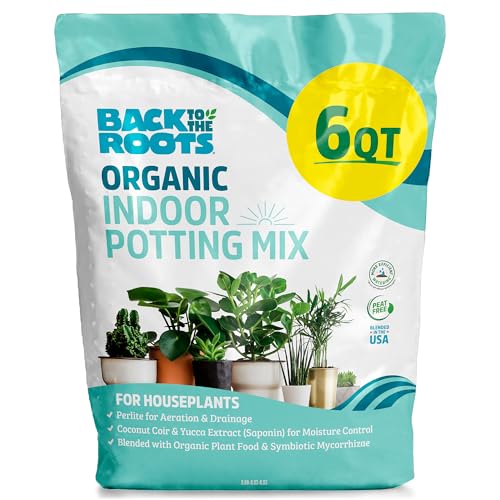
Includes 6qt of Back to the Roots Indoor Potting Mix. Our Potting Mix contains organic yucca extract that aids in retaining moisture in the soil which keeps your indoor plants happy and healthy
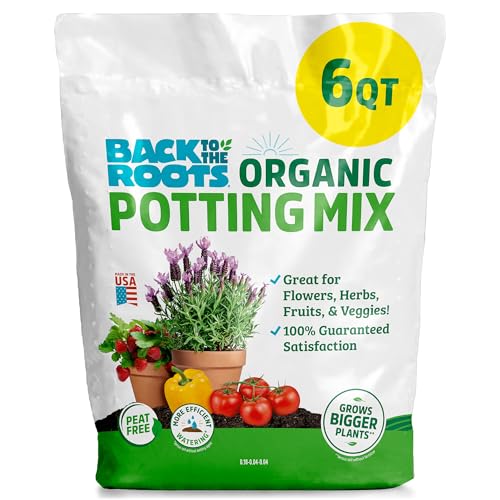
Includes 6qt of Back to the Roots Premium Blend Potting Mix. 100% Organic and Peat-Free, made from upcycled plant matter and wood fines from across the U.S. No imported peat, just better soil with a lighter carbon footprint.

INDOOR GROWING: Growing indoors is easy under the right conditions; Miracle-Gro Houseplant Potting Mix is an indoor plant potting soil that combines key elements container plants need to thrive
Plant Types and Requirements
Different plants have unique soil needs. You should consider the requirements of your specific plants before mixing.
- Vegetables: Many vegetables thrive in nutrient-rich soil. A mix can enhance nutrient availability, promoting better growth.
- Flowers: Flowering plants often benefit from a looser texture. This helps in drainage while maintaining moisture.
- Shrubs and Trees: Perennial plants like shrubs and trees may require more stable soil composition. A careful mix supports strong root development.
Always match the mix to your plants for the best results.
Soil Texture and Composition
Observing the texture and composition of both soil types helps in achieving a suitable mix.
- Potting Soil: Often lighter and more porous, potting soil enhances drainage. Its composition usually includes peat moss, vermiculite, or perlite.
- Garden Soil: Typically denser, garden soil contains more organic matter and clay. This provides better nutrient retention but can lead to compaction without proper mixing.
Creating a balance between these textures is essential. Aim for a 1:1 ratio for a blend that supports both drainage and nutrient retention. Adjust this ratio based on specific plant needs and soil characteristics.
Best Practices for Mixing Soils
Mixing potting soil with garden soil enhances the overall quality of your planting medium. Following best practices ensures a successful blend.
Recommended Products

Quick, at home results for Soil pH, Nitrogen, Phosphorous and Potash Innovative and inexpensive soil test kit features an easy-to-use capsule system and patented color comparators

Kindly NOTE: This soil tester can not be applied to test pH value of any other liquid. If the soil is too dry the indicator will not move, and water it before testing.

KNOW BEFORE YOU GROW | Grow the healthiest, sustainable lawn and garden with the most accurate and easy to use professional soil test kit on the market
Ratios and Techniques
Using the right ratios when mixing soils provides a balanced blend. A common recommendation is a 1:1 ratio of potting soil to garden soil. This mix combines the drainage qualities of potting soil with the nutrient richness of garden soil. Adjust this ratio based on the specific needs of your plants. For heavy feeders, leaning towards more potting soil may benefit them, while drought-resistant plants might prefer a higher proportion of garden soil.
To mix, follow these steps:
- Gather your materials: potting soil, garden soil, a large container or garden area for mixing, and a shovel.
- Measure equal parts of each type of soil.
- Combine the soils thoroughly in your container or garden area.
- Use a shovel to break up any clumps and ensure a uniform mixture.
Testing Soil pH and Nutrients
Before mixing, testing your soil’s pH and nutrient levels ensures that you create the right environment for your plants. Ideal pH levels range between 6.0 and 7.0 for most plants. You can test your soil either with a home testing kit or by sending a sample to a local extension service for analysis.
If your results indicate imbalances, consider the following adjustments:
- If the pH is too low (acidic), adding lime can help raise it.
- If the pH is too high (alkaline), sulfur may lower it.
To test nutrient levels:
- Use a soil test kit to determine nitrogen, phosphorus, and potassium content.
- Adjust your mix by adding fertilizers or organic matter to improve nutrient availability.
By following these steps, you can effectively create a tailored soil mix that supports plant health and growth.
Conclusion
Mixing potting soil and garden soil can be a game-changer for your garden. By combining these two types of soil, you can improve drainage and nutrient availability while creating a healthier environment for your plants. Just remember to pay attention to the specific needs of your plants and adjust the ratios accordingly.
With a little care and the right techniques, you’ll set your garden up for success. So grab that leftover potting mix and get ready to enhance your garden beds. Happy gardening!
Frequently Asked Questions
What are the benefits of mixing potting soil with garden soil?
Mixing potting soil with garden soil improves drainage, enhances nutrient content, and promotes better soil structure. It increases the availability of nutrients and supports strong root systems, leading to healthier plants. This combination also improves microbial activity and moisture balance, crucial for vibrant foliage.
Are there any drawbacks to mixing these soil types?
Potential drawbacks include pH imbalances and the presence of weed seeds from garden soil. It’s essential to test the soil quality before mixing to ensure that the blend meets the specific needs of your plants and avoids any negative effects on growth.
What is the recommended ratio for mixing potting soil and garden soil?
A 1:1 ratio of potting soil to garden soil is generally recommended. However, this ratio can be adjusted based on the specific needs of the plants you are growing, as different plants may require varying soil textures and nutrient levels.
How should I test the soil before mixing?
To test your soil, use a soil pH test kit to check the pH levels, which should ideally range from 6.0 to 7.0. Additionally, you can test for nutrient levels to ensure you’re creating an optimal environment for your plants.
What plants benefit from this soil mixture?
Vegetables, flowering plants, and perennials can benefit from the mix. Vegetables thrive in nutrient-rich soil, while flowering plants appreciate improved drainage. Perennials, like shrubs and trees, require stable soil for strong root development, making the potting and garden soil blend advantageous.

I’ve always been drawn to trees.As a kid, I spent most of my free time outside, climbing, exploring, and trying to figure out the names of the trees around me.That early curiosity eventually led me to study arboriculture and horticulture at Michigan State.Later, I completed a degree in forestry at the University of Michigan.
I’ve been working in tree care and education ever since.These days, I enjoy helping people learn more about the trees in their own backyards.How they grow, how to care for them, and why they matter.You don’t need to be an expert to appreciate trees.A little curiosity goes a long way.