Have you ever thought about growing your own vegetables but didn’t know where to start? You’re not alone. Many people dream of fresh tomatoes or crisp lettuce right from their backyard but feel overwhelmed by the process.
Key Takeaways
- Location Selection: Choose a sunny spot with well-draining soil to create the ideal environment for your vegetable garden.
- Vegetable Choice: Consider your preferences, local climate, and growing conditions when selecting easy-to-grow vegetables like tomatoes, lettuce, and zucchini.
- Bed Preparation: Use in-ground beds, raised beds, or container gardens based on your space and soil quality; amend soil with organic matter for better growth.
- Effective Planting: Decide between seeds and seedlings, providing proper spacing, depth, and watering to ensure healthy plant growth.
- Regular Maintenance: Consistent watering and proactive pest control are crucial for maintaining a thriving vegetable garden.
- Timely Harvesting: Recognize signs of ripeness and use proper harvesting techniques to ensure optimal flavor and minimize damage to your crops.
Choosing the Right Location
Selecting the right location for your garden is crucial for successfully growing vegetables. Consider factors like sunlight, soil quality, and drainage to create an ideal environment.
Sunlight Requirements
Most vegetables need at least six hours of direct sunlight daily. Observe your yard throughout the day to identify sunny spots. Areas near fences or tall trees may cast shadows, limiting sunlight exposure. For instance, tomatoes and peppers thrive in full sun, while leafy greens like spinach can tolerate partial shade. Picking a location with adequate light ensures robust growth and healthy yields.
Soil Quality and Drainage
Assess the soil quality in your chosen spot. Vegetables prefer loamy, well-draining soil rich in organic matter. Conduct a simple test by grabbing a handful of soil and squeezing it. If it retains its shape but crumbles when poked, it has good texture. Heavy clay or sandy soils can hinder plant growth. Consider adding compost or well-rotted manure to enrich the soil. Furthermore, elevated beds improve drainage, preventing waterlogging and root rot.
Selecting Vegetables to Grow
Choosing the right vegetables makes starting your garden enjoyable and successful. Consider your preferences, growing conditions, and local climate when selecting vegetables.
Recommended Products
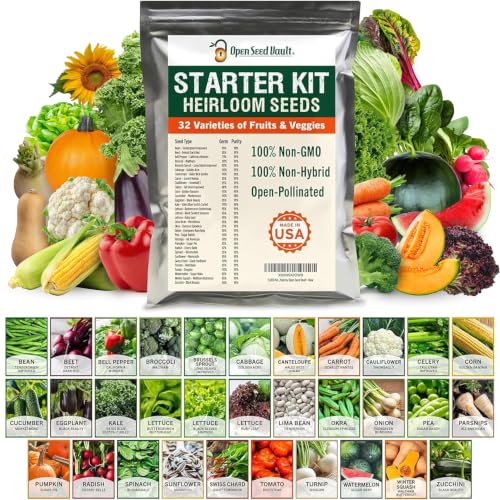
COMPLETE VEGETABLE GARDEN VARIETY PACK – Grow a thriving home garden with 32 popular vegetable seeds including Bean, Beet, Bell Pepper, Broccoli, Brussels Sprout, Cabbage, Cantaloupe, Carrot, Cauliflower, Celery, Corn, Cucumber, Eggplant, Kale, Lettuce (3 types), Lima Bean, Okra, Onion, Pea, Parsnip, Pumpkin, Radish, Spinach, Sunflower, Swiss Chard, Tomato, Turnip, Watermelon, Zucchini. A diverse mix perfect for fresh meals, backyard gardens, and sustainable growing.

Vegetable seeds variety pack: Grow 35 varieties of leafy greens, root vegetables, tomatoes, peppers, beans, peas, squash, melons, and more. Includes 16,000+ vegetable seeds for planting outdoors in raised beds, garden rows, or containers.

Each pack includes 15 varieties of heirloom vegetable seeds that are carefully selected for quality, ensuring a natural and sustainable gardening experience.
Popular Vegetable Choices for Beginners
- Tomatoes: Tomatoes thrive in sunny spots and are easy to grow in containers. Choose varieties like cherry or Roma for quick results.
- Lettuce: Lettuce grows quickly and can be harvested multiple times. Opt for leaf varieties for a continuous supply.
- Carrots: Carrots require minimal maintenance once planted. Use loose, sandy soil for optimal growth.
- Radishes: Radishes mature in about 30 days, making them perfect for beginners. They’re also tolerant of cooler weather.
- Zucchini: Zucchini produces abundant fruit. Plant two or three plants for a steady harvest through the summer.
- Spring Planting: Start cool-season vegetables like peas and spinach in early spring. These plants tolerate frost, so don’t wait too long to plant.
- Summer Planting: Warm-season vegetables, including tomatoes and peppers, should be started after the last frost date. Provide plenty of sunlight for best results.
- Fall Planting: Consider planting a late crop of greens or root vegetables in late summer for a fall harvest.
By aligning your vegetable choices with your growing schedule and local conditions, you create a thriving garden that meets your needs.
Preparing Your Garden Bed
Preparing your garden bed sets the foundation for a successful vegetable garden. You’ll create an ideal environment for your plants with the right bed type and effective soil preparation.
Types of Garden Beds
- In-Ground Beds: Ideal for large vegetable gardens, in-ground beds involve tilling and amending existing soil. They provide ample space for plant roots but require good drainage and quality soil.
- Raised Beds: These beds raise soil levels above ground, making it easier to manage soil quality and drainage. Construct raised beds using wood, bricks, or stone. Fill them with a mix of quality soil and organic matter.
- Container Gardens: Perfect for limited spaces, containers allow for gardening on patios or balconies. Choose appropriate sizes for your plants, ensuring they have adequate drainage holes.
- Vertical Gardens: Space-saving and decorative, vertical gardens utilize wall space to grow vegetables. Use wall-mounted planters or trellises to support climbing plants like cucumbers or beans.
- Testing Soil: Start by testing your soil to determine its pH and nutrient content. Home testing kits are widely available. Adjustments can be made based on test results.
- Amending Soil: Improve soil quality by adding organic matter like compost or well-rotted manure. This enhances nutrient levels and promotes beneficial microorganisms.
- Tilling Soil: Loosen compacted soil by tilling it 12 to 15 inches deep, which improves aeration and drainage. Incorporate organic amendments while tilling for better results.
- Leveling the Bed: Rake the soil surface to create a level bed that ensures even water distribution. Avoid low spots where water can pool and create drainage issues.
- Mulching: Once planting is complete, apply a layer of mulch around plants to retain moisture and suppress weeds. Organic mulches, such as straw or wood chips, also enrich the soil as they break down.
Implementing these garden bed preparations fortifies the foundation of your vegetable garden, allowing your plants to thrive.
Planting Your Vegetables
Planting vegetables is a rewarding step in creating your garden. Understanding how to choose between seeds and seedlings, as well as adopting the right planting techniques, sets the groundwork for a fruitful harvest.
Seed vs. Seedling
Deciding between seeds and seedlings impacts your planting experience.
- Seeds: Growing from seeds is economical and offers a wider variety of vegetables. Start seeds indoors six to eight weeks before the last frost date to give them a head start. For best results, use seed trays or biodegradable pots with seed-starting mix that retains moisture.
- Seedlings: Purchasing seedlings is convenient and often results in faster yields. Choose healthy, sturdy plants that have no signs of disease. Transplant seedlings outdoors after the last frost, ensuring they fit your garden’s conditions.
Planting Techniques
Implementing effective planting techniques promotes healthy vegetable growth.
- Spacing: Follow seed packet instructions for spacing, ensuring each plant has enough room to grow. Crowded plants compete for nutrients and sunlight.
- Depth: Plant seeds at the recommended depth based on their size. Small seeds need shallow planting, while larger seeds require deeper placement.
- Watering: Water lightly after planting and maintain consistent moisture. Avoid over-watering, which can cause rot.
- Mulching: Apply a layer of organic mulch around plants after they sprout to retain moisture, suppress weeds, and regulate soil temperature.
- Support: For climbing vegetables like tomatoes and cucumbers, add support structures early. Use stakes, cages, or trellises to keep plants upright and healthy.
These planting choices and techniques create a strong foundation for your vegetable garden, ensuring you enjoy a bountiful harvest.
Maintenance Tips for Your Garden
Regular maintenance keep your garden healthy and productive. Focus on watering and pest control to ensure a bountiful harvest.
Watering Practices
Water consistently to support healthy vegetable growth. Most vegetables require one inch of water per week, either from rainfall or irrigation.
Use these tips for effective watering:
- Water early in the morning or late in the evening to minimize evaporation.
- Apply water directly to the soil, avoiding the leaves to reduce disease risk.
- Use a soaker hose or drip irrigation for uniform moisture delivery.
- Check soil moisture by digging a few inches down; if it’s dry, it’s time to water.
Pest Control Strategies
Manage pests proactively to protect your crops. Regular inspections help catch issues early.
Implement these strategies:
- Introduce beneficial insects like ladybugs or lacewings to control harmful pests naturally.
- Use row covers to protect young plants from insects without chemicals.
- Rotate crops yearly to disrupt pest life cycles and improve soil health.
- Apply organic pesticides, such as neem oil, sparingly and according to label instructions.
These maintenance practices support robust vegetable growth and a thriving garden.
Harvesting Your Vegetables
Harvesting your vegetables at the right time ensures optimal flavor and texture. Knowing how to recognize ripeness and the proper techniques for harvesting is essential for a successful garden.
Signs of Ripeness
Identifying the right time to harvest varies by vegetable type. Here are key signs for common vegetables:
- Tomatoes: Look for a full color change. They should be vibrant red or yellow, depending on the variety.
- Lettuce: Check for crisp, well-formed leaves. Harvest when they feel firm and before they bolt.
- Carrots: Gently brush away the soil and check the size. A diameter of about half an inch indicates they’re ready.
- Radishes: Harvest when they reach about 1 inch in diameter. They should feel firm and smooth.
- Zucchini: Pick when they are around 6 to 8 inches long. Younger zucchini is more tender and flavorful.
Always refer to specific guidelines based on plant variety for the best results.
Proper Harvesting Techniques
Using the right techniques makes harvesting easier and helps avoid damage to your plants. Consider these effective methods:
- Use Clean Tools: Sterilize scissors or garden shears before use. Clean tools prevent disease spread.
- Cut, Don’t Pull: For leafy greens and herbs, cut stems near the base. Pulling can stress the plant.
- Gently Twist for Fruits: For fruits like tomatoes or peppers, twist gently to detach them from the vine, which minimizes damage.
- Avoid Overripe Harvest: Overripe vegetables can attract pests or diseases. Regularly check your garden to catch them first.
- Handle with Care: Place harvested vegetables gently in baskets to avoid bruising, especially for delicate varieties like tomatoes.
Following these techniques ensures your vegetables remain healthy and intact, ready for your kitchen.
Conclusion
Starting your own vegetable garden can be a rewarding adventure. With a little planning and care you can enjoy fresh produce right from your backyard. Remember to choose the right spot for your garden and pay attention to soil quality.
Select vegetables that you love and that suit your growing conditions. Don’t forget to prepare your beds properly and keep up with maintenance to ensure a healthy harvest.
Harvesting at the right time will make all your hard work worth it. So grab your gardening tools and get started on this exciting journey. Your taste buds will thank you!
Frequently Asked Questions
What are the basic steps to start a vegetable garden?
To start a vegetable garden, choose a sunny location with good soil drainage. Test and amend the soil as needed, select easy-to-grow vegetables, prepare your garden bed, and either sow seeds or plant seedlings according to the appropriate schedule. Finally, implement regular maintenance practices like watering and pest control.
How much sunlight do vegetables need to thrive?
Most vegetables require at least six hours of direct sunlight per day. Observing your garden area during different times of the day can help you identify the sunniest spots for planting.
What type of soil is best for growing vegetables?
Loamy, well-draining soil rich in organic matter is ideal for vegetable growth. Conduct a soil test to assess pH and nutrient levels, and consider adding compost or well-rotted manure to enhance soil quality.
When should I plant cool-season and warm-season vegetables?
Cool-season vegetables like peas and spinach are best planted in early spring. Warm-season vegetables, such as tomatoes and peppers, should be sown after the last frost. Late summer is perfect for planting fall crops like greens or root vegetables.
What types of garden beds can I use for vegetables?
You can choose from various garden beds, including in-ground beds, raised beds, container gardens, and vertical gardens. Each type suits different spaces and gardening needs, so select the one that fits your available area.
Should I grow vegetables from seeds or seedlings?
Growing from seeds is cost-effective and offers a variety of options, while seedlings provide convenience and quicker yields. Choose based on your experience level, desired variety, and time constraints.
How often should I water my vegetable garden?
Generally, aim to water your garden with about one inch of water per week. Early morning or late evening watering, along with techniques like soaker hoses or drip irrigation, can ensure proper moisture levels.
How can I control pests in my vegetable garden?
Implement proactive pest control measures like introducing beneficial insects, using row covers, rotating crops, and applying organic pesticides as needed. Inspect plants regularly to catch issues early.
How do I know when to harvest my vegetables?
Look for key signs of ripeness, such as vibrant color for tomatoes and firm leaves for lettuce. Knowing the specific harvest indicators for each vegetable will help ensure optimal flavor and texture.
What are the best practices for harvesting vegetables?
Use clean tools when harvesting, cut leafy greens instead of pulling them, and handle the harvested vegetables gently to avoid bruising. Following these techniques will help keep your garden’s produce healthy.

I’ve always been drawn to trees.As a kid, I spent most of my free time outside, climbing, exploring, and trying to figure out the names of the trees around me.That early curiosity eventually led me to study arboriculture and horticulture at Michigan State.Later, I completed a degree in forestry at the University of Michigan.
I’ve been working in tree care and education ever since.These days, I enjoy helping people learn more about the trees in their own backyards.How they grow, how to care for them, and why they matter.You don’t need to be an expert to appreciate trees.A little curiosity goes a long way.