Are pesky weeds taking over your garden and stealing the spotlight from your beautiful plants? You’re not alone. Many gardeners face this frustrating challenge, and it can feel overwhelming when those stubborn invaders seem to pop up overnight.
Key Takeaways
- Understand Weed Types: Familiarize yourself with the different types of weeds—annual, perennial, and biennial—to implement effective prevention strategies tailored to each.
- Pre-Planting Preparation: Proper soil preparation and selecting suitable plants can significantly reduce weed growth and competition with your garden plants.
- Utilize Mulching Techniques: Applying a thick layer of organic mulch acts as a barrier against sunlight, suppressing weed germination while benefiting soil health.
- Regular Maintenance: Consistent monitoring and maintenance of your garden help in early weed detection and prevention, ensuring a healthier growing environment.
- Explore Organic Methods: Incorporating organic weed control methods, such as hand-pulling, boiling water, and vinegar, can effectively manage weed populations without harming your garden.
- Careful Herbicide Use: If opting for chemical solutions, understand their pros and cons, follow safe application practices, and consider environmental impacts to maintain a balanced garden ecosystem.
Understanding Weeds
Weeds compete with your plants for nutrients, light, and water. Understanding their nature simplifies prevention strategies.
Types of Weeds
- Annual Weeds: These weeds complete their lifecycle in one season. Common examples include crabgrass and pigweed. They germinate, grow, flower, and die within a year.
- Perennial Weeds: Perennial weeds return year after year. Dandelions and bindweed are typical species. They can regenerate from roots, seeds, or stem fragments.
- Biennial Weeds: These weeds live for two years. In the first year, they grow foliage; in the second, they produce seeds. Plantain and burdock are common biennial weeds.
- Favorable Conditions: Weeds often flourish in disturbed soils, like freshly tilled garden beds. They quickly fill empty spaces where cultivated plants are absent.
- Adaptability: Weeds adapt better than ornamental plants. They germinate quickly, tolerate poor soil, and resist pests and diseases.
- Seed Production: Weeds produce numerous seeds, often dispersing them over wide areas. Some can generate thousands of seeds per plant, amplifying their spread.
- Lack of Maintenance: Neglected gardens allow weeds to establish. Regular care, like mulching and watering, reduces their chances to take root in your garden.
Pre-Planting Strategies
Implementing effective pre-planting strategies significantly reduces weed growth in your garden. Below are two essential practices to consider before you start planting.
Recommended Products

Natural Cedar; Use with your outdoor and indoor plants; will hold moisture in! THIS IS A 4 QUART SIZE OF CEDAR CHIPS

Compressed Block Replaces Heavy Bags: No more heavy, messy, bulky bags—this compressed block is easy to carry, store, and handle. Just add water and it expands in minutes into ready-to-use mulch for fast, simple application

Soil Preparation
Proper soil preparation is crucial for preventing weeds. Start by removing existing weeds and their roots. Tools like hoes or hand-pullers simplify this process. After clearing the area, till the soil to improve aeration and drainage. Add organic matter such as compost or aged manure to enhance soil quality. This enriches nutrients for your plants, minimizing competition from weeds. Applying a layer of mulch, like wood chips or straw, suppresses weed growth, retains moisture, and regulates soil temperature.
Choosing the Right Plants
Selecting the right plants can help inhibit weed growth. Opt for native or drought-resistant plants that are well-suited to your local climate. These plants often outcompete weeds for resources. Group plants with similar watering and sunlight requirements for optimal growth. Consider using ground covers like creeping thyme or clover, which spread and cover bare soil, blocking sunlight and limiting weed growth. Create diversity in your garden by planting a variety of species; this promotes a healthier ecosystem and reduces the likelihood of weeds establishing themselves.
Preventative Techniques
Preventing weeds from taking over your garden requires proactive measures. By implementing effective techniques, you can minimize their growth and protect your plants.
Recommended Products

Professional Grade Weed Barrier: LAVEVE weed barrier fabric is made of woven polypropylene material. Its high-density and permeable characteristics effectively stop weed growth and protect soil health so your plants can grow well.

WHAT'S IN THE BOX: One 3 ft x 50 ft non-woven roll covering 150 sq ft, plus 20 steel landscape pins

Secure Landscape Fabric and Weed Barriers with Confidence: Keep landscape fabric, weed barriers, ground cover, garden netting, and erosion control materials firmly anchored to the soil. The 6-inch length provides a stronger hold than shorter staples, helping prevent lifting, shifting, or movement caused by wind, rain, watering, pets, or routine yard maintenance. Ideal for both new landscaping installations and seasonal garden projects.
Mulching
Mulching forms a barrier that blocks sunlight, preventing weed seeds from germinating. You can use organic mulches, like wood chips or straw, which decompose over time and enrich the soil. Apply a layer of mulch 2-3 inches thick around your plants, ensuring it doesn’t touch their stems. This moisture-retaining layer not only suppresses weeds but also promotes healthy soil conditions. Replenish your mulch as it breaks down.
Using Landscape Fabric
Landscape fabric acts as a weed barrier while allowing air and water to reach the soil. Lay the fabric over your garden beds before planting, cutting slits for your desired plants. Secure the fabric with stakes or landscape pins to keep it in place. This technique inhibits weed growth and reduces the need for constant maintenance. When using landscape fabric, remember to cover it with mulch to enhance its effectiveness and aesthetic appeal.
Maintenance Tips
Regular upkeep helps keep weeds at bay. Stay vigilant and implement the following practices to maintain a healthy garden.
Regular Care and Monitoring
Inspect your garden at least once a week for signs of weeds. Catching them early prevents spread. Remove weeds by hand or with a hoe, ensuring you pull them out completely, including the roots. Water your plants deeply but infrequently; this promotes stronger root systems while discouraging weed growth. Rotate crops annually to avoid depleting soil of nutrients, which can encourage weedy species to thrive. Additionally, stay aware of seasonal weed patterns to better target your maintenance efforts.
Organic Weed Control Methods
Utilize organic methods to keep your garden weed-free. Hand-pulling remains one of the most effective strategies, especially in smaller gardens. Employ boiling water; pouring it directly onto weeds kills them instantly. Vinegar serves as another useful solution; its high acidity can eliminate many types of weeds. For larger areas, spread corn gluten meal before weeds germinate; it acts as a natural pre-emergent herbicide. Ideas for mulching include using grass clippings, wood chips, or straw, which block light and provide nutrients as they break down. These methods not only control weeds but also enhance the health of your garden soil.
Chemical Solutions
Chemical solutions offer effective options for managing weed growth in your garden. Using herbicides can control weeds efficiently, but understanding their pros and cons is essential.
Recommended Products

KILLS WEEDS AND GRASSES: Use on driveways and walkways, and around fences, trees, flower beds, shrubs and other listed areas

Ortho 0438580 Grass B Gon Garden Grass Killer Ready-to-Use, 24-Ounce
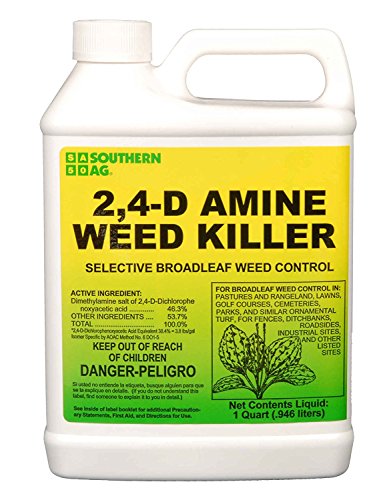
Low, economical use rate of 1 to 4 pints per acre
Herbicides: Pros and Cons
Pros:
- Rapid Results: Herbicides provide quick relief from weeds. You can see noticeable changes within days.
- Targeted Action: Selective herbicides target specific weed types, minimizing harm to desired plants.
- Ease of Use: Many herbicides come ready to use or with simple application instructions.
Cons:
- Environmental Impact: Some chemicals can adversely affect soil health, water sources, and local wildlife.
- Resistance Development: Over time, weeds may develop resistance to specific herbicides, reducing their effectiveness.
- Health Risks: Improper handling can pose risks to your health, necessitating caution during application.
Application Best Practices
Correct application enhances herbicide efficacy and minimizes risks. Follow these best practices:
- Read Labels: Always check the product label for instructions. Understand dosage, application timing, and safety precautions.
- Apply at the Right Time: Target young, actively growing weeds for the best results. Early spring or late summer often proves effective.
- Use Appropriate Equipment: Invest in a sprayer or applicator suited for your garden size. Precision tools promote accurate application.
- Wear Protective Gear: Use gloves, goggles, and masks to protect yourself during herbicide application.
- Watering Strategy: Avoid watering immediately after application. This helps the herbicide to penetrate the leaves and roots effectively.
- Keep Pets and People Away: Restrict access to treated areas for 24-48 hours to ensure safety.
By understanding the specifics of chemical solutions, you can manage weeds effectively while protecting your garden and the environment.
Conclusion
Keeping weeds at bay in your garden doesn’t have to be a daunting task. By combining prevention techniques with regular maintenance you can create a thriving environment for your plants. Remember that a little effort goes a long way in maintaining a beautiful garden.
Whether you choose organic methods or opt for chemical solutions make sure to stay informed and choose what works best for you. With the right strategies in place you’ll enjoy a weed-free garden that showcases the beauty of your hard work. Happy gardening!
Frequently Asked Questions
What are the types of weeds discussed in the article?
Weeds are categorized into three types: annual weeds (like crabgrass and pigweed), perennial weeds (such as dandelions and bindweed), and biennial weeds (including plantain and burdock). Understanding these categories helps gardeners identify and manage them more effectively.
What conditions favor weed growth in gardens?
Weeds thrive in disturbed soils, where they can easily access nutrients, light, and water. Additionally, their prolific seed production contributes to rapid growth, making regular maintenance essential for managing their presence.
How can I prevent weeds before planting?
Preventing weeds starts with proper soil preparation, applying a layer of mulch, and selecting the right plants. These strategies create unfavorable conditions for weeds and help maintain the beauty of your garden.
What are some organic methods for weed control?
Organic weed control includes hand-pulling weeds and using natural herbicides made from plant-based ingredients. These methods are environmentally friendly and can be effective with regular maintenance.
What are the pros and cons of using herbicides?
Herbicides provide quick results and targeted action, but they also carry risks, including environmental impact, health concerns, and potential resistance development. Careful consideration and best practices are crucial when using chemical solutions.
How often should I check my garden for weeds?
It’s advisable to conduct weekly inspections of your garden to spot and remove weeds promptly. Regular monitoring helps prevent weeds from establishing and competing with your cultivated plants.
What are the best practices for applying herbicides?
Key practices include reading the label thoroughly, applying at the right time, using suitable equipment, wearing protective gear, and ensuring safety by keeping pets and people away from treated areas. Proper application maximizes effectiveness while reducing risks.

I’ve always been drawn to trees.As a kid, I spent most of my free time outside, climbing, exploring, and trying to figure out the names of the trees around me.That early curiosity eventually led me to study arboriculture and horticulture at Michigan State.Later, I completed a degree in forestry at the University of Michigan.
I’ve been working in tree care and education ever since.These days, I enjoy helping people learn more about the trees in their own backyards.How they grow, how to care for them, and why they matter.You don’t need to be an expert to appreciate trees.A little curiosity goes a long way.