Are those pesky weeds taking over your garden? You’re not alone. Many gardeners face the same struggle, watching their hard work get overshadowed by unwanted plants. The good news is you don’t have to rely on harsh chemicals to reclaim your space.
Key Takeaways
- Understanding Weeds: Identify common garden weeds such as dandelions, crabgrass, and bindweed to manage them effectively and minimize their impact on your plants.
- Natural Control Methods: Utilize organic methods like mulching and hand-pulling to control weed growth without chemicals, promoting a healthier garden ecosystem.
- Homemade Solutions: Use vinegar and salt as natural weed killers by creating simple homemade solutions to eliminate unwanted plants safely.
- Soil Health: Enhance soil fertility by adding organic matter, testing pH levels, and practicing crop rotation to naturally suppress weed growth.
- Companion Planting: Implement companion planting strategies to pair plants that benefit each other, effectively reducing weed competition and promoting overall garden health.
Understanding Garden Weeds
Garden weeds, often uninvited guests, compete with your plants for nutrients, light, and water. Identifying them and understanding their impact helps in managing them effectively.
Types of Common Garden Weeds
- Dandelions: Recognizable by their yellow flowers and jagged leaves, dandelions thrive in various soil conditions. Their deep roots make them challenging to remove completely.
- Crabgrass: This annual grass appears in clumps, especially in disturbed soil. It spreads quickly, taking critical resources from your desirable plants.
- Chickweed: This low-growing weed has small white flowers and smooth, oval leaves. It flourishes in cooler months, often establishing before your garden plants.
- Bindweed: A climbing perennial, bindweed wraps around desired plants, hindering their growth. Its white or pink trumpet-shaped flowers make it visually deceiving.
- Purslane: Purslane features succulent, fleshy leaves and yellow flowers. It’s often found in warmer climates, taking over garden beds with ease.
The Impact of Weeds on Garden Health
Weeds deplete soil nutrients, reducing the growth potential of your garden plants. They absorb water and sunlight, causing stress to your flowers and vegetables. Weeds also serve as hosts for pests and diseases, further threatening your garden’s health. For example, purslane can attract aphids, while bindweed may harbor harmful insects that invade nearby plants.
Managing weeds promptly prevents these negative effects. Regular weeding and mulching provide a robust defense against weed reinfestation and promote a thriving garden environment.
Natural Weed Control Methods
Eliminating weeds naturally bolsters your garden’s health. Several effective methods exist, including mulching and hand-pulling.
Recommended Products

NON-SELECTIVE WEED CONTROL - For use on non-selective herbaceous broadleaf and grassy weeds. Read the label for specific annual broadleaf weeds, perennial broadleaf weeds, annual grasses, and perennial grasses to be treated.
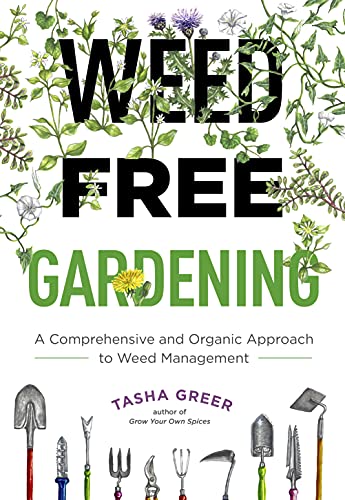

NON-SELECTIVE WEED CONTROL - For use on non-selective herbaceous broadleaf and grassy weeds. Read the label for specific annual broadleaf weeds, perennial broadleaf weeds, annual grasses, and perennial grasses to be treated.
Mulching Techniques
Mulching involves covering the soil with materials that suppress weeds. Use organic materials like straw, wood chips, or shredded leaves. Aim for a thickness of 2-4 inches to block sunlight. Grass clippings and shredded newspaper work well too. Besides suppressing weeds, mulch retains soil moisture and enhances the soil as it decomposes. Replenish the mulch annually for maximum effectiveness.
Hand Pulling Weeds
Hand pulling is an effective, chemical-free method. For best results, pull weeds after a rain. Moist soil makes removing roots easier. Grasp the weed near the base and pull firmly but gently. Ensure you remove the entire root to prevent regrowth. Consider using a weeding tool for tougher weeds. Dispose of pulled weeds in a compost bin or yard waste bag to avoid spreading seeds. Regularly inspect your garden for new weeds, aiming for a routine of weekly checks.
Homemade Weed Killers
Homemade weed killers provide effective solutions to manage weeds naturally. You can create these treatments using common household ingredients.
Recommended Products

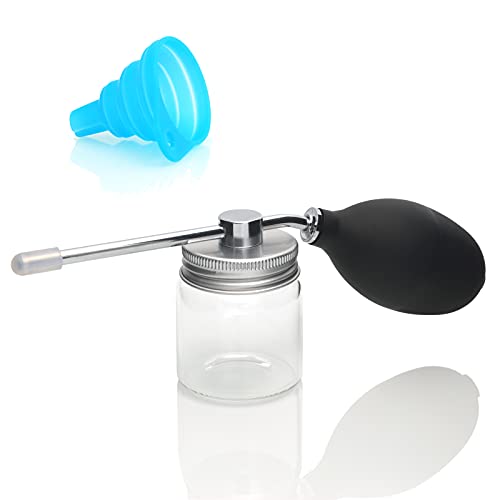
Special Design: The container of bulb duster designed to be separated from the air bulb, air turbulence makes the dust mix evenly, reducing the possibility of clogs. The pipe of bulbous duster distributes the powder evenly, easily and efficiently, a relatively stable stream of powder at different pointing angles. Screw top lid and funnel for easy filling and end cap to prevent powder leakage
Vinegar as a Weed Suppressant
Vinegar acts as a powerful weed suppressant due to its acetic acid content. For best results, use distilled white vinegar with a 5% acidity level.
- Mix the Solution: Combine vinegar with water in a spray bottle, using a 1:1 ratio.
- Add Dish Soap: Include a few drops of dish soap to help the vinegar stick to the leaves.
- Apply: Spray the mixture directly on the leaves of unwanted weeds on a sunny day. The heat from the sun enhances the vinegar’s effectiveness.
- Monitor Results: Check the weeds after 24 hours. If necessary, reapply to stubborn plants.
Be cautious with this method, as vinegar can harm desirable plants too.
Salt Solutions for Weed Management
Salt serves as another effective natural weed killer. Its hygroscopic properties draw moisture from plants, leading to their demise.
- Prepare a Salt Solution: Mix 3 parts salt with 1 part water. For stronger control, use more salt but avoid over-concentration to prevent soil damage.
- Transfer to a Spray Bottle: Pour the mixture into a spray bottle for easy application.
- Target Weeds: Spray the solution on the leaves and close to the roots of weeds. Avoid contact with surrounding plants, as salt can alter soil quality.
- Rinse: If overspray occurs, gently rinse affected plants with water to minimize damage.
Use salt sparingly, as excessive application can reduce soil fertility.
These homemade solutions offer effective alternatives to chemical herbicides, allowing for environmentally friendly weed management.
Preventative Measures
Implementing preventative measures helps maintain a weed-free garden. By focusing on soil health and strategic planting choices, you can discourage weed growth naturally.
Recommended Products

100% Organic & Peat-Free: Our compost mix is 100% organic & peat-free. Peat is one of Mother Nature’s most important stores of carbon. Instead of imported peat, the base of our soils is made from upcycled plant matter or wood fines from the United States!

Feed the soil not the plants - stimulate microbial activity in your soil and boost probability of success with all types of plants… like composting but faster

Nutrient-Rich Organic Compost for Healthy Soil: Support stronger plant growth with this premium organic compost made from dairy cow manure. This all purpose soil amendment helps replenish essential nutrients often depleted after harvests, making it ideal for vegetable gardens, fruit trees, flowers, lawns and container plants.
Promoting Healthy Soil
Healthy soil promotes strong plant growth and minimizes weed invasions. Here are key practices for nurturing your soil:
- Add Organic Matter: Incorporate compost or well-rotted manure into your soil. This boosts nutrients and improves soil structure.
- Test Soil pH: Test your soil to ensure it has the right pH level for desired plants. Most plants thrive in slightly acidic to neutral soil (pH 6-7).
- Rotate Crops: Practice crop rotation to enhance nutrient diversity. Changing plant families each season prevents specific weeds from establishing.
- Aerate Soil: Aerating soil improves drainage and promotes root development. Use a garden fork or aerator to loosen compacted soil.
Companion Planting for Weed Suppression
Companion planting involves pairing plants that benefit each other, including reducing weed populations. Here are examples of effective combinations:
- Basil and Tomatoes: Basil repels pests while complementing tomato growth, reducing space for weeds.
- Marigolds and Vegetables: Marigolds deter nematodes and other pests, allowing vegetable plants to flourish and outcompete weeds.
- Clover and Vegetables: Clover acts as a ground cover, preventing weed growth while fixing nitrogen in the soil for other plants.
Consider adding specific companion plants that fit your garden’s layout and climate. This method not only supports plant health but also inhibits the space for weeds to thrive.
Conclusion
With a little effort and the right techniques you can keep your garden weed-free naturally. Embracing methods like mulching and hand-pulling not only helps manage those pesky invaders but also boosts your garden’s overall health. Homemade weed killers made from simple ingredients can be effective and safe for your plants.
Don’t forget the power of prevention. By nurturing your soil and making smart planting choices you can create an environment that discourages weeds from taking root. Regular checks and a proactive approach will ensure your garden remains a vibrant and thriving space. Enjoy your gardening journey and watch your plants flourish!
Frequently Asked Questions
What are the common types of garden weeds?
Common garden weeds include dandelions, crabgrass, chickweed, bindweed, and purslane. Each type has unique characteristics and can challenge garden health by competing for nutrients, water, and sunlight. Understanding these weeds helps in effective management.
How do weeds affect my garden’s health?
Weeds deplete soil nutrients, absorb necessary water, and block sunlight from reaching your plants. They can also harbor pests and diseases, potentially harming the overall health of your garden. Prompt weed management is essential for optimal plant growth.
What are effective natural methods to control weeds?
Natural methods for weed control include mulching and hand-pulling. Mulching involves covering the soil with materials to suppress weed growth, while hand-pulling is best done when the soil is moist to ensure complete root removal.
How can I make homemade weed killers?
You can make a simple homemade weed killer using vinegar mixed with water and a few drops of dish soap. Apply it on sunny days for maximum effectiveness. Salt solutions can also kill weeds; just be cautious to avoid harming surrounding plants.
What preventative measures can I take to avoid weeds?
Maintaining soil health is key. Add organic matter, test the pH, rotate crops, and aerate the soil. Companion planting with certain crops also helps minimize weed growth by occupying space and resources that weeds would otherwise use.
How often should I check for weeds in my garden?
Regular inspections are encouraged, ideally on a weekly basis. Early detection and timely removal of new weeds can prevent them from spreading and taking over your garden, ensuring your plants thrive.

I’ve always been drawn to trees.As a kid, I spent most of my free time outside, climbing, exploring, and trying to figure out the names of the trees around me.That early curiosity eventually led me to study arboriculture and horticulture at Michigan State.Later, I completed a degree in forestry at the University of Michigan.
I’ve been working in tree care and education ever since.These days, I enjoy helping people learn more about the trees in their own backyards.How they grow, how to care for them, and why they matter.You don’t need to be an expert to appreciate trees.A little curiosity goes a long way.