Are you wondering when to start planting your fall garden? As summer winds down, many gardeners face the challenge of timing their crops just right. It can be tough to know when to get those seeds in the ground for a bountiful autumn harvest.
Getting your fall garden started at the right time can make all the difference in what you’ll enjoy on your dinner table. This article will guide you through the key factors to consider, helping you maximize your harvest and enjoy fresh produce well into the cooler months. Whether you’re a seasoned gardener or just starting out, you’ll find practical tips to ensure your fall garden thrives.
Key Takeaways
- Timing is Crucial: Plant cool-season crops like kale and spinach six to eight weeks before your area’s first frost date for optimal growth and harvest.
- Ideal Crop Selection: Choose hardy vegetables such as Brussels sprouts, broccoli, and carrots that thrive in cooler temperatures and enhance your fall garden’s productivity.
- Soil Preparation: Ensure your soil has a pH between 6.0 and 7.0 by amending it with compost and maintaining good drainage to support healthy plant growth.
- Consistent Care: Regularly monitor soil moisture and utilize mulching techniques to retain moisture and maintain temperature as fall approaches.
- Pest Management: Stay proactive in pest control by inspecting plants frequently and using natural remedies to protect beneficial insects while safeguarding your crops.
- Harvest Timing: Harvest leafy greens from the outer leaves first and follow the maturity guidelines for root vegetables to ensure peak freshness and longevity.
Understanding Fall Gardening
Fall gardening requires careful consideration of timing and plant selection. You want to plant seeds at the right moment to ensure a successful harvest before the frost. Knowing your average first frost date is crucial. For most areas, this date falls between mid-September and late October.
Ideal Planting Times
- Cool-Season Crops: These include kale, spinach, and carrots. Plant them about six to eight weeks before your first frost. For example, if your first frost is on October 15, aim to plant these crops by early September.
- Root Vegetables: Radishes and turnips thrive in cooler weather. They can be sown even a month before the frost, making them great last-minute additions to your garden.
Choosing the Right Plants
You should select plants that can withstand cooler temperatures. Some hardy varieties flourish in autumn, such as:
- Brussels Sprouts: Best planted in late summer, they taste sweeter after a frost.
- Broccoli: Sow seeds in late July for a fall harvest.
- Garlic: Plant in October for a spring harvest.
Soil Preparation
Preparing your soil ahead of time enhances growth. Ensure proper drainage and amend with compost to enrich the soil. Testing your soil’s pH can also lead to better results. Aim for a pH of 6.0 to 7.0 for optimal plant health.
Watering and Maintenance
Monitoring moisture is vital as temperatures drop. Water your garden consistently, ensuring roots receive enough hydration. Mulching helps retain soil moisture and regulates temperature during cool nights.
Pest Management
Pests can still be an issue in the fall. Inspect your plants regularly for signs of trouble. Natural remedies like neem oil can help keep pests at bay without harming beneficial insects.
Harvesting
Know when to harvest for peak freshness. For leafy greens, pick leaves from the outside, allowing the center to continue growing. Root vegetables should get harvested when they’re mature, as they store well over the winter.
By understanding these key aspects of fall gardening, you can enjoy a bountiful harvest as summer fades.
Ideal Planting Times
Planting a fall garden requires attention to timing based on climate conditions and regional specifics. Knowing when to plant helps ensure a successful harvest.
Recommended Products


High Germination Mustard Seeds: Premium mustard seeds for planting with 85–95% germination. Curly mustard green seeds sprout in 7–14 days in cool soil, ideal for gardens, containers, and fall vegetable beds.
Climate Considerations
Climate directly affects planting schedules. In cooler climates, aim to plant cool-season crops like kale and spinach six to eight weeks before your area’s first frost. If your region experiences milder weather, you can extend this planting window by a week or two. For example, in zones with late first frosts, you can plant root vegetables like carrots and radishes into early October. Monitoring daily temperatures also helps; ideal planting temperatures usually range from 50°F to 75°F.
Regional Differences
Regional variations play a significant role in determining ideal planting times. Here’s a quick guide based on USDA hardiness zones:
| USDA Zone | Typical First Frost Date | Recommended Planting Time |
|---|---|---|
| 3 | Mid-September | Late July to mid-August |
| 4 | Late September | Early to mid-August |
| 5 | Early October | Mid-August to early September |
| 6 | Mid-October | Late August to mid-September |
| 7 | Late October | Early to mid-September |
Adjust your planting dates according to your local zone. Knowing your specific conditions helps you choose the right timing and crops, allowing you to enjoy a bountiful fall harvest.
Choosing the Right Crops
Selecting suitable crops for your fall garden depends on several factors, including your local climate and the first frost date. Choosing the right vegetables maximizes your chances for a successful harvest.
Recommended Products
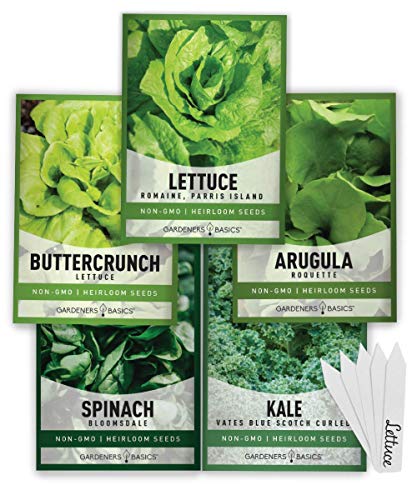
Five leafy greens varieties: Plant Parris Island romaine lettuce seeds, Buttercrunch lettuce seeds, Roquette arugula seeds, Vates Blue Scotch Curled kale seeds, and Bloomsdale spinach seeds. Includes 4,500+ seeds in five separate labeled packets.

GREENS VARIETY - Collards (Brassica oleracea var. viridis), Mustard (Brassica juncea), Kale (Brassica oleracea var. sabellica), Swiss Chard (Beta vulgaris subsp. cicla), Spinach (Spinacia oleracea), Pak Choi (Brassica rapa subsp. chinensis), Tatsoi (Brassica rapa subsp. narinosa), Arugula (Eruca vesicaria), Parsley (Petroselinum crispum), and Cilantro (Coriandrum sativum)

Beautiful - Bloomsdale Spinach (Spinacia oleracea), Arugula (Eruca sativa), Lacinato Kale (Brassica oleracea var. palmifolia), Bronze Arrow Lettuce (Lactuca sativa), Black Knight Tat Soi (Brassica rapa var. narinosa), Buttercrunch Lettuce (Lactuca sativa), White Stem Pak Choi (Brassica rapa subsp. chinensis), Greenwave Mustard Greens (Brassica var. Greenwave), Corn Salad Lamb’s Lettuce (Valerianella locusta), and Fordhook Swiss Chard (Beta vulgaris var. cicla).
Best Vegetables for Fall
Choose crops that thrive in cooler temperatures. Some ideal options include:
- Kale: Hardy and resilient, kale can withstand frost and often tastes better after a chill.
- Spinach: Fast-growing with a short time to harvest, spinach offers fresh greens for salads in late fall.
- Carrots: Deeply-rooted, carrots can stay in the ground until frost. They sweeten in flavor when exposed to cold.
- Broccoli: A nutrient-rich choice that can yield good harvests before frost sets in.
- Garlic: Plant garlic in the fall for early summer harvesting. It establishes roots during cooler months.
These vegetables not only survive cooler temperatures but also provide nutritional benefits throughout the fall.
Companion Planting Strategies
Companion planting enhances growth and deters pests. Consider these strategies:
- Kale and beets: Plant together to maximize space and deter aphids.
- Spinach and strawberries: Spinach provides ground cover while strawberries grow, preventing weeds.
- Carrots and onions: Their scent confuses pests, reducing infestations.
- Broccoli and marigolds: Marigolds repel harmful insects, protecting the broccoli.
Implementing companion planting techniques creates a healthier ecosystem in your garden, improving overall plant health and yield.
Preparation Tips for Fall Gardening
Proper preparation lays the foundation for a successful fall garden. Follow these tips to ensure your plants thrive as temperatures begin to drop.
Soil Preparation
Start with soil testing to determine pH levels and nutrient content. Aim for a pH between 6.0 and 7.0 for most fall crops. Amend soil with organic matter, such as compost or well-rotted manure, to enhance fertility. Maintain good drainage by incorporating coarse materials like sand or perlite if necessary. Clear debris from previously grown plants, as this reduces disease risk. Tilling the soil to a depth of at least 12 inches improves aeration and root penetration.
Seed Selection and Sowing Techniques
Choose seeds based on your local climate, focusing on varieties suited for cooler temperatures. Select crops like kale, spinach, and carrots for their cold hardiness. Follow seed packet instructions for planting depth and spacing to optimize growth. Sow seeds directly in well-prepared soil or start seedlings indoors if you prefer earlier harvests. Group similar crops together for easier management and companion planting. Water gently to avoid displacing seeds, ensuring consistent moisture until germination. After seedlings emerge, thin them out as needed to prevent overcrowding and promote healthier growth.
Conclusion
Getting your fall garden started at the right time can make all the difference in your harvest. By paying attention to your local climate and frost dates you can choose the best crops for your garden.
Remember to prepare your soil well and select hardy plants that thrive in cooler temperatures. With a little planning and care you can enjoy a bountiful harvest that lasts well into the fall. So grab your gardening tools and get ready to plant some delicious veggies for the season ahead. Happy gardening!
Frequently Asked Questions
What is the best time to plant a fall garden?
The best time to plant a fall garden is six to eight weeks before your area’s first expected frost date, typically between mid-September and late October. This timing ensures your crops have enough time to mature before colder weather sets in.
Which crops are ideal for a fall garden?
Ideal crops for a fall garden include cool-season vegetables like kale, spinach, carrots, broccoli, Brussels sprouts, and garlic. These plants thrive in cooler temperatures and are well-suited for autumn growing conditions.
How can I determine my first frost date?
To determine your first frost date, check local gardening resources, agricultural extensions, or online gardening tools that provide data based on your USDA hardiness zone. This will help you plan your planting schedule effectively.
What are some tips for preparing soil for fall planting?
For effective fall planting, start by testing your soil for pH levels and nutrients. Amend with organic matter, ensure good drainage, and clear debris from previous plants. Tilling to a depth of at least 12 inches improves aeration and promotes healthy roots.
How should I manage pests in my fall garden?
Manage pests by regularly inspecting plants and using natural remedies like neem oil. Companion planting can also help deter pests and promote a healthier garden ecosystem, enhancing overall plant health.
What is the importance of mulching in a fall garden?
Mulching retains soil moisture, regulates temperature, and suppresses weeds, helping your plants thrive during the cooler months. It also adds organic matter as it breaks down, enriching the soil over time.
Can I start seedlings indoors for a fall garden?
Yes, starting seedlings indoors can give your plants a head start before transplanting them outside. Follow seed packet instructions for timing and transplant when the seedlings are robust enough to handle outdoor conditions.

I’ve always been drawn to trees.As a kid, I spent most of my free time outside, climbing, exploring, and trying to figure out the names of the trees around me.That early curiosity eventually led me to study arboriculture and horticulture at Michigan State.Later, I completed a degree in forestry at the University of Michigan.
I’ve been working in tree care and education ever since.These days, I enjoy helping people learn more about the trees in their own backyards.How they grow, how to care for them, and why they matter.You don’t need to be an expert to appreciate trees.A little curiosity goes a long way.