Have you ever dreamed of growing your own pumpkins for fall decorations or delicious pies? You’re not alone! Many gardeners find themselves excited at the thought of cultivating these vibrant, versatile fruits. However, the process can feel overwhelming if you’re unsure where to start.
Key Takeaways
- Choose the Right Variety: Understand different pumpkin types (Jack-o’-Lantern, Pie, White, and Giant) to select the best fit for your garden’s climate and purpose.
- Prepare the Garden Well: Ensure optimal conditions by choosing a sunny location, testing soil pH (ideally between 6.0 and 6.8), and adding organic matter for nutrient enrichment.
- Timing Matters: Plant seeds after the last frost when soil temperatures reach at least 70°F, typically between late April and early June, for successful germination.
- Care for Your Plants: Maintain consistent moisture, apply balanced fertilizers, and monitor for pests and diseases to promote healthy growth and minimize risks.
- Identify Ripeness for Harvesting: Look for deep color, firm skin, dying vines, and a brown stem to determine when pumpkins are ready to harvest.
- Harvest with Care: Use clean, sharp tools and support the pumpkin while cutting to avoid damage, followed by proper cleaning and storage techniques to extend freshness.
Understanding Pumpkin Varieties
Understanding pumpkin varieties helps you choose the right ones for your garden. Different varieties serve various purposes and thrive in different conditions.
Common Varieties for Home Gardens
- Jack-o’-Lantern: Popular for Halloween decorations, these pumpkins are typically medium-sized and have a bright orange color. Expect around 5 to 10 pounds per fruit.
- Pie Pumpkins: Smaller and sweeter than other types, pie pumpkins like the Sugar Pumpkin are perfect for baking. These typically weigh between 3 and 8 pounds.
- White Pumpkins: Varieties such as the Casper and Ghost Pumpkin create an eye-catching look in your garden and are often used for unique decorations.
- Giant Pumpkins: If you seek to grow a colossal specimen, consider the Atlantic Giant. These pumpkins can exceed 1,000 pounds, but they require more space and care.
- Cool Climates: In cooler areas, opt for early-maturing varieties like the Small Sugar or New England Pie Pumpkin. They typically mature in 90 days or less.
- Warm Climates: For warmer regions, try varieties like the Howden or Big Max, as they flourish in heat and need longer growing seasons, usually around 120 days.
- Humidity Considerations: Varieties that resist humidity-related issues, such as the Blue Hubbard, perform well in areas with high moisture, reducing the risk of rot or disease.
By selecting the right pumpkin variety for your garden, you enhance your chances of a bountiful harvest.
Preparing Your Garden
Preparing your garden sets the foundation for a successful pumpkin harvest. Focus on location, soil preparation, and testing for optimal growth.
Selecting the Ideal Location
Select a spot that receives at least six to eight hours of sunlight daily. Choose an area with good air circulation to prevent mildew. Avoid locations near trees or tall structures that can cast shadows. Plan for ample space since pumpkin vines can spread 10 to 15 feet. If space is tight, consider container gardening with smaller varieties.
Soil Preparation and Testing
Test your soil to determine its pH and nutrient levels. Pumpkins thrive in slightly acidic soil with a pH between 6.0 and 6.8. Amend the soil with organic matter like compost or well-rotted manure. Incorporate a balanced fertilizer designed for vegetables. Till the soil to a depth of 12 inches to improve drainage and root development. Create hills or mounds for the seeds, which helps with drainage and gives the plants more warmth.
Planting Pumpkins
Planting pumpkins requires timing and technique for the best results. Follow these guidelines for a successful start.
Recommended Products

NUTRIENT-RICH, NATURAL, AND ORGANIC SOIL: Grow a bountiful garden in your home with the Back to the Roots All-Purpose Natural and Organic Peat-Free 3-in-1 Seed Starting Mix, packed with the nutrients needed for your plants, flowers, and vegetables to thrive

Miracle-Gro Indoor Potting Mix for Seed Starting grows stronger roots for seeding success (vs unfed when used as directed)

Includes Back to the Roots Compressed Seed Starting Potting Mix that expands to 12qt of soil. A balanced pH, which means it’s truly all-purpose. Use alone or as an amendment for anything in a pot or in the ground — vegetables, flowers, herbs, and even starting seeds.
When to Plant Seeds
Plant seeds after the last frost date in your area. This typically falls between late April and early June, depending on your climate. Mid-May is ideal for many regions. Seeds thrive in warm soil, so wait until the temperature reaches at least 70°F. For cooler climates with a short growing season, consider starting seeds indoors 2-4 weeks before transplanting.
- Select a Planting Method: You can plant seeds directly in the ground or start with seedlings indoors. Choose the method that fits your timeline.
- Prepare the Soil: Loosen the soil to a depth of at least 12 inches. Mix in compost or organic matter to improve soil structure and nutrients.
- Create Hills: Form raised mounds or hills about 3 feet apart. This enhances drainage and provides warmth, which is essential for pumpkin growth.
- Plant Seeds: Sow 3-5 seeds per hill, burying them 1-2 inches deep. This depth retains moisture and protects seeds from birds and pests.
- Water Wisely: Water the area immediately after planting. Keep the soil consistently moist, not soggy, until seeds germinate, which takes about 7-10 days.
- Thin the Seedlings: Once seedlings reach 2-3 inches tall, thin out so only the strongest 2-3 remain per hill. This prevents overcrowding and encourages healthy growth.
- Mulch Around Plants: Apply a layer of mulch a few weeks after germination. Mulch helps retain moisture, suppresses weeds, and regulates soil temperature.
By following these steps, you’ll set the groundwork for healthy pumpkin plants and a fruitful harvest later in the season.
Caring for Your Pumpkin Plants
Caring for your pumpkin plants ensures a healthy, fruitful harvest. Following specific guidelines enhances growth and minimizes risks.
Recommended Products
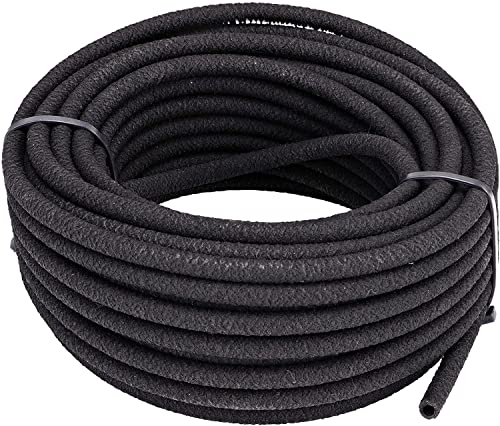
Slowly waters the soil around your plants for complete root zone hydration; Ideal for short runs on flat surfaces, such as vegetable gardens, borders, and around small plants

【Even & Consistent Root Watering】Features micro-pore seepage technology that distributes water evenly along the entire hose, transforming spot watering into uniform line watering directly to plant roots. Unlike traditional drip irrigation systems with clog-prone emitters, this soaker hose creates a continuous moisture band for healthier, deeper-rooted plants

Heavy duty push-on plastic couplings — Cut, shorten, or expand the hose to any length and connect multiple sections for a leak-proof, custom-fit drip irrigation system
Watering Guidelines
Watering your pumpkin plants requires attention to moisture levels. Keep the soil consistently moist but not waterlogged. Aim for 1-2 inches of water per week, depending on weather conditions. For best results, water deeply and less frequently rather than shallow and often. Using a soaker hose or drip irrigation helps deliver water directly to the roots, reducing evaporation. In hot weather, check the soil moisture regularly. Adjust watering as needed to prevent stress on developing pumpkins.
Fertilization Tips
Fertilizing your pumpkin plants fosters growth and fruit development. Apply a balanced fertilizer, such as a 10-10-10 NPK formula, at planting time. Follow up with a second application when the plants start to flower, typically 4-6 weeks after planting. This boosts fruit size and quantity. Look for fertilizers high in phosphorus and potassium for blooming plants. Additionally, incorporating compost into the soil before planting enhances nutrient availability. Always follow label instructions for rates and frequency.
Pest and Disease Management
Pest and disease management protects your pumpkin plants from harmful threats. Monitor your plants regularly for signs of pests like aphids, squash bugs, and cucumber beetles. Use insecticidal soap or neem oil to control infestations quickly. Diseases such as powdery mildew can affect foliage; ensure good air circulation and avoid overhead watering to minimize this risk. Remove any infected leaves immediately to prevent spreading. Incorporating crop rotation and planting resistant pumpkin varieties also helps reduce disease prevalence.
Following these guidelines promotes healthy growth and increases your chances of a bountiful pumpkin harvest.
Harvesting Pumpkins
Harvesting pumpkins involves knowing the right signs of ripeness and executing the harvest with care. Follow these guidelines to ensure your pumpkins are ready and harvested successfully.
Signs of Ripeness
Check for several indicators to determine if your pumpkins are ripe.
- Color: Look for pumpkins that exhibit a deep, solid color. Varieties like Jack-o’-Lanterns should be a vibrant orange, while white pumpkins should be a clean, bright white.
- Skin Texture: Feel the skin; it should feel hard and firm. If you can easily pierce the skin with your fingernail, the pumpkin isn’t ready yet.
- Vine Condition: Observe the vine for signs of dying. When the vine starts to yellow and dry out, it often indicates that the pumpkin is ripe.
- Stem: Inspect the stem. A brown, corky stem suggests ripeness. If the stem is green, it’s best to wait a bit longer.
How to Harvest Carefully
Harvesting pumpkins requires a gentle touch to avoid damaging the fruit.
- Gather Tools: Use sharp garden shears or a knife for cutting the stem. Ensure your tools are clean to prevent spreading diseases.
- Cut the Stem: Approach the pumpkin with caution. Cut a few inches above the pumpkin, leaving a portion of the stem attached. This helps prolong its storage life.
- Support the Fruit: When lifting the pumpkin, support its weight with both hands. Avoid holding it by the stem, which can easily snap off.
- Inspect for Damage: Check for blemishes or soft spots as you harvest. If discovered, use those pumpkins first or process them right away to avoid spoilage.
- Clean and Store: After harvesting, gently clean the pumpkins to remove dirt. Store them in a cool, dry place with good air circulation, avoiding direct sunlight to ensure they last through the season.
By recognizing the signs of ripeness and employing careful harvesting techniques, you can enjoy a successful pumpkin harvest.
Conclusion
Growing pumpkins can be a rewarding experience that adds joy to your garden and your fall festivities. With the right variety and a bit of care you can enjoy a bountiful harvest. Remember to give your plants plenty of sunlight and space to thrive.
Stay attentive to their needs and don’t hesitate to address any pests or diseases that pop up along the way. When it’s time to harvest keep an eye out for those telltale signs of ripeness.
So get your hands dirty and embrace the journey of growing pumpkins. You’ll find it’s not just about the end result but also the fun you have along the way. Happy gardening!
Frequently Asked Questions
What are the best pumpkin varieties to grow?
Different pumpkin varieties serve various purposes. Popular choices include Jack-o’-Lanterns for Halloween, pie pumpkins for baking, and giant pumpkins for competition. It’s essential to choose the right type based on your needs and growing conditions.
How do I prepare my garden for growing pumpkins?
To prepare your garden, select a sunny location with 6-8 hours of sunlight daily. Ensure good air circulation to prevent mildew and plan for ample space since pumpkin vines spread. Amend the soil with organic matter for optimal growth.
When is the best time to plant pumpkins?
The ideal time to plant pumpkins is after the last frost date, usually between late April and early June. For cooler climates, consider starting seeds indoors to ensure a successful harvest.
How often should I water my pumpkin plants?
Pumpkin plants need about 1-2 inches of water per week. Keep the soil consistently moist but not waterlogged. Using a soaker hose or drip irrigation is recommended for efficient watering.
How do I know when my pumpkins are ready to harvest?
Check for signs of ripeness such as color, skin texture, and vine condition. When the stem appears dry and the pumpkin has a rich color, it’s typically time to harvest.

I’ve always been drawn to trees.As a kid, I spent most of my free time outside, climbing, exploring, and trying to figure out the names of the trees around me.That early curiosity eventually led me to study arboriculture and horticulture at Michigan State.Later, I completed a degree in forestry at the University of Michigan.
I’ve been working in tree care and education ever since.These days, I enjoy helping people learn more about the trees in their own backyards.How they grow, how to care for them, and why they matter.You don’t need to be an expert to appreciate trees.A little curiosity goes a long way.